

The house shows beautifully. Gray floors, white cabinets, a farmhouse sink, and that clean paint smell that says somebody cared.
Somebody did care. About the photos.
A flip has one job: look expensive for the six weeks it sits on the market. The money follows the camera, which means it lands on countertops and paint and stainless steel — and skips the roof, the panel, the pipes, and the foundation you can’t see from the doorway.
None of these upgrades are crimes. A repaint is normal. New flooring is normal. What matters is what a shiny surface might be sitting on top of, and where a fresh coat suddenly appears in one strange corner.
The federal government spells this out plainly in its buyer guidance: an appraisal is not an inspection, and only an inspection tells you what’s really there. Read HUD’s homebuyer notice before you sign anything.
Here are 24 cosmetic upgrades flippers lean on, and the damage each one tends to hide.
1. Strategically Placed Fresh Paint
A whole-house repaint is standard flip procedure. That’s not the tell.
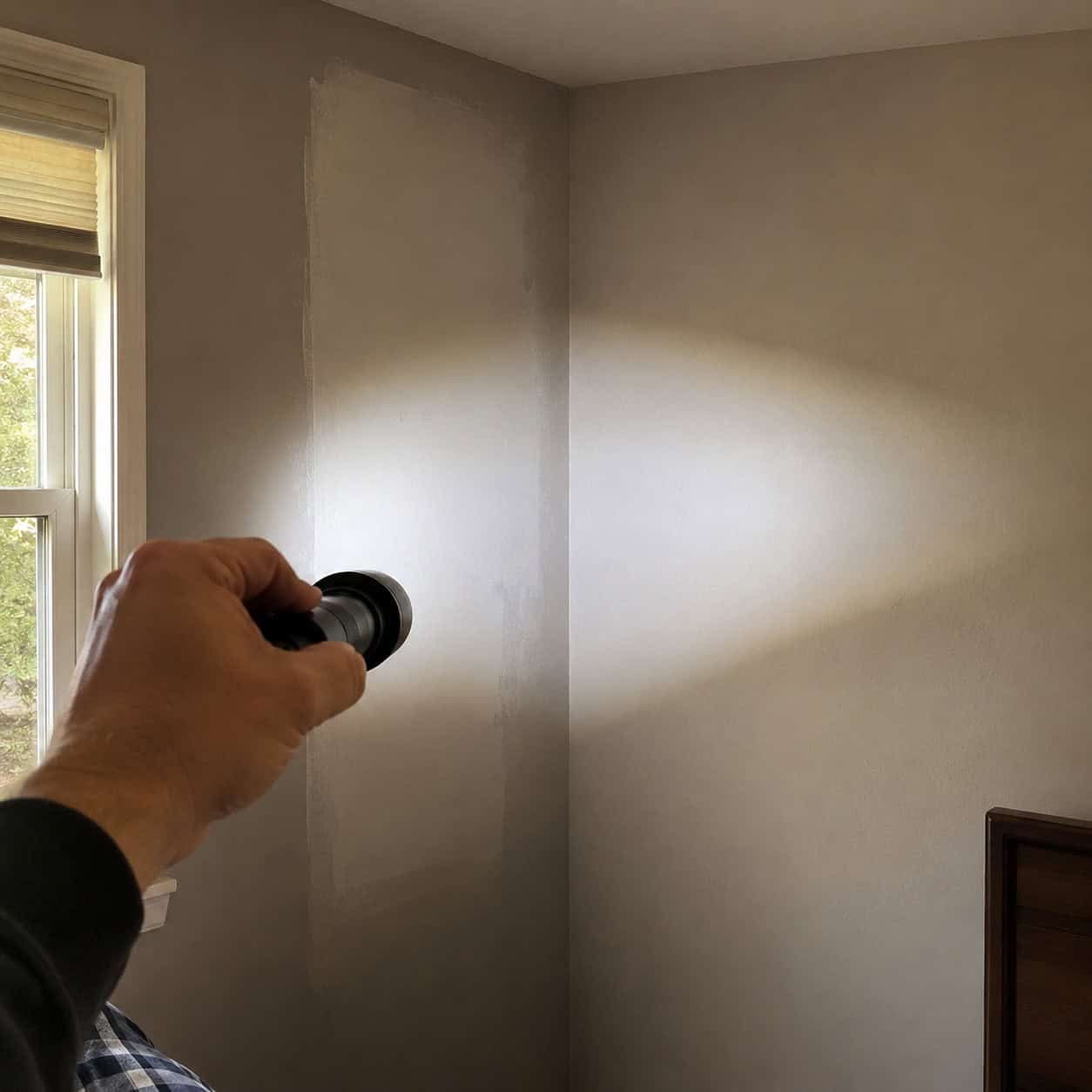
The tell is paint concentrated in one spot. A single ceiling patch. One corner of a bedroom. A stripe along the bottom of a basement wall while the rest stays dingy.
Paint hides water. It never fixes it.
Run your hand across a suspicious area and feel for bubbling or soft, spongy drywall. Then hold a flashlight flat against the wall and look down its length — patching and roller marks jump out at a low angle. If one section got love the rest of the room didn’t, ask why.
2. New Flooring Over a Damaged Subfloor
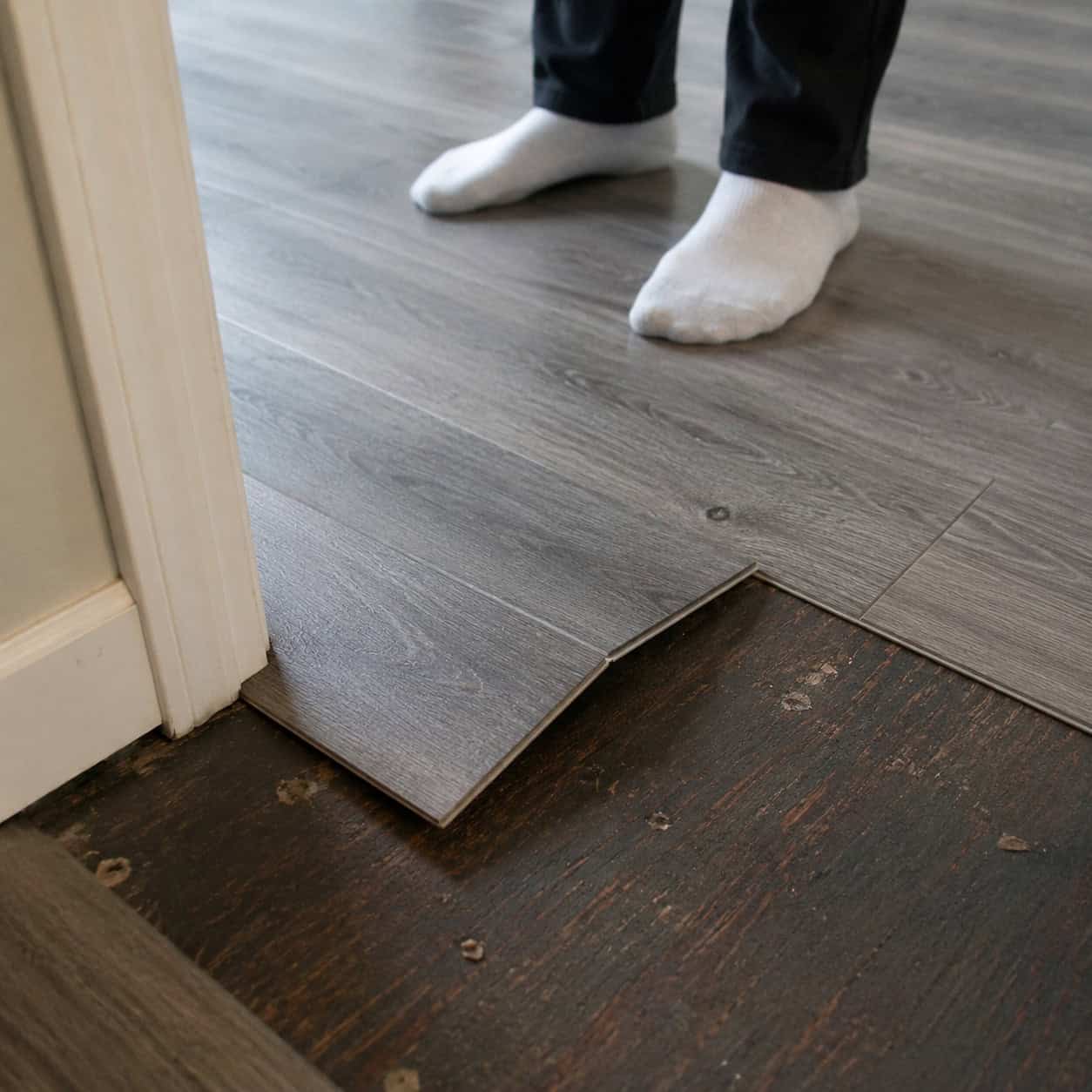
Luxury vinyl plank is the flipper’s best friend for a reason. It floats.
It goes down over almost anything — a warped subfloor, a water-damaged deck, a slab with a crack running through it — with zero repair underneath. The planks click together and look factory-fresh in an afternoon.
Walk it in socks. Feel for slope, bounce, or a wave near doorways and transitions. A floor that dips toward the center of a room or springs under your weight is telling you the new planks are camouflage, not a repair.
3. Fresh Carpet in Basements and Bedrooms
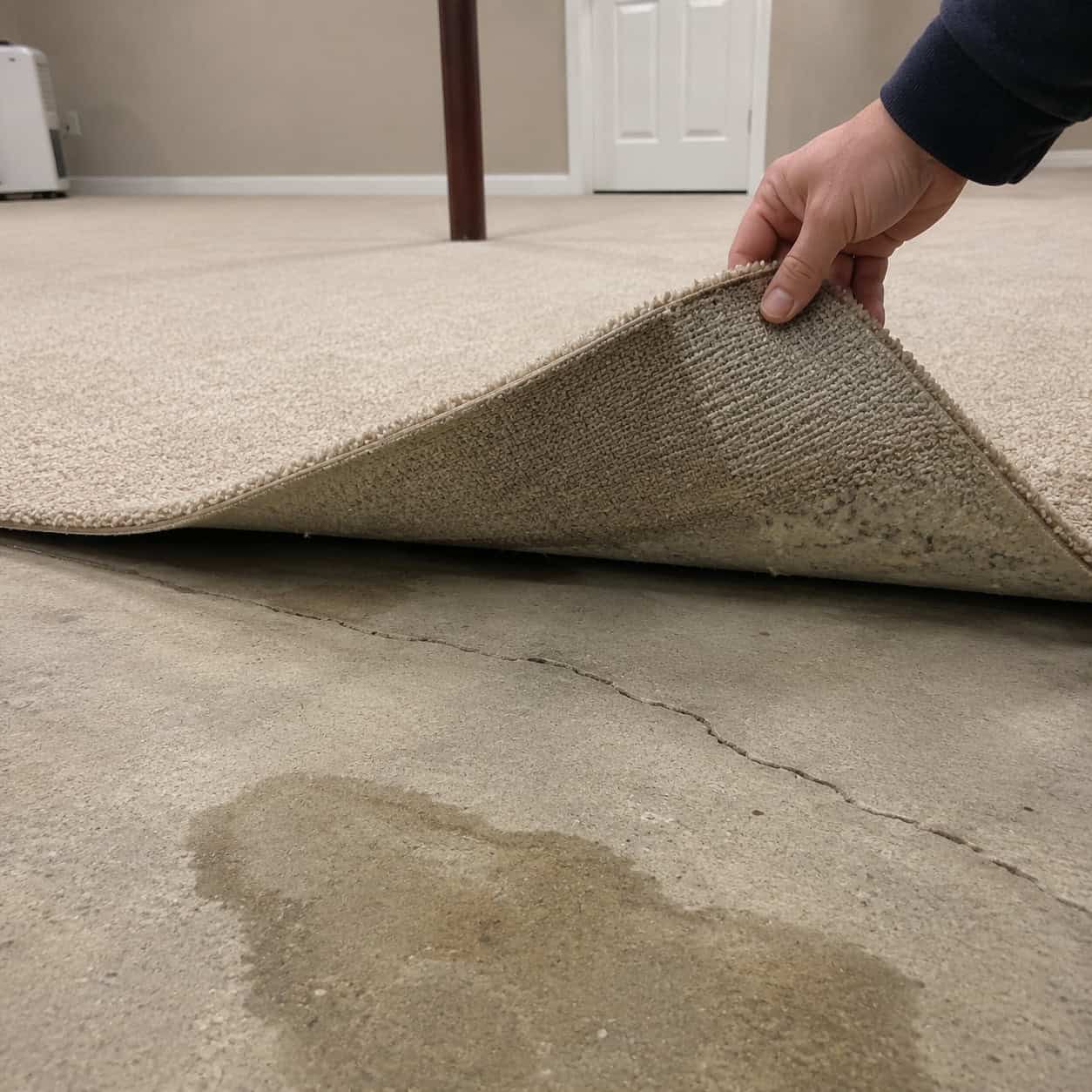
New carpet is cheap, fast, and instantly hides slab cracks, old water staining, and a musty subfloor.
Be most suspicious when it shows up in a basement or in one random room while the rest of the house has hard floors. A single mismatched carpet patch is louder than any words the listing agent will use.
Pull back a corner near the wall if you can. Get down and smell it. Carpet traps the exact odors a flipper is trying to bury, and your nose will catch what your eyes miss.
4. Reglazed Tubs and Spray-Painted Tile
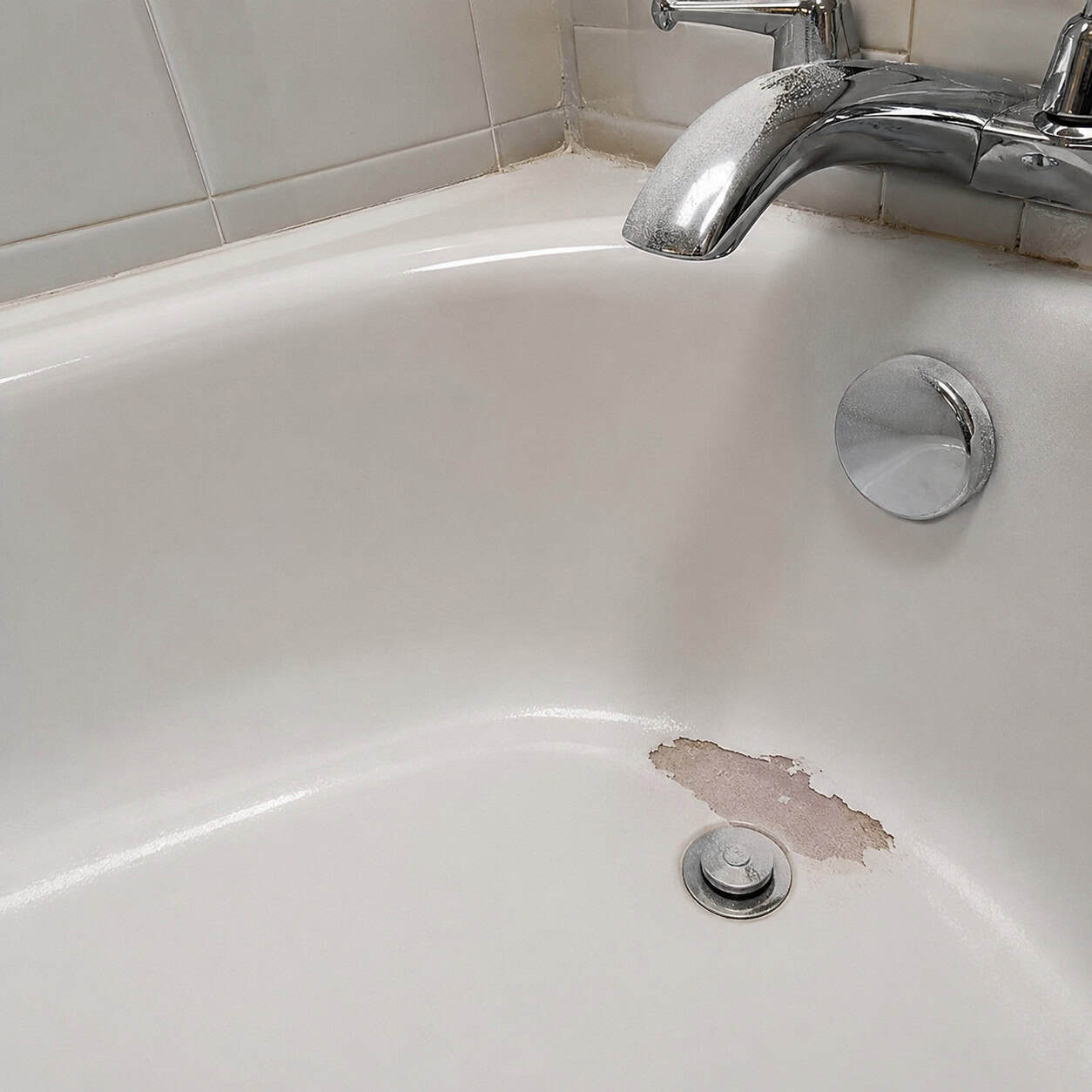
Tubs, tile, and even exterior surfaces get sprayed with a coating that reads brand-new in listing photos.
The coating is skin-deep. It hides pitting, rust, and worn glaze — and then it peels once real heat and moisture hit it, sometimes within months of move-in.
Look for overspray on chrome fixtures, a slightly plasticky sheen, or a surface that feels warm and soft instead of hard and cold like real porcelain. Home inspectors flag reglazing as a classic Checklist Inspections warning sign in flipped bathrooms. Beautiful for the open house. Failing by summer.
5. Caulk Over Caulk Around Tubs and Showers
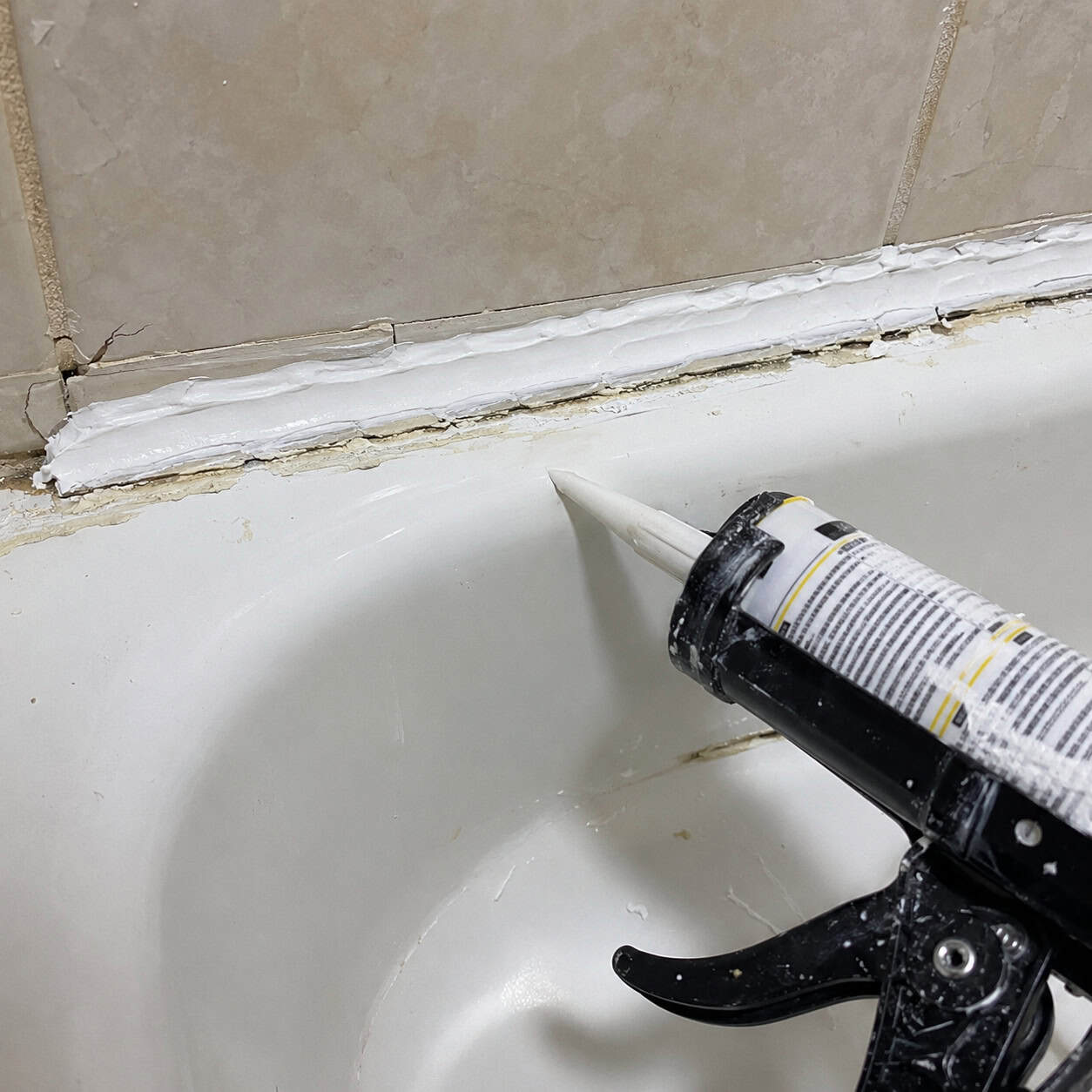
Fresh white caulk troweled over old, cracked caulk is a documented cover-up for a leak nobody actually repaired.
Sealing over a leak buys time. It doesn’t stop water.
When you see suspiciously new caulk around a tub, shower, or window, do one thing immediately. Go look at the ceiling of the room directly below. That’s where a hidden leak shows itself first.
6. New Fixtures and Outlet Covers Over Old Wiring
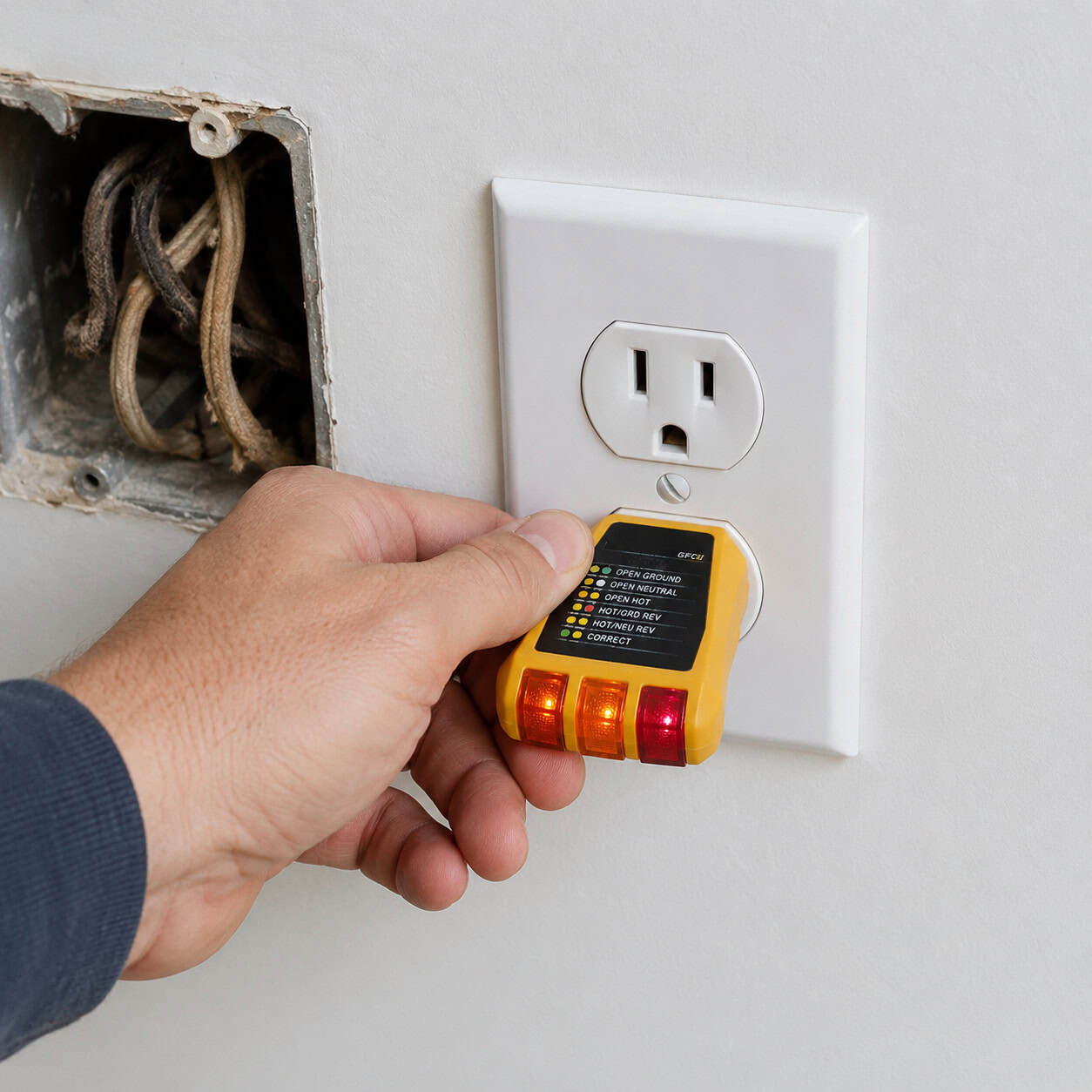
Pretty pendant lights and crisp white outlet covers cost almost nothing. Rewiring a house costs a fortune. Guess which one a flipper chooses.
New cover plates and fixtures mean money went where you can see it — and not into the electrical system you can’t.
Here’s the dangerous part. In many older homes, a flipper will swap a two-prong outlet for a modern grounded three-prong one without ever running a ground wire back to the panel. The outlet now looks safe and modern. It isn’t.
A three-prong outlet on an ungrounded circuit is a code violation and a real shock and fire hazard, because there’s no path for a fault to travel safely to ground. Anything you plug in that relies on that ground — a computer, a surge protector, anything with a metal case — has no protection at all. InspectAPedia covers how these ungrounded fakes get missed by buyers every day.
Buy a $6 outlet tester from any hardware store. Plug it into outlets throughout the house — especially the ones near those shiny new fixtures. If it reads “open ground” on a three-prong outlet, the wiring behind that pretty plate is old, and someone chose to disguise it rather than fix it.
Then ask about knob-and-tube. Homes built before roughly 1950 may still have it hidden in the walls and attic, and no amount of new trim tells you whether it’s been removed. Rewiring a whole house can run well into five figures. That’s a number worth knowing before closing, not after.
7. Shiny New Faucets on Aging Pipes
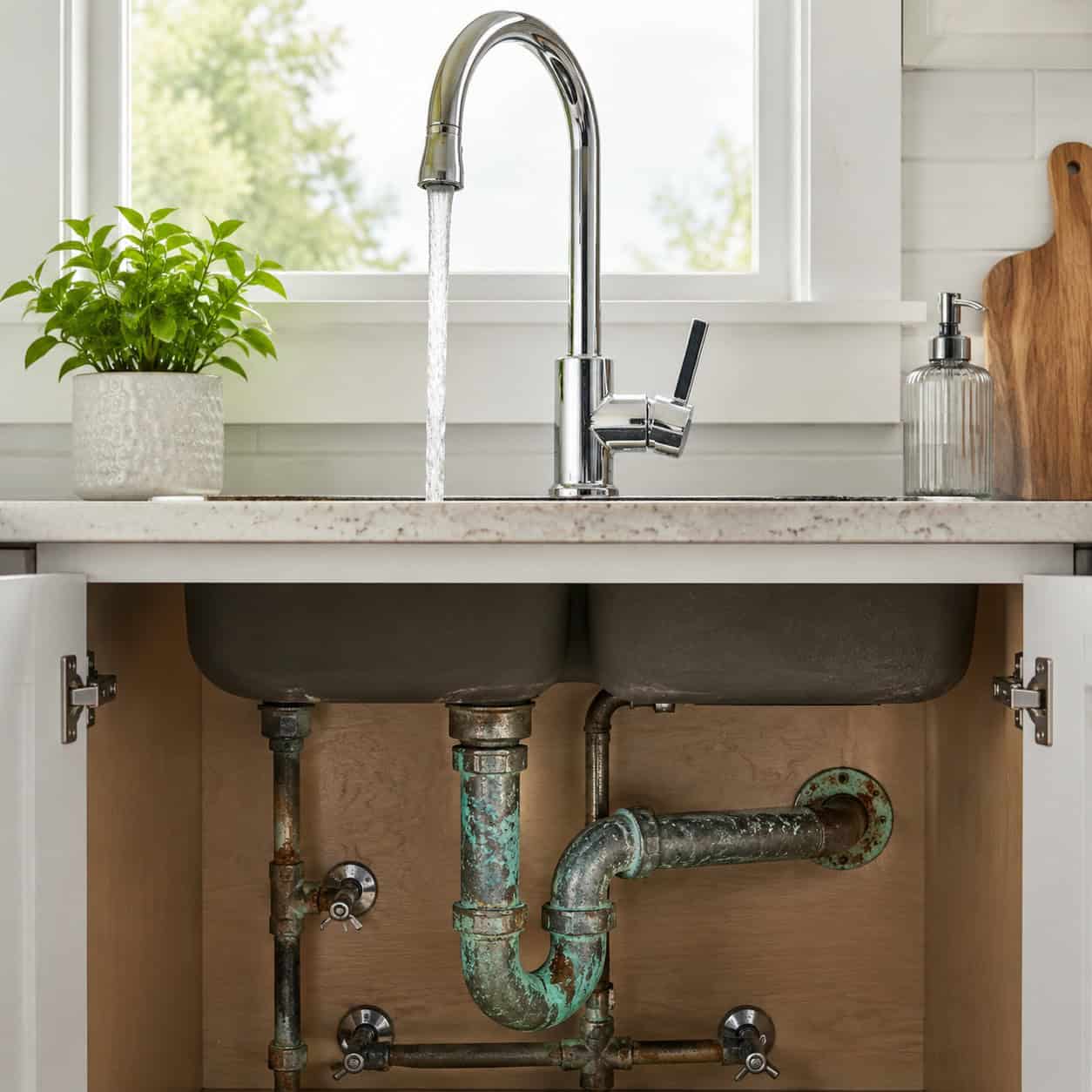
A gleaming faucet tells you nothing about what’s inside the wall behind it.
Low pressure, slow drains, and water that runs cloudy or brown for a few seconds all point to galvanized or corroded cast-iron lines that are decades past their service life. The flipper hung a beautiful faucet and left the pipes alone.
So run everything. Every faucet, hot and cold, all at once. Flush every toilet. Watch the pressure drop and the drains gurgle. As Change Real Estate notes, plumbing hides behind the prettiest fixtures in the house.
8. New HVAC Vents on an Old Furnace
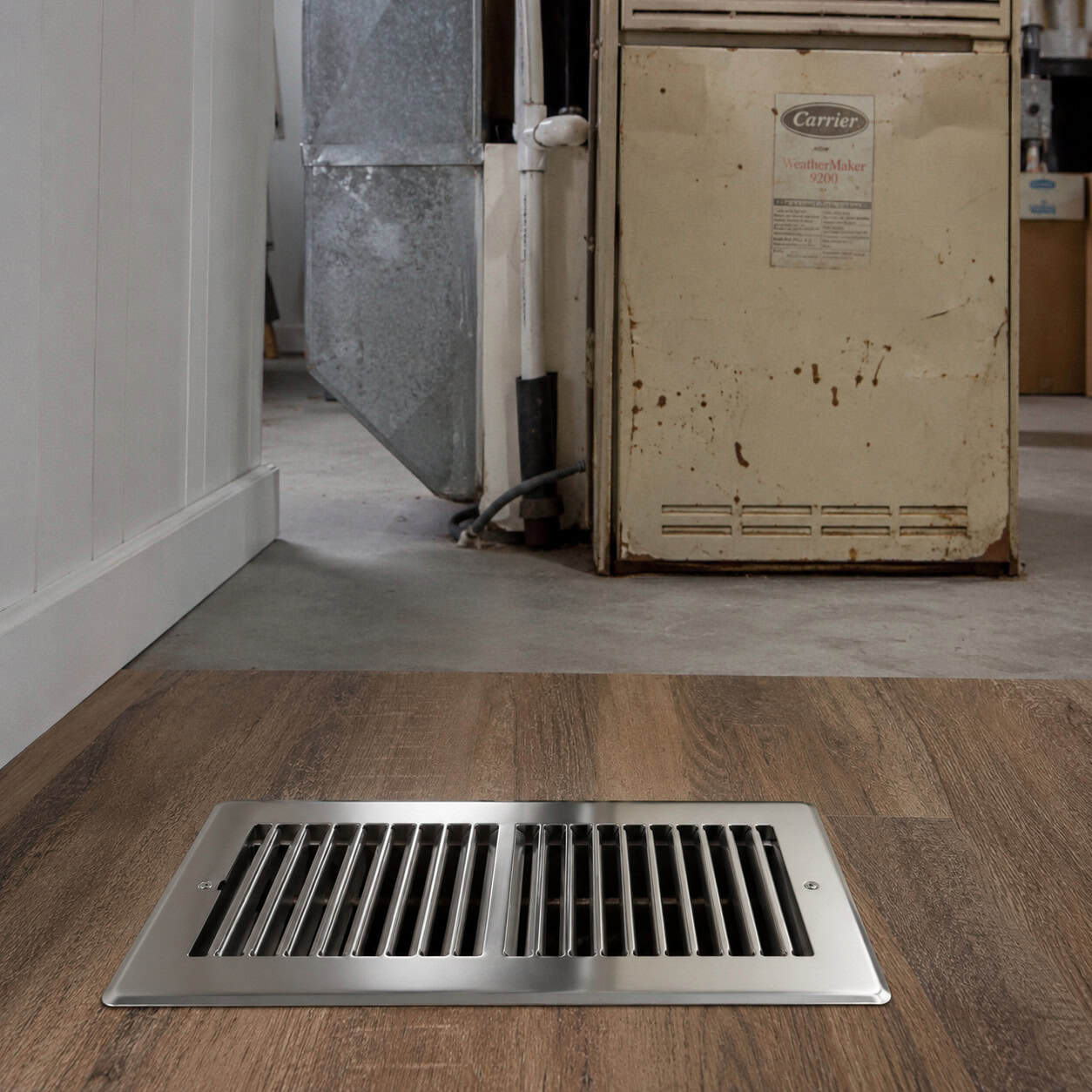
“New HVAC vents” sounds like a system upgrade. It usually means new register covers.
Modern-looking vents cost a few dollars each. The furnace, the ductwork, and the electrical service feeding them are frequently the same tired, undersized equipment that was there before.
New vents equal new infrastructure is a false assumption, and flippers count on it. Go find the furnace and read the manufacturer date on the label. A twenty-year-old unit wearing fresh vent covers upstairs is exactly the trick.
9. Spray-Painted or Patched Roof Shingles
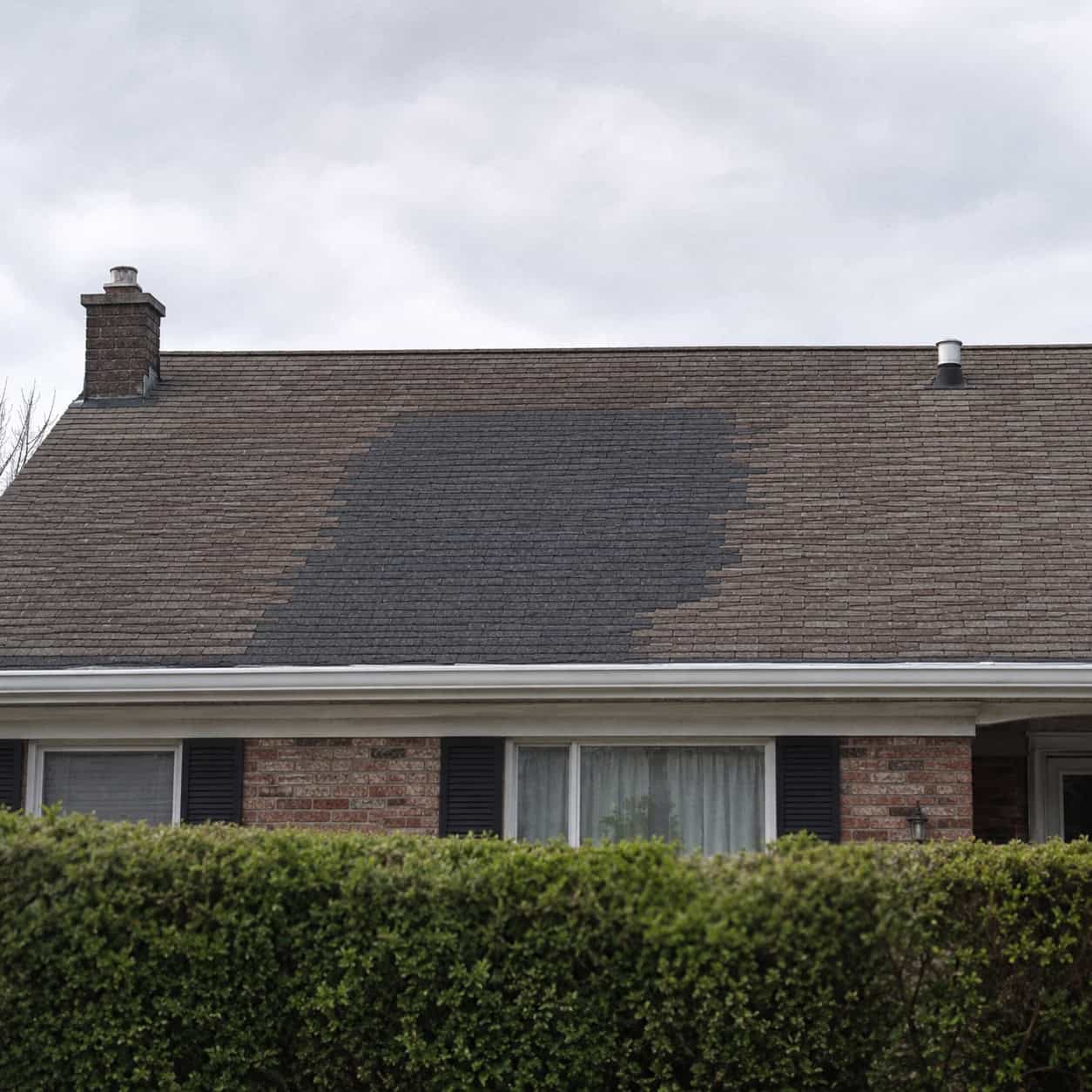
A new roof is one of the most expensive line items a flipper can face. So some of them cheat it.
They pressure-wash old shingles, spray-paint them to fake uniform color, or patch a few bad spots and hope the buyer looks away. Painting shingles is worse than doing nothing — it can loosen the protective granules and shorten the roof’s remaining life.
Stand across the street and study the roof. Look for mismatched shingle colors, obvious patches, and areas that look too clean next to areas that look worn. Inspectors treat a faked roof as one of the bigger Checklist Inspections red flags for a reason.
10. Accent Walls and Paneling Over Foundation Cracks
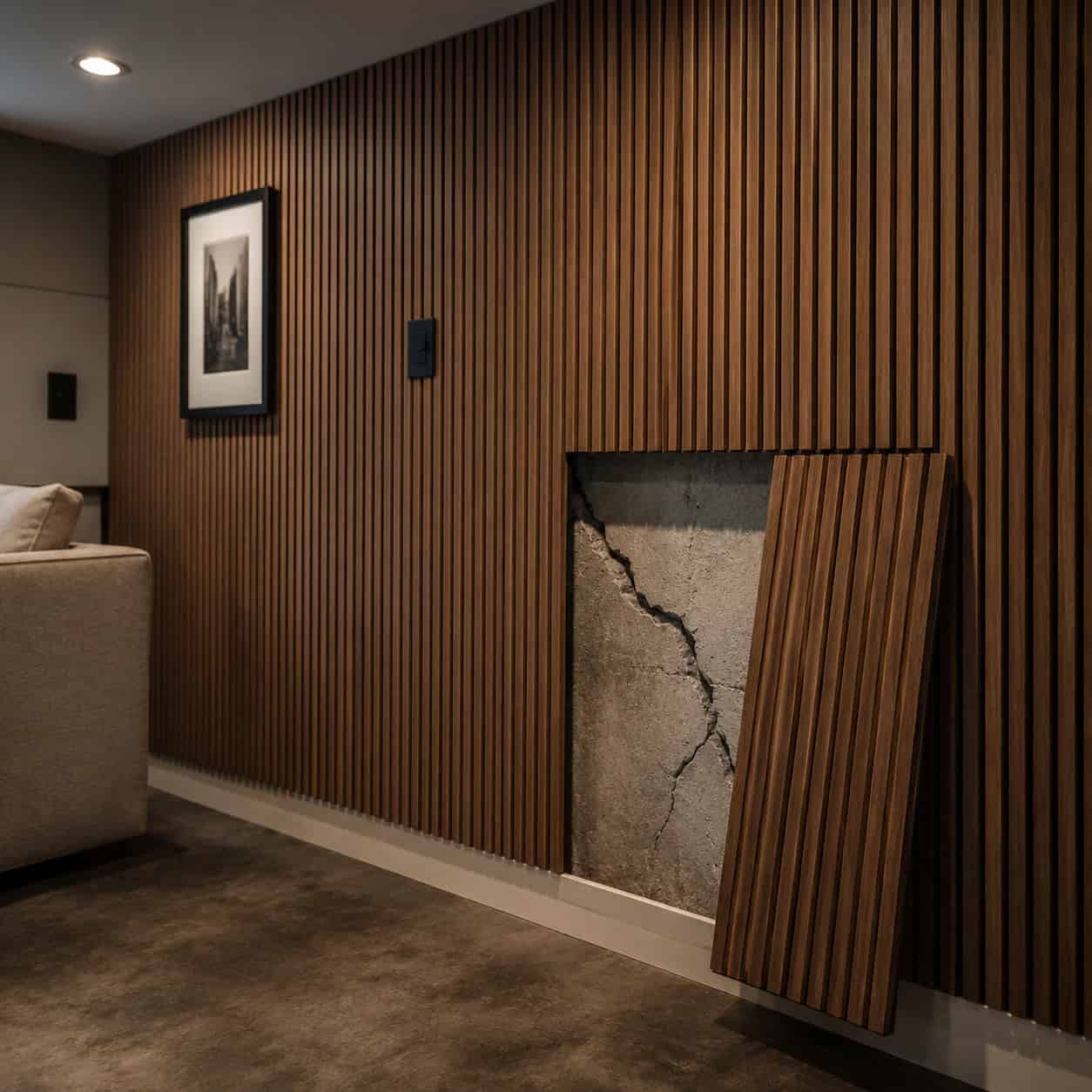
This is the one that should stop you cold.
An inspector once found a flipper who had covered a major foundation crack with modern wood paneling. The crack was so large it was visible from the street on Google Street View — and the seller had simply built a trendy accent wall over it and called the basement finished.
Interior accent walls, shiplap, and wood paneling do exactly this job. They’re cheap, they photograph like a designer touch, and they can hide the single most expensive problem a buyer will ever inherit. Foundation repair regularly runs from several thousand dollars for minor work to well past $30,000 for serious structural fixes.
Bankrate, reporting via Yahoo Finance, lists disguised structural damage as one of the costliest surprises in a flipped home.
Be alert to any freshly built wall in a basement, garage, or crawl-space-adjacent room, especially one that stops short of the corners or covers just a portion of an exterior wall. Before you tour, pull up the house on Google Street View and page back through the older photos. A crack that existed a year ago doesn’t disappear because someone glued cedar planks over it.
If the finished basement looks brand new and you can’t see a single inch of raw foundation anywhere, that’s not a selling point. That’s a question.
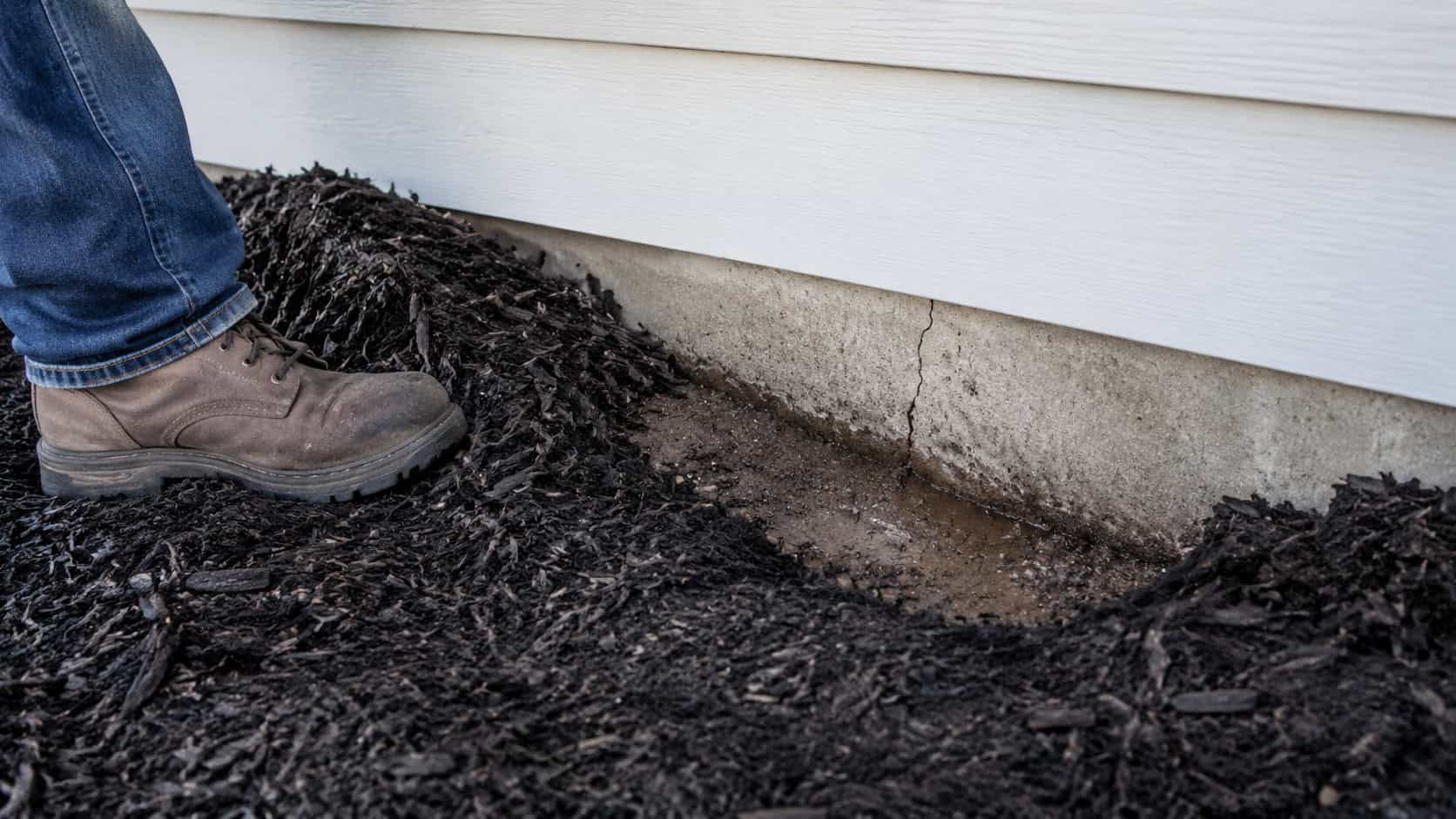
11. Fresh Mulch Mounded Against the Foundation
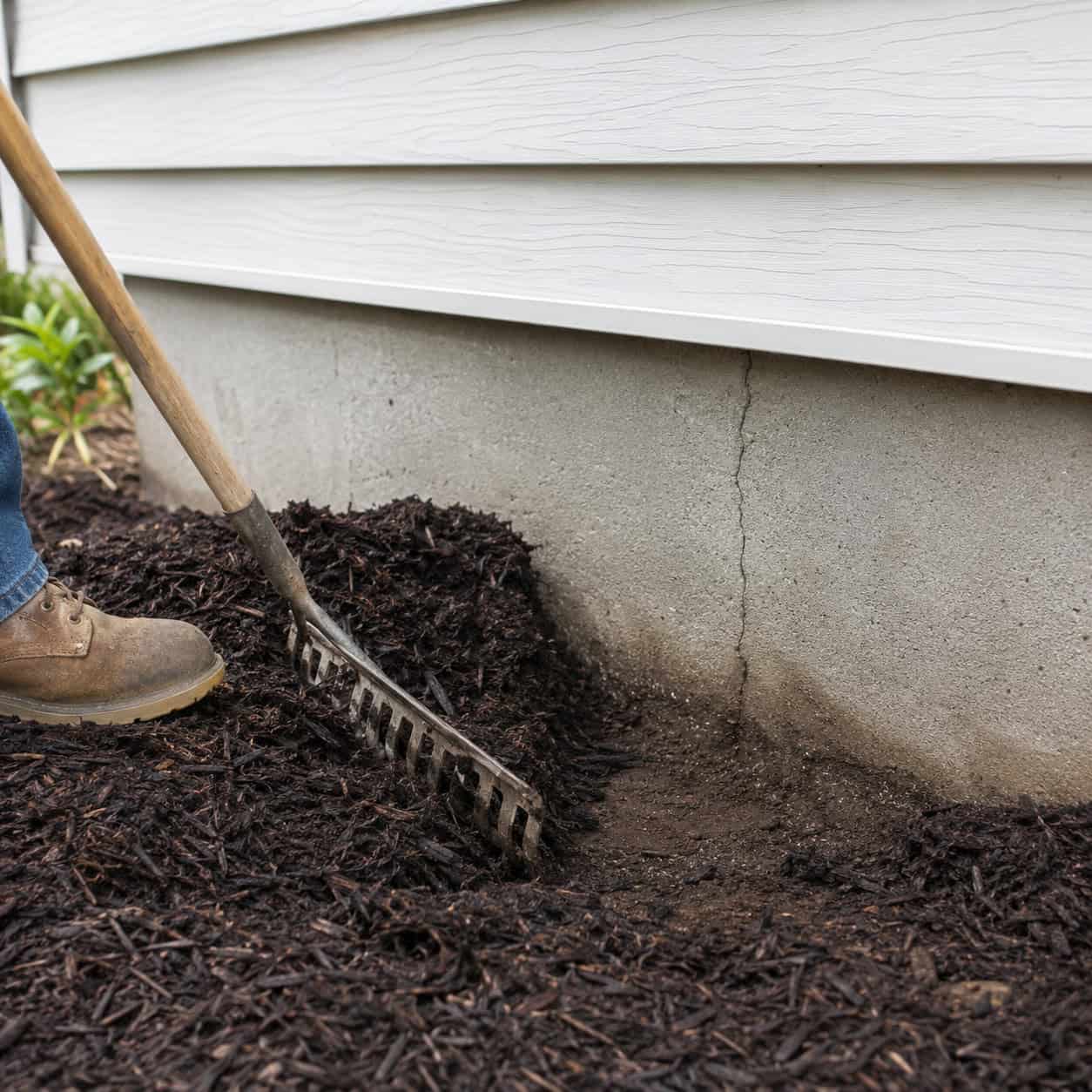
Dark, fresh mulch is the fastest curb-appeal trick there is. It reads as “well cared for” from the curb.
Piled up against the foundation, though, it does three quiet bad things at once.
It hides cracks in the foundation wall you’d otherwise spot. It holds moisture against the concrete, which drives water toward the basement. And it builds a soft, damp highway that termites use to reach the wood framing above — mulch touching siding is one of the classic conditions JES Foundation Repair warns homeowners about.
Mulch should sit a few inches below the siding and slope away from the house, not bank up against it. When you tour, rake the top layer aside with your foot along one section of foundation and look at what it’s covering. Fresh mulch mounded high is both a cover-up and a cause of the next problem.
Termite treatment and moisture remediation aren’t cheap, and neither is the foundation damage a wet, buried wall eventually produces.
12. Stain-Blocked, Repainted Ceilings
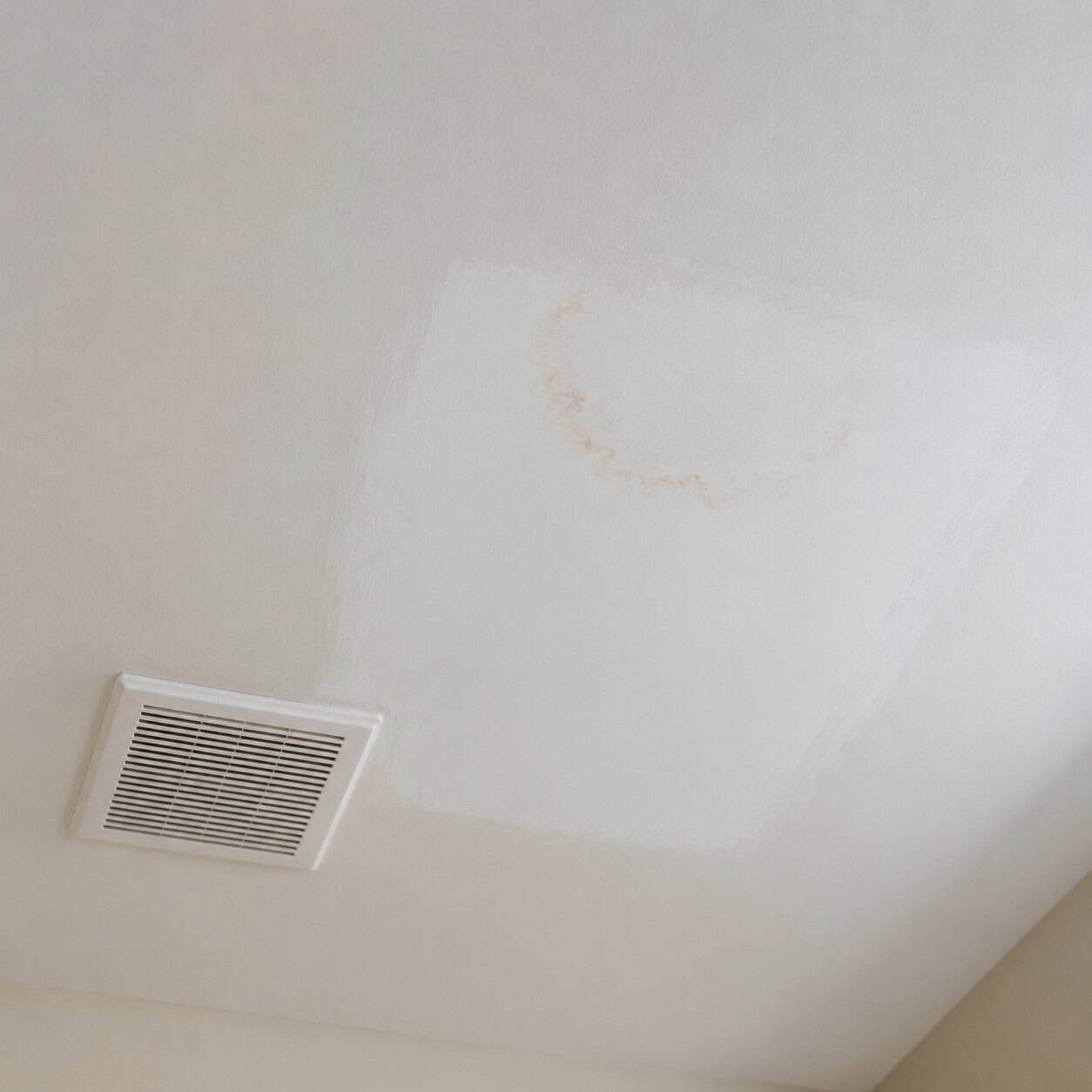
A coat of stain-blocking primer and a fresh topcoat erase a ceiling water stain in about fifteen minutes.
They erase the evidence. They do nothing about the source.
Without a repair above it, the stain bleeds back through and the drywall keeps quietly rotting. Ceiling stains near an upstairs bathroom point to plumbing. Stains near vents point to HVAC condensation. Stains near an exterior wall or the top floor point to the roof — Bob Vila breaks down how the location tells you the culprit.
Look up in every room, especially closets and corners where a flipper’s roller got lazy. A single ceiling patch of brighter, newer paint is the number-one flip shortcut on ceilings.
13. Overpowering Air Fresheners and Candles

Walk into a showing hit by a wall of vanilla and plug-in florals, and don’t read it as hospitality. Read it as a question.
Heavy fragrance is one of the oldest cover-ups in the book, and what it most often covers is the musty, earthy smell of mold or standing moisture that never got remediated.
Your nose is a real diagnostic tool here, so use it deliberately. Turn off the plug-ins if you can. Open a closet, a cabinet, the basement door, and breathe in slow through your nose. Mold has a distinct damp, mushroom-cellar smell that fragrance layers over but never fully hides.
Pay special attention to basements, bathrooms, and any room with new carpet or fresh paint in only one corner. Those are the places moisture collects.
If you smell it and the seller can’t explain it, that’s your cue to order a mold inspection before closing. Remediation on a serious mold problem — the kind that requires containment, air scrubbing, and material removal — can run into the thousands, and it’s not a bill you want to discover after you own it. A house that smells too good is trying to tell you something.
14. Painted or Refaced Cabinets Over Water-Damaged Boxes
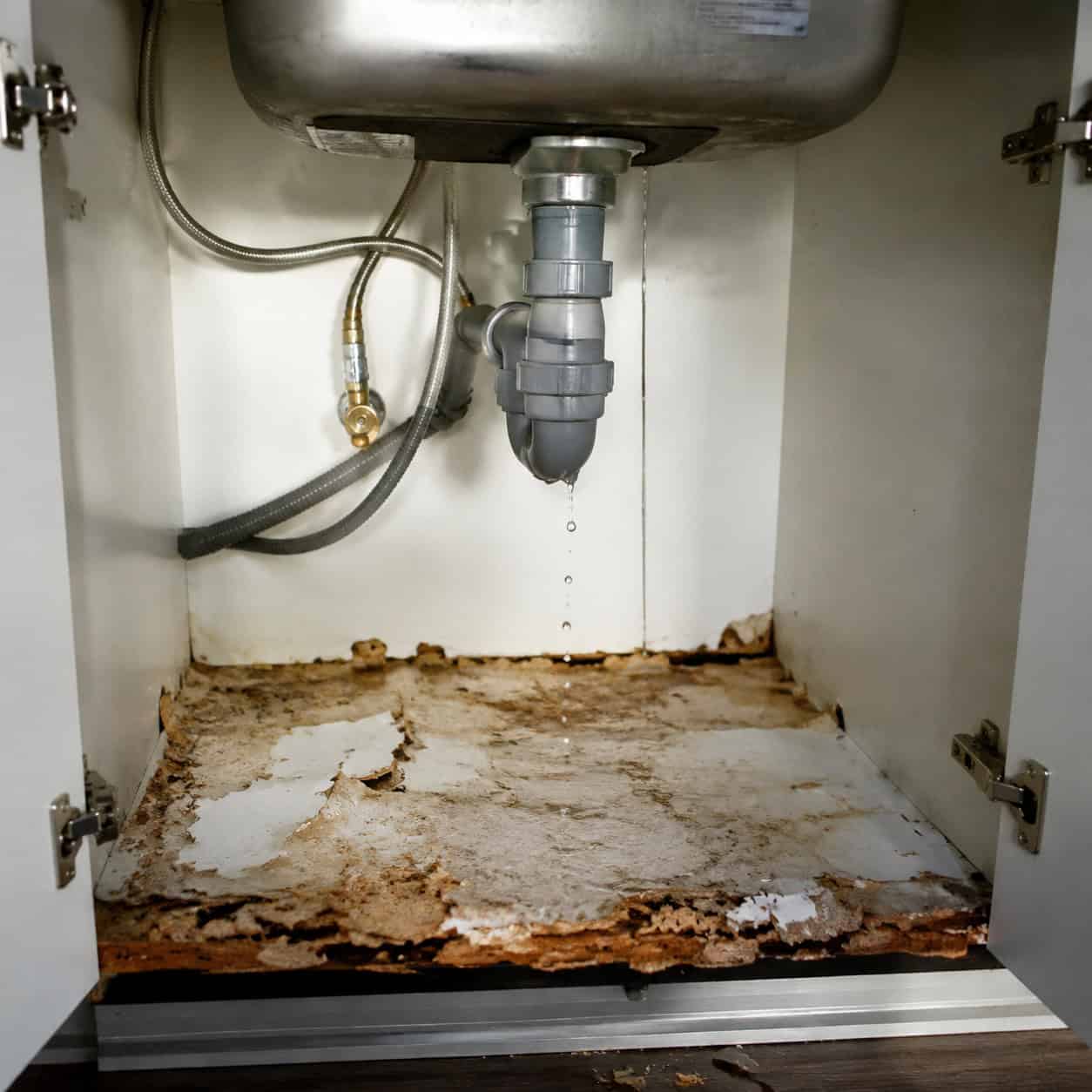
A coat of paint or a set of new doors makes tired kitchen cabinets look custom in an afternoon.
The doors aren’t the problem. The boxes are.
Most cabinet carcasses are particleboard, and the one under the sink lives inches from a supply line, a drain, and a garbage disposal. A slow leak swells that particleboard into crumbling mush long before anything shows on the pretty painted front.
Open every door and drawer in the kitchen and both bathrooms. Then get down and look — and feel — under every sink. Soft, swollen, or water-stained cabinet floors are one of the fastest cover-up reveals in the whole house.
15. New Drywall Patches in Odd Places
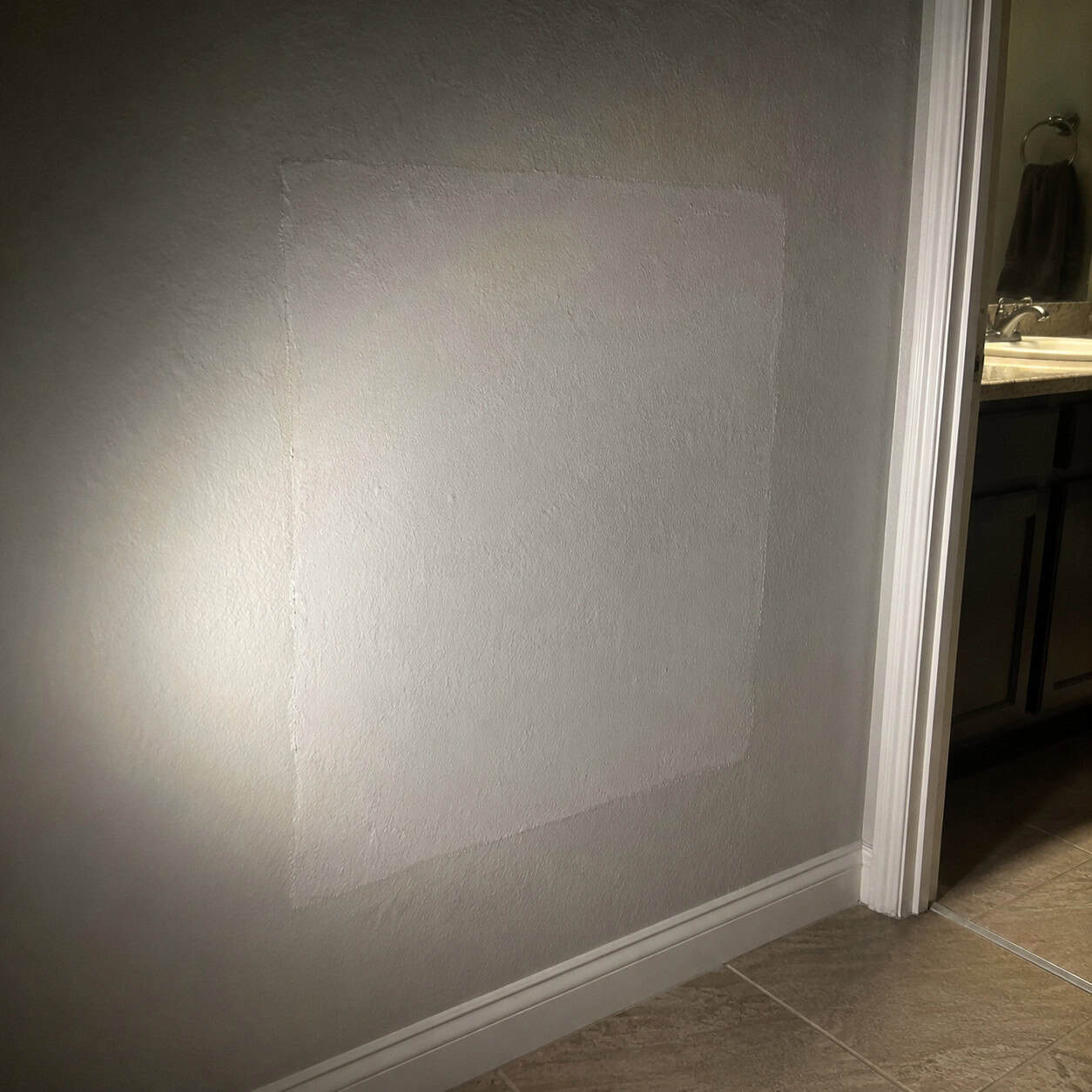
A clean rectangle of fresh drywall in the middle of an otherwise older wall is rarely decorative. It’s a scar.
That patch usually marks where water damage or mold was cut out. Cutting it out is the right first step — but only if someone also fixed whatever caused it, and a flipper on a deadline often skips that part.
These patches show up most near bathrooms, under kitchen windows, and along exterior walls where water gets in. One wall noticeably newer or smoother than the three around it is the same story at larger scale.
Look for slightly mismatched texture, a faint outline where the mud feathers out, and paint that’s a hair brighter than the surrounding wall at a low flashlight angle. As FastExpert points out, a fresh patch tells you where the problem was — not whether it’s gone.
Ask directly what was behind it. A flipper who did the work right will have paperwork. One who painted over trouble will change the subject.
16. Peel-and-Stick ‘Luxury’ Finishes
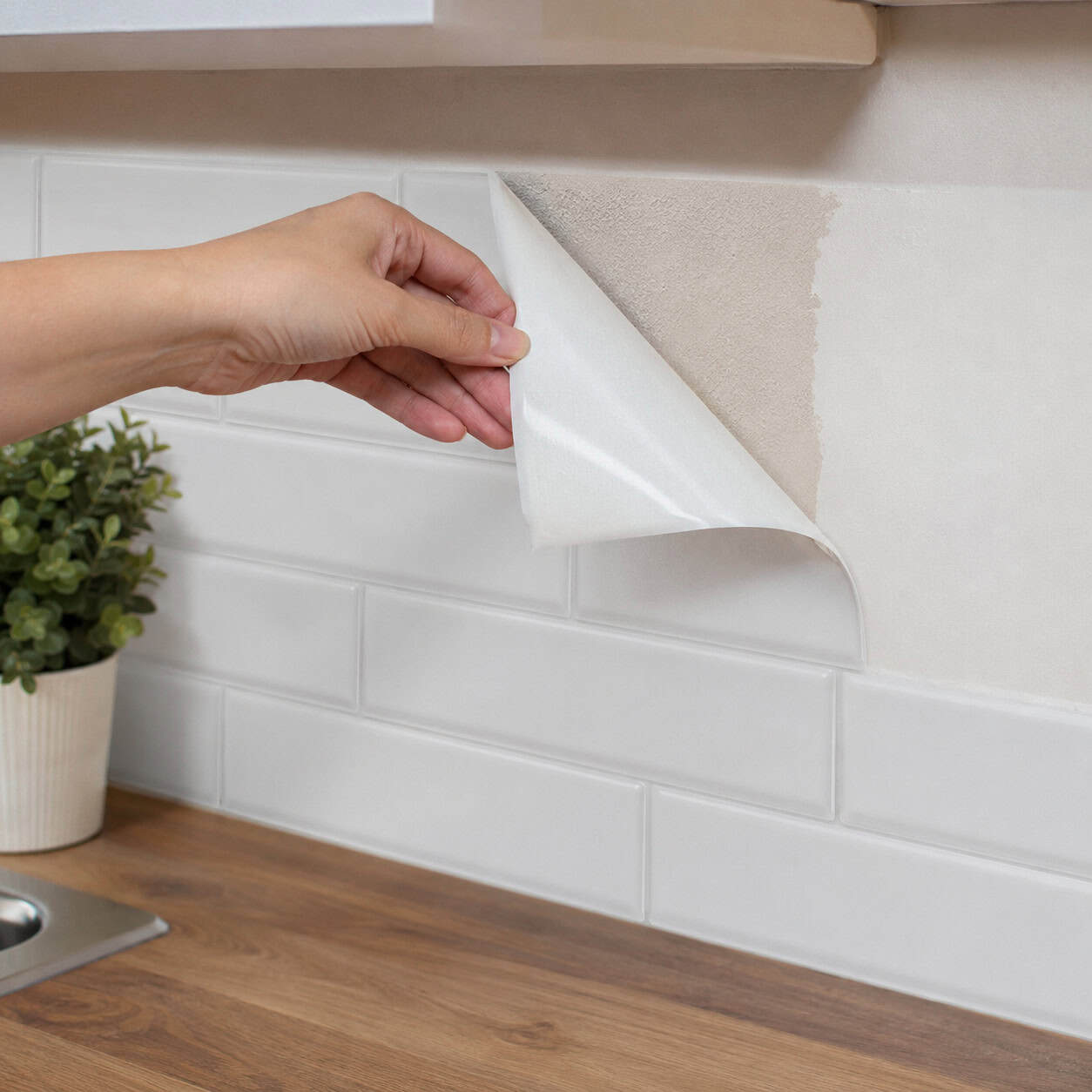
Peel-and-stick backsplash photographs like real subway tile. Bargain laminate photographs like hardwood. That’s the entire point.
These finishes put the budget on Instagram appeal and leave nothing for the systems that actually matter.
Pick at the edge of the backsplash near the counter — real tile has grout you can scratch, a sticker peels. Tap the “hardwood” floor and listen for the hollow, plasticky click of laminate. As S&P Properties puts it, fake luxury is misdirection in its purest form — every dollar of fake finish is a dollar that didn’t go into the panel or the pipes.
17. Fresh Exterior Paint and New Siding
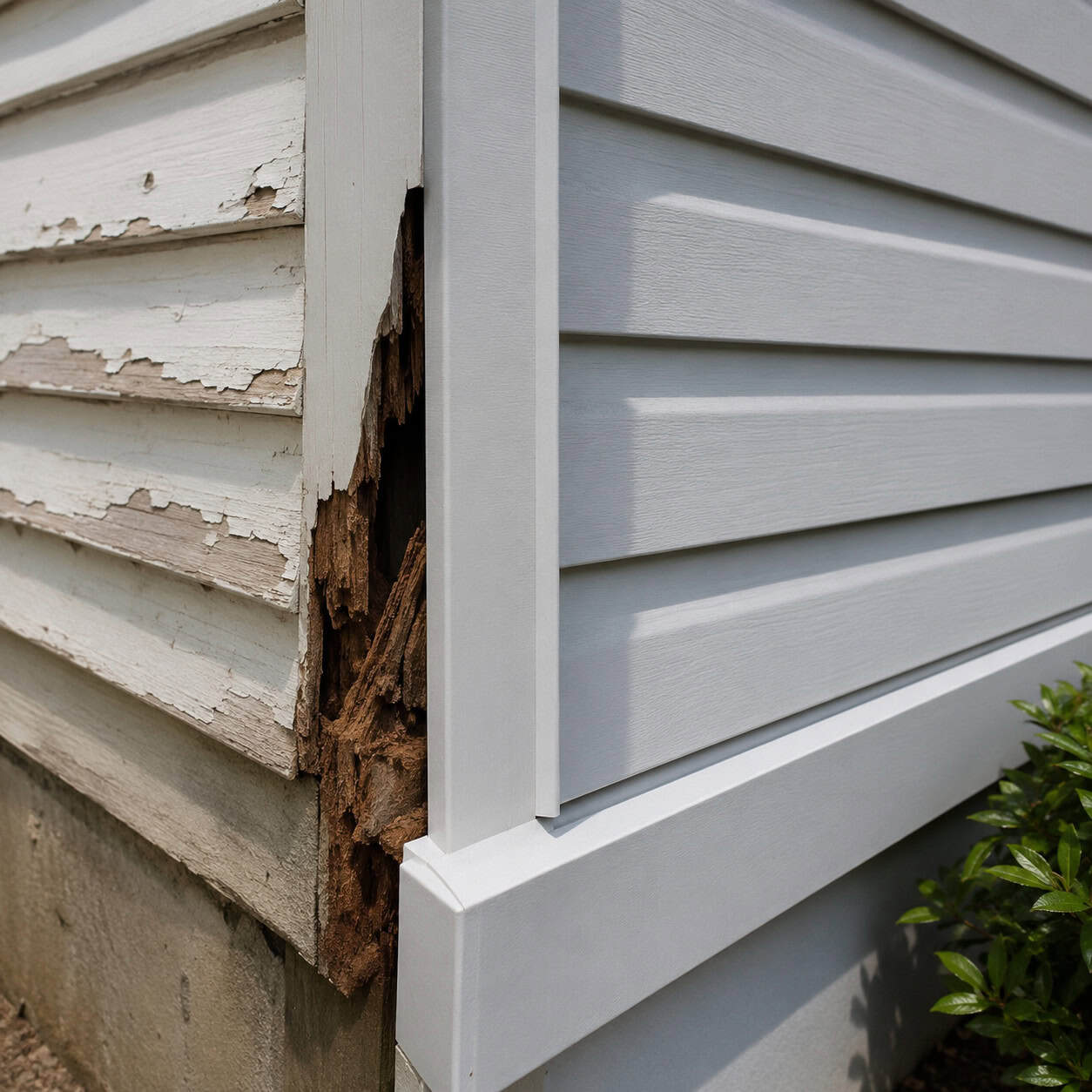
Buyers judge a house from the street in the first ten seconds. Flippers know it, and they spend accordingly.
Crisp new paint and fresh siding do wonders for curb appeal. They also cover exterior rot, past water intrusion, and — like the paneling trick indoors — structural cracks in the sheathing underneath.
New siding over rotten wood traps the moisture instead of stopping it. Look for siding that’s new on just one wall, caulk lines that seem to be filling something, and any spot where the trim doesn’t sit flush. Push gently on the wall near the ground; solid framing doesn’t give.
18. Instant Sod and Landscaping
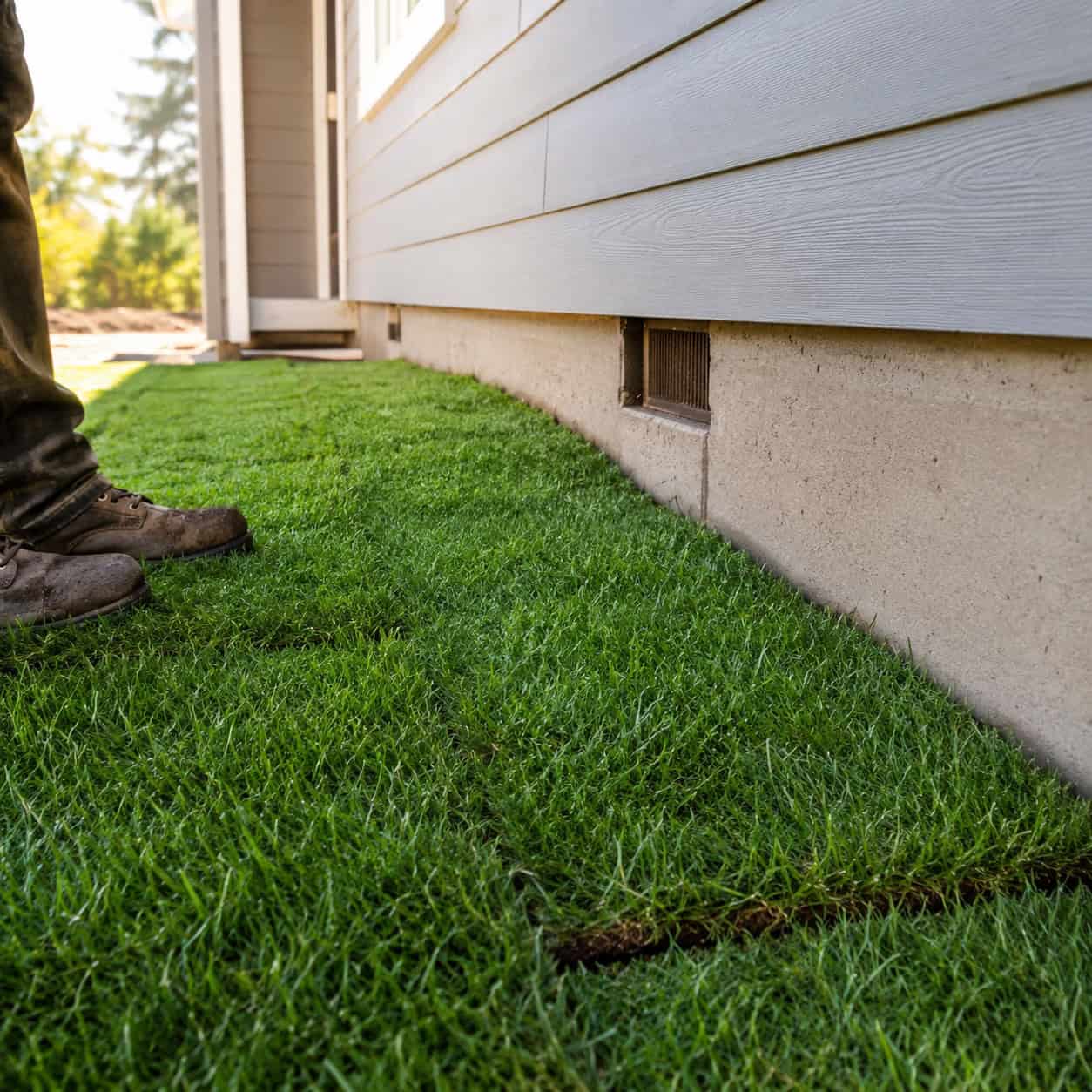
Fresh sod rolled out like green carpet, new mulch beds, a couple of young shrubs — it all reads as a loved, move-in-ready yard.
It also quietly buries the least glamorous and most important job in the whole property: grading.
The soil around a house is supposed to slope away from the foundation so rainwater runs off. Bad grading — soil that slopes toward the house — is the leading cause of wet basements, foundation cracks, and the mold that follows. Fresh sod hides the grading completely, and a flipper who never touched it can make a drainage disaster look like a spring lawn.
Walk the entire perimeter of the house and watch which way the ground slopes. Look for the low spots where water would pool against the wall after a storm. Check that downspouts actually carry water away and don’t just dump it at the corner of the foundation.
Grading and drainage corrections, French drains, and basement waterproofing are expensive projects, and Change Real Estate lists poor drainage among the costliest hidden issues in a flip. A perfect lawn planted last week can’t tell you what the ground does in a hard rain. Visit after one if you can.
19. The Tell-Tale Oil-Based Primer Smell
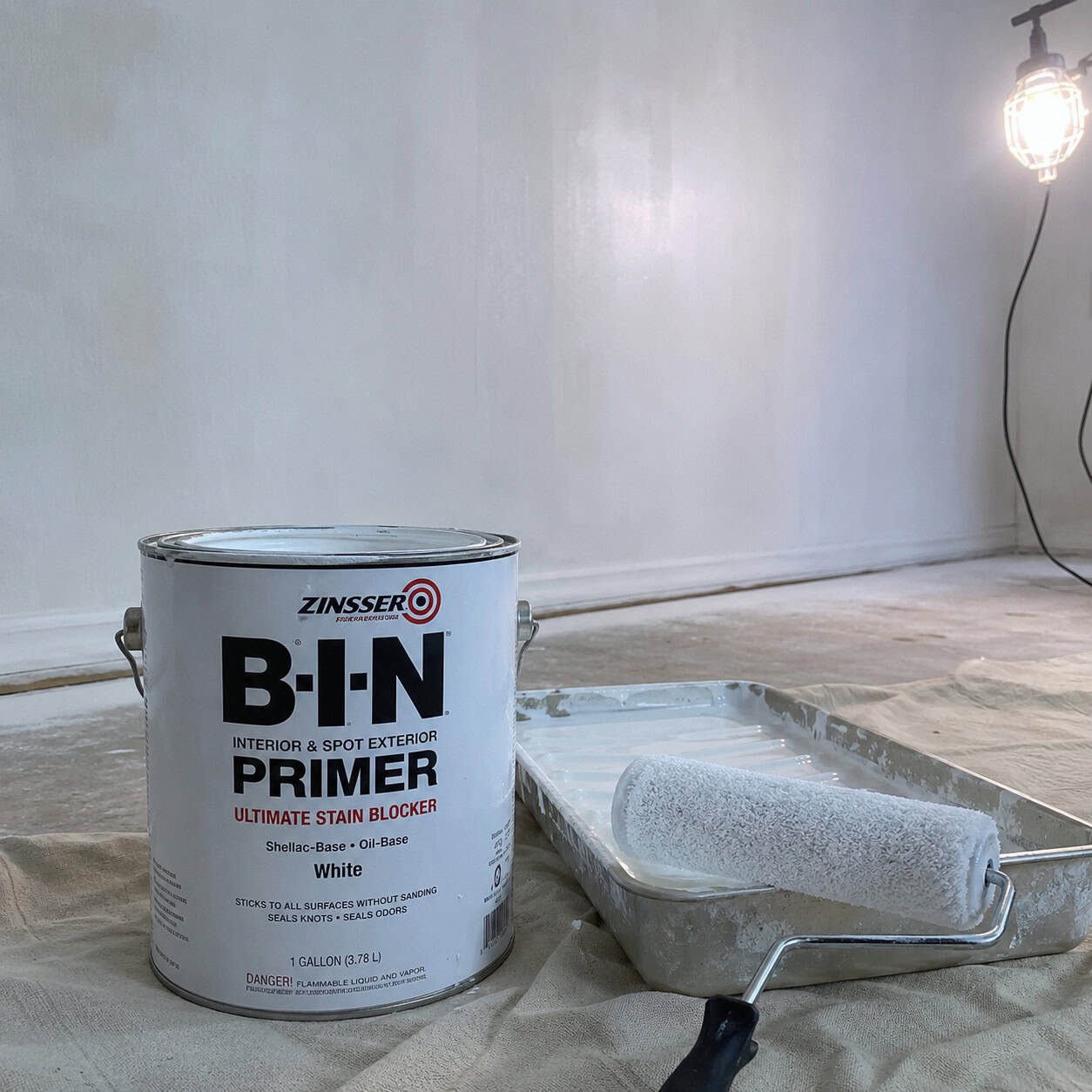
There’s a difference between the smell of fresh paint and the smell of a house drowned in heavy oil-based primer.
Oil primer has a sharp, solvent-heavy odor that lingers for days. It’s the product of choice for sealing in stains and, crucially, for sealing in odors — including the smell of mold.
A whole house recently coated in the stuff is a documented flip warning. Primer that strong, used everywhere rather than as spot treatment, can mean mold was painted over and locked behind a sealed surface rather than removed. FastExpert flags a pervasive primer smell as a mold cover-up signal.
This is distinct from candles and plug-ins. Air fresheners layer a scent on top; primer changes the smell of the paint itself, and it’s harder to fake innocence about.
Sealing mold behind primer doesn’t kill it — spores keep growing on the damp material underneath. If a house reeks of oil primer top to bottom, treat it as a reason to order professional mold testing, not a reason to relax because “at least it’s freshly painted.” The paint is the warning, not the reassurance.
20. Staged Furniture and Wall Art Over Damage
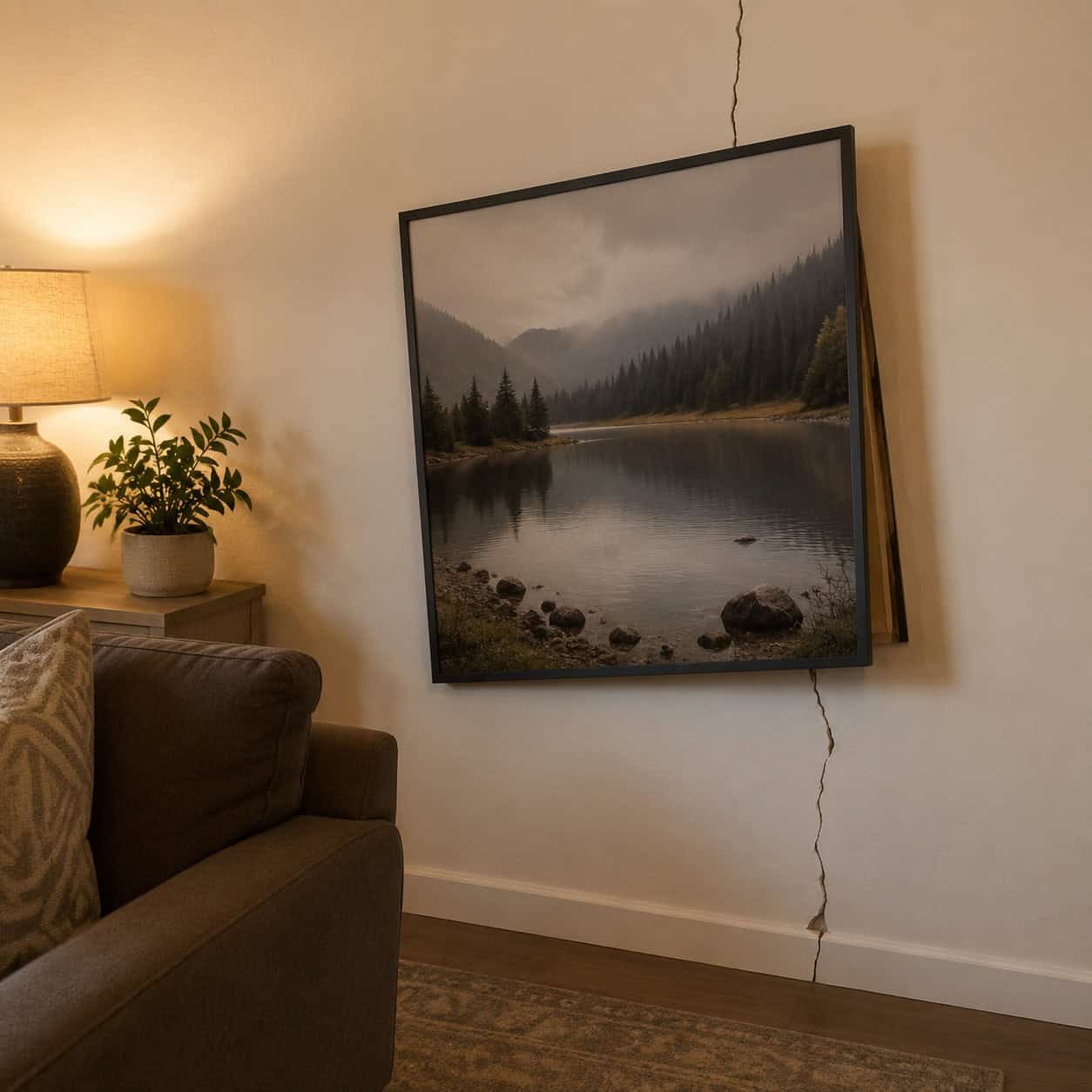
Staging sells houses. It can also hide them.
An area rug centered over a stained or cracked floor. A sofa pushed flat against a wall that’s split. A big framed print hung dead-center over a fissure that runs up from the baseboard.
Notice anything placed oddly — a rug where a rug makes no sense, furniture floating in a strange spot, art in a corner nobody decorates. S&P Properties calls this cheap, effective misdirection, and it is.
Mentally move every piece of furniture as you walk through. Then, on a second visit or during the inspection, actually look behind and under it.
21. Showy New Countertops
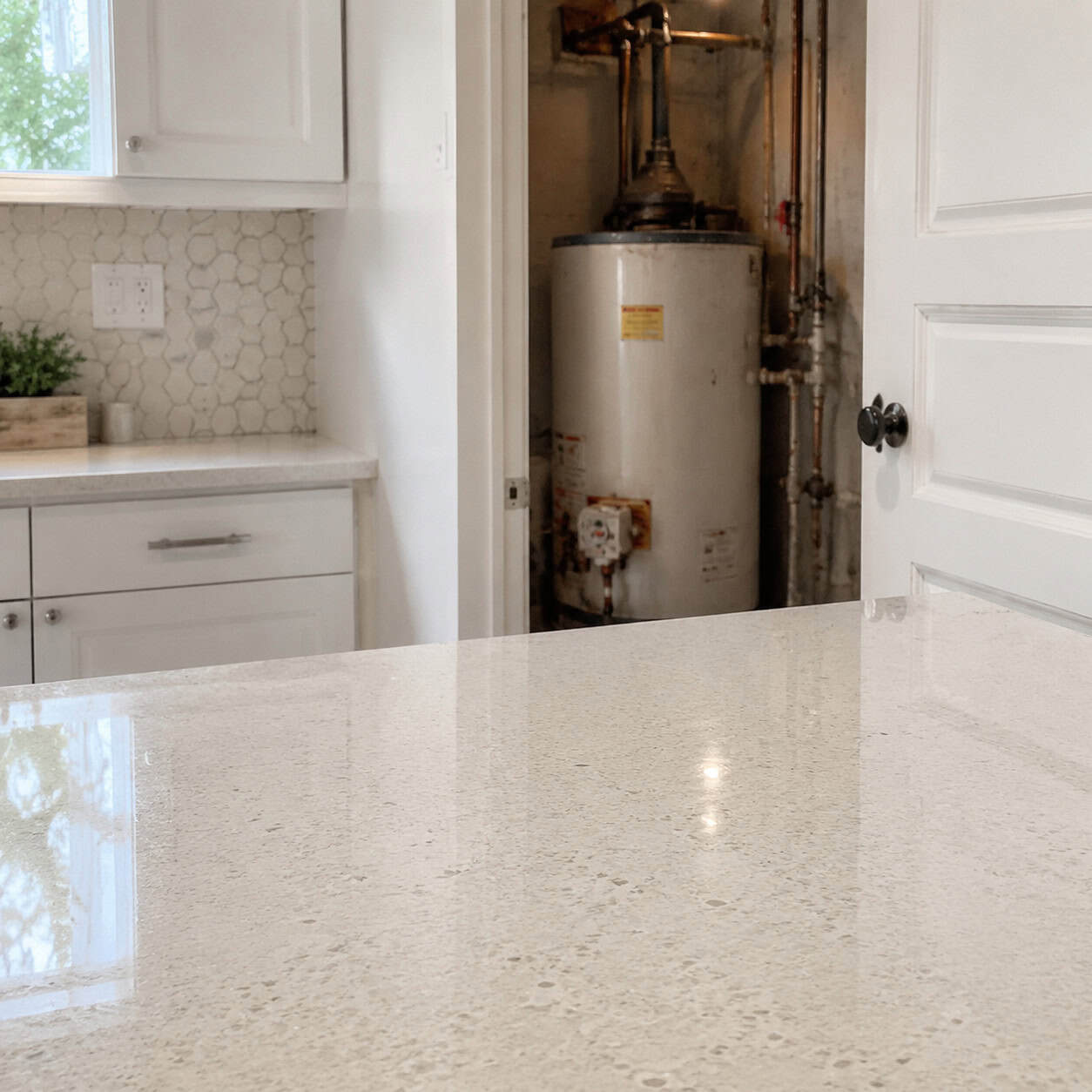
Granite and quartz sell a kitchen the instant a buyer walks in. That’s precisely why the money goes there.
A gleaming slab draws the eye and holds it — away from the roof, the panel, the water heater, and the plumbing that quietly went untouched.
It’s the “money on what shows” principle in one glossy surface. New counters aren’t a bad thing. But when the counters are the most impressive thing in the house by a mile, ask yourself where the rest of the renovation budget went. It didn’t vanish. It just went somewhere you can see.
22. Doors and Windows That Don’t Close Right
Fresh trim paint and new hardware can dress up a door. They can’t make it hang straight.
A door that won’t latch, a window that won’t seal, a gap that’s wider at the top than the bottom — these are the fingerprints of a house that has moved.
One sticky door in a humid month is nothing. Several across the house is a pattern, and the pattern points to settling, framing movement, or old water damage that no cosmetic layer touched. Huge Handyman treats repeated sticking doors as a structural warning.
Open and close every interior door. Latch every window. Watch for gaps that taper. The house is telling you which way it’s shifting.
23. Shiny Appliances Beside an Untouched Panel
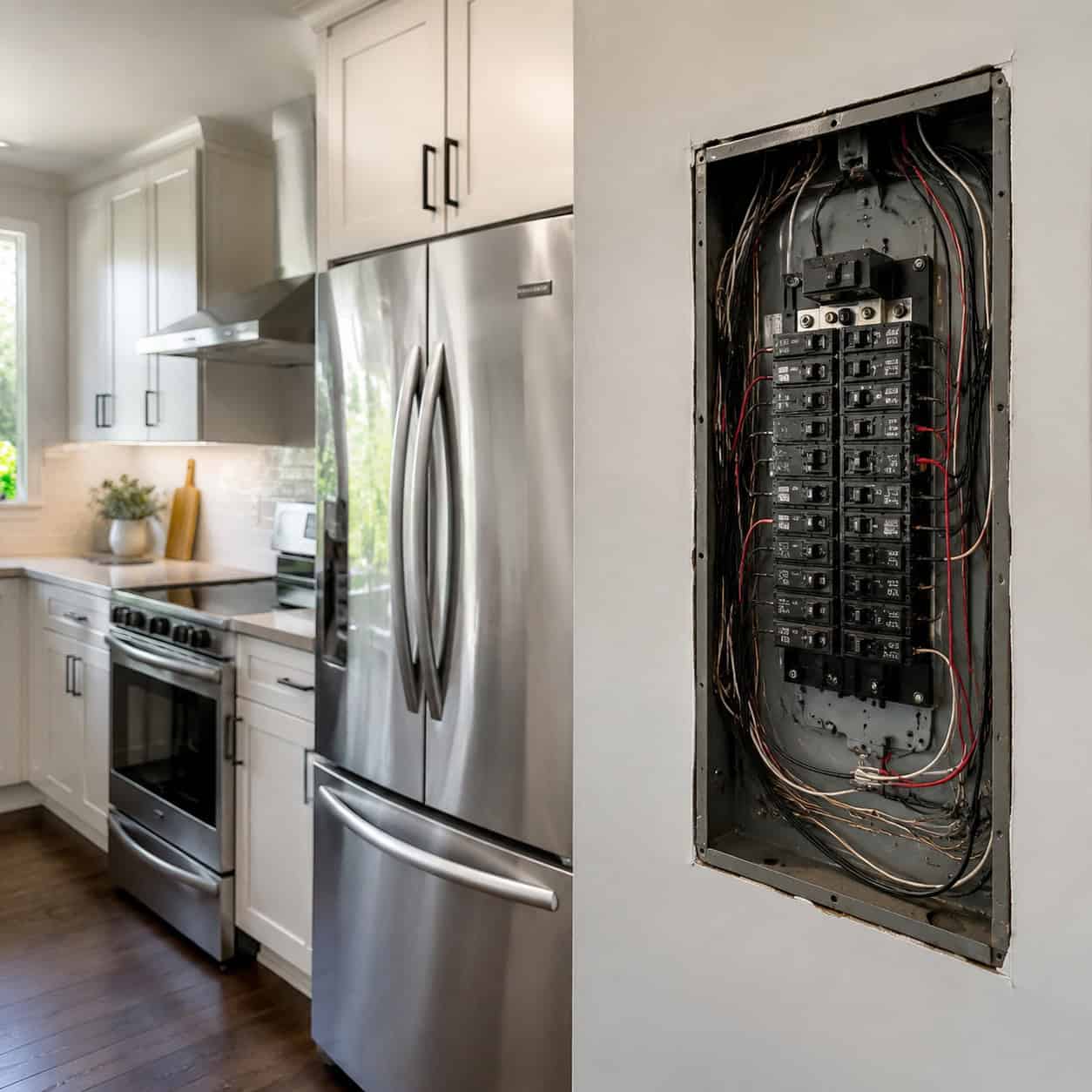
Stainless range, matching fridge, farmhouse sink, subway tile. And eighteen inches away, an electrical panel from the Nixon administration.
The kitchen got the flip’s entire personality. The panel feeding it got ignored.
New appliances draw amps the old service was never sized for. An undersized, outdated, or recalled panel next to a showpiece kitchen is the whole theme of this list compressed into one room — the visible got the money, the infrastructure got skipped. 1260 Sagewood makes the same point about invisible systems in flipped homes.
Find the panel. Read the brand and the amperage. Look for anything labeled a known problem brand, double-tapped breakers, or a 100-amp service straining under a modern all-electric kitchen. A dream kitchen wired to a panel that can’t carry it isn’t a dream. It’s a project.
24. Expansion Foam in Basement Walls and Sill Plate
Here’s a quieter one that inspectors catch and buyers walk right past.
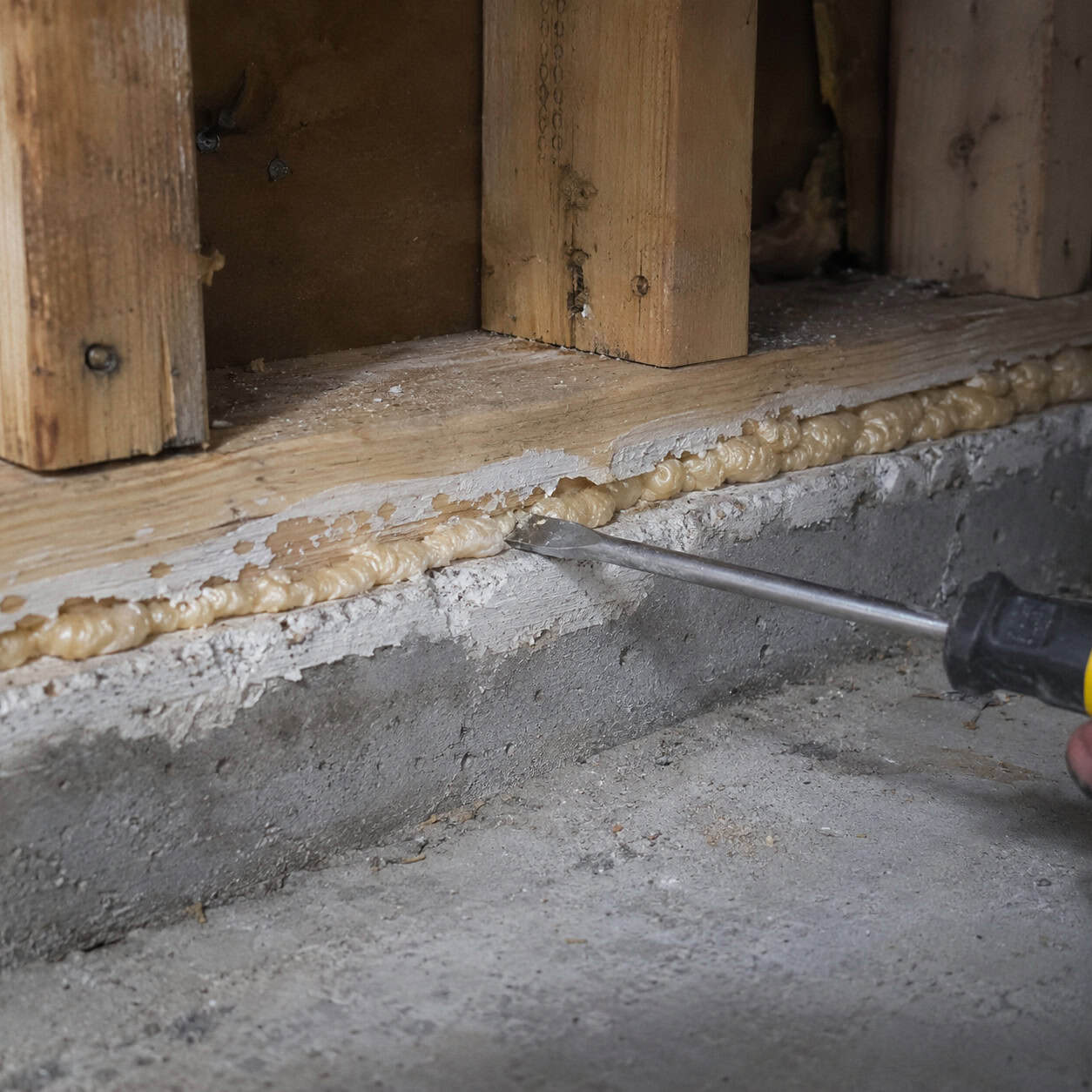
Spray expansion foam is meant for air-sealing and insulating small gaps. It is not a repair for a cracked foundation or a leaking sill plate — but flippers use it that way, gunning foam into cracks and calling the basement sealed.
Foam plugs a gap. It carries no structural strength, and water will simply find a new path around it.
Scan basement walls, rim joists, and the sill plate where the wood framing meets the concrete for lines of tan or yellow foam, especially foam that’s been trimmed flush or painted over to blend in. Foam hiding a crack is a cover-up dressed as an energy upgrade. Chip a bit of it out with a screwdriver and look at what it was covering.
Conclusion
Every trick on this list follows one rule: spend where the camera looks, skip where it doesn’t.
That’s not always fraud. Plenty of honest renovations put money into finishes. But a flip that’s all surface and no system leaves the expensive problems — foundation, roof, wiring, plumbing, drainage — sitting exactly where they were, now wearing a fresh coat of paint.
None of this means walk away from every flip. It means hire your own inspector, run every faucet, open every cabinet, smell every room, and pull up that Google Street View before you tour. A private inspection is one of the cheapest insurance policies you’ll ever buy — the pros at InspectorPro Insurance note that flipped homes carry a distinct set of risks worth checking for by name.
A beautiful house is easy to make. A sound one is expensive. Learn to tell which one you’re standing in.