

This tip comes from Jodee at Inspire Woodcraft.
It’s a smart, affordable method for removing surface rust from diamond plates, hand tools, and cast-iron machine tops—without damaging the surface underneath.
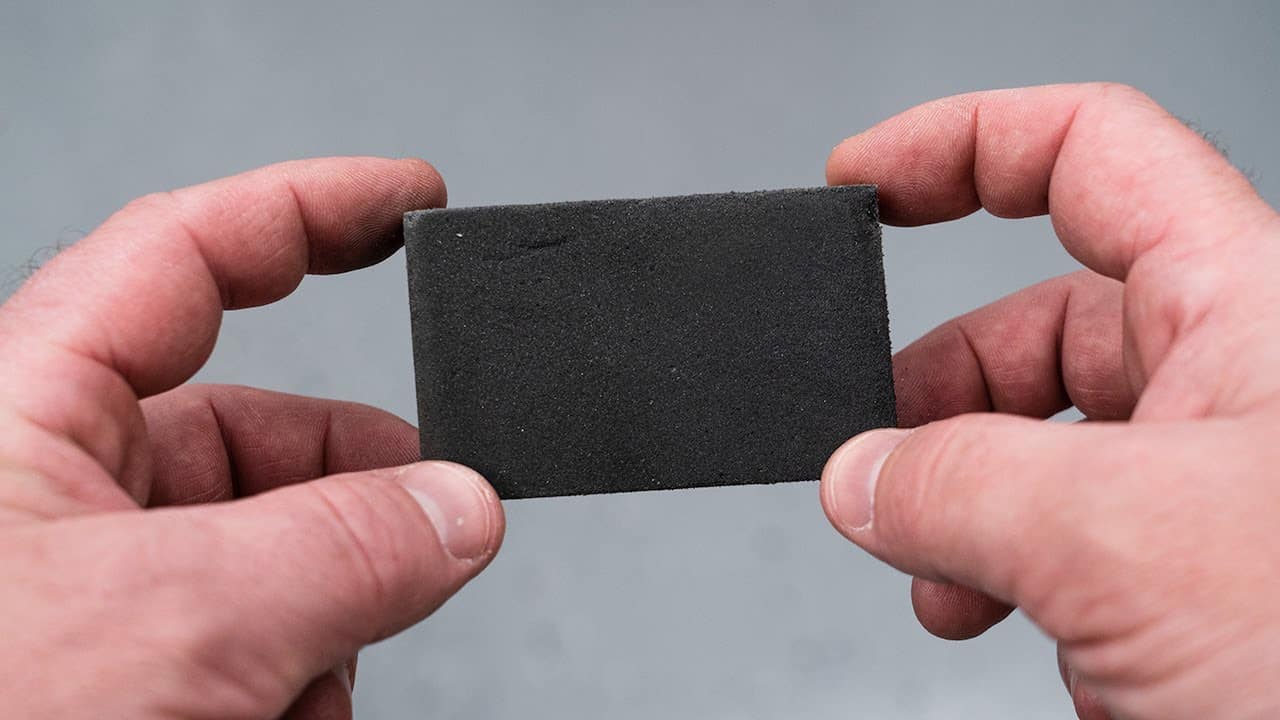
Instead of reaching for harsh chemicals or power tools, Jodee recommends a surprisingly effective solution: SandFlex abrasive hand blocks. They’re flexible, forgiving, and great for quick maintenance in any woodworking or metal shop.
Watch the full video and subscribe to Jodee’s channel:
Why Surface Rust Is Worth Addressing
Rust is almost unavoidable in a workshop. Even when you’re diligent about drying tools and storing them properly, metal surfaces can still develop small patches of oxidation.
Over time, that surface rust can make diamond plates less effective or cause pitting on tool surfaces. Taking care of it early keeps your tools performing well and extends their usable life.
What Are SandFlex Blocks?
SandFlex hand blocks are flexible abrasive erasers made by Klingspor. Unlike typical sanding sponges that lose grit from the surface, SandFlex blocks have grit embedded throughout the material—so they keep cutting as they wear down.
They’re soft enough to use on detailed or textured surfaces, like diamond plates, without flattening or damaging the pattern. They come in coarse, medium, and fine grits, and a full set usually costs around $13–14.
How They Work
Think of using a SandFlex block like rubbing out pencil marks with a heavy-duty eraser—only instead of graphite, you’re erasing rust.
The medium grit is usually the best starting point. It removes oxidation quickly while preserving the finish underneath.
For lighter surface tarnish or final polishing, the fine grit provides a smoother result.
As you work, the block creates a dusty residue similar to eraser shavings. Wiping this off regularly helps you monitor progress and keeps the surface clean.
How to Use Them Effectively
There’s no complicated process here. You don’t need solvents or special setups—just a clean, dry surface and a bit of time.
Start by brushing off any loose debris from the surface. Use the medium grit SandFlex block and rub over the rusted area using even pressure. The block will conform to the surface texture, especially useful for diamond sharpening plates.
For shallow grooves or uneven metal textures, rock and roll the block slightly to reach into the details. Once the rust is gone, wipe the surface clean and finish with the fine block if needed.
The key is to let the abrasive do the work. There’s no need for aggressive pressure—just a consistent back-and-forth motion over the affected area.
Other Uses Around the Shop
While this tip focuses on diamond plates, SandFlex blocks are useful across a wide range of surfaces:
- Cast-iron table saws, jointers, and bandsaw tops
- Removing oxidation from hand tools and clamps
- Light prep before waxing tool surfaces
- Cleaning spots prior to taping, finishing, or painting
- Restoring the appearance of hardware without changing its shape
They’re especially valuable when you want to clean metal without removing too much material or dulling the surface geometry.
Preventing Rust After Cleanup
Once your surface is clean, a few shop habits can help keep rust from returning:
- Dry tools thoroughly after rinsing or sharpening
- Let plates and tools air-dry in a well-ventilated area
- Apply paste wax or a rust inhibitor to cast-iron surfaces
- Store in a low-humidity environment when possible
- Keep a SandFlex block within reach for quick touch-ups
For shared shops, it can be helpful to label which grit you use for certain tasks. This keeps the right tool available and avoids mixing up blocks during different jobs.
Alternatives for Heavier Rust
SandFlex blocks are ideal for light to moderate rust removal. If you’re dealing with heavier corrosion or pitting, other options may be more appropriate:
- Wire brushes or rotary tools can remove deeper rust but risk damaging the surface if used carelessly
- Chemical rust removers dissolve oxidation but may require rinsing and neutralizing afterward
- Steel wool or scuff pads are effective but can leave scratches or residue behind
For ongoing maintenance, though, SandFlex is a safer and easier option.
Affordable and Widely Available
You can find SandFlex blocks online or in many woodworking and metal supply stores. A full set of three (coarse, medium, fine) typically runs under $15.
That makes it a smart addition to any shop—especially if you work with tools, sharpening systems, or cast iron regularly.
Jodee links to the product in the video description, and it’s the same version he personally uses on his own equipment. (Product link: https://lddy.no/of45)
A Simple Shop Habit That Pays Off
The best part of this tip is how easy it is to adopt. It takes just a few minutes to clean up a tool or plate, and no special training is required.
If you’re not already using something like this in your shop, it’s worth trying. It’s fast, inexpensive, and effective—an all-around practical fix for a common problem.
Support Jodee by visiting his online store here: https://inspirewoodcraft.com/collections/all.

Matt’s Take
These are my personal thoughts and tips based on my own experience in the shop. This section is not written, reviewed, or endorsed by the original creator of this project.
I keep a set of these SandFlex blocks in my shop and they’re genuinely handy to have around. The key thing Jodee demonstrates here is that you don’t need to get aggressive with rust removal — these blocks do the work with just moderate pressure. I’ve found the medium grit handles most situations, and you can always step down to fine for a cleaner finish.
One safety note worth mentioning: always work in good light so you can see your progress clearly. It’s easy to overdo it if you can’t tell how much rust you’ve already removed. Also, that dust residue these blocks create can be pretty fine, so having some ventilation or working near an open door is smart.
The flexibility is what really sets these apart from regular sandpaper or steel wool. They conform to textured surfaces like diamond plates without flattening the pattern, which is crucial for maintaining your sharpening setup. For $13, it’s one of those simple tools that just makes sense to have on hand.
Pro tip: label your blocks by grit if you’re using them regularly. Nothing worse than grabbing what you think is fine grit and discovering it’s coarse when you’re doing detail work on a nice hand plane.