

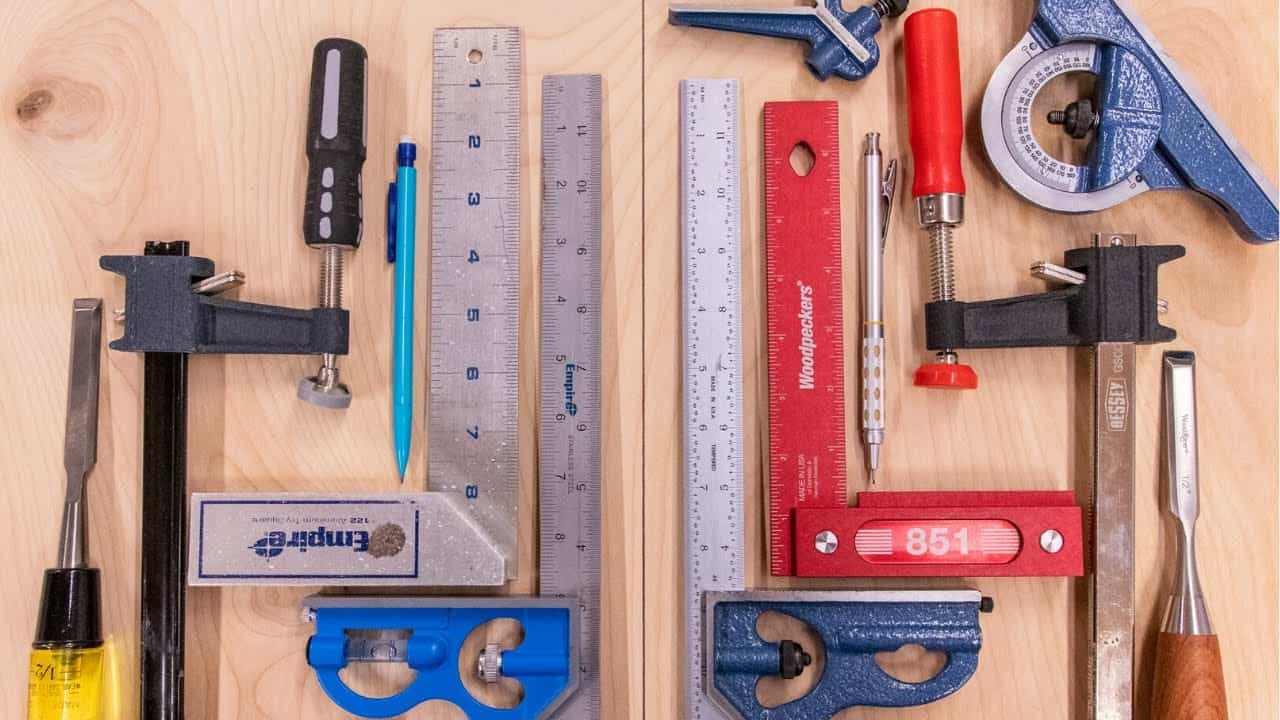
Jodee from Inspire Woodcraft shared the woodworking tips featured in this video.
The video examines whether upgrading from inexpensive, box-store tools to higher-end alternatives is necessary or simply a luxury, and it uses side-by-side comparisons to illustrate where spending more pays off and where it does not.
The discussion balances practical trade-offs—accuracy, durability, and workflow improvements—against learning value and the realities of budget-minded makers.
Watch the full video and subscribe to Inspire Woodcraft:


Why this comparison matters
The conversation matters because tools shape both the quality of work and the learning curve for new woodworkers. Choosing the right balance between cost and capability affects how quickly parts are laid out, cut accurately, and ultimately finished.
Jodee frames the debate as neither strictly pro-expensive nor pro-cheap, but rather about matching tool choices to goals—whether learning, DIY projects, or professional production.
Tool-by-tool takeaways
Mechanical pencils
A simple, inexpensive click pencil can be replaced by a heavier, better-engineered mechanical pencil with a finer, more precise barrel and a retracting tip. The upgrade reduces broken lead, improves access in tight spots, and adds small conveniences that speed layout work and feel nicer to use.
For hobbyists on a tight budget, disposables work fine, but those who value repeatability and comfort may find the modest investment worth it for daily use.
F-style clamps
Cheap F-style clamps are available by the dozen and are useful en masse, but they can suffer from inconsistent fit, bent rails, and poor thread quality that require careful handling. Higher-quality clamps offer tighter tolerances, smoother threads, and a positive clamping feel that saves time and frustration during glue-ups.
Keeping inexpensive clamps for bulk clamping and reserving a few reliable, higher-end clamps for critical setups is a practical compromise for most shops.
Chisels
Entry-level chisels can be tuned and sharpened to perform well for general work, but softer tool steel demands more frequent sharpening and can cause fatigue during fine detail work. Higher-quality chisels use harder steel and better handles, which retain an edge longer and reduce the time spent maintaining tools.
Those who do a lot of handwork or value efficiency will benefit from the upgrade, while people practicing sharpening and fundamental technique will still learn much using affordable sets.
Try squares and layout tools
A basic square can be “square enough,” yet design details matter: a well-made square with a registration lip and consistent graduations provides repeatable layout reference points and prevents the sliding and tipping problems seen with cheaper models. Small design improvements often translate to fewer layout mistakes and less wasted material.
For critical work where consistent registration is required, investing in a square that fits the workflow pays off quickly in accuracy and confidence.
Combination squares and the wear factor
Stamped aluminum-head combination squares are common and inexpensive, but the softer head wears against harder steel rules and can drift out of square over time. Cast iron or machined heads paired with a machined ruler resist wear, allow for replacement rulers, and hold accuracy longer with less tuning.
Jodee highlights that understanding how to tune cheap squares can extend their usefulness, but tallying the cost and time spent replacing and adjusting tools over years can justify buying a higher-quality model upfront.
Specialty layout jigs and marking tools
Tools like dual marking gauges or saddle T-squares are examples where a purpose-built tool can replace several general-purpose tools and deliver faster, more repeatable results.
These tools shine in production-style tasks where consistency matters across many parts.
Upgrading for workflow gains is defensible when a single tool dramatically reduces setup time and improves repeatability across repeated operations.
Who should upgrade—and when
Beginners on a budget can learn valuable skills using lower-cost tools, including troubleshooting, tuning, and workarounds that deepen understanding of the craft. However, early struggles sometimes mask whether errors are user technique or tool limitations, which can be discouraging.
DIYers making simple projects may never need premium tools, while professionals or serious hobbyists who want consistent accuracy, faster turnaround, and less maintenance will often see a return on investment.
The decision comes down to priorities: learning, cost-savings, or production efficiency.
Overall takeaways
The video’s conclusion is that there isn’t a one-size-fits-all answer—makers are not being tricked into buying better tools, but they should buy strategically.
Choosing which tools to upgrade depends on whether the improvements translate to more accurate work, less time sharpening or tuning, and greater enjoyment in the shop.
Adopting a mixed approach—keeping inexpensive tools for bulk tasks while investing in higher-quality versions of the most-used, accuracy-critical tools—offers a balanced path for most woodworkers.
Support Jodee by visiting his online store here: https://inspirewoodcraft.com/collections/all.

Matt’s Take
These are my personal thoughts and tips based on my own experience in the shop. This section is not written, reviewed, or endorsed by the original creator of this project.
Jodee’s approach here really resonates with how I think about tool buying. The key insight is that we’re not getting “tricked” into buying expensive tools — we’re just not always strategic about when upgrades actually matter. A $5 pencil that keeps breaking lead during layout work can cost you way more than $5 in frustration and wasted time, but you don’t need a premium chisel set if you’re just learning to cut your first mortise.
The wear factor on combination squares is something I see all the time. Those cheap stamped heads literally wear grooves where they slide on the rule, and suddenly your “square” is giving you different readings depending on where you position it. It’s one of those tools where spending $40 instead of $12 can save you years of headaches and questionable measurements.
What I really appreciate about this comparison is the honest look at learning value. Sometimes struggling with a cheaper tool teaches you things about technique and problem-solving that you’d miss with a premium version. The trick is knowing when that struggle is productive learning versus when it’s just making your work harder than it needs to be. For most of us, a mixed approach works best — buy cheap to learn, then upgrade the tools you use most once you know what good performance actually feels like.