

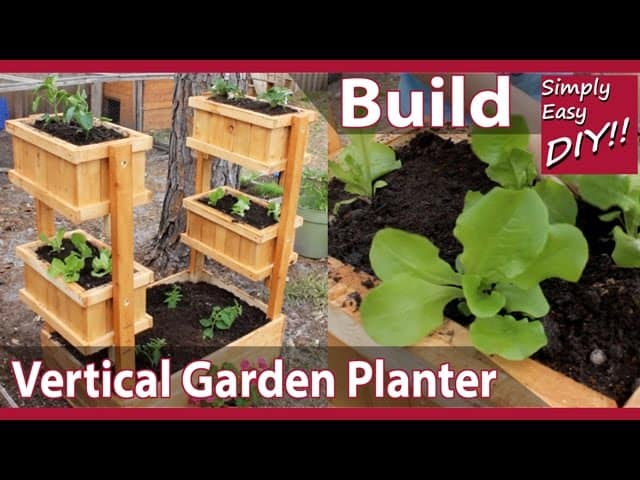
This project was built and designed by Stan Sullivan from Simply Easy DIY. It’s a modular, space-saving vertical planter that’s perfect for balconies, patios, and small backyards.
Stan’s design focuses on simplicity, durability, and versatility. With its easy-to-move structure and smart construction, this planter system helps maximize growing space while offering gardeners a flexible and low-maintenance solution.
Watch the full video and subscribe to Stan’s channel:
Why Vertical Gardening Makes Sense
Vertical planters make the most out of limited outdoor space. Whether you live in an apartment, condo, or small urban home, going vertical allows you to grow herbs, vegetables, and small fruits without needing a large plot of land.
By concentrating your garden in a compact footprint, you’ll spend less time bending, watering, or weeding. It’s a smart strategy for anyone wanting to grow food efficiently in tight spaces.
Inspiration from Fellow Gardeners
Stan was influenced by Julianne from the Dirt Patch Heaven channel, who deals with poor soil conditions in her garden. In her case, traditional in-ground growing just doesn’t work, so she relies on raised containers, cardboard planters, and moveable planting systems.
Julianne also highlighted the need for flexibility. In colder climates, certain plants like figs or kiwis need to be brought indoors or into greenhouses to survive the winter. Stan’s design answers that need with a modular system that’s easy to move and reconfigure as seasons or needs change.
Key Features of the Planter Design
Stan’s vertical garden planter is made from common, affordable lumber such as pine or cedar. It’s designed to be functional without unnecessary complexity, using basic joinery and durable fasteners to keep everything in place.
Each planter box stacks on ledges that are attached to upright posts. The boxes can be lifted off, rearranged, or brought indoors when needed. It’s a system that offers gardeners real control over their setup.
Drainage holes are built into each box, allowing water to escape and keeping roots healthy. The structure is sturdy but also designed to be partially disassembled for storage or relocation.
Step-by-Step Build Overview
The build begins with a strong base made from 2×3 boards. This platform provides a stable foundation for the vertical supports and keeps the structure upright, even when fully loaded with soil and plants.
Planter boxes are assembled from 1×6 or similar stock. They’re glued and screwed together using weather-resistant adhesive and exterior screws. Stan keeps things simple, using common cuts and avoiding overly technical joinery to make the project beginner-friendly.
To make consistent ledge cuts without measuring every time, Stan uses a clever trick—aligning two boards of equal thickness against a third to mark the exact overhang. This technique speeds up the process while improving accuracy.
Once the boxes are finished, ledges are attached to the vertical posts. The boxes rest securely on these supports and are held in place with bolts, which makes them easy to remove and reposition.
Adapting to Cold Climates
For gardeners in colder regions, the modular design offers a major advantage. Individual boxes can be brought indoors or into a greenhouse during the winter, keeping plants alive and extending the growing season.
Because the entire structure fits through a standard door frame, the full unit can also be moved inside if needed. That kind of flexibility is rare in garden builds and makes this planter ideal for anyone facing harsh seasonal shifts.
Gardening Without Good Soil
Julianne’s approach to growing in poor soil inspired Stan to build a system that works independently of what’s beneath your feet. Each box can be filled with high-quality compost, potting soil, and organic amendments, allowing you to control plant nutrition and moisture without relying on native ground conditions.
This setup is especially valuable in places with rocky, sandy, or even toxic soil. With raised boxes, you get a clean start in every tier.
Tips for Successful Vertical Gardening
- Choose compact or trailing plants like herbs, greens, strawberries, or bush tomatoes.
- Place your planter where it gets 6–8 hours of sun per day.
- Use mulch or compost to retain moisture in each box.
- Water consistently—vertical gardens tend to dry out faster than traditional beds.
- Rotate plant boxes occasionally to balance sun exposure.
Building for Function and Flexibility
Stan’s project isn’t just about saving space—it’s about creating a long-term gardening solution. Every part of the planter is replaceable, adjustable, and designed with maintenance in mind.
With just a few boards and some simple tools, gardeners can build a system that makes fresh produce more accessible year-round. Whether you’re growing for yourself, your family, or just enjoying the process, this planter provides a smart way to get started.
Get Stan’s plans here: https://www.simplyeasydiy.com/2016/02/vertical-garden-planter.html.

Matt’s Take
These are my personal thoughts and tips based on my own experience in the shop. This section is not written, reviewed, or endorsed by the original creator of this project.
Stan’s approach to building these vertical planters really highlights how thoughtful design can solve multiple problems at once. The modular system is brilliant—being able to lift individual boxes off their ledges means you can rotate crops, move struggling plants to better light, or even rearrange the whole setup as your garden evolves. That kind of flexibility is something you don’t get with most built-in garden structures.
From a woodworking perspective, I appreciate how Stan keeps the joinery simple but effective. Using exterior screws and weather-resistant glue on basic butt joints makes this accessible to beginners while still creating a durable structure. The trick of using two boards to mark consistent ledge cuts is the kind of shop shortcut that saves time and improves accuracy—definitely worth remembering for any project where you need repeatable measurements.
One thing to consider with outdoor planters is wood selection and protection. Pine will work fine if you’re planning to bring these indoors seasonally, but if they’ll live outside year-round, cedar or a good exterior finish becomes more important. Also worth noting that drainage is critical—those holes in the bottom aren’t optional. Standing water will rot both your plants and your carefully built boxes pretty quickly.
The beauty of this design is that it scales with your needs and skill level. Start with one or two boxes to test your setup, then add more tiers as you figure out what works best in your space.