

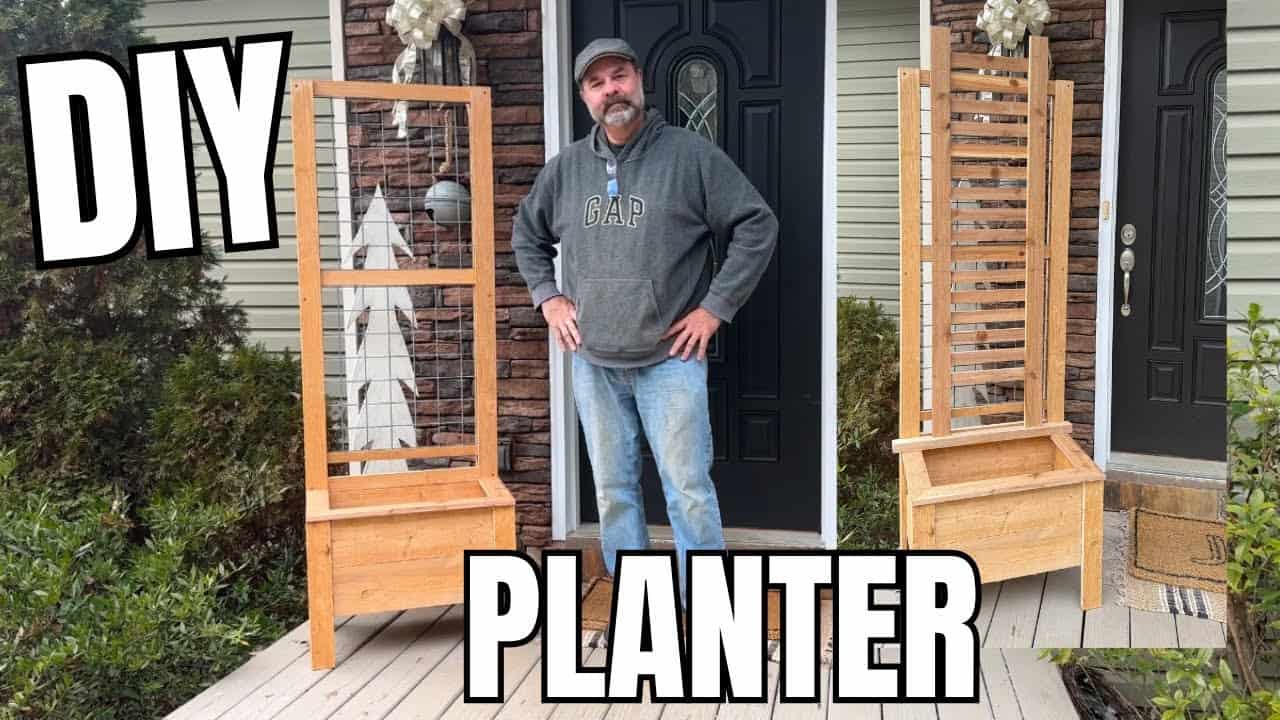
This woodworking project was built and designed by Joe Heide from Woodworkers DiyLemma. It’s a perfect addition to your outdoor space, combining the charm of a planter box with the functionality of a trellis for climbing plants.
If you enjoy practical and attractive garden projects, make sure to visit Joe’s YouTube channel, Woodworkers DiyLemma, for more detailed woodworking tutorials.
Watch the full video and subscribe to Joe’s channel:
Why Add a Planter Box and Trellis to Your Garden?
A planter box combined with a trellis is ideal for gardeners who want to grow climbing plants like tomatoes, cucumbers, peas, or flowers. This setup optimizes vertical gardening space, allowing plants to flourish while keeping your garden organized and visually appealing.
Additionally, a planter-trellis combo serves as a beautiful focal point in your yard, patio, or balcony. It’s a functional piece that also enhances the overall aesthetic of your outdoor space.
Choosing the Right Materials
Joe recommends using durable hardwood or pressure-treated wood to build the planter box and trellis structure. Selecting the right type of wood is important for ensuring that your project withstands outdoor weather conditions.
Proper wood choice not only provides long-term durability but also enhances the natural beauty of your garden. Good quality wood ensures the planter and trellis remain stable and attractive for years.
Preparing and Cutting the Wood
The project begins by preparing your materials, cutting fence pickets or boards to size for the planter box. Taking precise measurements ensures your planter base is both sturdy and well-aligned.
Joe emphasizes accuracy when cutting and assembling the pieces, as this ensures a solid build. Spending extra time measuring and preparing the wood helps create a seamless assembly process.
Building the Planter Base
Joe carefully constructs the planter box, assembling each side securely using outdoor-rated screws. He pre-drills holes to avoid splitting, a particularly important step when working with softer woods like cedar or pine.
Clamps are used to keep all parts properly aligned during assembly, ensuring the box remains square and stable. Joe’s attention to detail during this step ensures long-lasting durability and professional results.
Incorporating the Trellis Component
For the trellis, Joe integrates hog wire fencing into the design, providing sturdy and practical support for plants. He cuts the wire mesh carefully to size, ensuring a neat and secure fit within the planter structure.
This trellis system provides ample support for a variety of climbing plants, making it versatile and highly functional. Joe’s method ensures plants grow vertically with plenty of airflow, improving overall plant health.
Final Assembly and Finishing Details
During the final assembly, Joe adds additional details like drainage holes and decorative trim to enhance both functionality and aesthetics. These small details improve drainage and personalize the planter box to fit any style.
Checking carefully for stability throughout the process ensures the finished structure is robust enough to handle heavy plant growth. Taking this extra care provides peace of mind and enhances the longevity of your planter and trellis.
Tips for Successful Completion
Joe provides several helpful tips throughout his build, including pre-drilling holes to prevent wood splitting and using waterproof glue for added strength. He also recommends taking your time during assembly to ensure proper alignment and durability.
Following these straightforward suggestions helps ensure your planter box and trellis look great and perform well season after season. Patience and attention to detail are key to achieving professional-quality results.
Why You’ll Love This Project
A planter box and trellis combo not only maximizes your gardening potential but also creates a visually striking addition to your outdoor living space. Joe’s practical approach makes this project accessible to woodworkers of all skill levels.
This woodworking build is particularly rewarding, providing a beautiful spot to showcase your favorite plants and flowers. It’s an ideal weekend project that significantly enhances both the functionality and charm of your garden.
Watch Joe’s Full Build
Watch the full video and subscribe to Joe’s channel:

Matt’s Take
These are my personal thoughts and tips based on my own experience in the shop. This section is not written, reviewed, or endorsed by the original creator of this project.
This type of outdoor project really highlights the importance of material selection when you’re building for the elements. Cedar and pressure-treated lumber are both solid choices, but I always remind folks that even pressure-treated wood benefits from a good coat of exterior wood finish to really extend its life. The moisture cycling from watering plants can be tough on any wood over time.
Joe’s emphasis on pre-drilling is spot-on, especially with fence pickets which can split easily near the ends. When working with softer woods like cedar, I like to use a drill bit that’s slightly smaller than the screw shank to get a good bite without risking splits. And those clamps during assembly? Absolutely essential for keeping everything square — nothing’s more frustrating than a wonky planter box.
The hog wire approach for the trellis portion is smart and cost-effective. Wire mesh gives you that grid pattern that climbing plants love, and it’s much more affordable than building a traditional wooden lattice. Just make sure to wear gloves when handling the wire — those cut ends can be sharp. A quick pass with a file on any rough edges will save your hands and your plants from snags.
One thing I always consider with planter projects is drainage. Plants hate sitting in waterlogged soil, so don’t skip those drainage holes. A simple ½-inch bit works great, and spacing them every 6-8 inches along the bottom ensures good water flow without compromising the structure.