

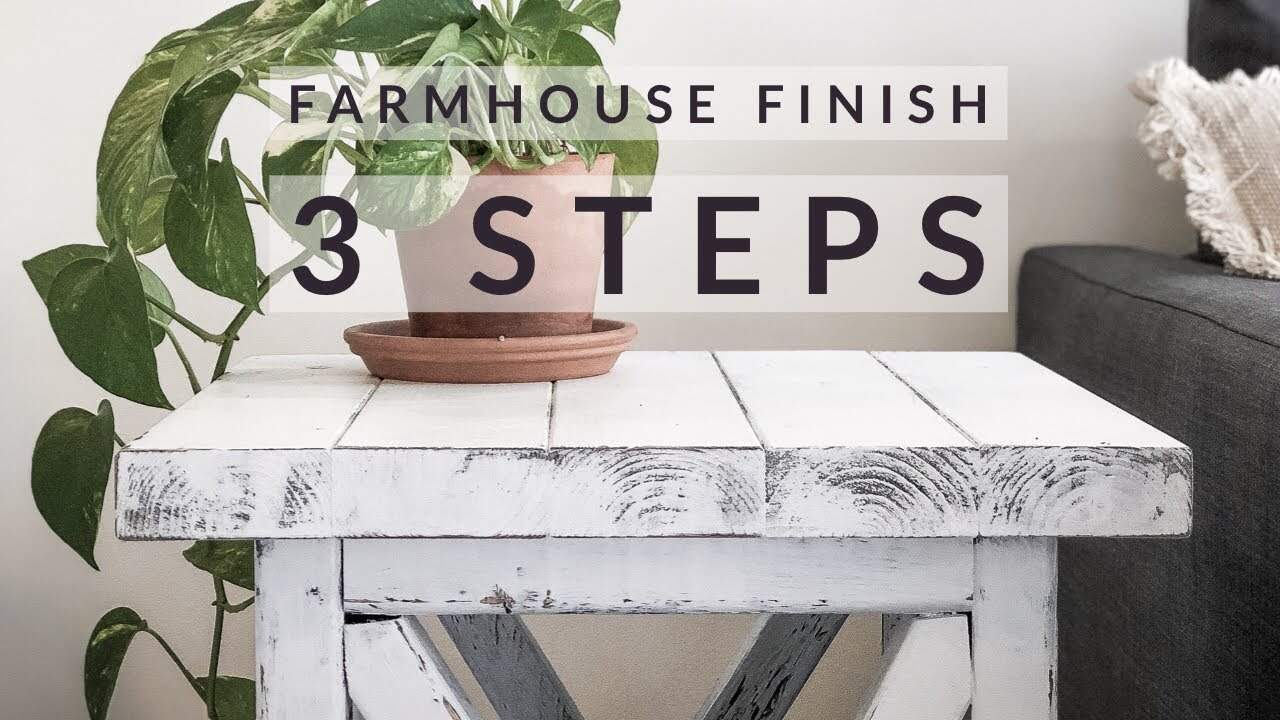
This finishing technique was built and demonstrated by John Dolechek. It’s an easy way to give any wood furniture a weathered, rustic look using just three steps—no advanced tools or experience required.
If you’ve ever admired the charm of farmhouse-style furniture, this method helps you recreate that effect with a natural, hands-on approach. The finish can be applied to everything from coffee tables to shelves or end tables.
Watch the full video and subscribe to John’s channel:
Step 1: Apply a Base Stain
Begin by preparing the surface of your wood project, sanding it smooth and wiping away any dust. Apply a generous coat of classic wood interior stain to give the piece a warm, even tone.
The stain helps create a solid foundation that will peek through once the final layers are distressed. John demonstrates how both a rag and a brush can be used, with no strict rules for application.
Be sure to cover all areas, especially edges and corners. Once the entire surface is coated, allow at least 12 hours for the stain to dry completely.
Step 2: Light Paint Layer
The next step is applying a light coat of paint over the stain. This layer forms the visible top coat and plays a big role in achieving that distressed farmhouse look.
Use a brush to apply the paint, but don’t worry about covering every inch perfectly. Gaps and streaks will actually add to the rustic effect later on.
Avoid heavy brush marks and keep the paint layer relatively thin. Once the surface is fully covered, let it dry for another 12 hours before sanding.
Step 3: Sand for a Distressed Look
After the paint dries, use 320 grit sandpaper to start distressing the surface. Focus on edges and corners, where natural wear would occur over time.
Light sanding reveals the stained wood underneath, giving the furniture a vintage, lived-in appearance. Adjust the amount of sanding based on how much character you want to show through.
Also sand lightly across flat surfaces to smooth the texture and blend transitions between paint and stain. Stop once you’re happy with the overall look and feel.
The Finished Look
The final result is a clean, rustic finish that works well with farmhouse, cottage, or vintage styles. It adds depth and personality to basic furniture and is highly customizable depending on your color choices.
This method can be adapted for a wide range of pieces and is forgiving enough for beginners. With just stain, paint, and sandpaper, you can give your woodworking projects a timeless and attractive finish.
Want to See It in Action?
Please support John by visiting his website here: https://johndolechek.myportfolio.com/.