

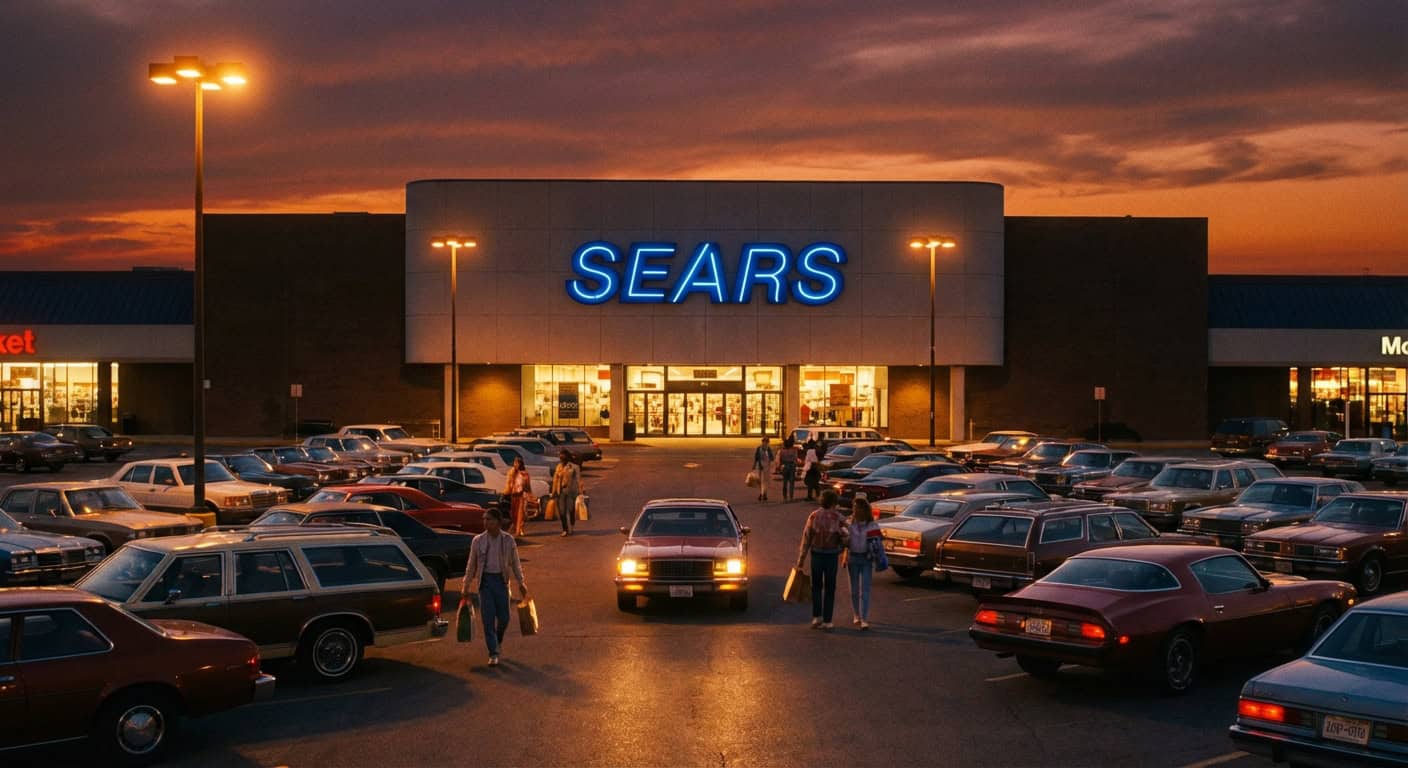
There was a time in America when you didn’t need a GPS to find the center of your community.
You just looked for the tallest building in the mall parking lot, crowned with those bold, blue letters: SEARS.
For over a century, Sears, Roebuck and Co. wasn’t just a retailer; it was a member of the family.
It was the place where you bought your first Sunday suit, your first set of wrenches, and the refrigerator that ended up lasting thirty years in the garage.
To see it vanish feels less like a business failure and more like losing a childhood home.
The story of Sears’s collapse is often told through spreadsheets and stock prices, but for those of us who grew up in its aisles, the story is much more personal.
It’s a story of a pioneer that forgot how to lead, a neighbor that stopped caring, and a giant that eventually sold its own soul.
The Magic of the Mail-Order Dream
Long before “clicks” and “delivery windows,” there was the heavy thud of the Sears Catalog landing on the porch.
For a child in the mid-20th century, that book—especially the winter “Wish Book”—was the most important piece of literature in the house.
It was a window into a bigger world.
You’d sit on the living room floor, dog-earing pages and circling toys with a red crayon.

For parents, it was a lifeline.
You could order a sewing machine, a winter coat, or even—in the early 1900s—a literal house kit delivered by rail.
Sears built America by promising that no matter how far you lived from the city, you deserved quality.
They invented the “Satisfaction Guaranteed” promise.
They earned our trust before they ever met us.
The Smell of Popcorn and the Weight of Steel
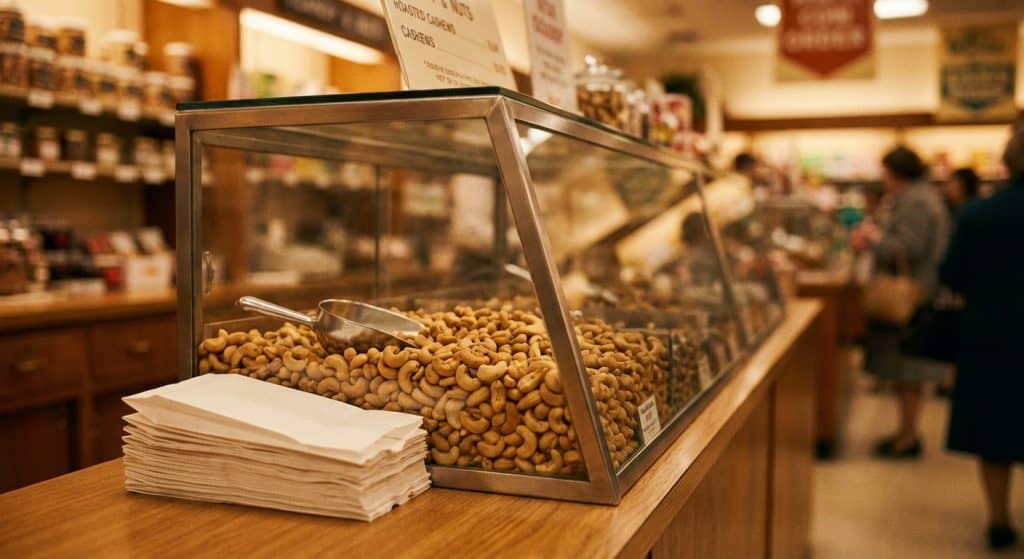
If you close your eyes, you can probably still remember the “Sears smell.”
It was a unique mix of roasted nuts and popcorn from the candy counter, mingling with the faint, metallic scent of the hardware department.
You’d walk in through the heavy glass doors, and there was a sense of order.
To the left, the gleaming white rows of Kenmore washers—the silent workhorses of the American laundry room.
To the right, the fashion department where your mother picked out back-to-school clothes.
But the real heart of the store for many was the tool department.
There was a specific weight to a Craftsman wrench.
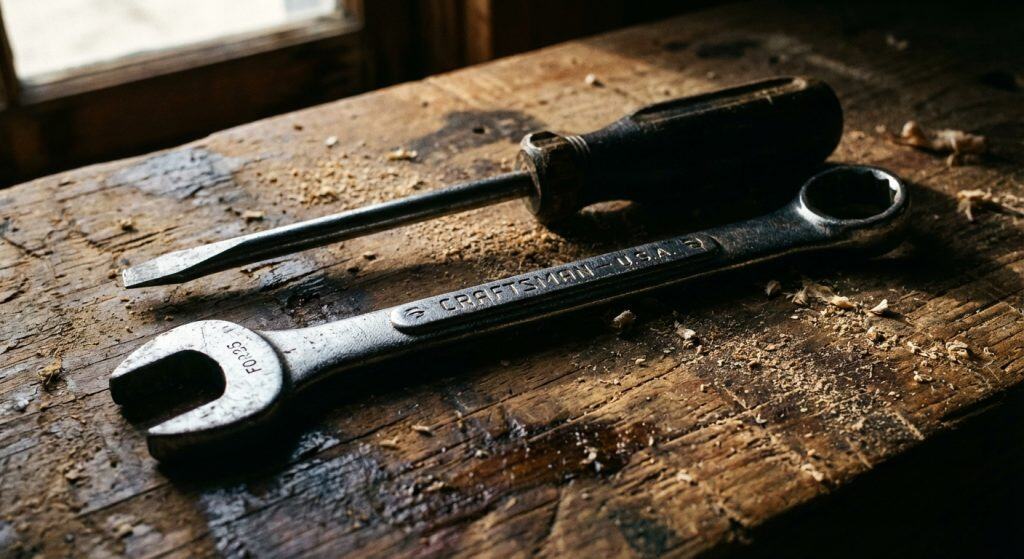
It felt substantial.
It felt American.
And it came with that legendary “No Questions Asked” lifetime warranty.
If you broke a flathead screwdriver prying something you shouldn’t have, you brought the pieces back to the counter, and the man in the Sears vest would hand you a brand-new one with a nod.
That wasn’t just a transaction; it was a pact.
A Walk Down Memory Lane: Do You Remember?
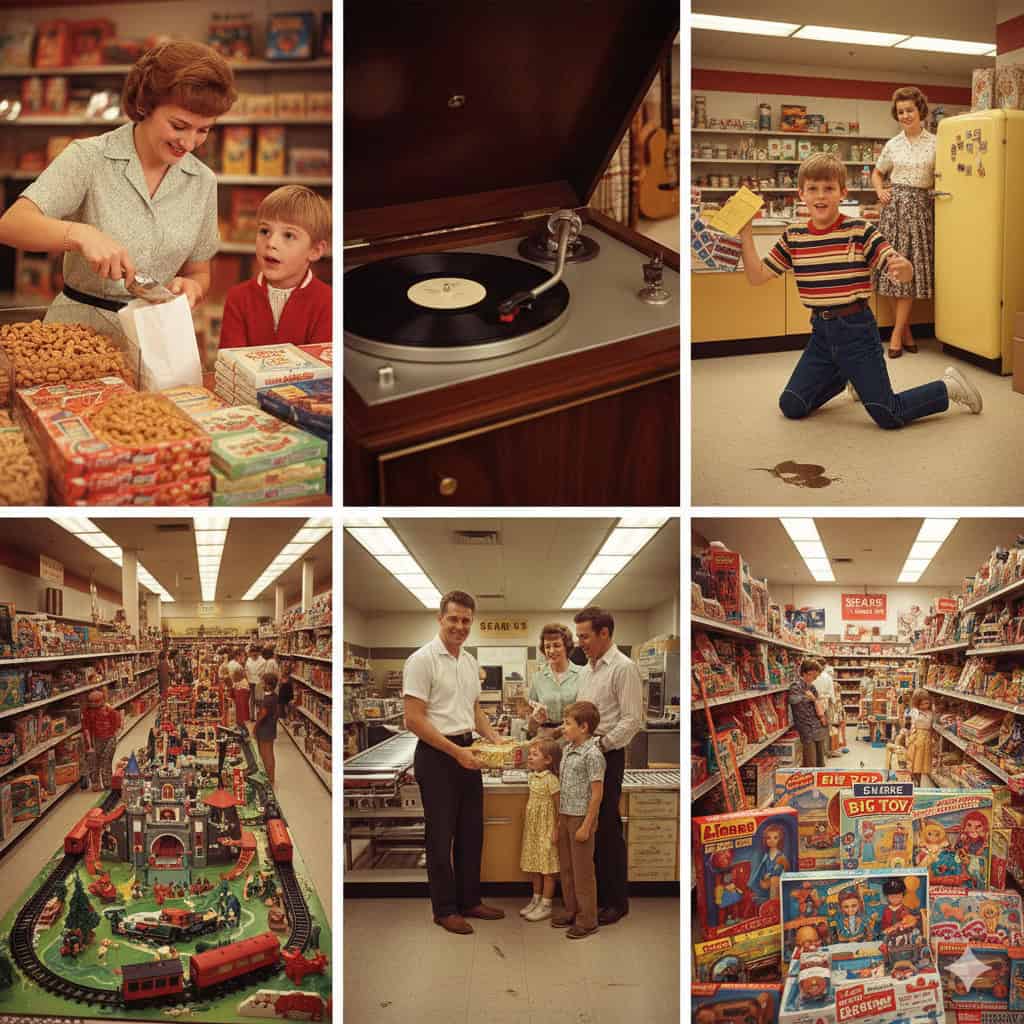
Before we look at the cracks in the foundation, let’s take a moment to remember the Sears experience at its peak.
If you grew up in the 50s, 60s, or 70s, these memories are likely etched into your mind:
- The Candy & Nut Counter: Many stores had a dedicated kiosk near the entrance. You knew you were being good if your mother finally stopped to buy a small white paper bag of warm cashews or a box of Fannie May candies.
- The “Toughskins” Test: Every kid of a certain era remembers the “Toughskins” jeans. They were reinforced with a mysterious, shiny material at the knees that made them practically indestructible. They were stiff, they were a little uncomfortable, and they lasted forever.
- The Catalog Pick-Up Window: Remember the excitement of handing over your yellow carbon-copy slip, and watching your items slide down a roller-track from the warehouse? It was the original “Click and Collect.”
- The Heavy Steel of the “Silvertone”: Before high-end home theaters, Sears had Silvertone televisions and record players encased in heavy, polished wood cabinets that were built like fine furniture.
- The “Big Toy” Aisle: The Sears toy department was a wonderland of Lionel trains, Marx playsets, and those iconic “Sears Exclusive” versions of GI Joe or Barbie that you couldn’t find anywhere else.
The Turning of the Tide: When the Giant Stumbled
So, what happened?
How does a company that literally owned the skyline of Chicago (the Sears Tower was once the tallest building in the world) simply fade away?
The decline didn’t happen overnight.
In the 1970s and 80s, the world started to move faster.
We saw the rise of the “Category Killers.”
If you wanted toys, you went to Toys “R” Us. If you wanted a hammer, you went to Home Depot.
If you wanted groceries and cheap towels, you went to Walmart.
Sears, meanwhile, tried to be everything to everyone and ended up being “not enough” for anyone.
The stores started to feel a little bit dated. The carpet got a little more frayed.
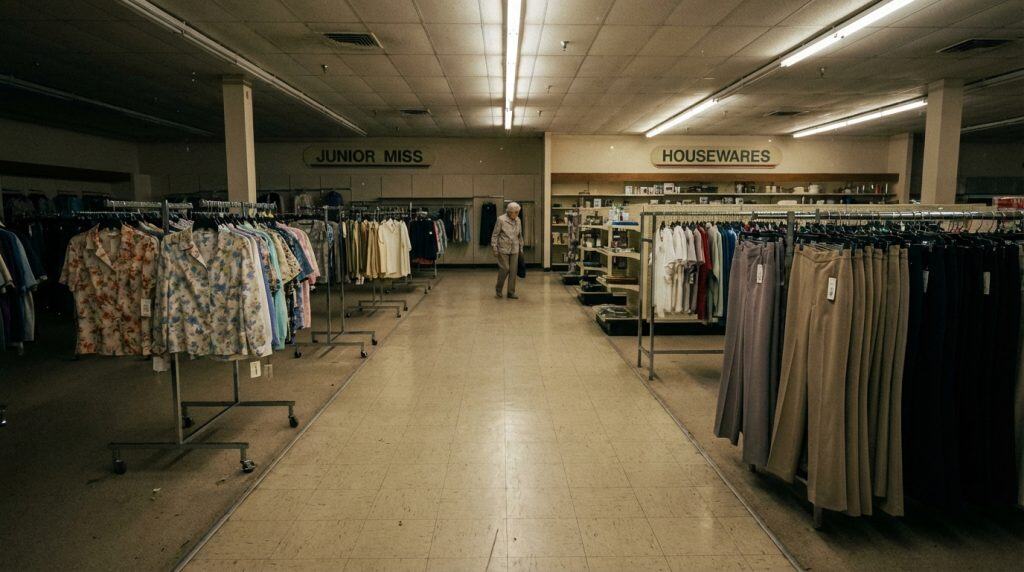
The lighting felt a little dimmer.
While the “Big Box” stores were obsessing over low prices and massive inventory, Sears was still operating like it was 1955.
They were stuck in the “mushy middle”—not as fancy as the high-end boutiques, but not as cheap as the discount warehouses.
The 1993 Mistake: Disconnecting the Lifeline
The biggest tragedy in the Sears story happened in 1993.
That was the year Sears decided to kill its “Big Book” catalog.
At the time, it seemed like a smart cost-cutting move.
The catalogs were expensive to print and mail.
But in hindsight, it was a fatal error. Sears had the names, addresses, and buying habits of every family in America.
They had a massive distribution network already in place.
They had everything they needed to become what Amazon is today.
By killing the catalog right as the internet was being born, they disconnected their umbilical cord to the American home.
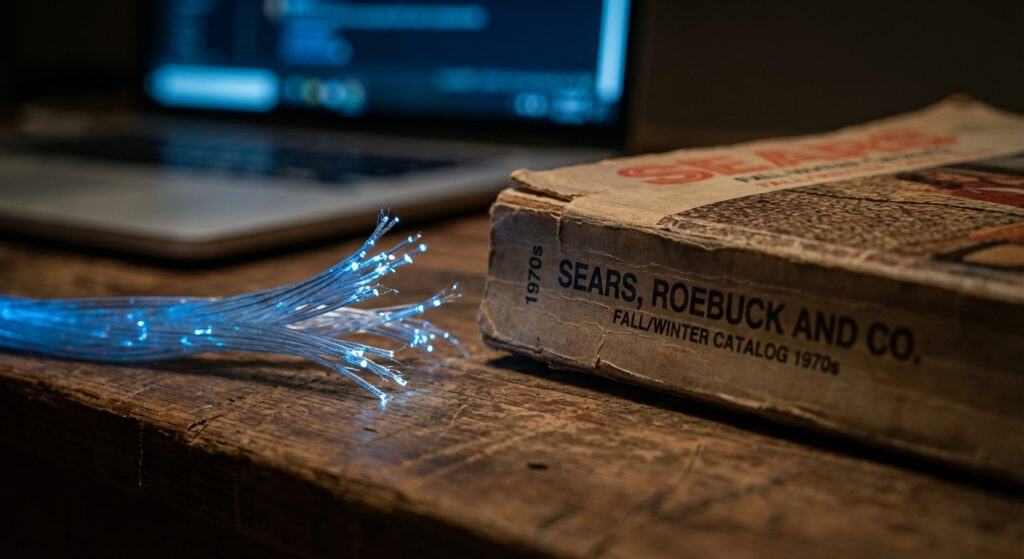
They gave up their data. They gave up their reach.
They waited until the late 90s to take the web seriously, but by then, the ship had already sailed.
The Merger and the “Ghost Town” Years
The final act began in 2005 with the merger with Kmart.
On paper, it was supposed to create a retail titan.
In reality, it felt like two exhausted marathon runners leaning on each other to keep from falling over.
Under new leadership, the focus shifted from “How do we serve the customer?” to “How do we maximize the value of our real estate?”
Money that should have gone toward fixing leaky roofs, updating the cash registers, or hiring more staff was instead diverted into complex financial maneuvers.
For the loyal Sears shopper, the results were heartbreaking.
You’d walk into your local store and see empty shelves. You’d see one lonely employee trying to manage three different departments.
The “Service” that Sears was built on became a memory.
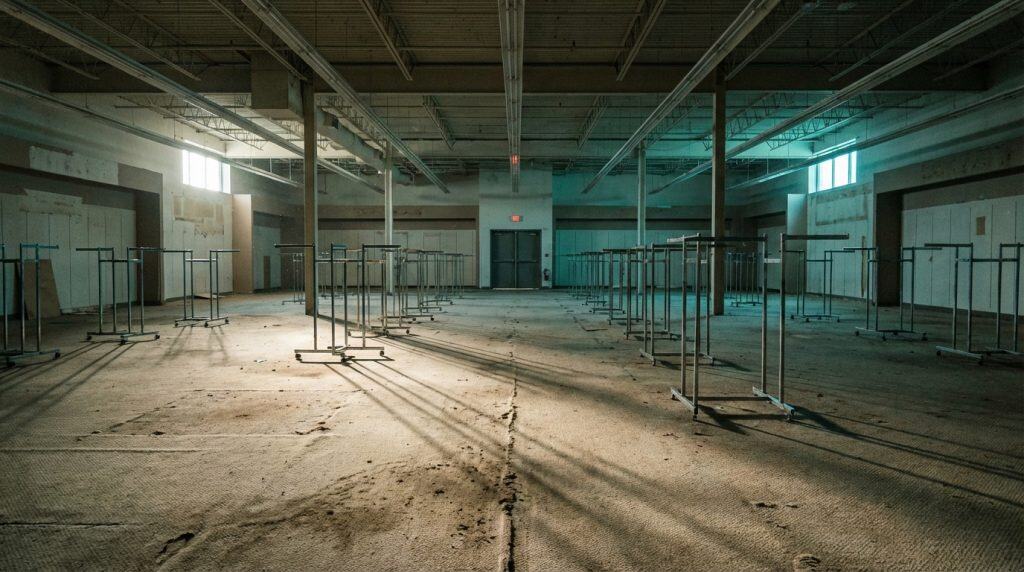
The stores started to feel like ghost towns—huge, echoing spaces where the only thing on display was a lack of investment.
Selling the Family Silver
The end came when Sears began selling off its “children.”
To stay afloat, they sold Craftsman to Stanley Black & Decker.
They sold DieHard to Advance Auto Parts.
They even began to distance themselves from Kenmore.
For the generation that grew up with Sears, this was the ultimate betrayal.
We didn’t want to buy a Craftsman tool at a different store; we wanted to buy it at Sears.
Once the brands were gone, the reason to visit the mall disappeared entirely.
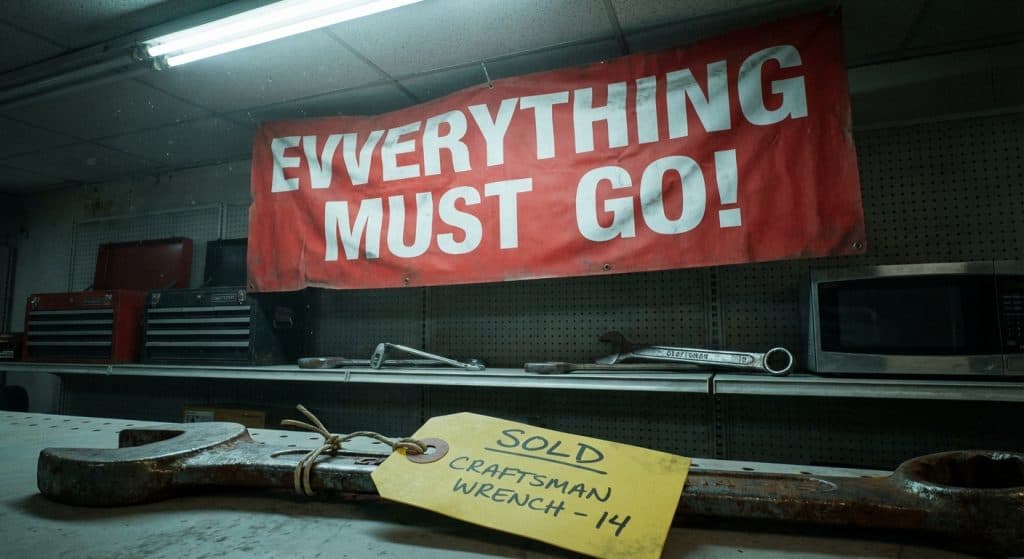
The “Satisfaction Guaranteed” promise was replaced by liquidation signs and “Everything Must Go” banners.
A Legacy Left in the Garage
Sears officially filed for bankruptcy in 2018.
While a few stores still linger, the Sears we loved is gone.
But if you look closely, you can still see its legacy.
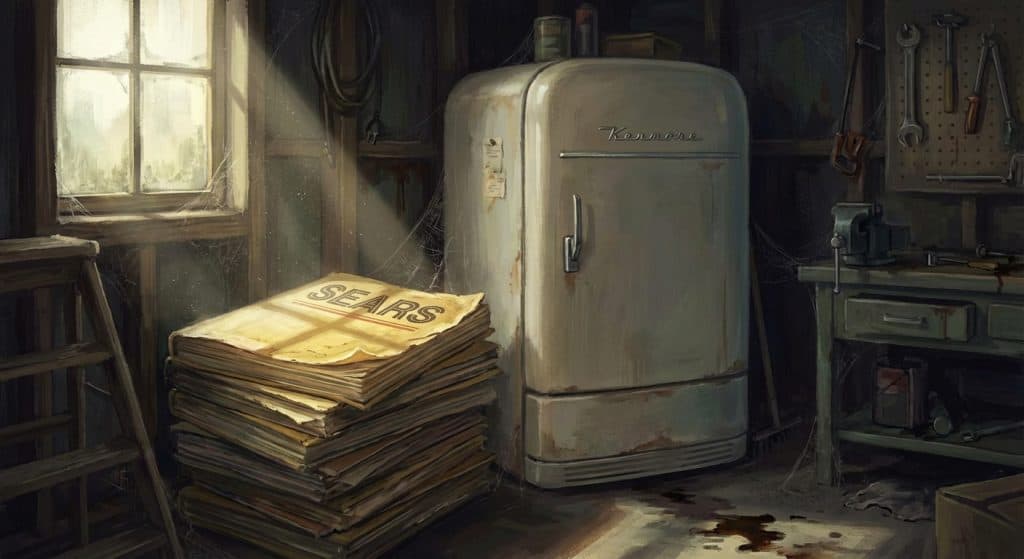
It’s in the Craftsman toolbox that still sits on your workbench, the tools inside just as shiny as the day you bought them thirty years ago.
It’s in the Kenmore fridge in the basement that refuses to stop running.
It’s in the memories of those Saturday morning trips to the mall with your dad.
The fall of Sears is a reminder that a brand is more than a logo or a stock price.
A brand is a relationship.
Sears forgot that you have to keep earning that relationship every single day.
They stopped investing in the stores, they stopped listening to the customers, and eventually, they forgot who they were.
They were the “Everything Store.” And in the end, that was exactly what they lost.