

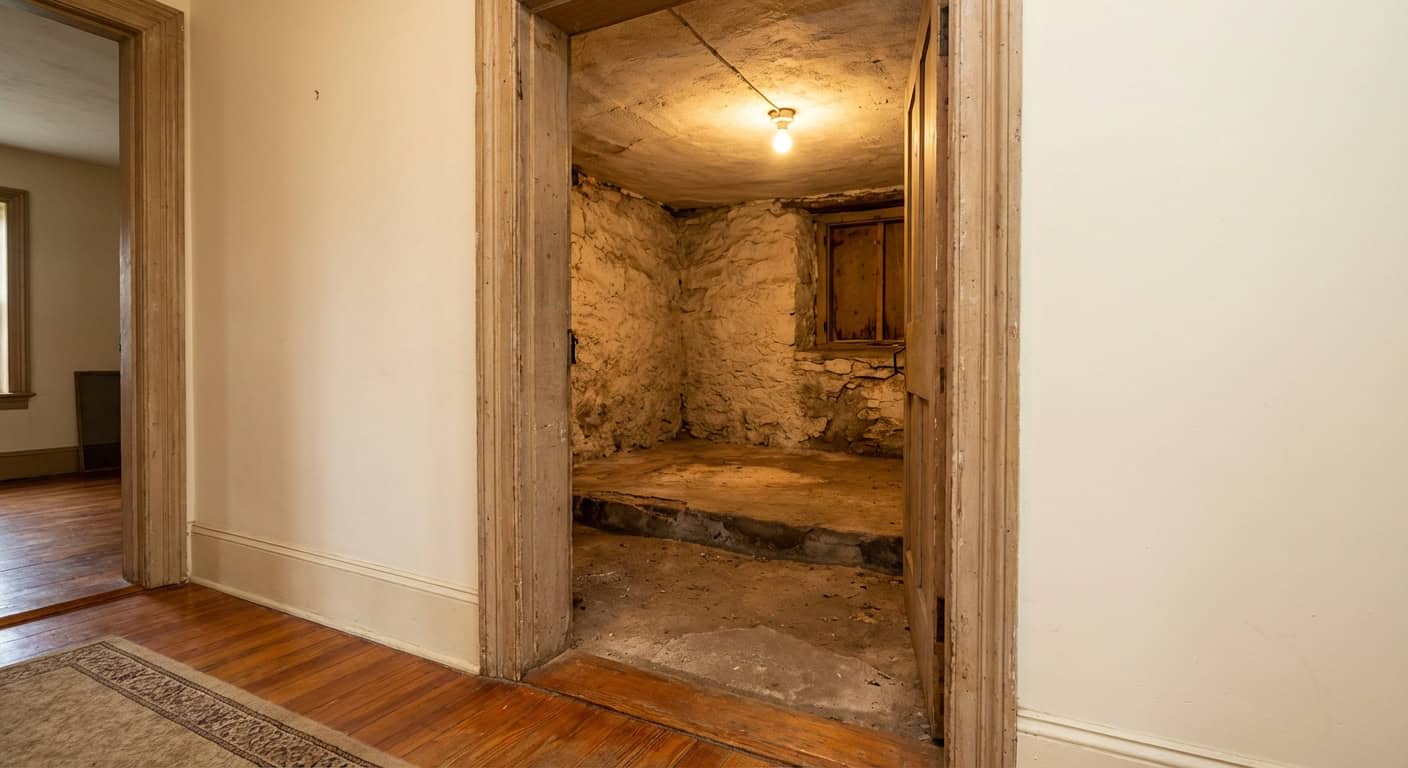
You get the keys. You walk through the front door. The house is yours.
And then you open a closet, check the basement, or look behind the water heater — and realize you are not the only story this house has to tell.
Previous homeowners leave things behind. Sometimes it is an accident. Sometimes it is laziness. Sometimes it is something else entirely — something deliberate, something personal, something that raises more questions than it answers.
If you have ever bought a house, you know the feeling. That slow realization, room by room, that the people who lived here before you left pieces of their life behind — and now those pieces are yours.
Here are 25 things new homeowners keep finding that the previous owners left behind.
Some are funny. Some are fascinating. A few of them will keep you up at night.
1. A Room With Every Wall Covered in Handwritten Text
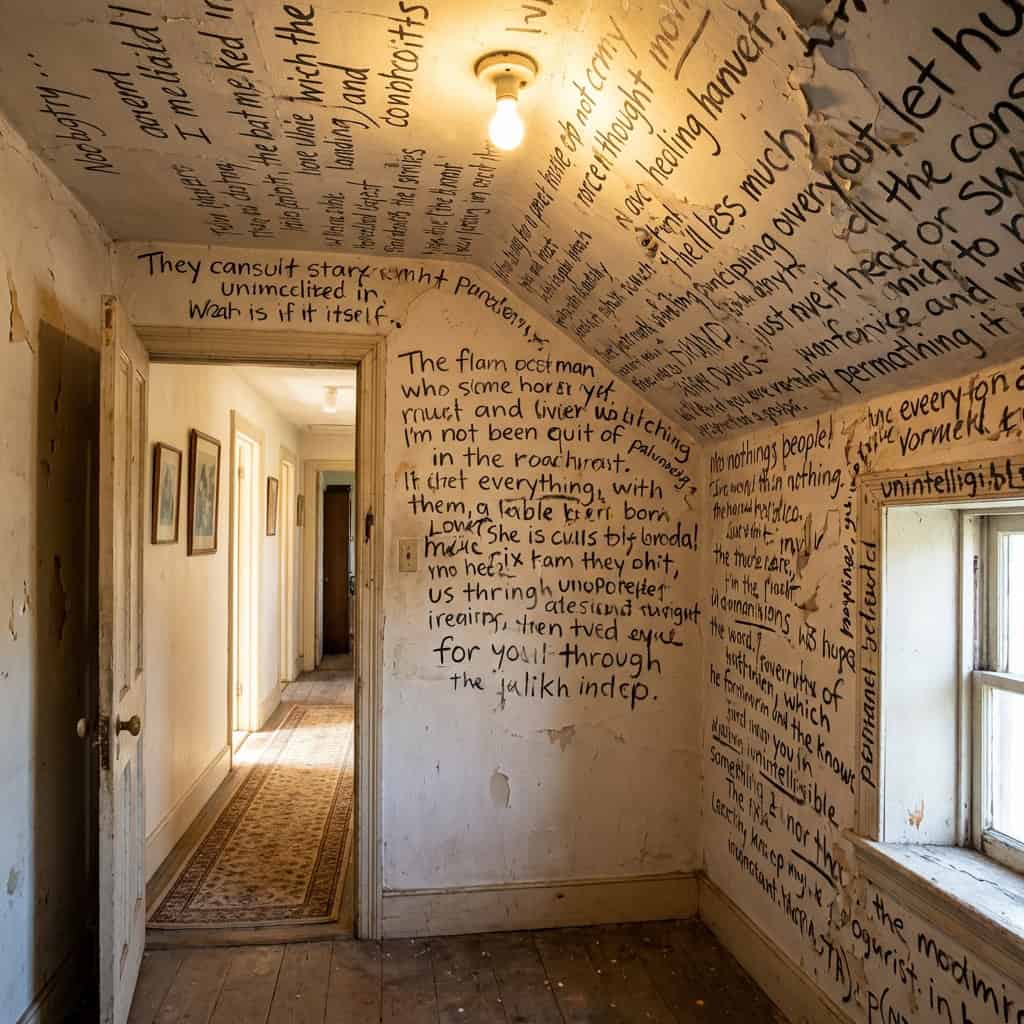
You open the door to a spare bedroom, a basement room, or an attic space — and every inch of every wall is covered in handwriting.
Sometimes it is scripture. Sometimes it is poetry. Sometimes it is names and dates. Sometimes it is dense, tiny text that wraps around the entire room from floor to ceiling in a pattern that clearly took months or years to complete.
The handwriting is usually in pen or marker, applied directly to the drywall or plaster. It was not done casually. It was done with intention — whatever that intention was.
New homeowners discover these rooms and have no idea what to do. Painting over it feels wrong. Leaving it feels worse. And the previous owner is long gone, offering no explanation for why they turned one room of the house into a manuscript.
It happens more often than anyone would guess. And nobody ever has an answer.
2. Bizarre DIY Wiring and Plumbing That Defies All Logic and Code
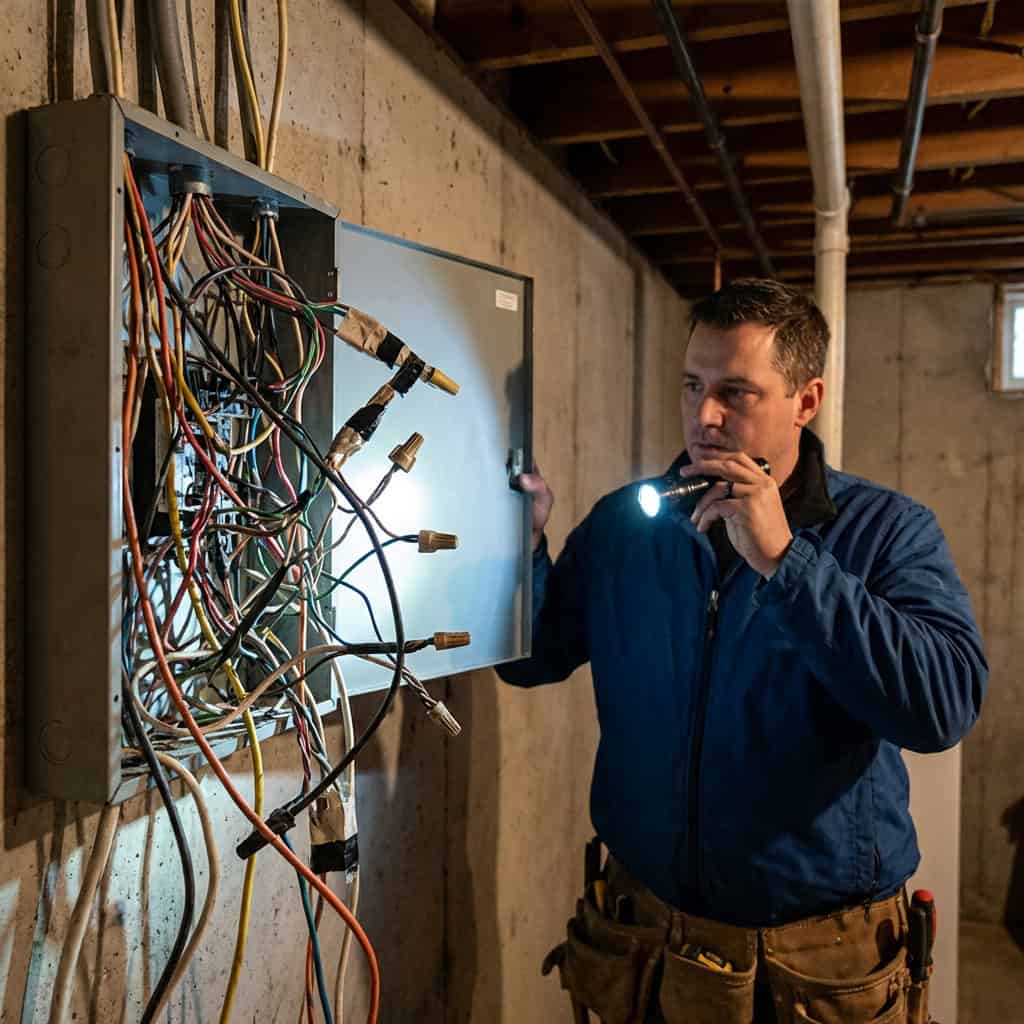
Every home inspector has a horror story. Every electrician has ten.
Previous homeowners — armed with confidence, a YouTube video, and a complete disregard for building codes — leave behind electrical and plumbing work that ranges from questionable to genuinely dangerous.
Extension cords wired permanently into walls. A bathroom exhaust fan vented directly into the attic. A hot water line connected to a cold water pipe with a garden hose coupling. A light switch that controls an outlet in a completely different room for no discernible reason.
The work is usually hidden behind walls, under floors, or inside ceilings — meaning the new homeowner does not discover it until something breaks, leaks, or catches fire.
The previous owner saved $400 by not hiring a plumber. The new owner will spend $4,000 fixing what they did.
3. Heights of Their Kids Marked on a Door Frame or Wall
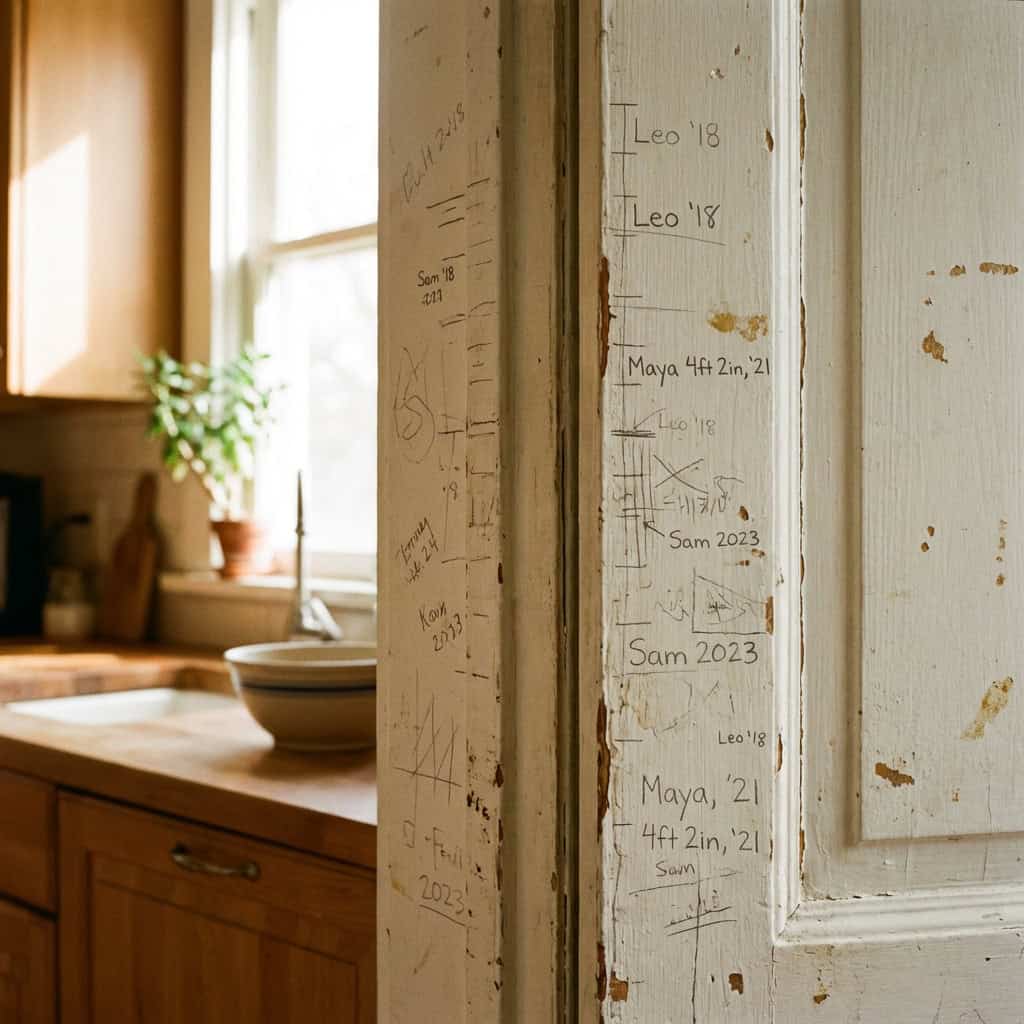
This one is not creepy. It is not dangerous. It is just quietly devastating.
You move into your new house, walk past a door frame in the kitchen or hallway, and notice small pencil marks with names and dates. “Emma — 3 years, 4 months.” “Jake — Sept 2014.” A series of horizontal lines climbing up the frame, each one a moment in time when a parent stood a child against the wall and made a mark.
The marks stop at some point. The family moved. The kids kept growing somewhere else. But the record of who they were — at that height, on that date, in that house — stayed behind.
Most new homeowners cannot bring themselves to paint over these. They just leave them there, on someone else’s door frame, in someone else’s house, marking someone else’s children who are now grown.
4. Locks on the Outside of Bedroom Doors
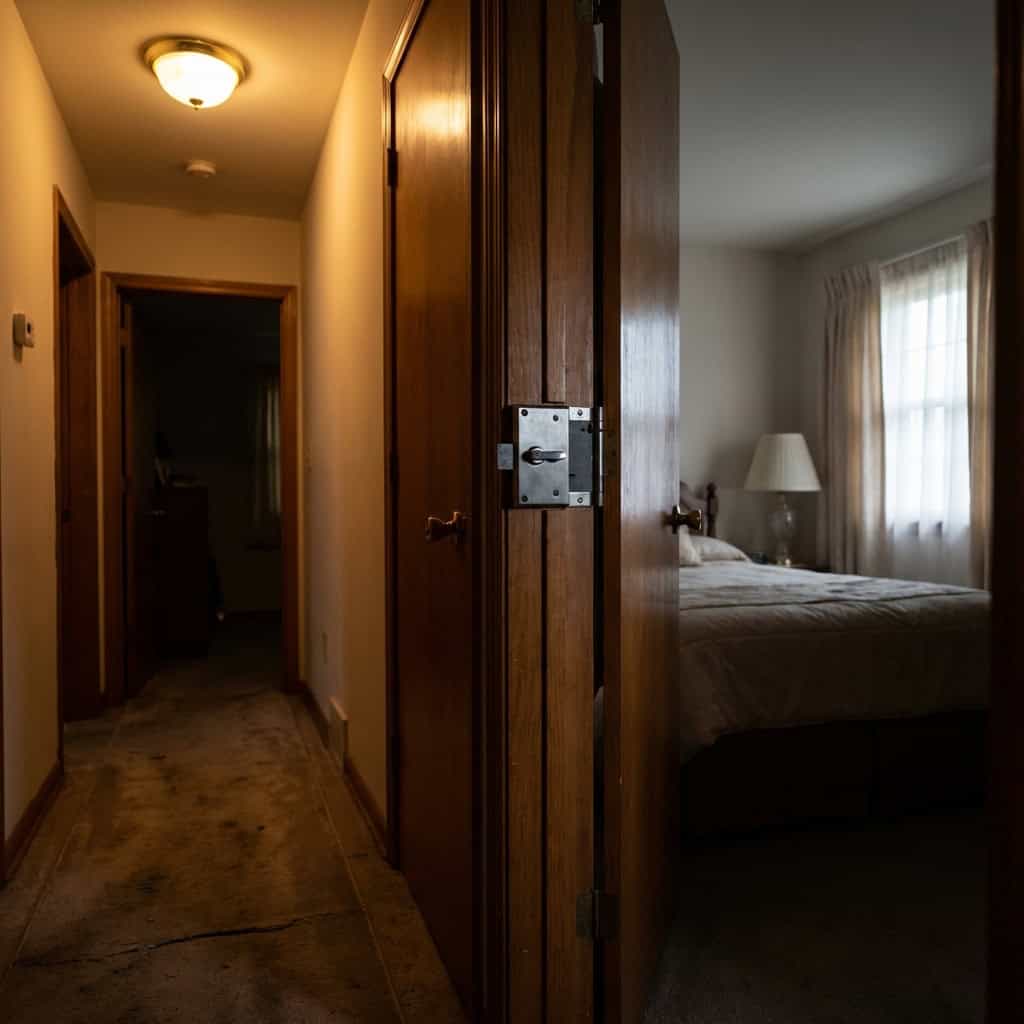
This one changes the temperature of the room.
You move in, start checking hardware, and notice that one or more bedroom doors have locks — on the outside. Not the inside, where a lock would make sense for privacy. The outside, where a lock would make sense for containment.
There are innocent explanations. A child with sleepwalking issues. A dementia patient who wandered. A room used for storage that needed securing.
But the new homeowner does not know the explanation. They just know that someone installed a lock to keep a person inside a room, and nobody mentioned it during the walk-through.
The locks come off immediately. The holes in the door frame stay.
5. Paint Cans From Every Color They Ever Used, Stacked in the Garage
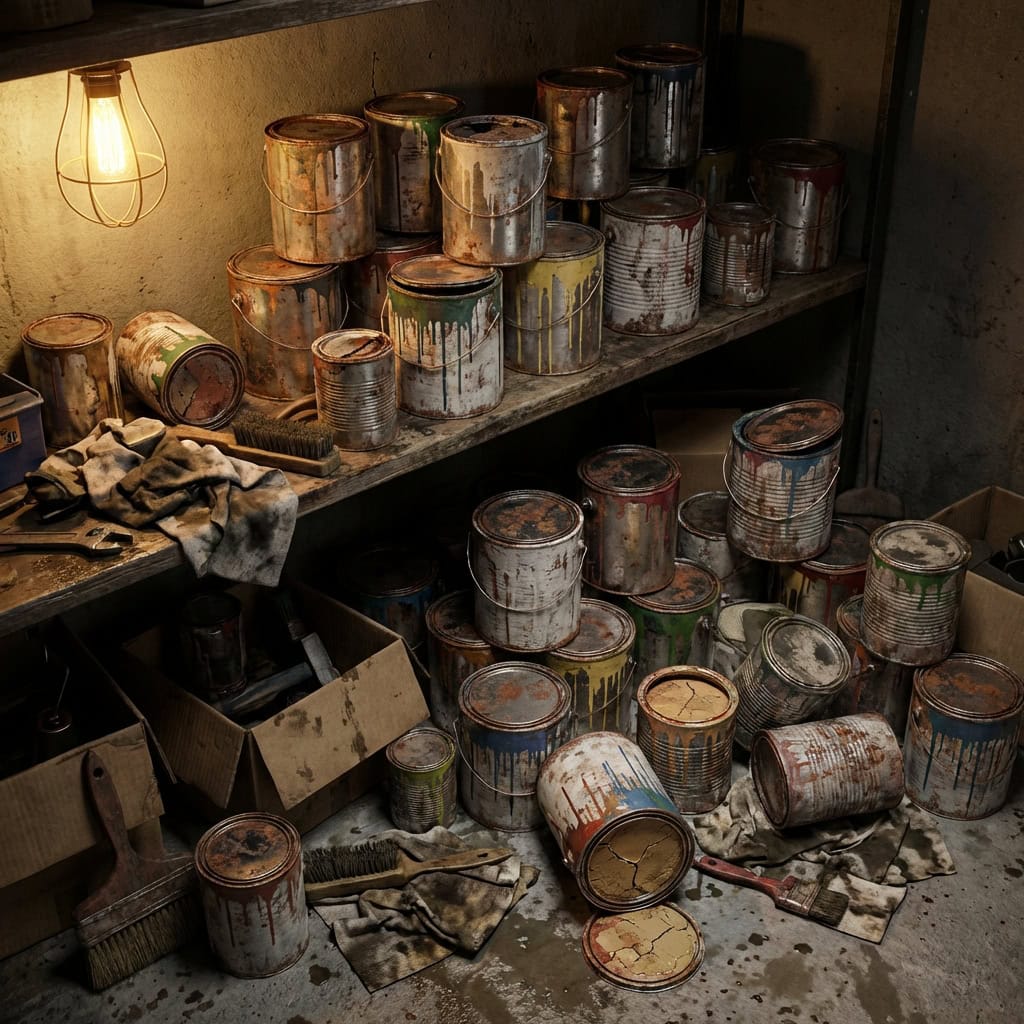
The previous owner did not take their furniture, their curtains, or their dignity — but they left you 23 cans of partially dried paint in the corner of the garage.
Every can is a different color. Some are labeled. Most are not. A few have been opened so many times that the lid no longer seals and the paint inside has turned into a solid disc of latex rubber.
These paint cans represent every room, every accent wall, every weekend project, and every regret the previous owner ever had. Somewhere in that stack is the exact shade of gray they used in the bathroom in 2016 and the burnt orange they tried in the bedroom and painted over three days later.
You will keep these cans for two years. You will never open them. You will eventually throw them all away and feel guilty about it for reasons you cannot explain.
6. Old Photographs of the House From Decades Ago
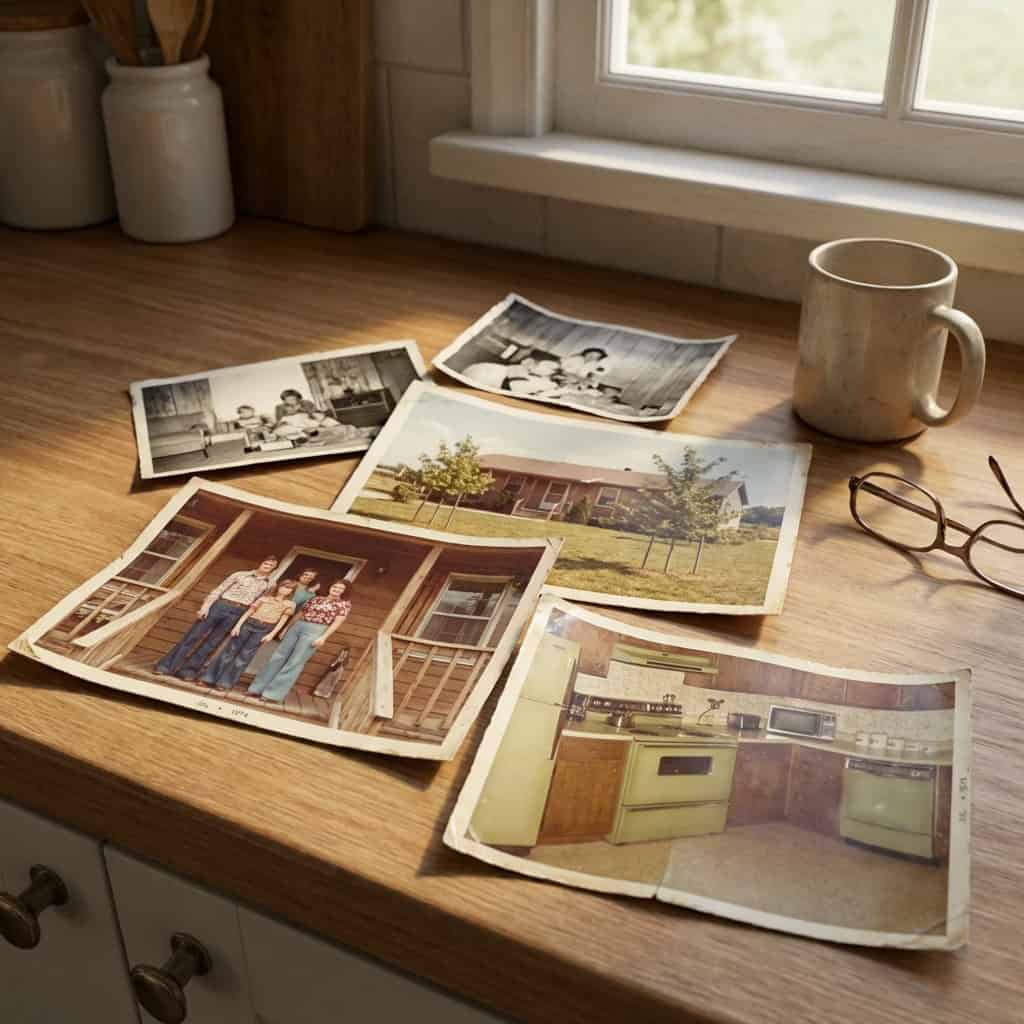
This one is a gift.
Tucked in a drawer, taped to the inside of a cabinet, or sitting in a box in the attic — old photographs of the house from 30, 50, or 80 years ago. The yard when the trees were saplings. The kitchen before the renovation. The family that lived there in 1972, standing on the front porch in clothes that place them exactly in time.
Some new homeowners find photos that show rooms that no longer exist — walls that were removed, porches that were enclosed, additions that were added. The house in the photo is the same house they just bought, but it looks like a completely different building.
These photos are almost never thrown away. They get framed, passed around at dinner parties, and referenced during every renovation conversation for the next 20 years. “You should have seen what this kitchen looked like in 1985.”
7. A Crawl Space Full of Things Nobody Wants to Go Retrieve
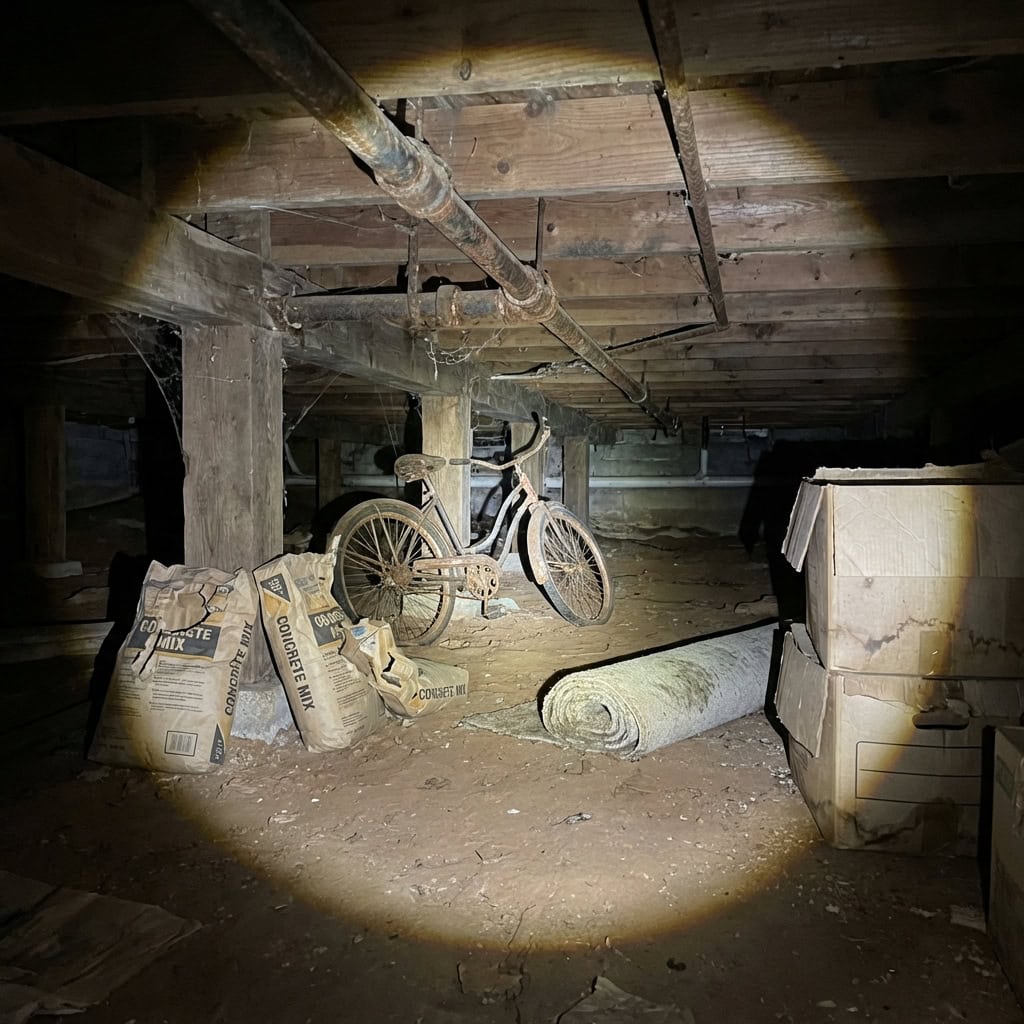
The crawl space is the room that nobody volunteered for during move-out day.
Every old house has one — a low, dark, dirt-floored space under part of the house that requires you to army crawl on your stomach to access. And every crawl space has stuff in it. Stuff that was put in there at some point by someone who did not think about the person who would eventually have to get it out.
Old pipes. Broken tools. Bags of concrete mix that hardened 20 years ago. Rolls of leftover carpet. A child’s bicycle. A box of magazines from 1994. A cat skeleton.
The new homeowner peers in with a flashlight, sees the pile, and closes the door. The stuff stays for another decade.
8. Carpet Glued Directly to Hardwood Floors
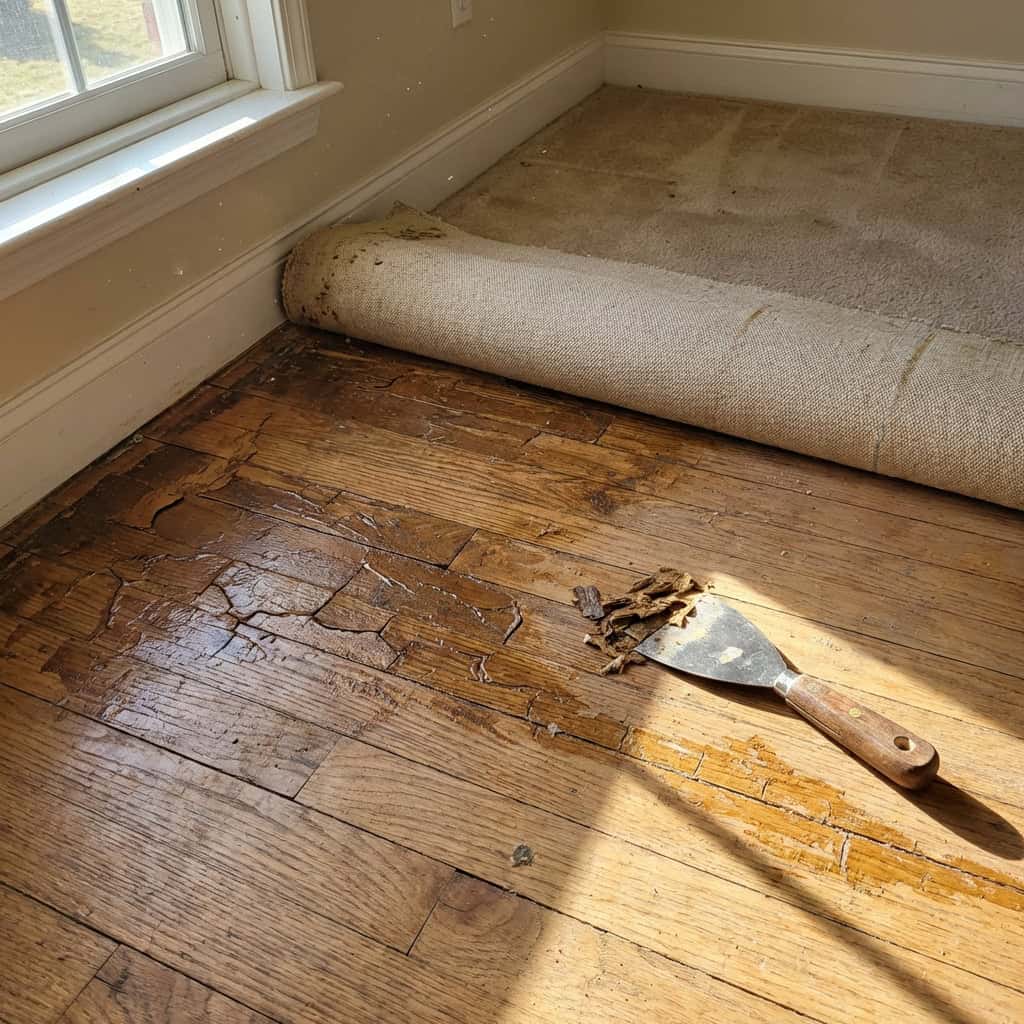
This is not a thing that was left behind. This is a crime that was committed against the house itself.
At some point in the 1970s or 1980s, the previous owner looked at their beautiful original hardwood floors — oak, maple, or fir, installed by hand, nailed to the subfloor with cut nails — and decided carpet would be nicer.
Not carpet over a pad. Carpet glued directly to the wood. With adhesive that was apparently formulated by a chemist whose goal was permanence at any cost.
The new homeowner pulls up a corner of the carpet, sees hardwood underneath, and spends the next six months on their knees with a scraper, a heat gun, and a vocabulary they did not know they had.
The floors are almost always salvageable. But the glue does not come off without a fight, and the fight takes longer than anyone estimates.
9. Pet Graves in the Backyard
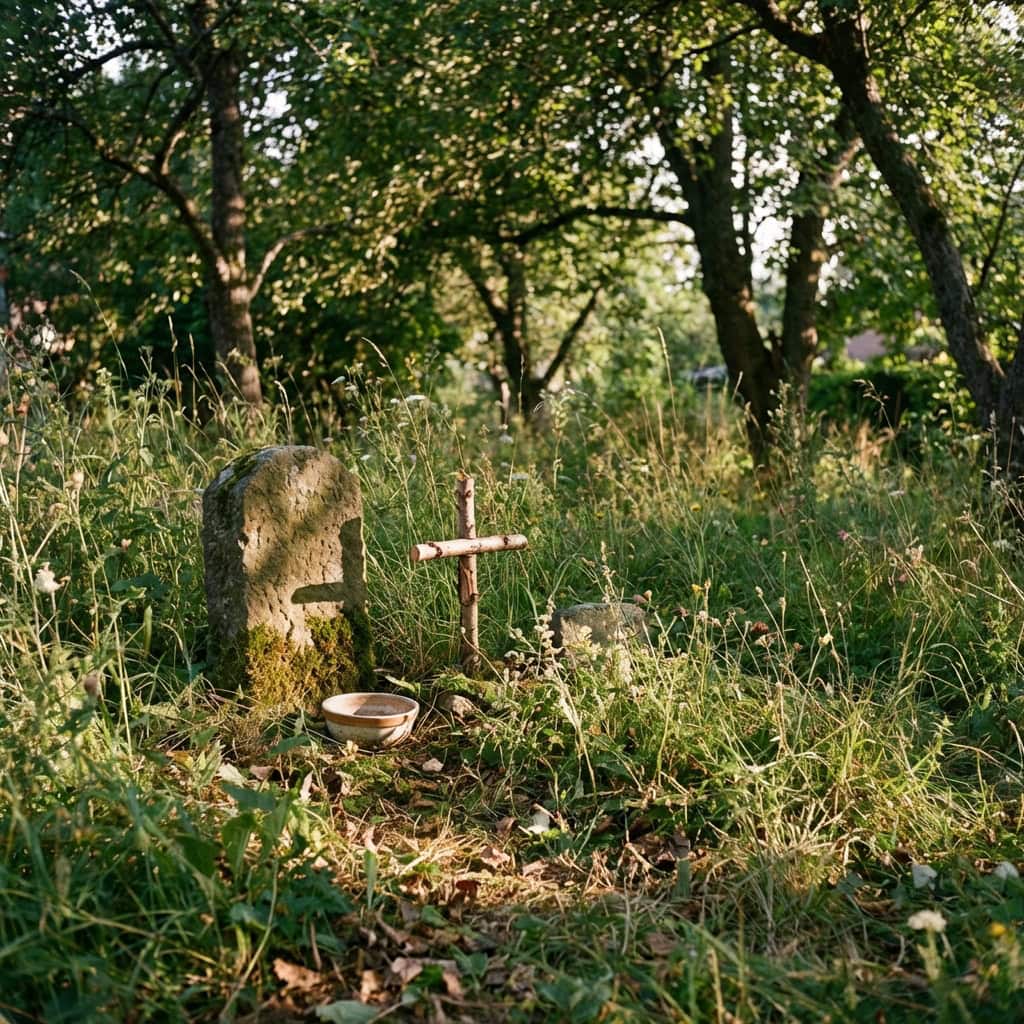
You are digging a garden bed, installing a fence post, or just turning over some soil — and you hit something that is not a rock.
It is a small wooden box. Or a wrapped bundle. Or just bones, arranged carefully in a shallow hole, sometimes with a stone or a small marker above them that you did not notice before.
Previous homeowners buried their pets in the backyard. Dogs, cats, birds, hamsters — beloved animals that lived their entire lives in that house and were laid to rest in the yard they used to run in.
Some graves are marked with engraved stones. Some are marked with a simple cross made of sticks. Some have no marker at all and are only discovered when someone starts digging.
It is a strange feeling — realizing you are standing in someone else’s pet cemetery, that the yard you now mow on Saturdays is also a resting place for animals you never met, loved by people you will never know.
10. A Half-Finished Renovation — Framing Up, Drywall Down, No Explanation
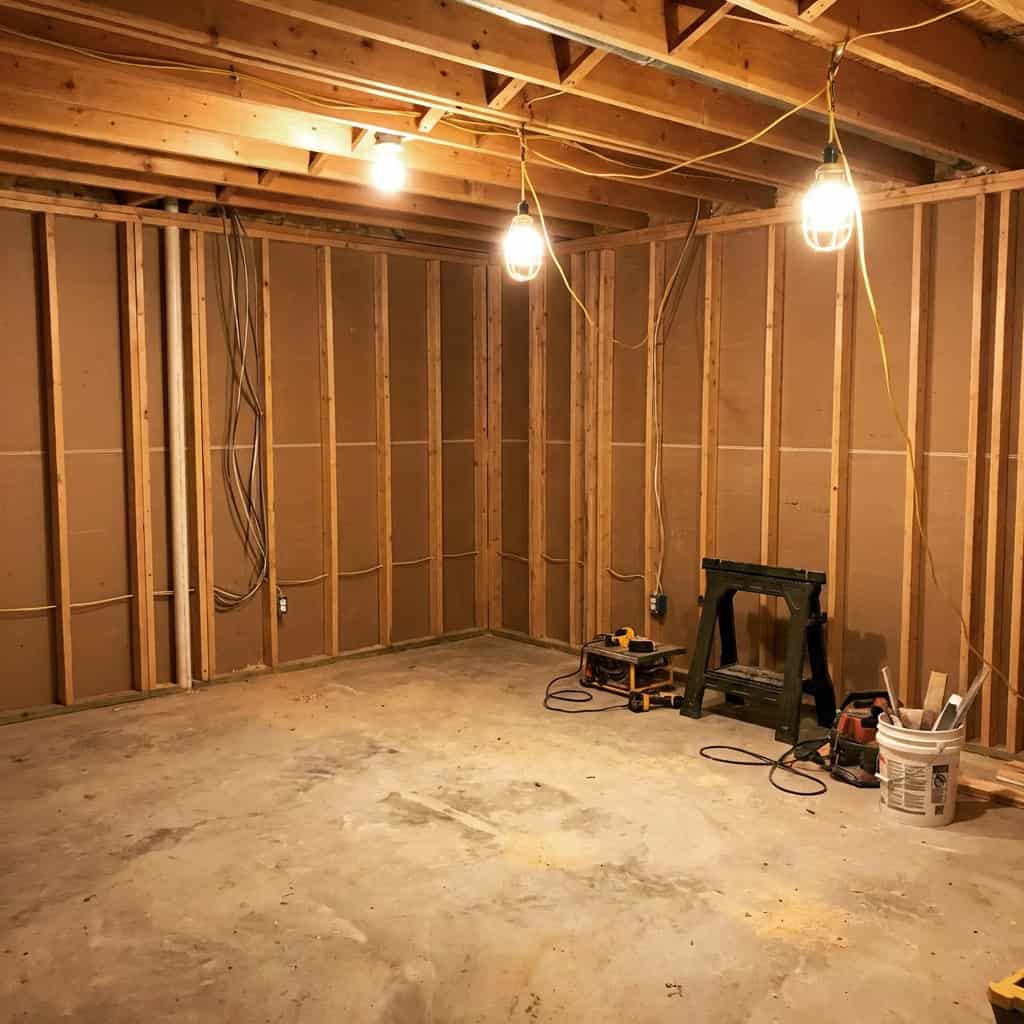
The basement has new framing. The studs are up. The electrical is roughed in. But there is no drywall, no flooring, and no indication that anyone planned to finish what they started.
This is the half-finished renovation — one of the most common things new homeowners inherit. A project that was started with enthusiasm, stalled for unknown reasons, and abandoned in a state of permanent incompletion.
Sometimes it is a bathroom with plumbing stubbed in but no fixtures. Sometimes it is a deck with the posts set but no boards. Sometimes it is an entire addition with a roof, walls, and windows but no interior finish of any kind.
The previous owner ran out of money, motivation, or marriage. The project froze in place. And now it belongs to you — along with the decision to either finish it, tear it out, or learn to live with a basement that looks like a construction site.
11. An Entire Workshop Left Fully Stocked With Tools
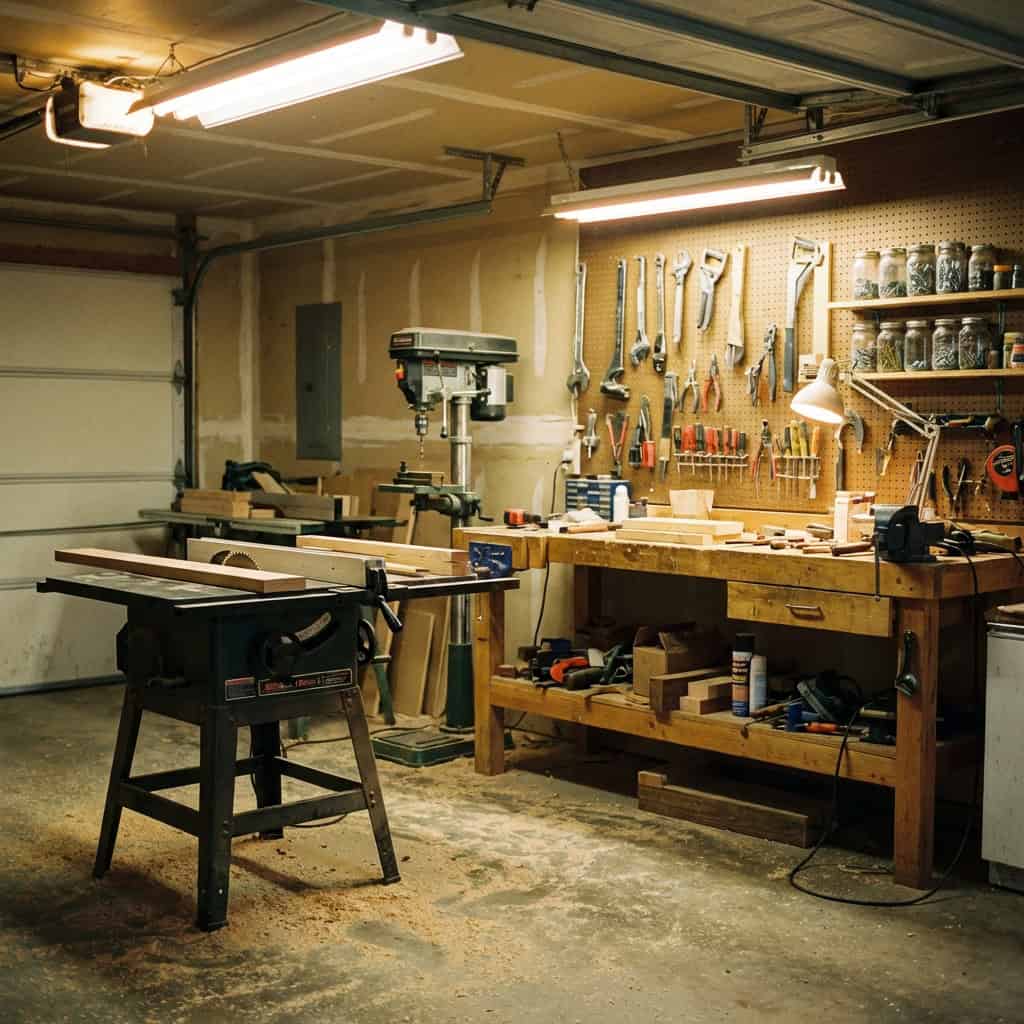
This is the one that makes woodworkers and DIY people lose their minds.
You open the garage, the basement, or a detached workshop and find a complete setup. Table saw. Drill press. Hand tools hanging on a pegboard. Clamps. Chisels. Jars of screws and nails organized by size. A workbench with decades of use worn into the surface.
The previous owner — usually an older man, usually someone who built things with his hands for 40 years — left it all behind. Maybe he moved to a smaller place. Maybe he went into assisted living. Maybe he passed away and the family did not know what any of it was worth.
Whatever the reason, the tools are still there. The shop is still set up. And the new homeowner just inherited a lifetime of carefully selected, well-maintained equipment that the previous owner would have never parted with voluntarily.
It is a windfall and a gut punch at the same time.
12. Security Cameras Still Mounted and Wired Throughout the House
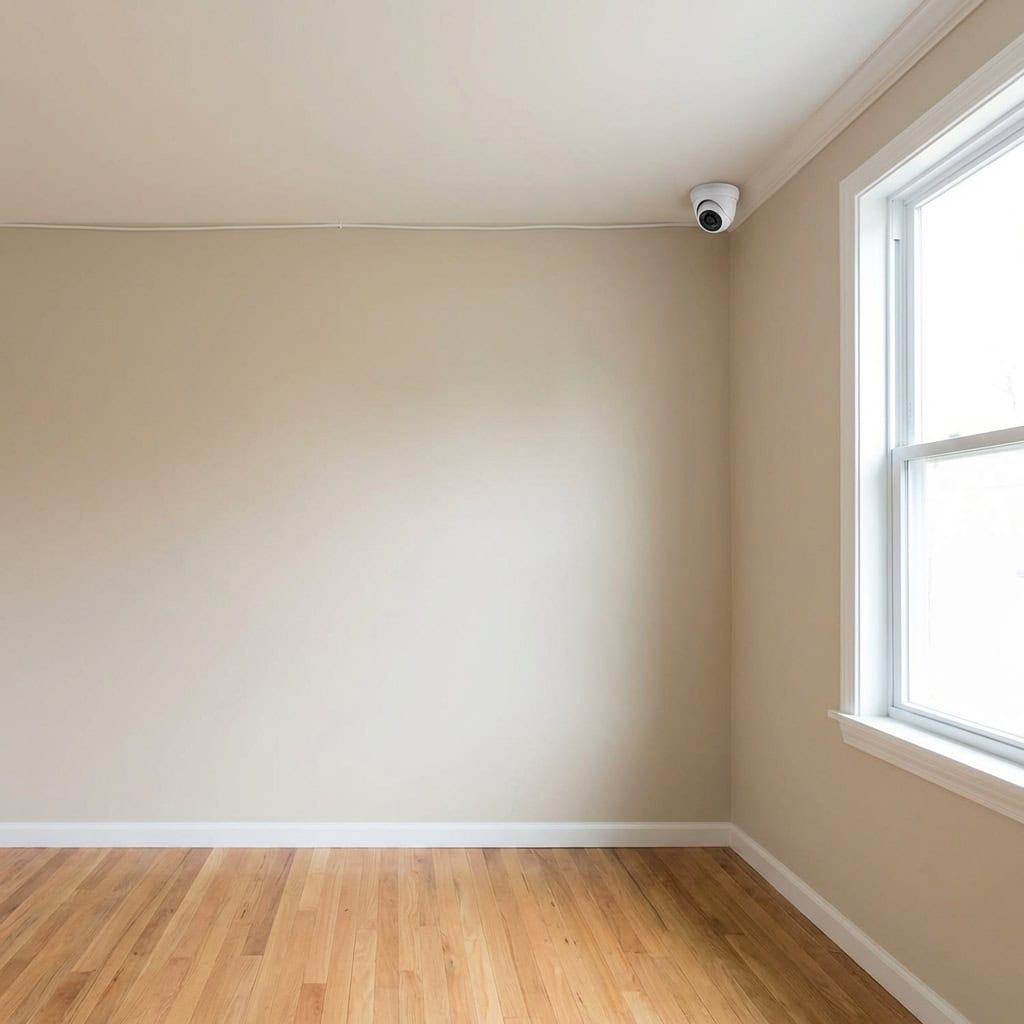
The previous owner was watching something. Or someone.
You move in and notice small cameras mounted in the corners of rooms, above the garage, overlooking the driveway, aimed at the backyard. Some are modern. Some are ancient — the kind with visible wires running along the ceiling and into a VCR or DVR in a closet somewhere.
The cameras are usually disconnected. Usually. But the mounts are still there, the wires are still in the walls, and the question lingers — what were they watching for? And were the cameras pointed outward to keep people out, or inward to keep track of people inside?
The new homeowner removes them on day one. But they think about them for a lot longer than that.
13. A Garden That Was Clearly Someone’s Life’s Work, Now Overgrown

The yard is a mess when you move in. Overgrown, tangled, neglected. You assume it was always this way.
Then spring arrives.
Bulbs come up in places you did not plant them. Perennials emerge in organized rows you did not notice under the weeds. A rose bush blooms against the fence. An herb garden reveals itself near the kitchen door. A stone path appears under the dead leaves.
Someone spent years — maybe decades — building this garden. They planned it, planted it, tended it season after season. And when they left, the garden kept going without them, slowly losing its shape but never fully disappearing.
The new homeowner can see what it was. The bones of something beautiful, designed by someone who understood how things grow. All it needs is someone to care about it again.
This is the one that makes people cry.
14. Safes — Bolted to the Floor, Combination Unknown, Heavy as a Car
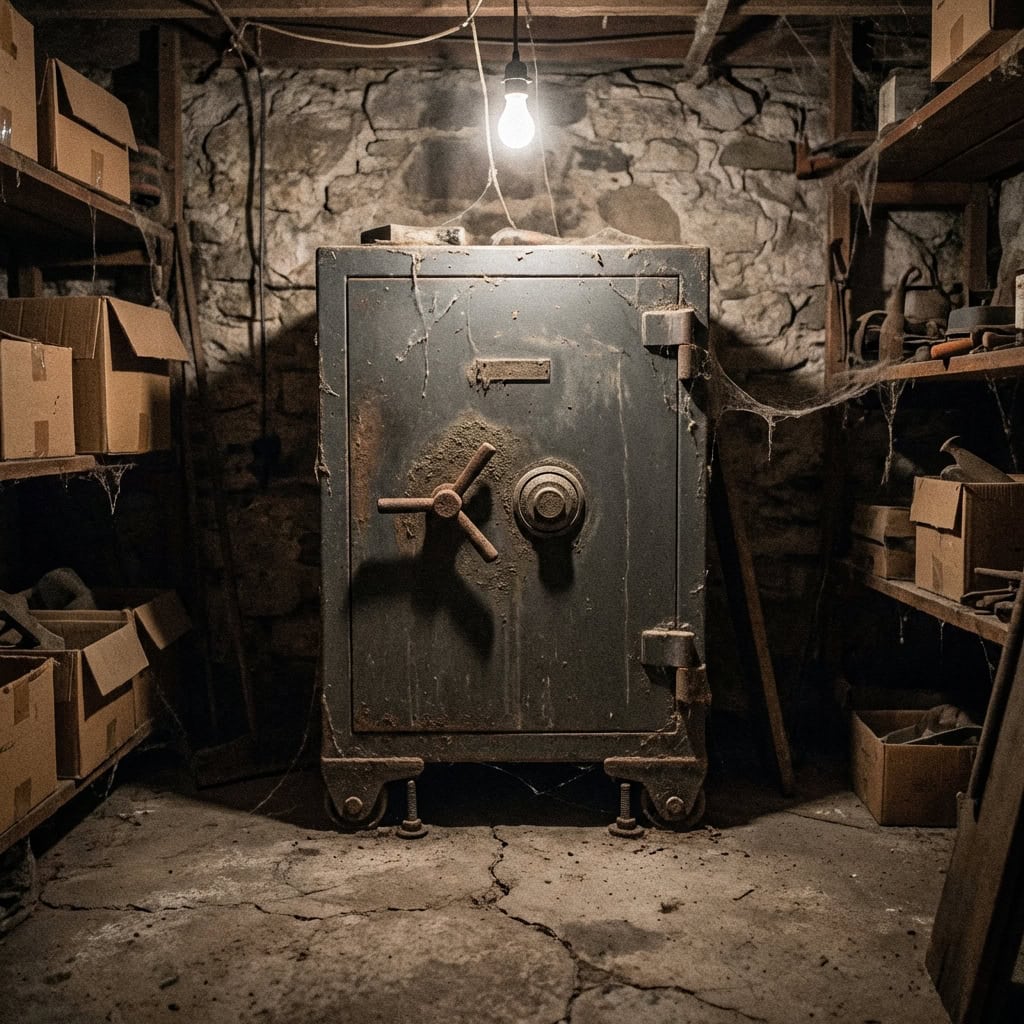
It is in the basement. Or the closet. Or embedded in the concrete floor of the garage.
A safe. A real one — steel, heavy, bolted down, and locked. The previous owner did not leave the combination. The real estate agent does not have it. Nobody has it.
The new homeowner stares at it the way people stare at locked treasure chests in movies. It could contain cash. It could contain jewelry. It could contain nothing but dust and a dead spider. There is no way to know without either hiring a locksmith, an angle grinder, or a very patient person with a stethoscope.
Some homeowners open them and find old documents, a few coins, and a handgun. Some find nothing. Some never open them at all — the safe just sits there, locked, in the corner of the basement, for the rest of time.
The not knowing is the worst part. And the best part.
15. Christmas Decorations in the Attic That Have Been There for 30 Years
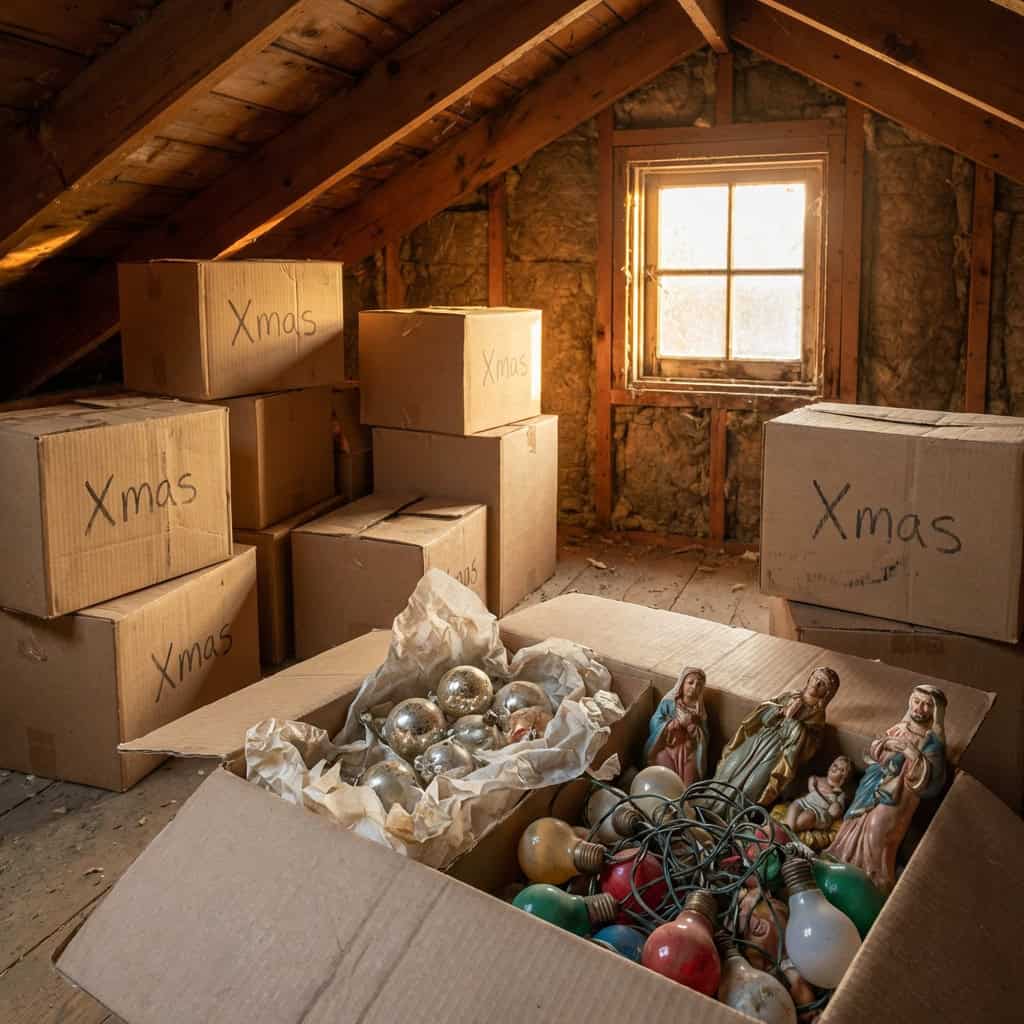
You go into the attic for the first time and find boxes. Not your boxes. Their boxes.
Labeled in faded marker — “Xmas lights,” “tree ornaments,” “outdoor Santa” — the boxes contain an entire family’s holiday collection. Glass ornaments wrapped in tissue paper. Tangled strings of lights with bulbs the size of walnuts. A ceramic nativity set with a missing wise man. Tinsel. Stockings with names embroidered on them. Names you do not recognize.
These decorations were carried up those attic stairs by someone who fully intended to bring them back down in December. But December came and went — maybe because they moved, maybe because they got older, maybe because the holidays just stopped feeling the same.
The decorations stayed. The family did not.
You hold an ornament with someone else’s child’s name on it and do not know what to do with the feeling.
16. A Room Painted Entirely in One Aggressive Color — Floor to Ceiling, Including the Ceiling
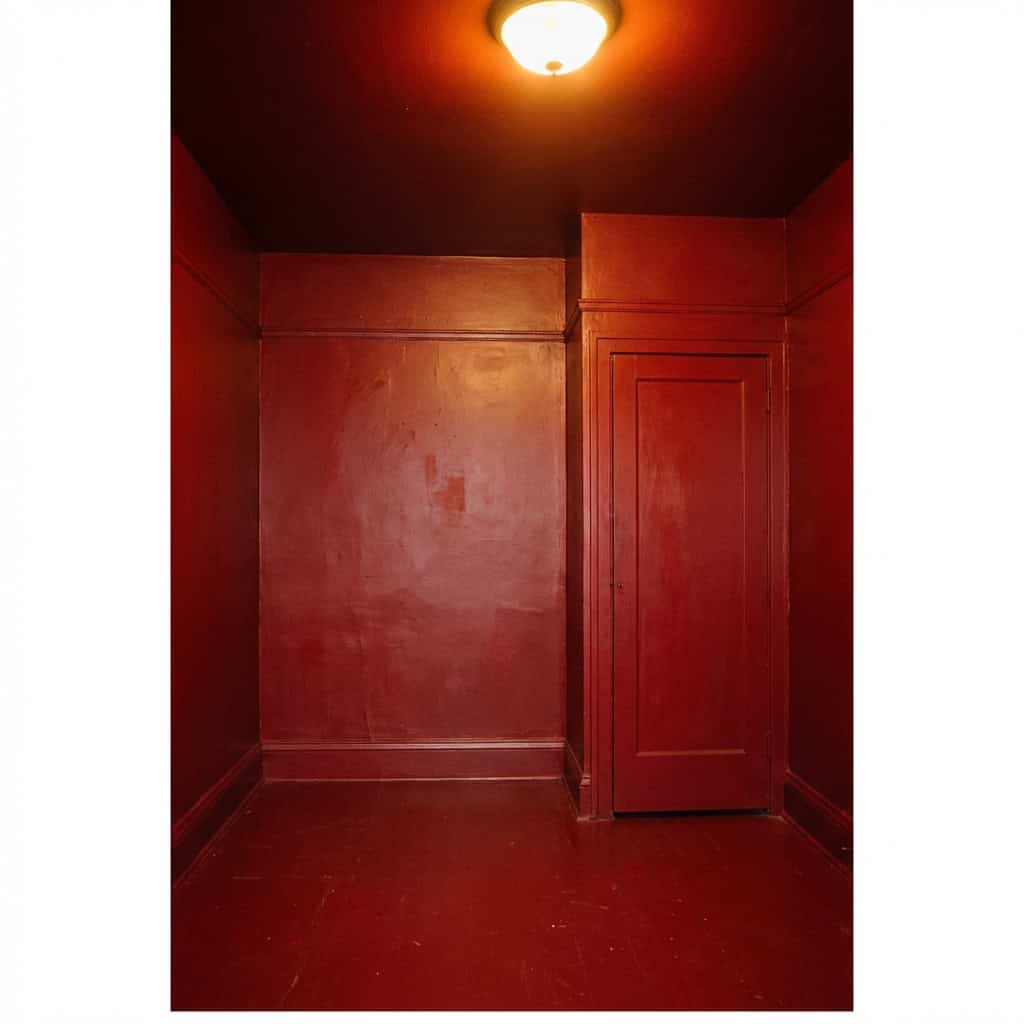
You open the door and it hits you like a wall of sound, except it is color.
The entire room is red. Or purple. Or electric blue. Not just the walls — the ceiling, the trim, the door, and sometimes even the closet interior. Every surface. One color. No accent. No relief.
Someone chose this. Someone went to the paint store, picked this color, and applied it to every paintable surface in the room with complete commitment. No second thoughts. No “maybe just an accent wall.” The full room. The full spectrum of their personality, applied with a roller.
The new homeowner closes the door and adds “three coats of primer” to their weekend plans. Because whatever bold self-expression this room represents, it now needs to go away — and aggressive colors do not go quietly under a single coat of anything.
17. A Welcome Note or House Manual From the Previous Family
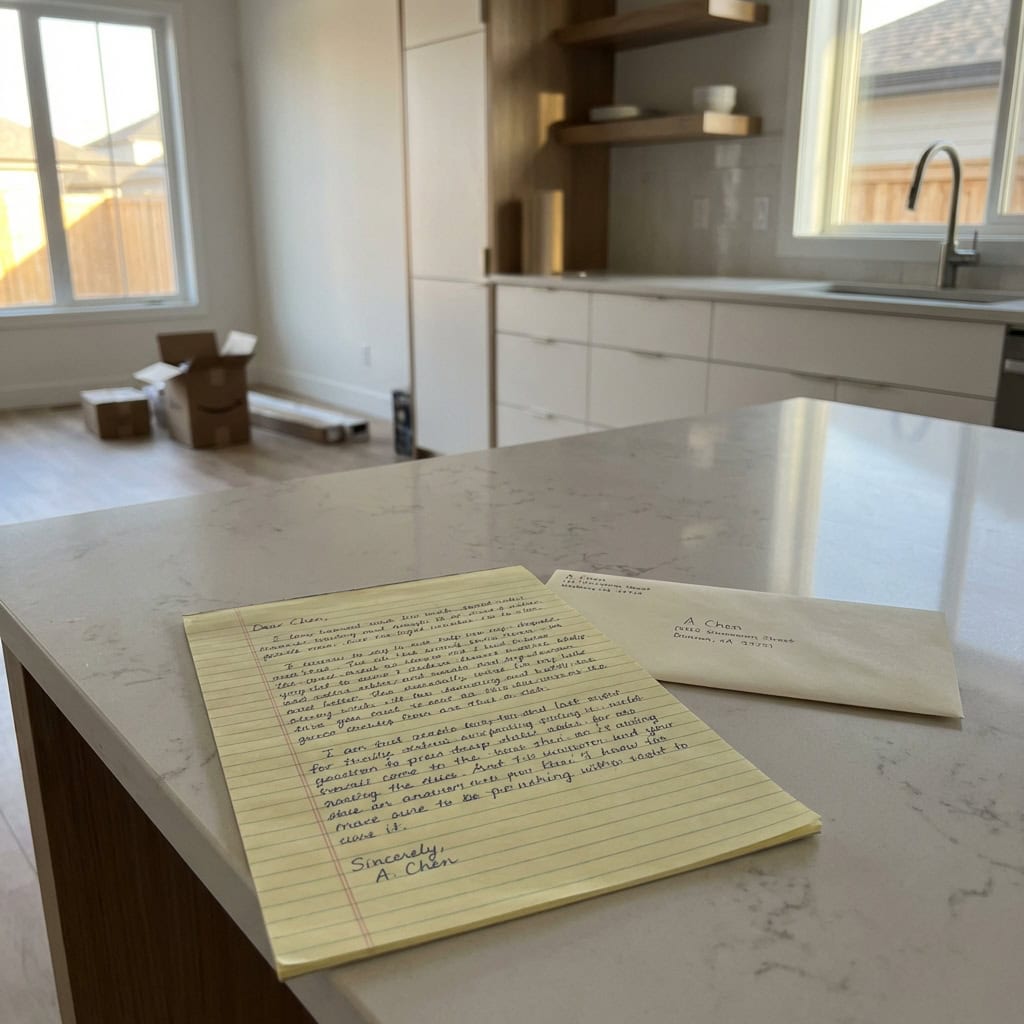
This one restores your faith in people.
You move in and find an envelope on the kitchen counter, or taped to the inside of a cabinet door, or left in the mailbox. Inside is a handwritten letter from the previous owner.
It welcomes you to the house. It tells you which day the trash goes out. It explains the thermostat, the sprinkler system, and the quirk with the upstairs bathroom faucet that needs an extra quarter turn. It tells you the name of the neighbor who has a spare key and the best pizza place within delivery range.
Sometimes it includes the history of the house — when the roof was done, when the furnace was replaced, which trees were planted and when. Sometimes it includes a line about how much they loved living there and how they hope you will too.
It is a small thing. It takes five minutes to write. And it is the single most thoughtful thing a previous homeowner can leave behind.
18. Cameras, Recording Equipment, or Phone-Tapping Hardware
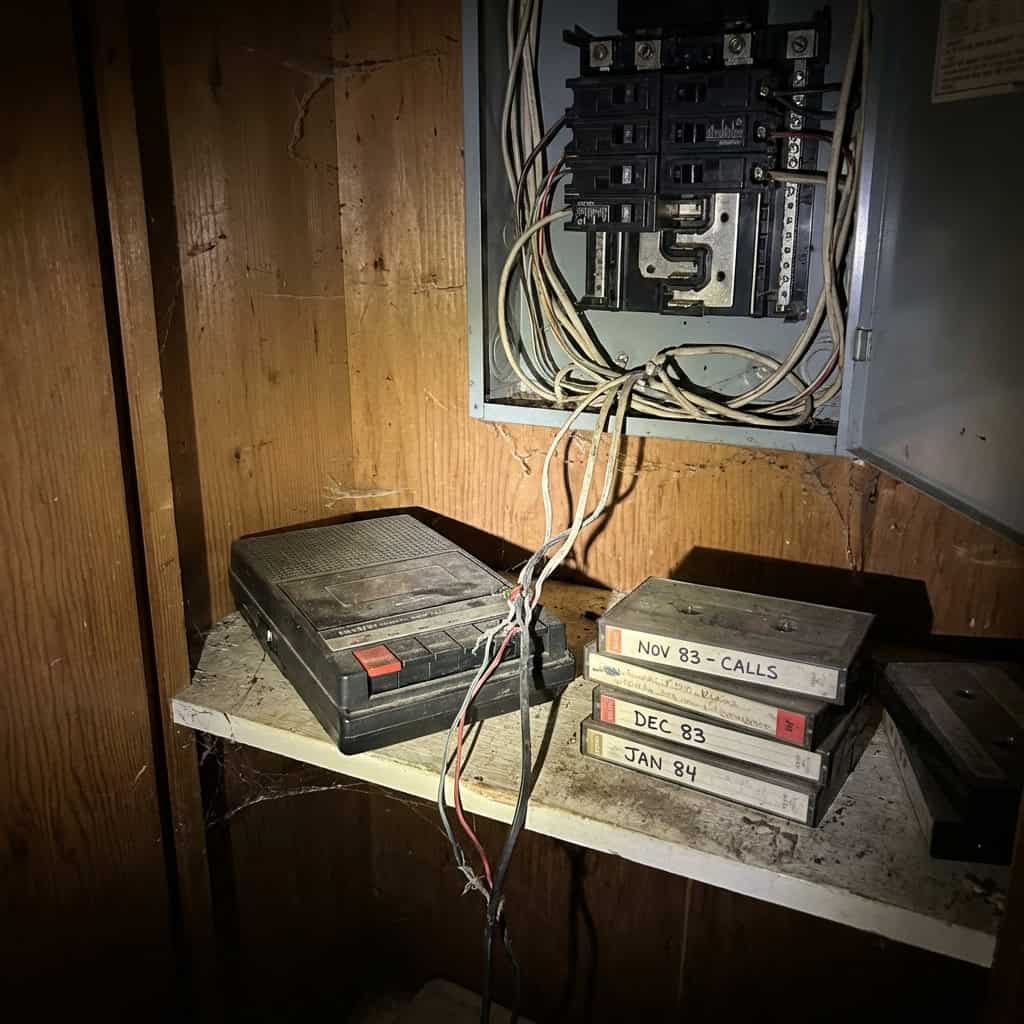
This is the entry that makes your skin crawl.
A new homeowner opens an electrical panel, a closet, or an old junction box and finds something that should not be there. A small camera. A recording device. Wires spliced into the phone line leading to a box of cassette tapes filled with recorded conversations.
One homeowner found an entire phone-tapping setup hidden inside a power box — the previous owner had been listening to his wife’s calls for years. The cassettes were still there, filled with decades-old conversations.
Another found a camera behind a bathroom mirror. Another found microphones wired into the walls of every room, all routed to a receiver in the garage.
The equipment is usually old and disconnected. But the intent behind it does not expire. Someone who lived in your house was watching or listening to someone else who lived in your house — and the evidence of that is now in your walls.
19. A Shed Full of Someone Else’s Entire Life
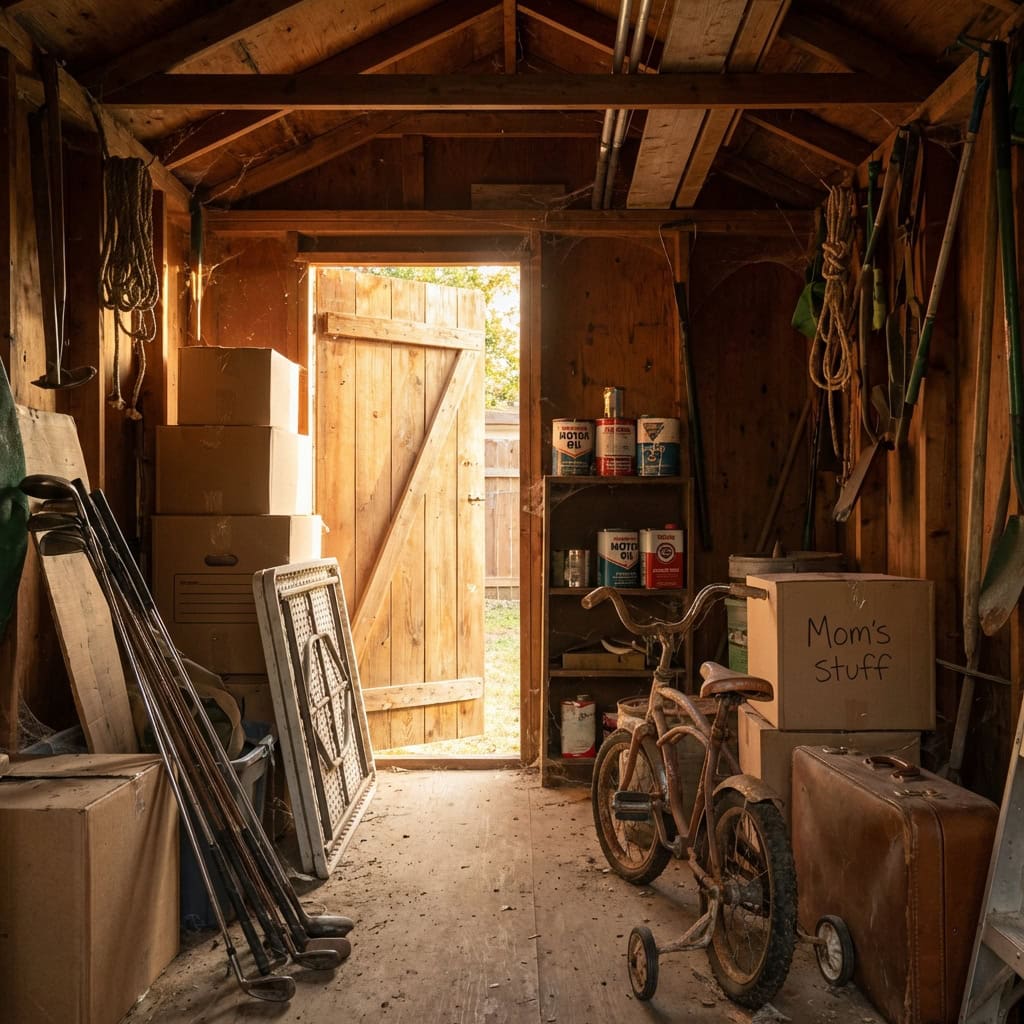
The shed came with the house. You assumed it was empty. It is not.
Inside is a compressed history of someone you never met. Boxes of tax returns from the 1990s. A child’s bicycle with flat tires. A set of golf clubs. A broken lawnmower. A folding table. A suitcase full of clothes. Cans of motor oil. A box labeled “Mom’s stuff” in permanent marker with no further explanation.
The shed is the place where things went to be forgotten. Every item was important enough to keep but not important enough to bring. The previous owner made a hundred small decisions — keep, trash, keep, trash — and the “keep” pile ended up here, in a shed they were apparently willing to walk away from.
Cleaning it out takes a full weekend, a truck, and multiple trips to the dump. And the whole time, you are throwing away someone else’s memories — which feels worse than it should.
20. Religious Items, Symbols, or Objects Placed in Specific Spots Around the House
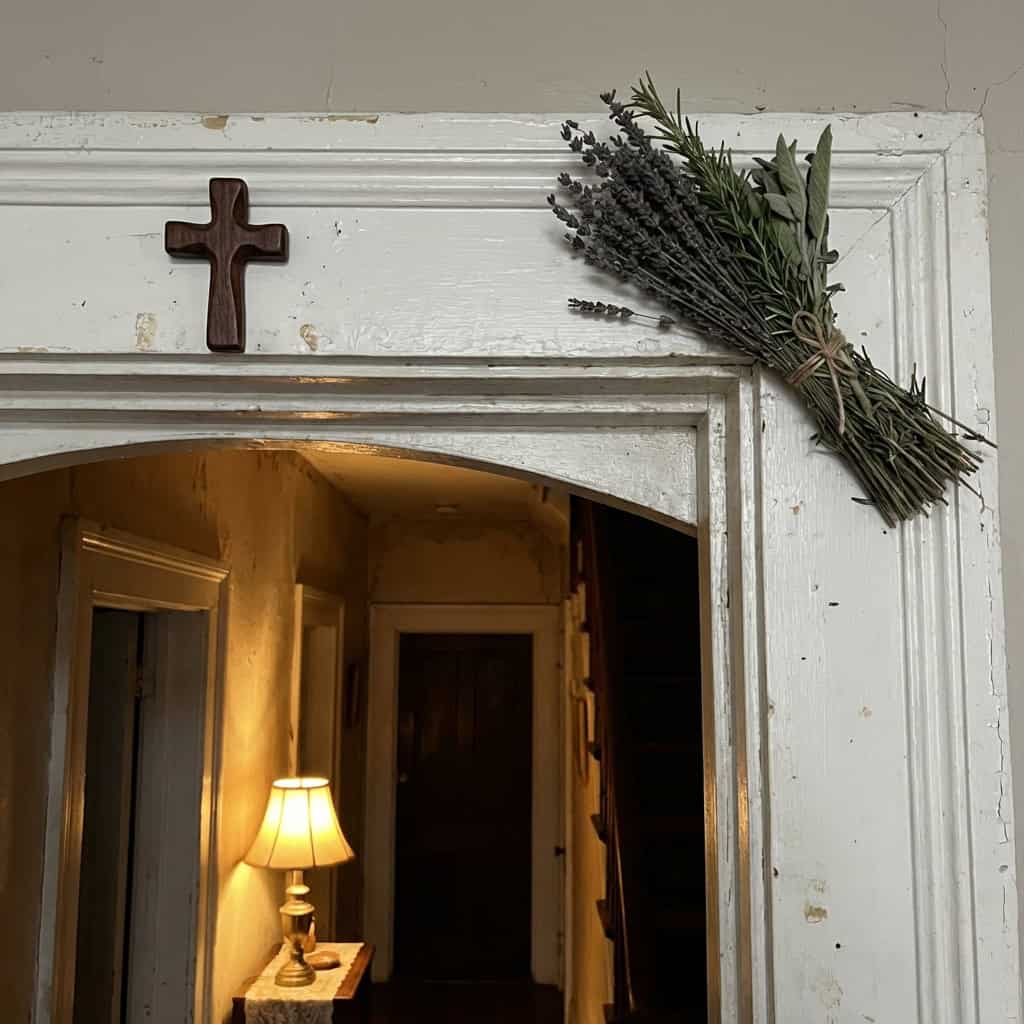
You find a small cross above every door frame. Or a medallion buried in the foundation. Or a cluster of dried herbs tied with string and tucked into the corner of a closet. Or a small statue placed in a specific spot in the yard, facing a specific direction, with clear intentionality.
These are not decorations. They are placements — objects positioned in specific locations around the house for spiritual or protective purposes by someone who believed the house needed them.
Some are Christian — crosses, saint medallions, holy water fonts. Some are from other traditions — evil eye charms, bundles of sage, written prayers folded and sealed. Some are combinations that do not correspond to any recognizable tradition at all.
The new homeowner finds them and faces a question: remove them or leave them? Most people leave them. Not because they share the belief, but because removing a protective object from a house feels like a bet you do not want to lose.
21. A Deep Freezer in the Basement — Sometimes Still Full
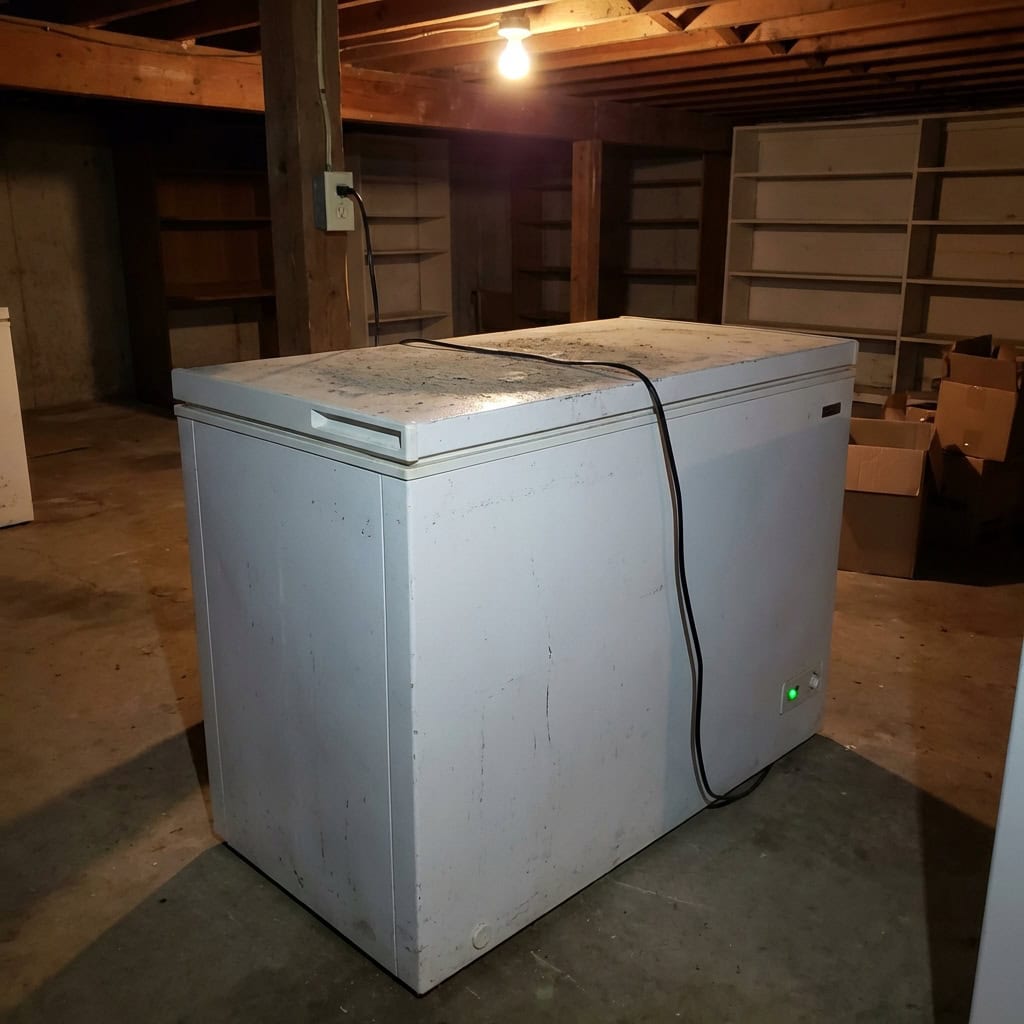
It is in the basement, the garage, or the utility room. A chest freezer. White. Heavy. Plugged in. Humming.
The previous owner left it. The real estate agent did not mention it. And now you have to decide whether to open it.
Most of the time, it contains what you would expect — freezer-burned meat, bags of vegetables from three years ago, ice cream that has been refrozen so many times it has the texture of drywall compound.
But sometimes it is full. Genuinely full — venison from a hunting trip, a side of beef, homemade soup in labeled containers. An entire food supply that the previous owner either forgot about or simply could not take with them.
And sometimes — rarely, but often enough that it has become a genre of internet horror story — the freezer contains something that nobody wants to talk about.
You open it anyway. You always open it.
22. Collections — Hundreds of Something Specific
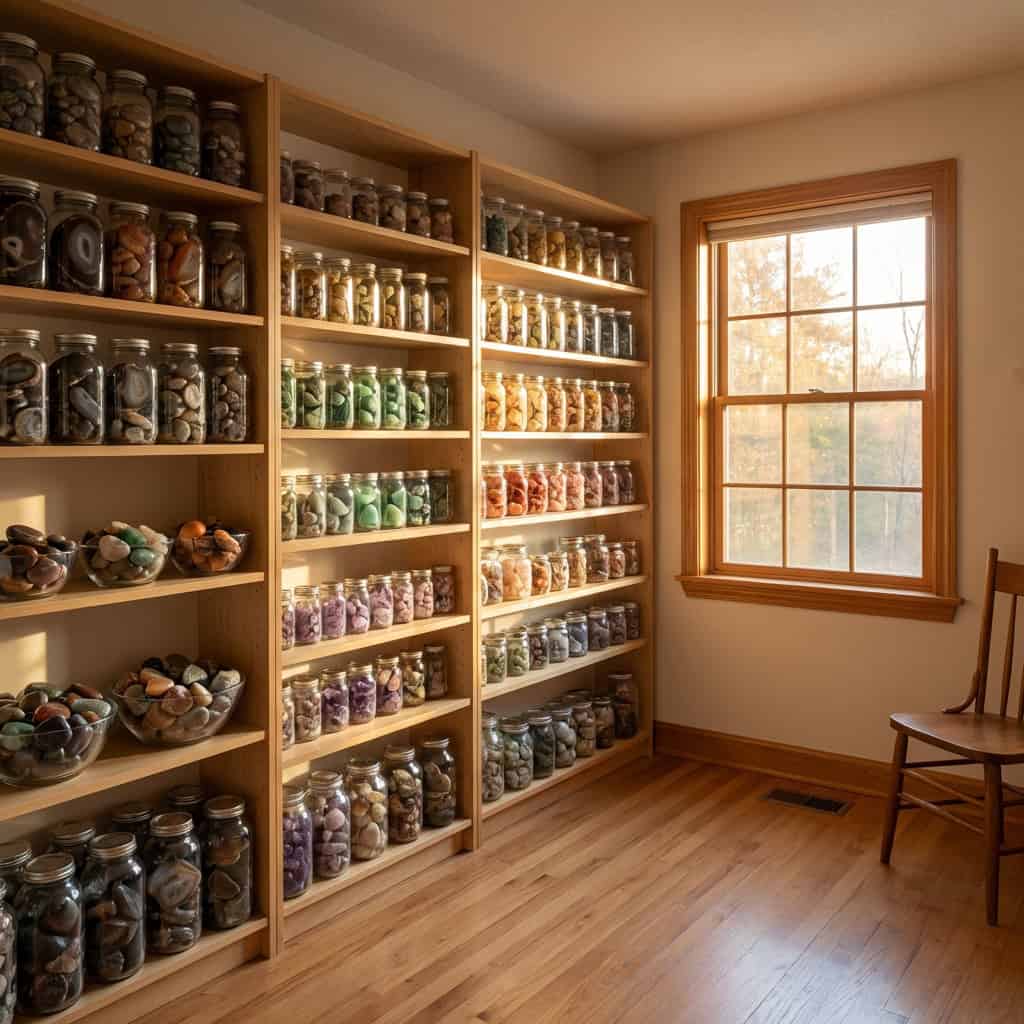
The previous owner collected something. And they collected it with a devotion that borders on compulsion.
Rocks. Polished, tumbled, sorted by size and color — hundreds of them, filling buckets in the basement. Dolls. Porcelain, cloth, and plastic, displayed on shelves in a spare room that the new homeowner opens for the first time and immediately wishes they had not. Bottles. Old medicine bottles, soda bottles, milk bottles — lined up on every windowsill and shelf in the garage.
Magazines. National Geographic from 1974 to 2003, every single issue, stacked in the attic in chronological order. Coins. Keys. Buttons. Thimbles. Salt and pepper shakers in the shape of animals.
The collection was clearly the center of someone’s world. It was organized, maintained, and cared for with the kind of attention that most people reserve for their children.
And then they left it all behind. Every single piece.
23. A Wall of Family Photos They Never Came Back For

This is the one that stays with you.
The previous owner took the furniture, the dishes, the clothes, and the dog. But they left the photos. Framed portraits on the wall. School pictures. Wedding photos. A baby in a christening gown. A couple on vacation somewhere tropical, squinting into the sun, younger than they will ever be again.
The photos are still hanging when the new homeowner walks through for the first time. Nails in the wall, frames level, glass clean. A family frozen in time, smiling at a room they no longer live in.
Nobody comes back for them. Nobody calls. The new homeowner takes them down, stacks them on the counter, and waits for someone to claim them. Nobody does.
Eventually they end up in a box. Then the box ends up in the garage. Then the garage gets cleaned out and someone has to decide whether to throw away photographs of strangers — which is a surprisingly difficult thing to do.
24. Newspapers and Mail Stacked Floor to Ceiling in One Room
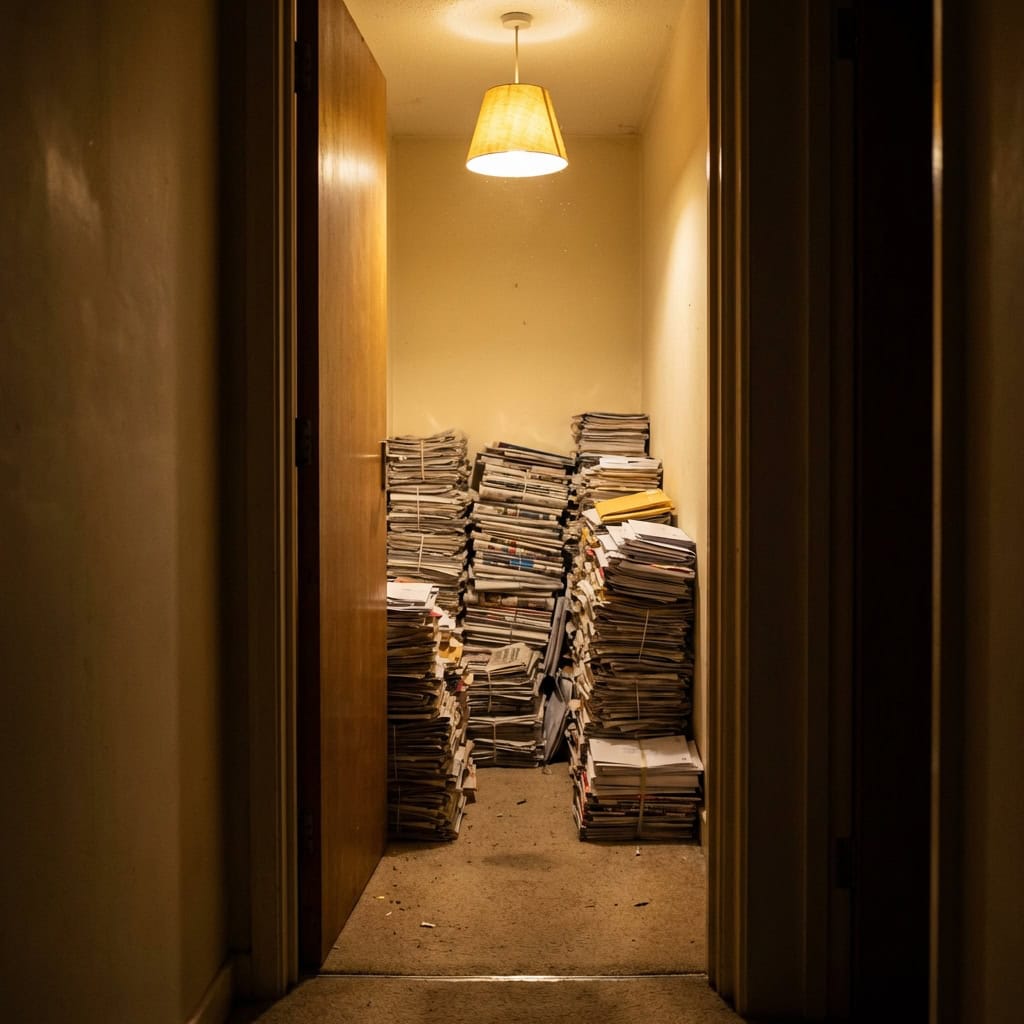
You open a bedroom door and cannot get in.
The room is full. Not with furniture — with paper. Newspapers stacked in columns from the floor to within inches of the ceiling. Mail — opened and unopened — piled on every surface. Catalogs, magazines, flyers, and junk mail compressed into dense layers that have fused together from years of weight and humidity.
The previous owner stopped throwing things away at some point. Nobody knows when. The mail kept coming and they kept stacking it, day after day, until one room became the room where paper goes and nobody goes in.
This is not clutter. This is the physical evidence of something deeper — a person who could not let go of anything, including the Tuesday circular from 2008.
Cleaning it out requires a dumpster, a dust mask, and the knowledge that somewhere in those stacks, between a credit card offer and a grocery store flyer, there might be something important. A check. A letter. A document someone needed.
You will never find it. But you will think about it the entire time you are hauling bags to the curb.
25. A Room That Is Clearly Different From Every Other Room in the House — And Nobody Can Explain Why
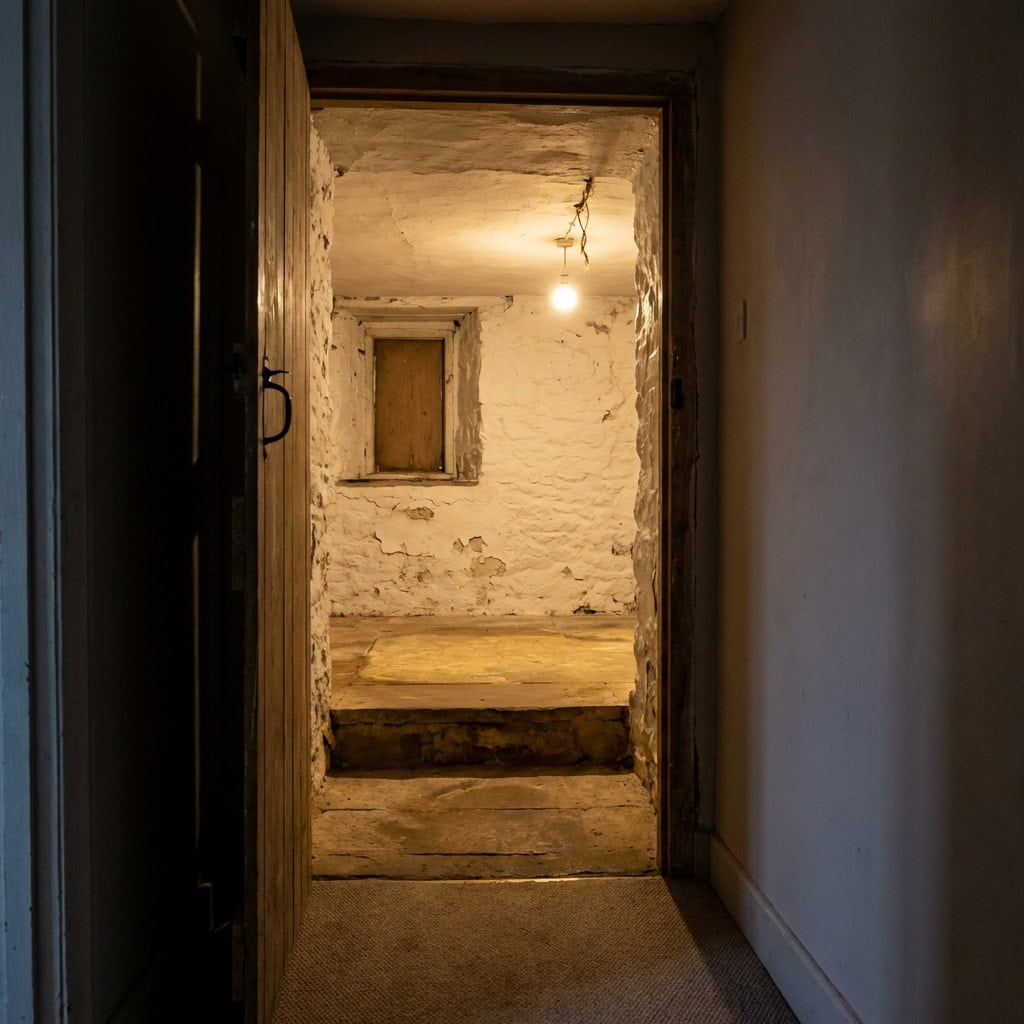
Every room in the house makes sense except one.
The rest of the house is normal. Matching trim, consistent flooring, standard fixtures. And then there is this room — the one with the different door. Or the extra-thick walls. Or the window that was sealed from the inside. Or the floor that is two inches higher than the hallway. Or the ceiling that is lower than every other room. Or the lock — on the outside.
The room does not match the rest of the house. It was not part of the original floor plan, or it was modified at some point in a way that nobody documented and nobody can reverse-engineer.
The previous owner did not mention it. The home inspector noted it as “non-standard construction” and moved on. The real estate agent called it “a bonus room” and changed the subject.
You use it as a guest room. Your guests ask about it. You do not have an answer.
Nobody ever does.
Every house has a history, and that history does not move out when the previous owner does. It stays — in the walls, in the yard, in the attic, in the shed, and in the rooms that nobody talks about.
The things people leave behind are not always valuable. They are not always meaningful. But they are always personal — small pieces of a life that was lived inside the same walls you now call home.
If you have ever bought a house, you know. The keys are yours. The house is yours.
But the stories were there first.