

There is an 82-year-old man somewhere in your state who can build a staircase entirely by hand.
He learned from his father, who learned from his father. He does not use a computer. He does not use a laser level. He uses a pencil, a framing square, and 60 years of knowledge stored in his hands.
When he retires, everything he knows goes with him.
This is happening right now across dozens of trades and crafts that were once essential to American life. The people who mastered these skills are aging out, and in most cases, nobody is stepping in behind them.
We are not talking about hobbies. We are talking about trades that built the furniture you inherited, the houses you admire, and the infrastructure you rely on.
Here are 25 dying trades and crafts that almost nobody knows how to do anymore — and why losing them matters more than you think.
1. Hand Plastering
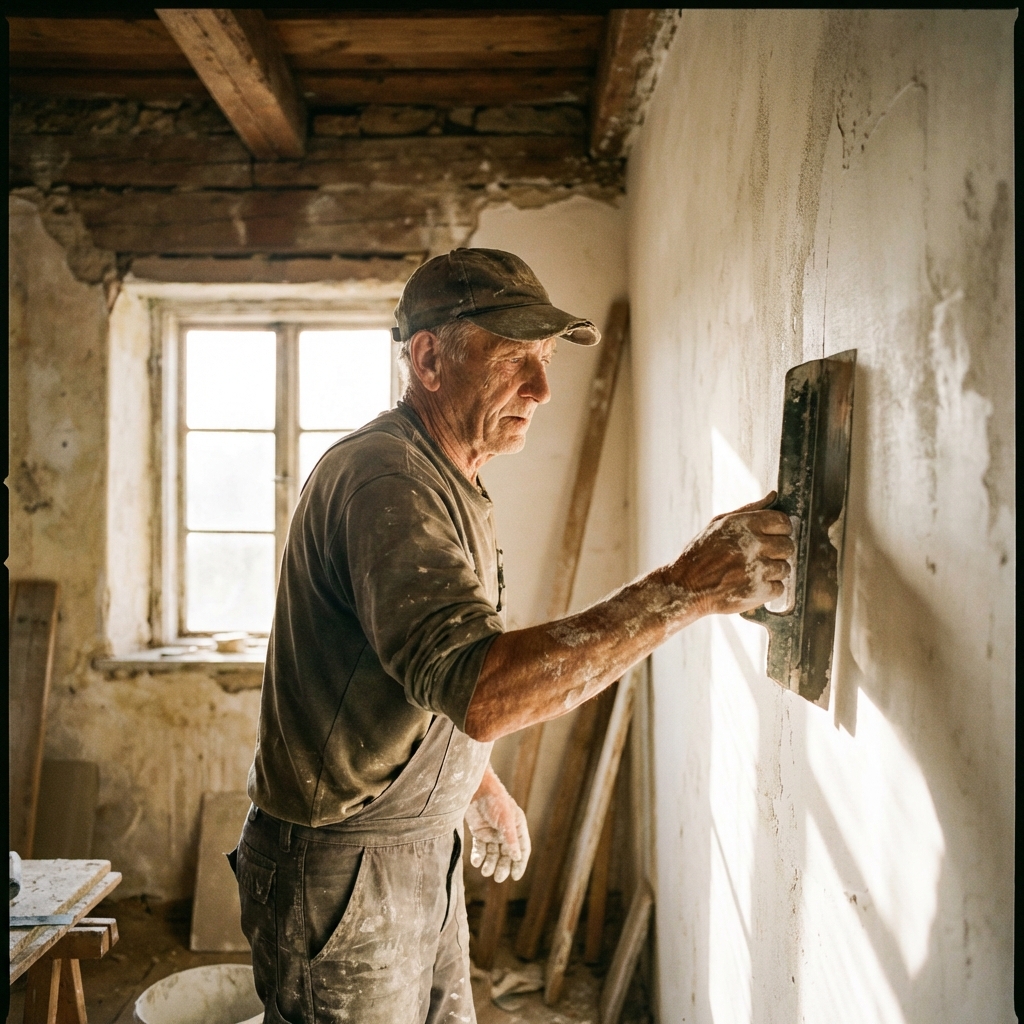
Before drywall took over in the 1950s, every wall and ceiling in America was built by hand by a plasterer.
The process required three separate coats — a scratch coat, a brown coat, and a finish coat — each one applied by hand over wood lath and allowed to cure before the next. A skilled plasterer could finish a wall to a surface so smooth you could press your face against it and not find an imperfection.
It took years to master. The consistency of the mix, the angle of the trowel, the speed of the application — all of it was feel.
Today, when a historic building needs plaster restoration, there are so few qualified plasterers left that they are flown in from other states. In some regions, there are none at all.
2. Chair Caning and Rushing
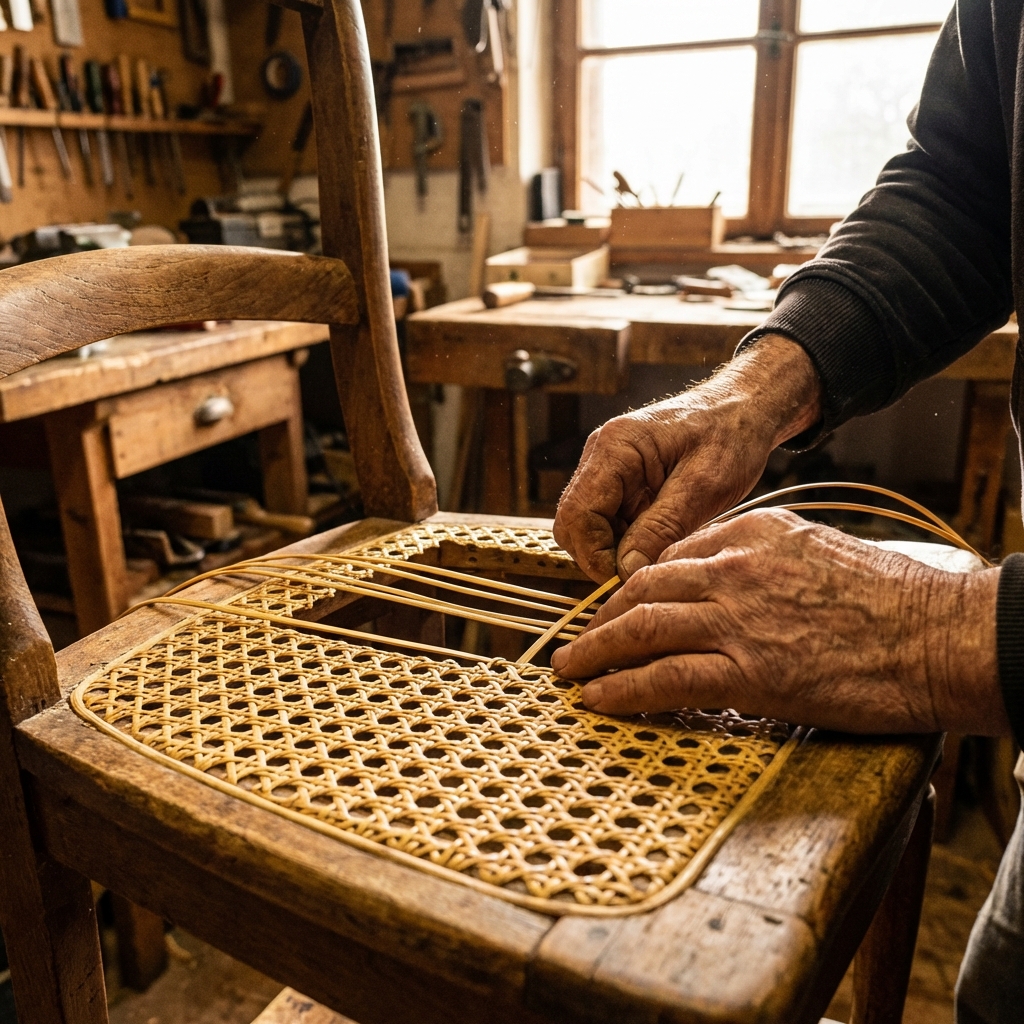
Look at an antique chair and there is a good chance the seat is woven — either with thin cane strips in an intricate pattern or with twisted rush in a tight spiral.
Both techniques require hours of patient, repetitive handwork. A single chair seat can take an experienced caner six to eight hours to complete.
The number of people who can properly cane or rush a chair seat has been declining for decades. When a caned seat breaks today, most people throw the chair away rather than find someone to repair it — because finding someone is nearly impossible.
What is lost is not just the skill but the mindset that a broken chair is worth fixing.
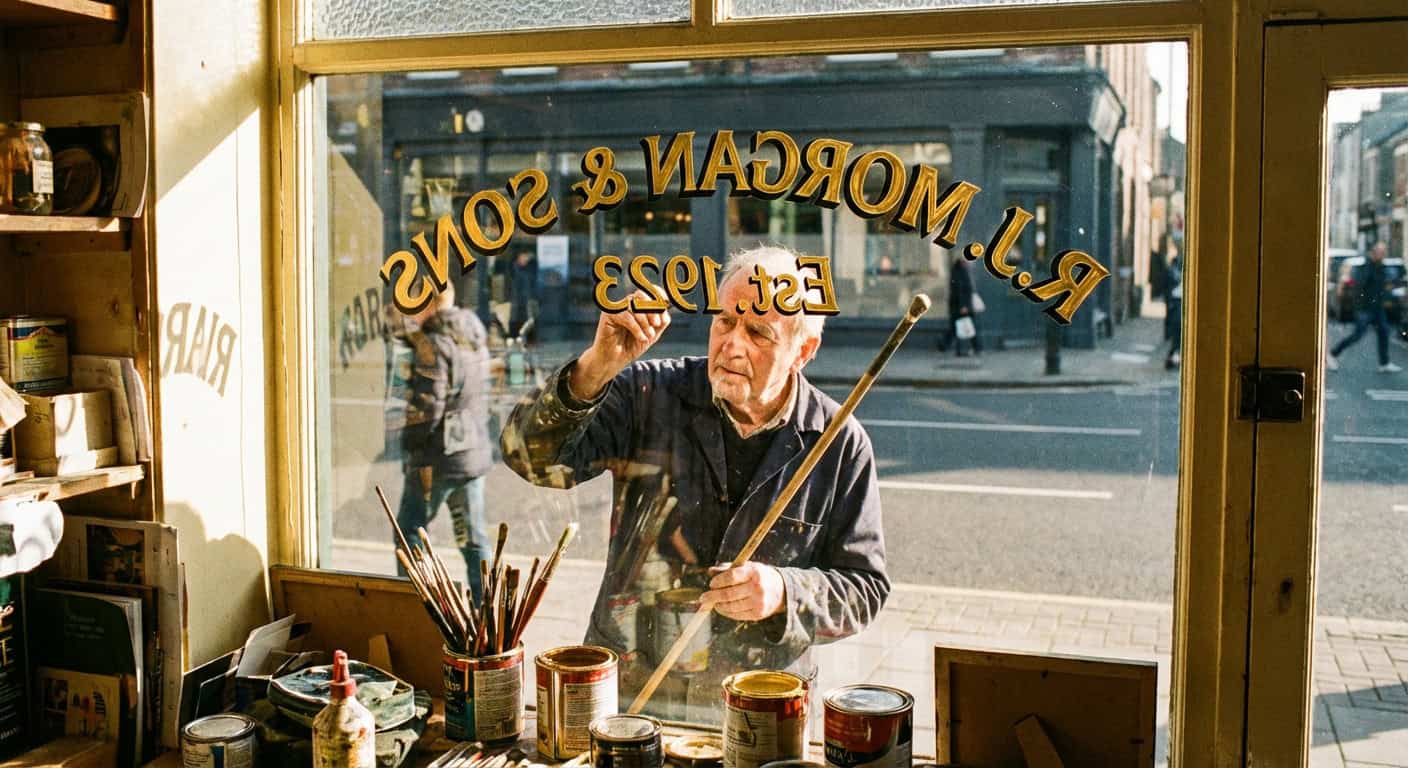
3. Hand-Painted Sign Lettering

Before vinyl decals and digital printing, every business sign, window advertisement, and building name was painted by hand.
Sign painters were artists. They could freehand perfectly spaced, perfectly weighted lettering directly onto glass, wood, or brick without guidelines. Their tools were specialized brushes, steady hands, and decades of practice.
A vinyl sign takes minutes to produce on a computer and costs almost nothing. A hand-painted sign could take a full day and required a master craftsman.
The trade is not completely dead — a small revival is underway among artisan sign painters — but the era of every town having a resident sign painter is long gone.
4. Blacksmithing
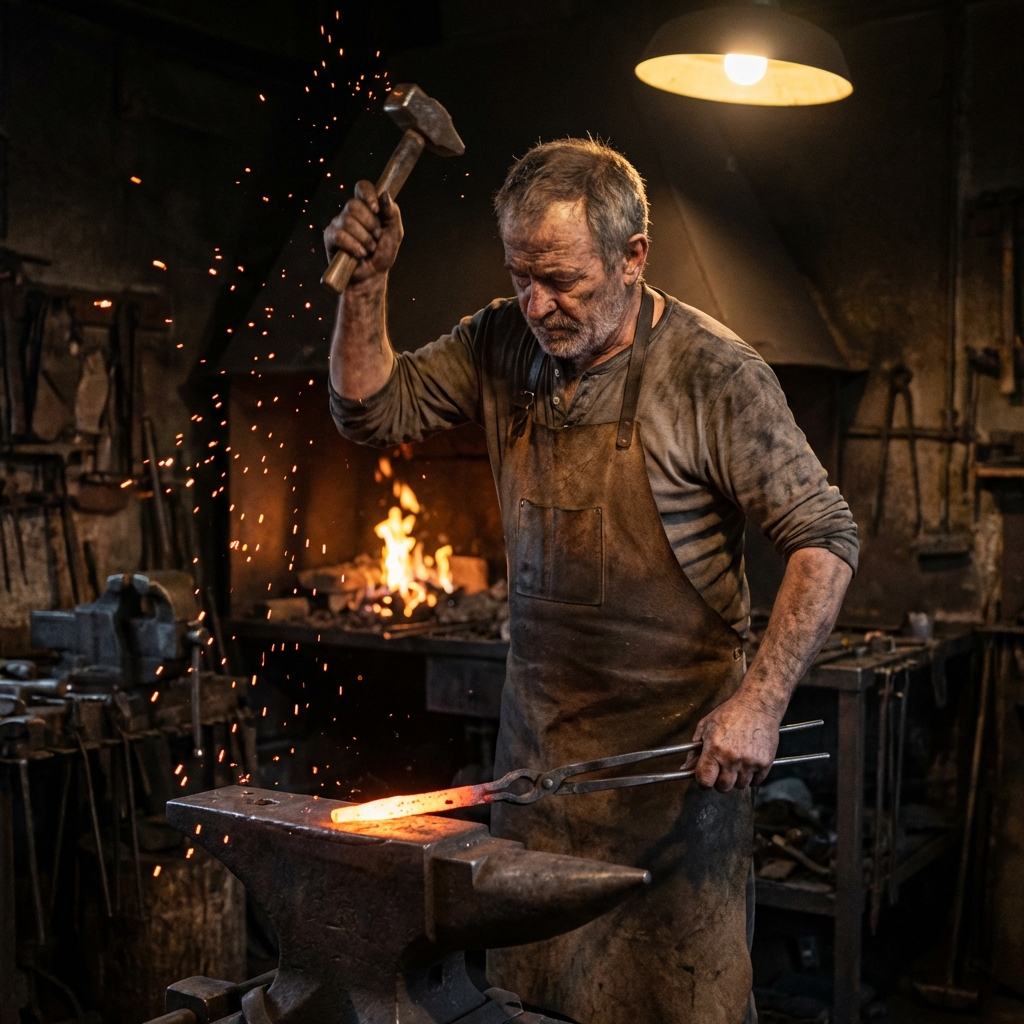
The blacksmith was once one of the most important people in any community. Every nail, hinge, latch, tool, horseshoe, and piece of decorative ironwork was made by hand at the forge.
A good blacksmith understood metallurgy, heat treatment, and joinery. He could make or repair virtually anything made of iron or steel.
The rise of mass manufacturing in the early 1900s eliminated the practical need for a village blacksmith. Today, blacksmithing survives largely as an artisan craft, kept alive by hobbyists and a small number of professionals who make decorative hardware and custom ironwork.
Shows like “Forged in Fire” have brought renewed interest, but the number of working blacksmiths is a tiny fraction of what it once was.
5. Stone Masonry
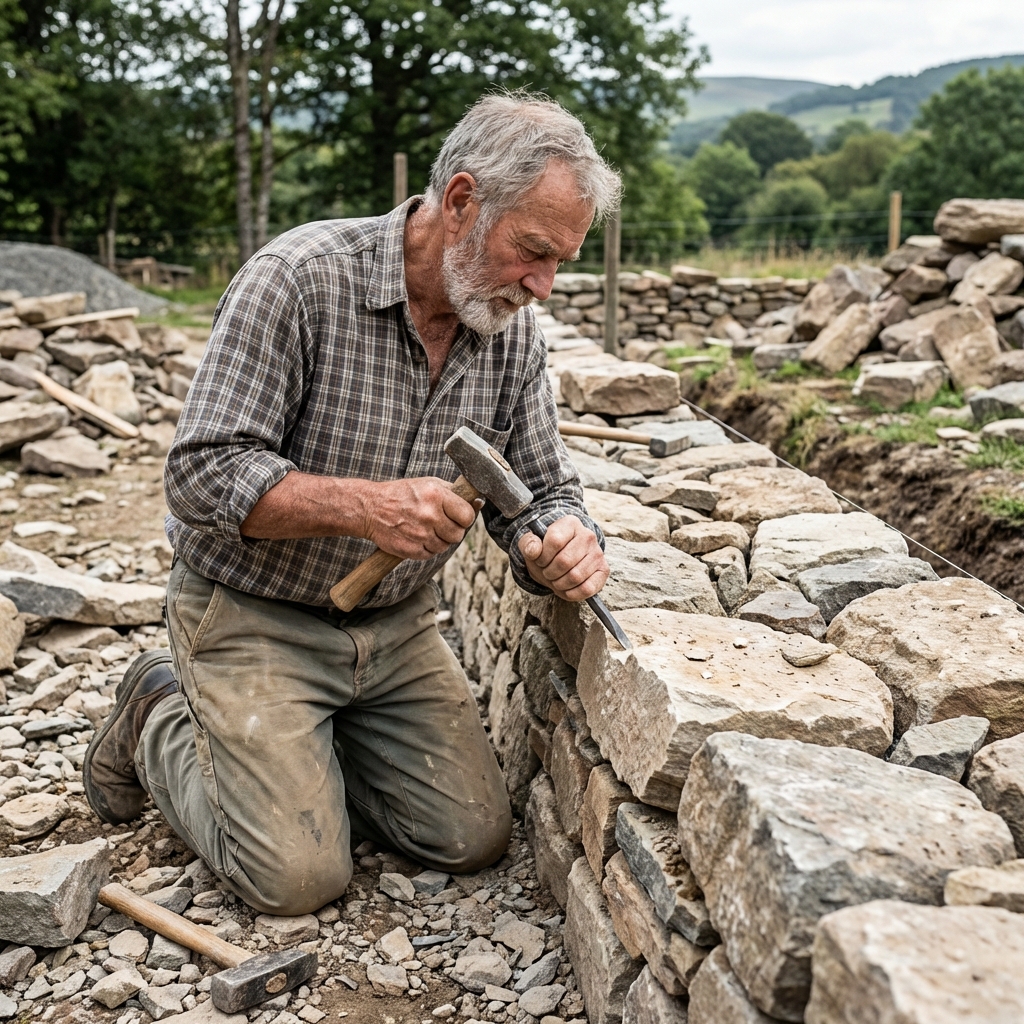
Not bricklaying — stone masonry. The art of selecting, shaping, and fitting natural stone into walls, fireplaces, arches, and foundations without relying on concrete or modern adhesives.
A true stone mason can look at a rough piece of fieldstone and see exactly where it fits in a wall. He can shape it with a hammer and chisel and place it so precisely that gravity and friction hold it in place.
The demand for stone masonry still exists, particularly in restoration work. But finding someone who can actually do it is increasingly difficult. One construction manager reported that the only qualified mason he could find for a historic retaining wall was 78 years old.
6. Coopering
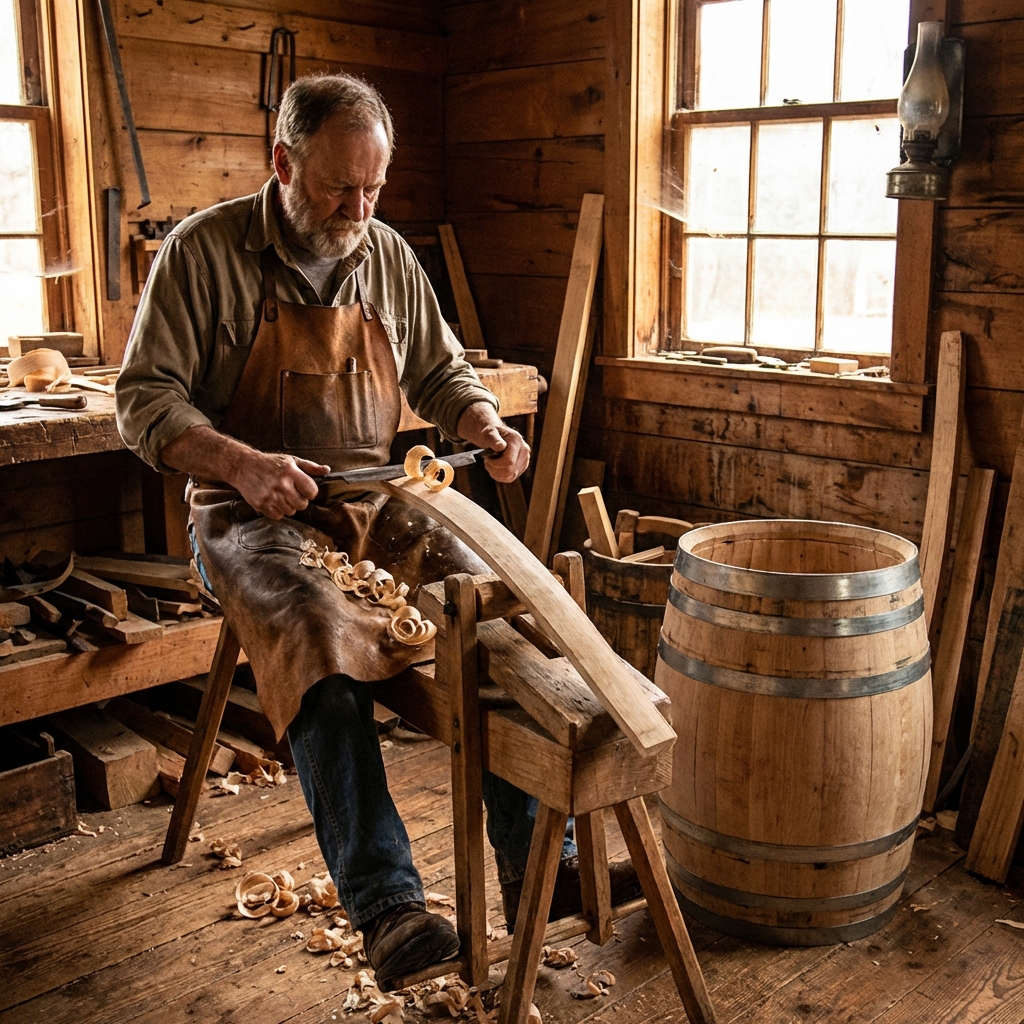
A cooper made barrels, buckets, and casks entirely by hand from shaped wooden staves held together by iron hoops.
It sounds simple. It was anything but.
The staves had to be tapered, beveled, and curved so precisely that when assembled, the barrel was completely watertight without any adhesive or sealant. The cooper shaped each stave with a drawknife and set the hoops with a driver and hammer.
Coopering was once one of the most essential trades in America — every liquid, from water to whiskey to whale oil, was stored and shipped in wooden barrels.
Today, the craft survives almost exclusively in the bourbon and wine industries, where a handful of coopers still make barrels by hand.
7. Saw Doctoring
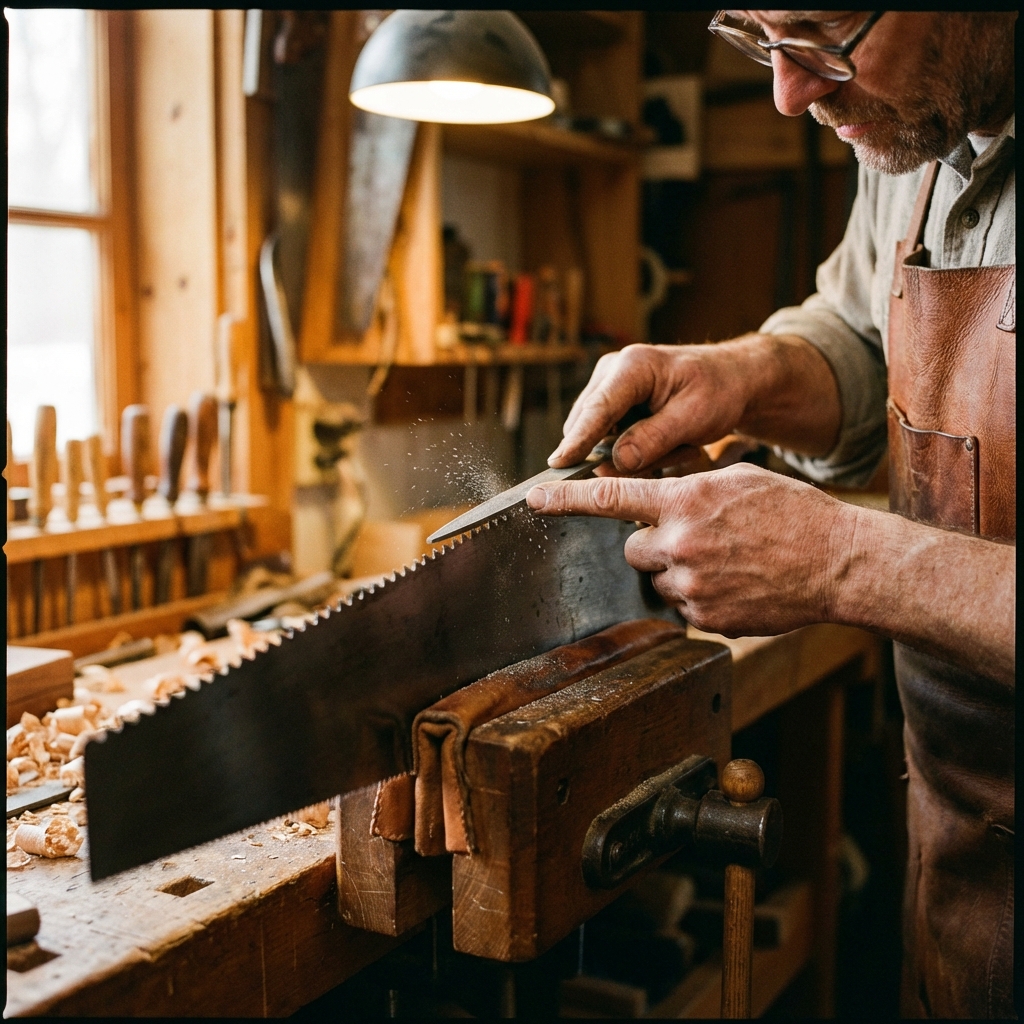
Before carbide-tipped blades and disposable saws, someone in every town made a living sharpening and repairing hand saws, crosscut saws, and mill saws.
The saw doctor knew how to joint, set, and sharpen each tooth by hand using specialized files, anvils, and setting tools. He could take a saw that cut crooked and make it track perfectly. He could repair a kinked blade or replace broken teeth.
Today, when a saw gets dull, you throw it away and buy a new one. The idea that a saw was an investment you maintained for decades — even passed down through generations — has almost completely disappeared.
8. Shoe Cobbling and Resoling
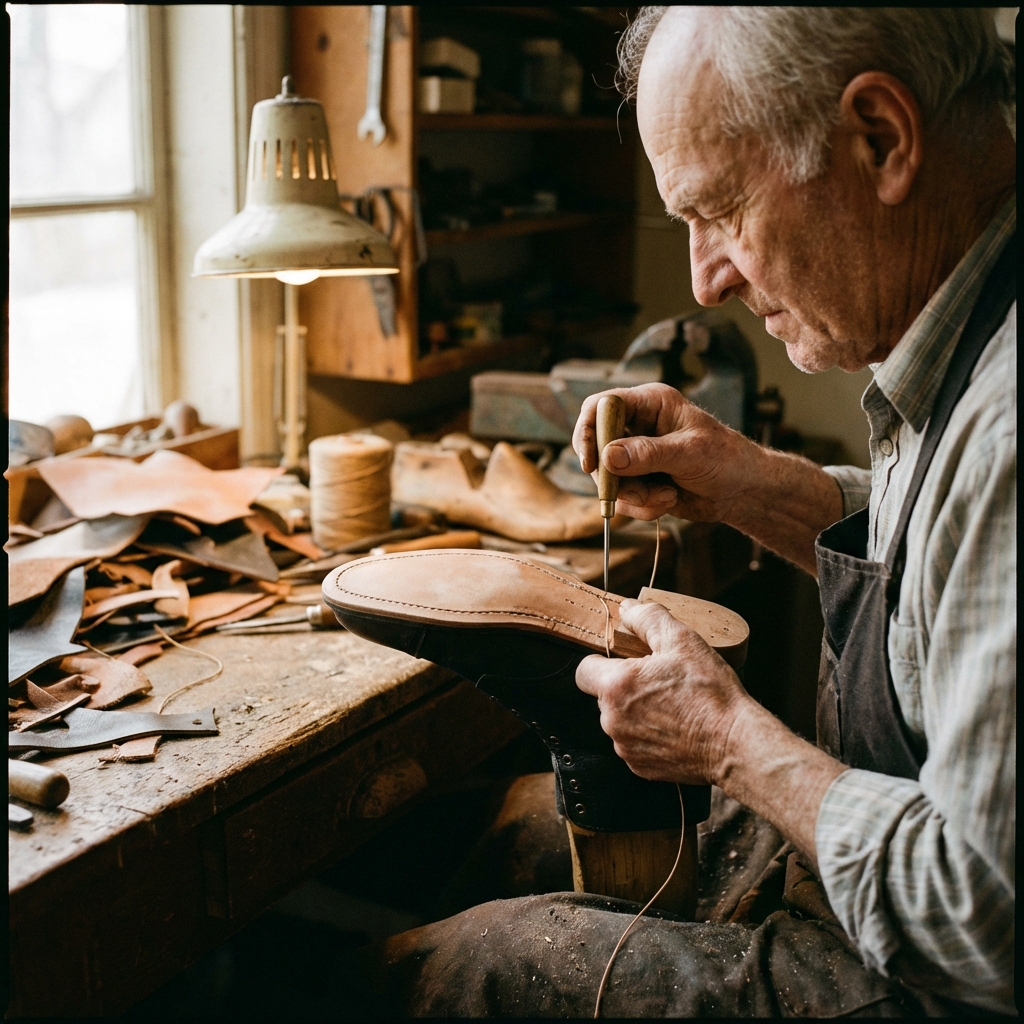
There is a difference between a shoe cobbler and a shoe repairman who puts on rubber heel caps.
A true cobbler could disassemble a shoe down to its last, replace the welt, rebuild the sole from leather, restitch the upper, and return it looking better than new. He understood leather, stitching patterns, adhesives, and the anatomy of the foot.
Cobblers were once on every main street in America. Today, the few that remain are in urban areas and serve a niche clientele willing to pay for quality shoe repair.
The rest of us buy disposable shoes and replace them when they wear out — often within a year.
9. Traditional Upholstery
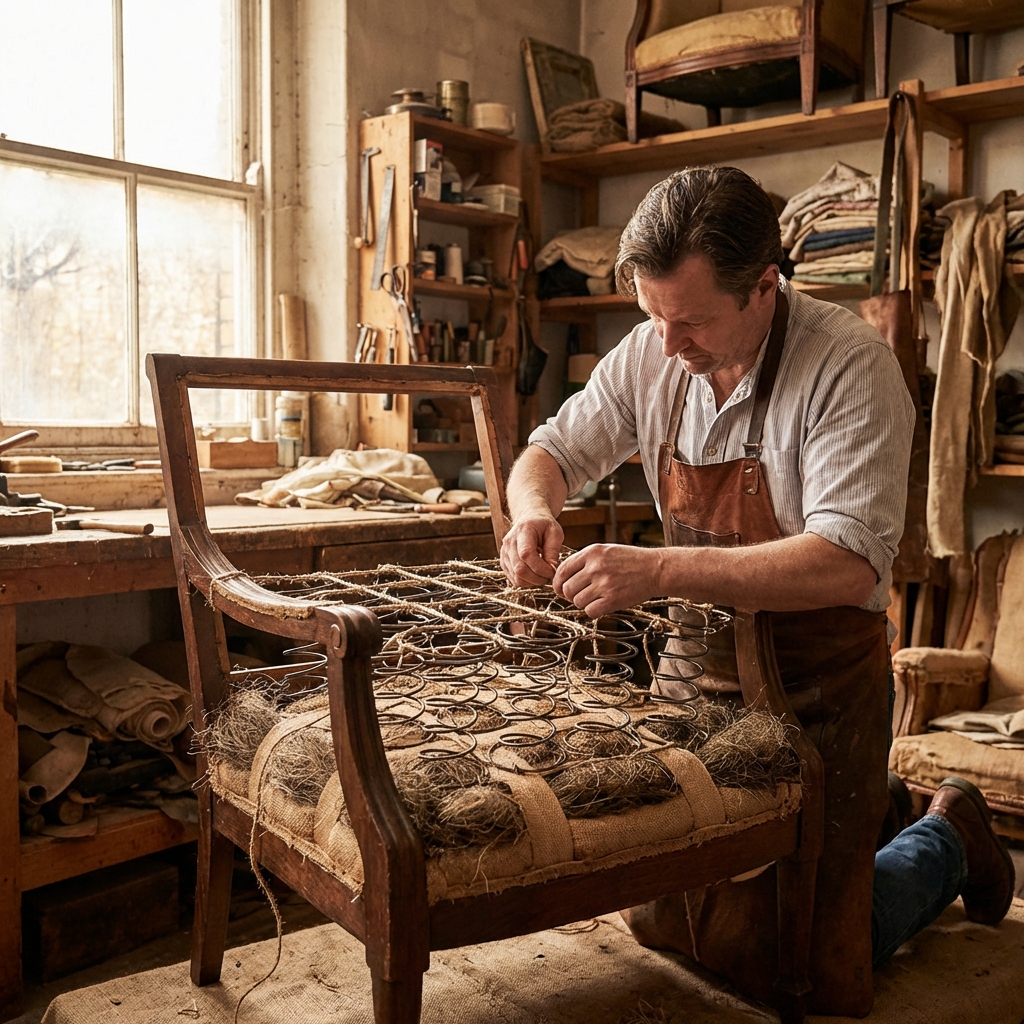
Modern upholstery is mostly foam, batting, and a staple gun.
Traditional upholstery was an entirely different craft. The upholsterer built the seat from the frame up — installing webbing, tying coil springs by hand in an eight-way pattern, layering horsehair or cotton batting, and shaping everything before the fabric ever went on.
A traditionally upholstered piece was comfortable for decades because the internal structure was engineered, not just stuffed. When it eventually wore down, it could be rebuilt.
Today, almost no one is trained in eight-way hand-tied spring work. The craft requires years of apprenticeship that the modern furniture industry cannot justify economically.
10. Dedicated Stair Building
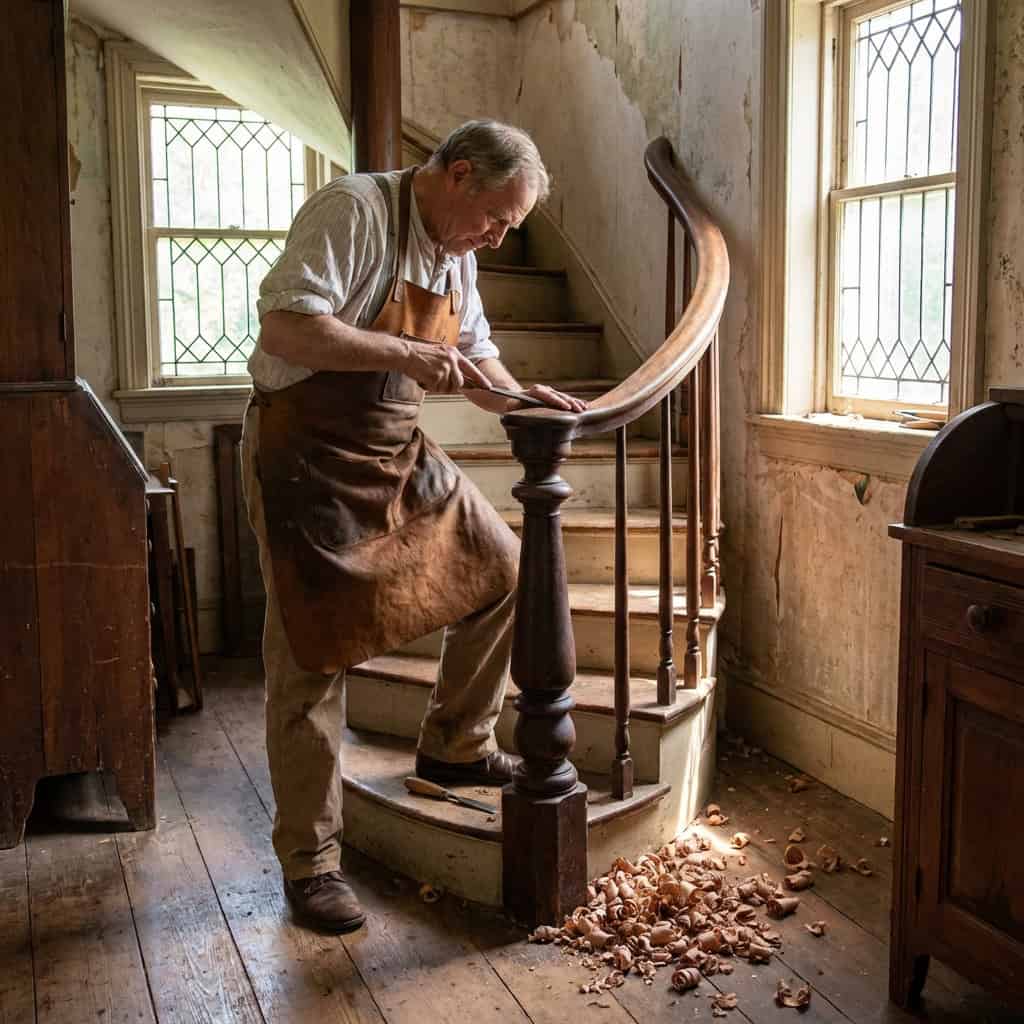
In the old days, stair building was its own trade. A stair builder was not a framer. He was not a finish carpenter. He was a specialist.
He calculated the rise and run, cut the stringers, turned the balusters, shaped the newel post, and assembled the entire staircase as a single, integrated piece of architecture. The best stair builders created pieces that were equal parts engineering and art.
Today, most stairs in new homes are prefabricated — ordered as kits and assembled on site. The idea of a dedicated stair craftsman building a custom staircase from raw lumber is rare outside of high-end custom homes.
11. Lath and Plaster Construction
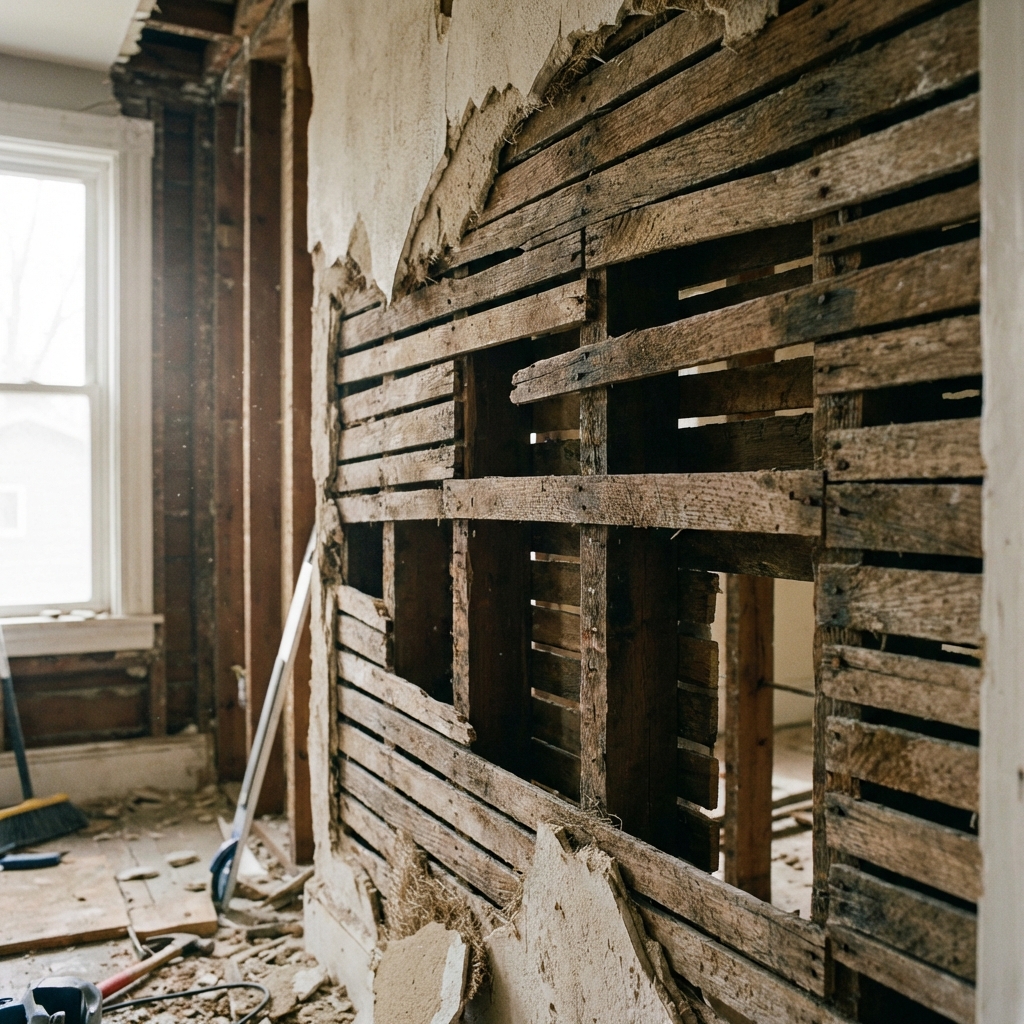
Related to hand plastering but distinct as a trade — the lath man was the person who installed the thin wood strips that the plaster was applied to.
Lath had to be nailed with precise spacing to give the plaster something to grip as it was pushed through the gaps and formed “keys” on the back side. The spacing, the nailing pattern, and the quality of the lath all affected the durability of the finished wall.
When drywall replaced lath and plaster in the 1950s, both trades — the lath installer and the plasterer — disappeared almost simultaneously. An entire two-trade system was replaced by one person with a screw gun and a bucket of mud.
12. Hand-Cut Dovetail Joinery
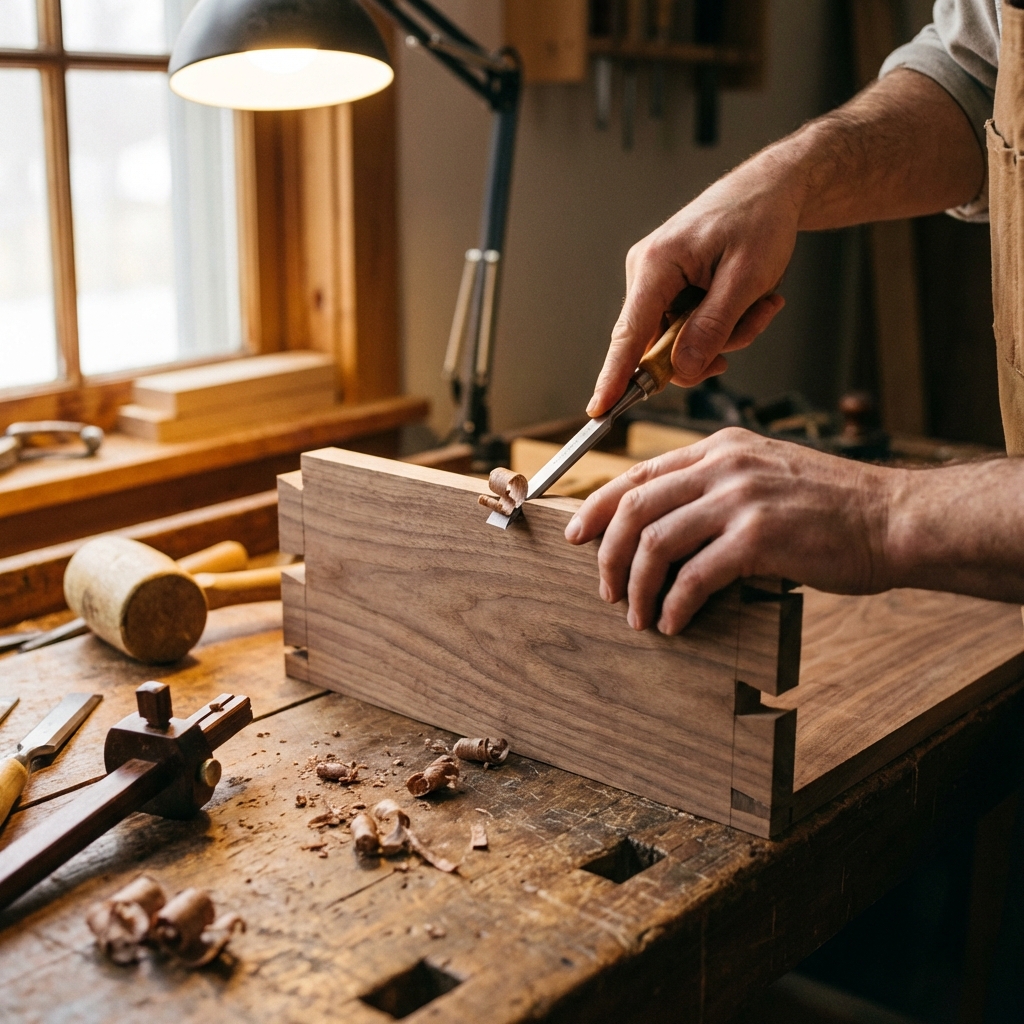
A machine can cut a dovetail joint in seconds. A craftsman can cut one in 15 minutes.
The difference is visible to anyone who knows what they are looking at. Hand-cut dovetails have slight irregularities — each pin and tail is individually marked, sawed, and chiseled. The joints are tight but have a handmade character that machines cannot replicate.
For centuries, dovetails were the signature of quality furniture making. They were how drawers were built, how boxes were joined, and how chests were assembled.
Today, most furniture uses pocket screws, dowels, or machine-cut joints. The number of furniture makers who can cut a tight dovetail by hand — and do it efficiently enough to make a living at it — is vanishingly small.
13. Tinsmithing
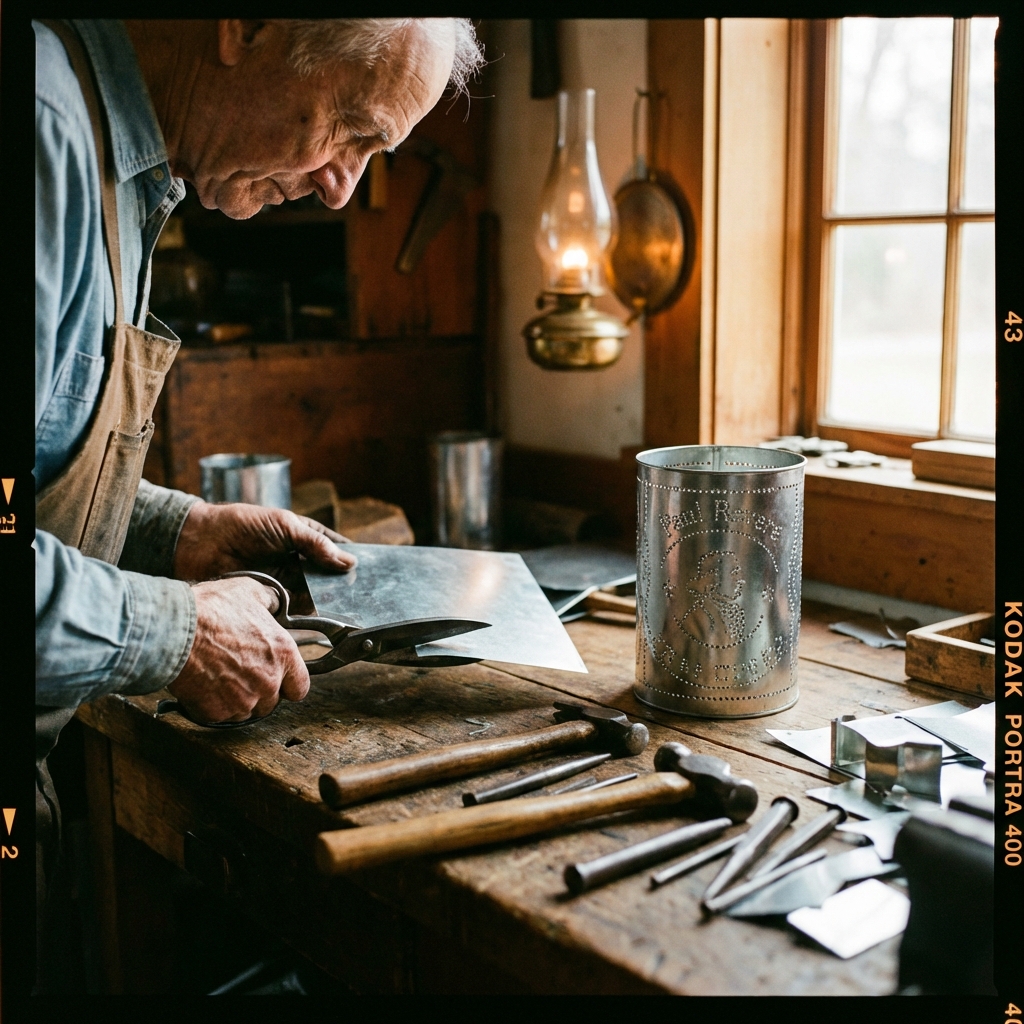
The tinsmith made household items from thin sheets of tin-plated steel — lanterns, candle holders, cups, pie safe panels, cookie cutters, and dozens of other everyday objects.
The craft required cutting, forming, soldering, and punching tin by hand. The decorative punched tin panels on a pie safe were folk art — each pattern unique to the craftsman who made it.
Before mass manufacturing, the tinsmith was as essential as the blacksmith. Today, the craft survives almost exclusively among historical re-enactors and a handful of artisans making reproduction colonial hardware.
14. Wheelwrighting
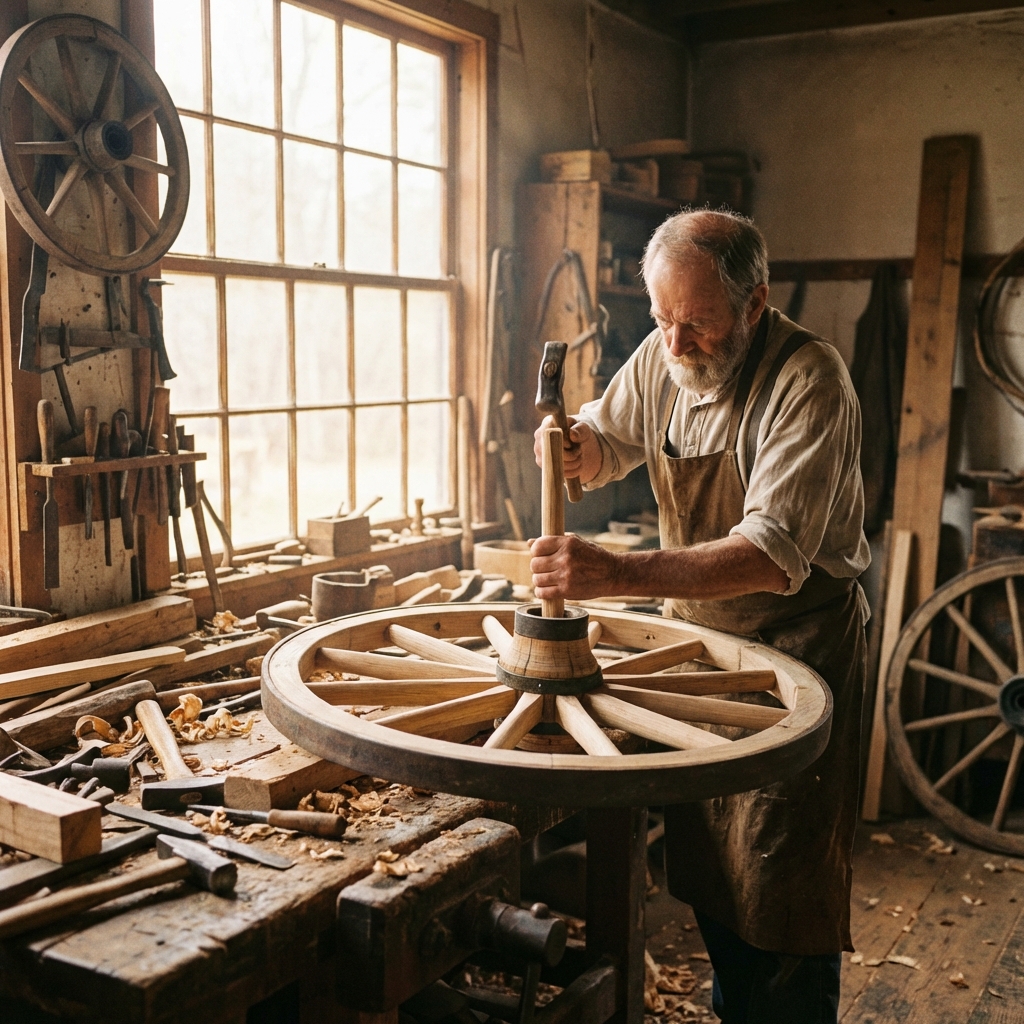
Building a wooden wheel sounds straightforward until you try to understand the engineering involved.
A wheelwright had to shape a hub from a single block of hardwood, cut and fit the spokes at precise angles, bend and fit the felloes (the rim sections), and then shrink-fit an iron tire around the whole thing.
The iron tire was heated in a forge until it expanded, fitted over the wooden wheel, and then quenched with water. As the iron cooled and contracted, it pulled the entire wheel together with incredible force, creating a compression joint that held everything tight.
It was a brilliant combination of woodworking and blacksmithing knowledge. Today, there are perhaps a handful of wheelwrights left in the entire country, working almost exclusively in museum settings and historical preservation.
15. Hand Bookbinding
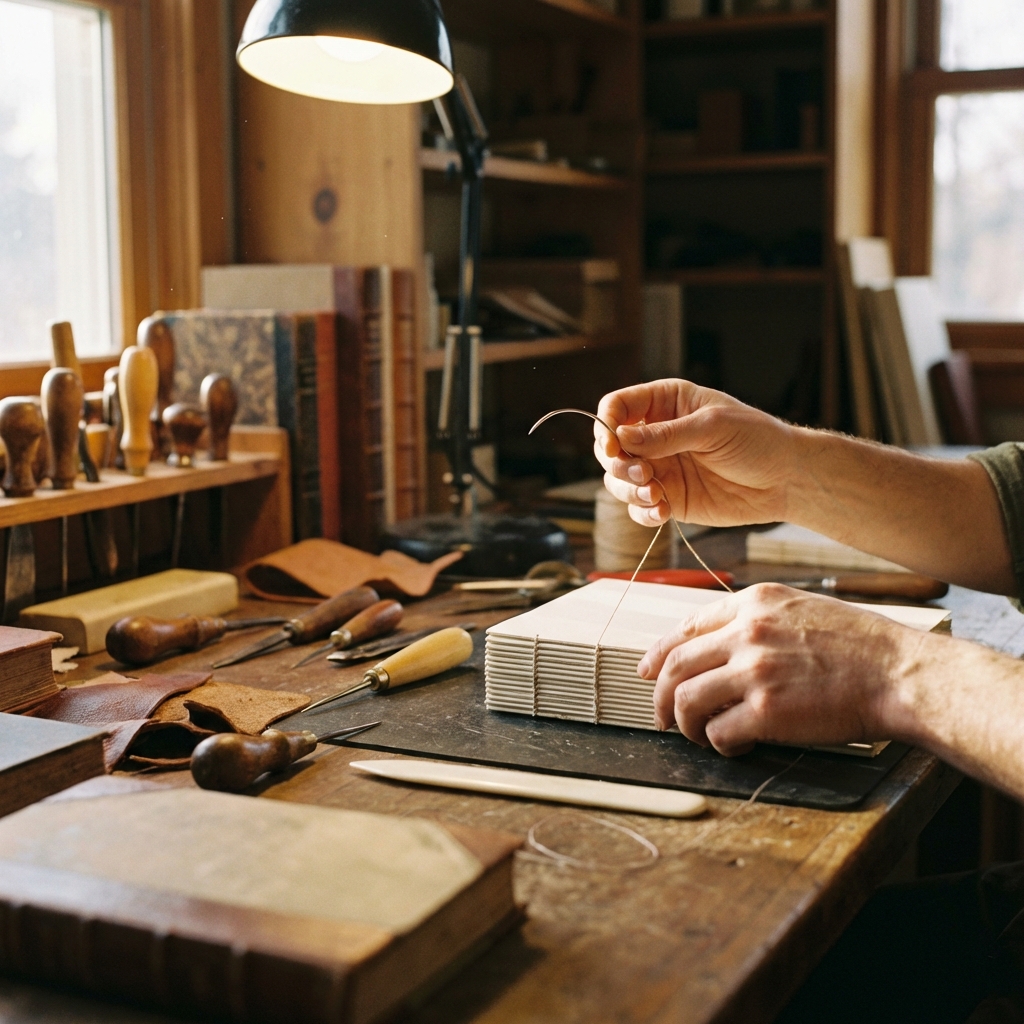
Before machine binding, every book was assembled by hand. Pages were folded into signatures, sewn together with needle and thread, glued to a spine, and bound between covers.
A skilled bookbinder could create a volume that would last centuries — and many have. The books in your local historical society or rare book library were assembled by people whose craftsmanship is still holding together 200 years later.
Hand bookbinding requires a specific set of tools, materials, and techniques that take years to learn. The craft survives in conservation workshops, rare book libraries, and a small community of artisan bookbinders, but it has long since disappeared from the commercial world.
16. Gold Leafing and Gilding
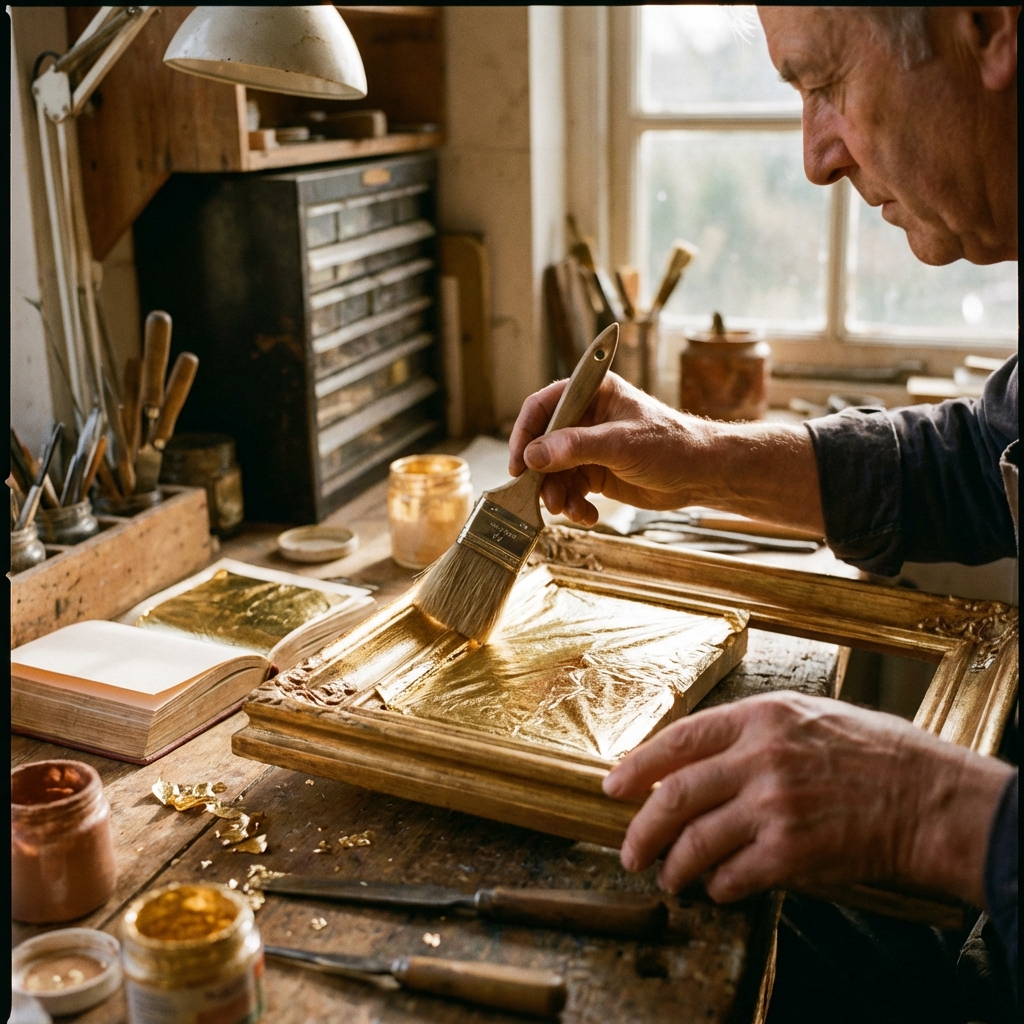
Walk into any old courthouse, theater, or church and look up. There is a good chance the ornate trim, frames, and decorative elements are covered in gold leaf — sheets of real gold hammered so thin you can see through them.
Applying gold leaf is painstaking work. The sheets are so delicate that a breath will blow them away. The gilder applies a tacky sizing to the surface, carefully lays the gold leaf with a soft brush, and burnishes it smooth.
The result is a luminous, warm glow that gold paint cannot replicate. But the skill required — and the cost — has made gilding a rare specialty. When a historic building needs gilding restoration, the wait list can be months because so few people know how to do it.
17. Clock and Watch Repair
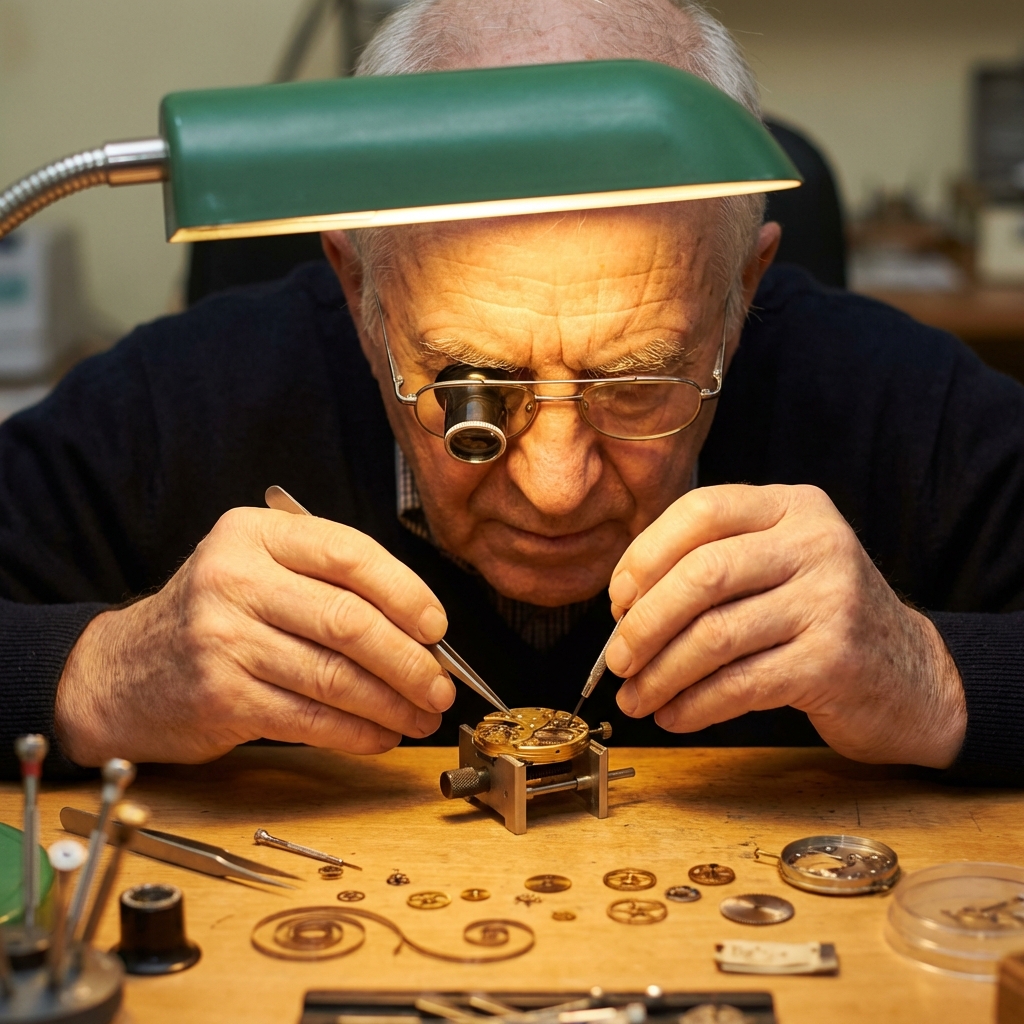
Your grandfather’s pocket watch was not powered by a battery. It was powered by a tiny, precisely engineered mechanical movement — a system of springs, gears, and escapements that had to be assembled, adjusted, and maintained by a trained watchmaker.
Clock and watch repair requires a combination of fine motor skills, patience, and mechanical understanding that is difficult to teach and takes years to master. A watchmaker works under magnification with tools the size of toothpicks.
As digital and quartz timepieces replaced mechanical ones, the need for watchmakers plummeted. Today, fewer than 30 watchmakers in some countries can build a watch from scratch. The ones who remain are in high demand and often have wait lists stretching over a year.
18. Tool and Die Making
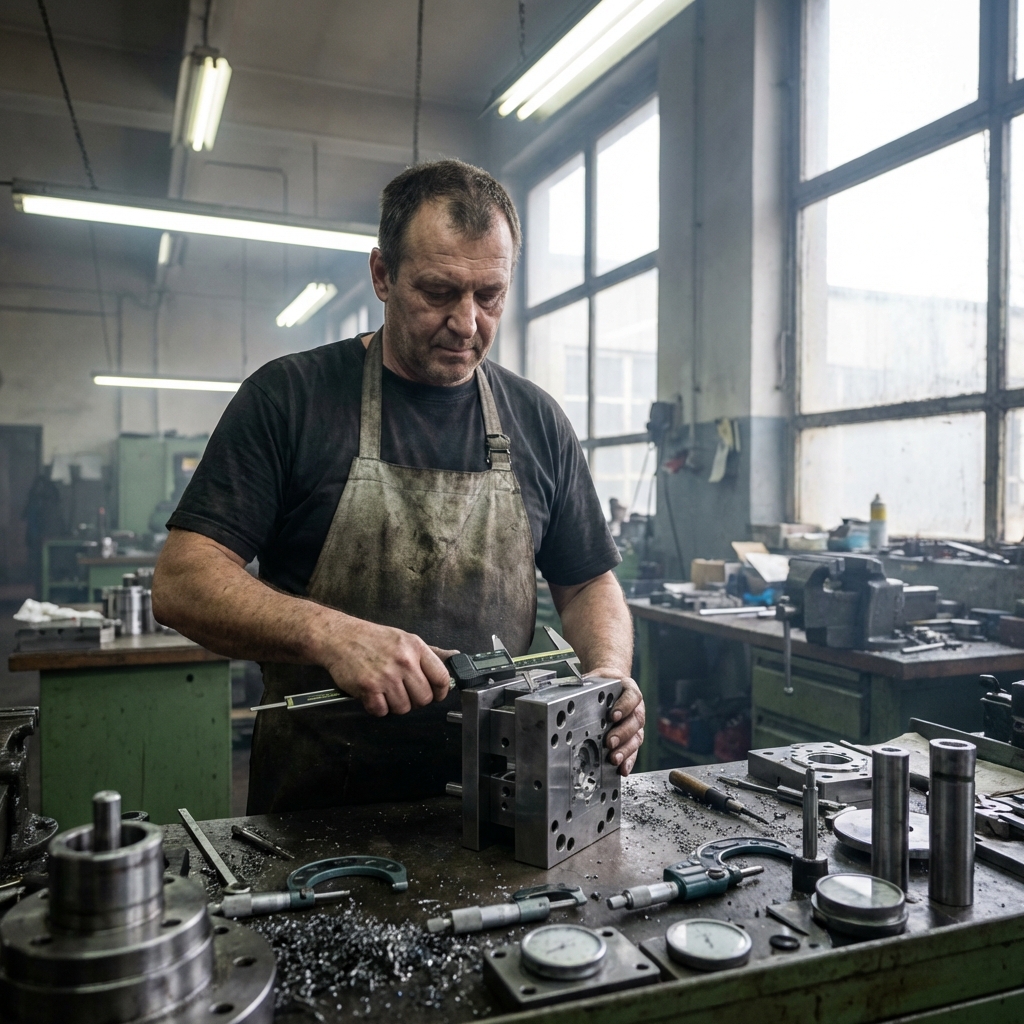
This is the trade that made all other manufacturing possible.
A tool and die maker built the precision metal molds, dies, jigs, and fixtures used to mass-produce everything from car parts to kitchen utensils. Without them, factories could not function.
The trade required a rare combination of machining skill, mathematical precision, and problem-solving ability. A good tool and die maker could hold tolerances measured in thousandths of an inch.
As manufacturing has moved overseas and CNC machines have automated much of the process, the number of skilled tool and die makers in America has dropped dramatically. Shops that need them are struggling to find anyone under 50 who has the skills.
19. Piano Tuning and Repair

A piano has over 200 strings, each one under enormous tension. Tuning one requires adjusting each string’s tension with a specialized wrench while listening for precise intervals between notes.
A piano tuner does not just match pitches. He balances the temperament of the entire instrument — making tiny compromises across the keyboard so that every key sounds correct relative to every other key.
Piano tuning is not extinct. But the number of qualified tuners has been declining for decades as fewer families own pianos and digital instruments have replaced acoustic ones in many settings.
When the last generation of tuners retires, many of the acoustic pianos still in homes across America will slowly fall out of tune with no one to bring them back.
20. Furniture Restoration
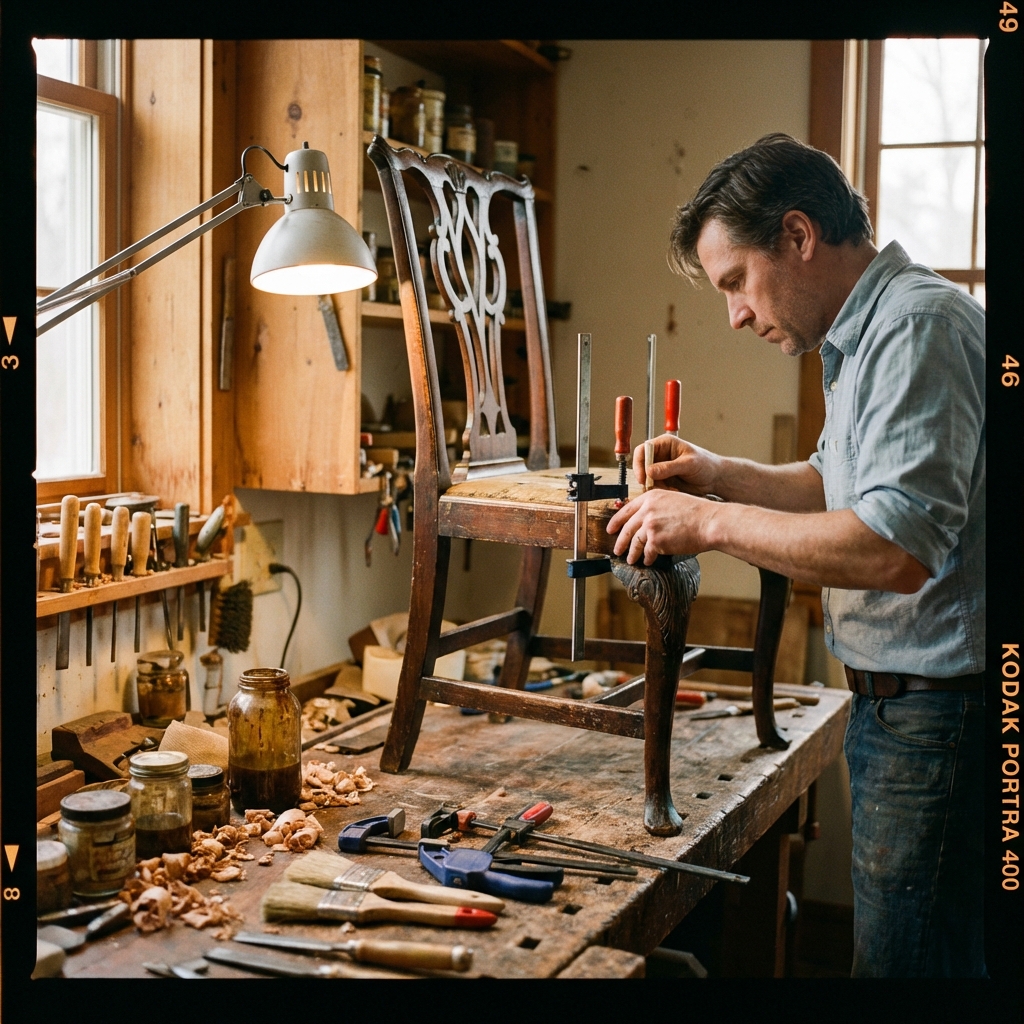
Not refinishing. Not slapping chalk paint on a dresser and calling it “farmhouse chic.”
Real furniture restoration involves disassembling a piece, regluing joints, replacing missing veneer, repairing structural damage, matching the original finish, and returning the piece to its original condition without erasing its character.
A skilled restorer understands wood movement, historic finishes, traditional joinery, and the specific construction methods of different periods. He can tell you when a piece was made, what was original, and what was added later.
This is a craft that requires decades of experience. And as mass-produced furniture has replaced heirloom pieces, fewer people are willing to pay for real restoration — which means fewer people are learning to do it.
21. Window Glazing and Sash Repair
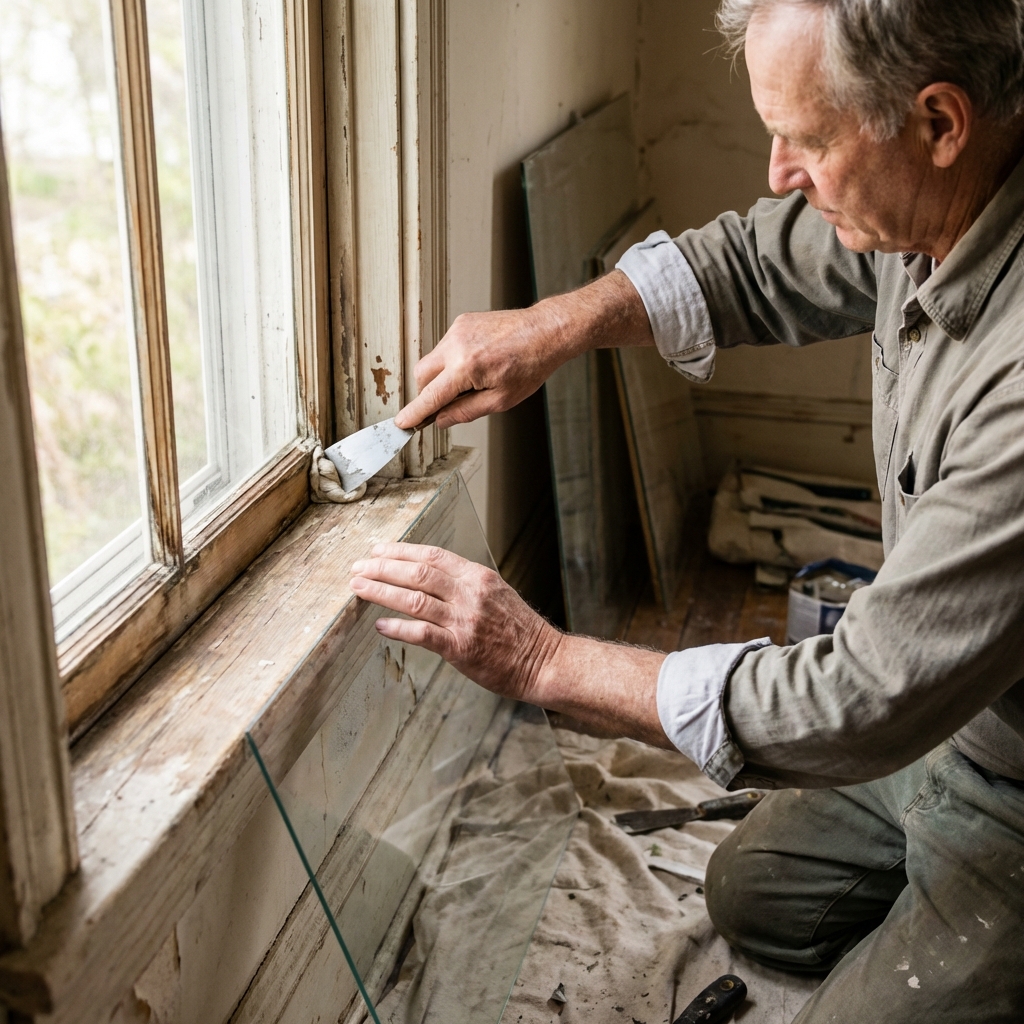
Every old wood window was built with individual panes of glass held in place by glazing putty — a mixture of linseed oil and calcium carbonate that was pressed into the frame by hand with a putty knife.
When the putty cracked and failed, or a pane broke, a glazier would remove the old putty, set a new pane, and reglaze it. It was routine maintenance that kept old windows in service indefinitely.
Today, when a window fails, the entire unit is replaced — usually with vinyl. The skills of glazing, sash repair, weight-and-pulley adjustment, and weatherstripping for old wood windows are disappearing because the modern answer to any window problem is “rip it out.”
22. Hand-Forged Hardware
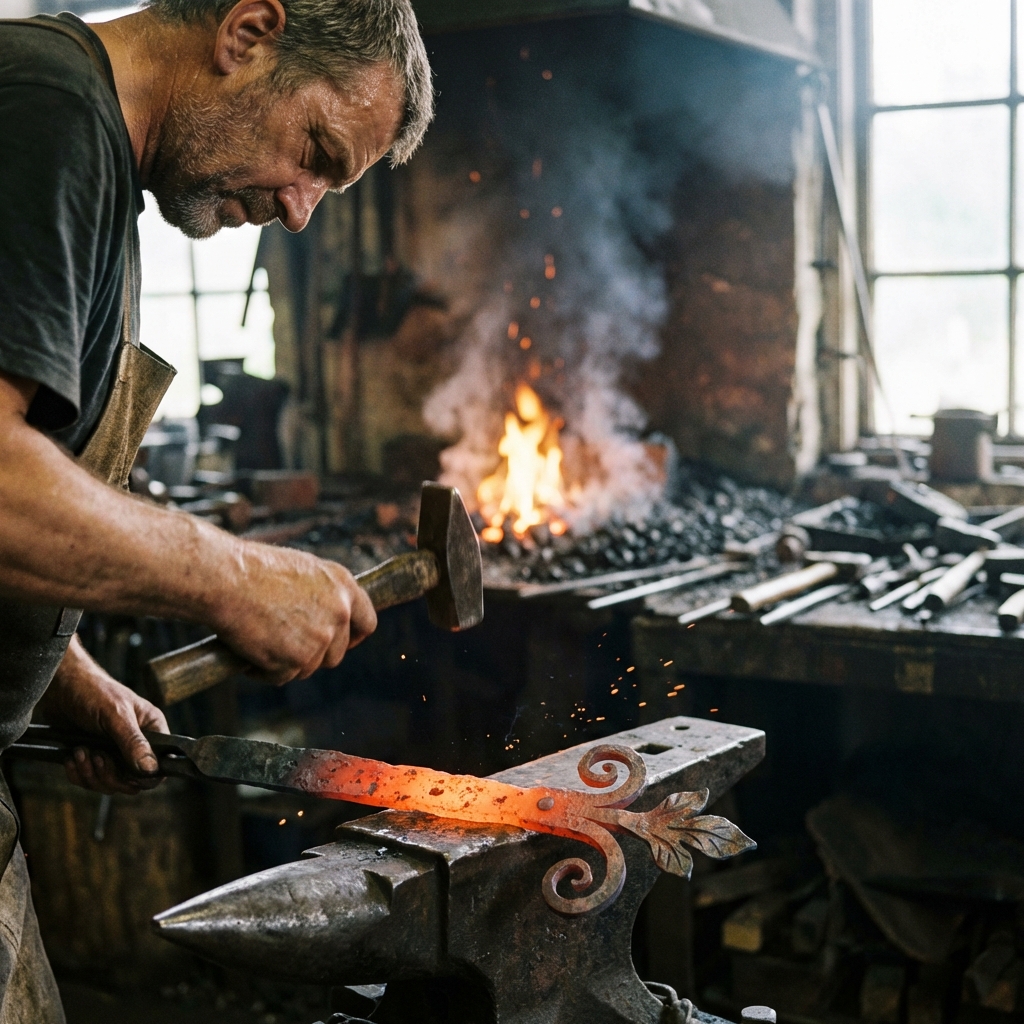
Every hinge, latch, pull, strap, and decorative bracket in a pre-1900 home was made by hand at a forge.
The hardware was not just functional — it was often beautiful. Hand-forged strap hinges with scrolled ends, wrought iron door latches with thumb lifts, and decorative brackets with hammered textures added character to every door and cabinet.
Today, hardware is stamped from sheet metal in a factory. It is functional, consistent, and soulless. The art of forging a hinge from a bar of iron — heating it, drawing it out, punching the holes, and finishing it with a file — is known by a tiny and shrinking number of blacksmiths.
23. Chimney Building and Brick Repointing
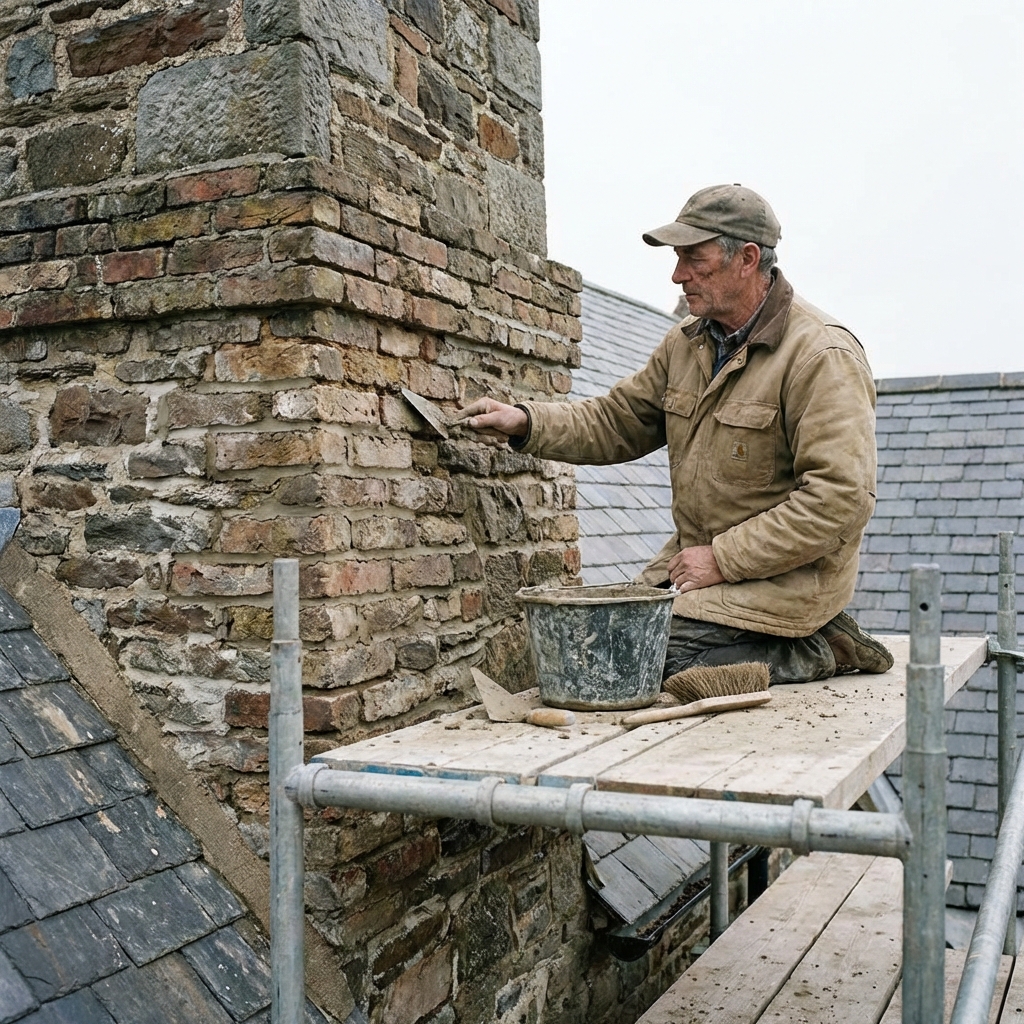
Building a chimney from scratch — laying brick, shaping the flue, constructing the firebox, and finishing the cap — was once a common masonry skill.
Equally important was repointing — the careful process of removing deteriorated mortar from between bricks and replacing it with new mortar that matches the original in composition, color, and profile.
Bad repointing can actually destroy old brick. If the new mortar is harder than the original, the bricks themselves will crack and spall. Knowing which mortar mix to use for which era of construction is specialized knowledge that very few masons possess today.
When you see a beautiful old brick building with crumbling mortar, it is not because brick is failing. It is because there is nobody left who knows how to fix it properly.
24. Hand-Carved Architectural Ornament
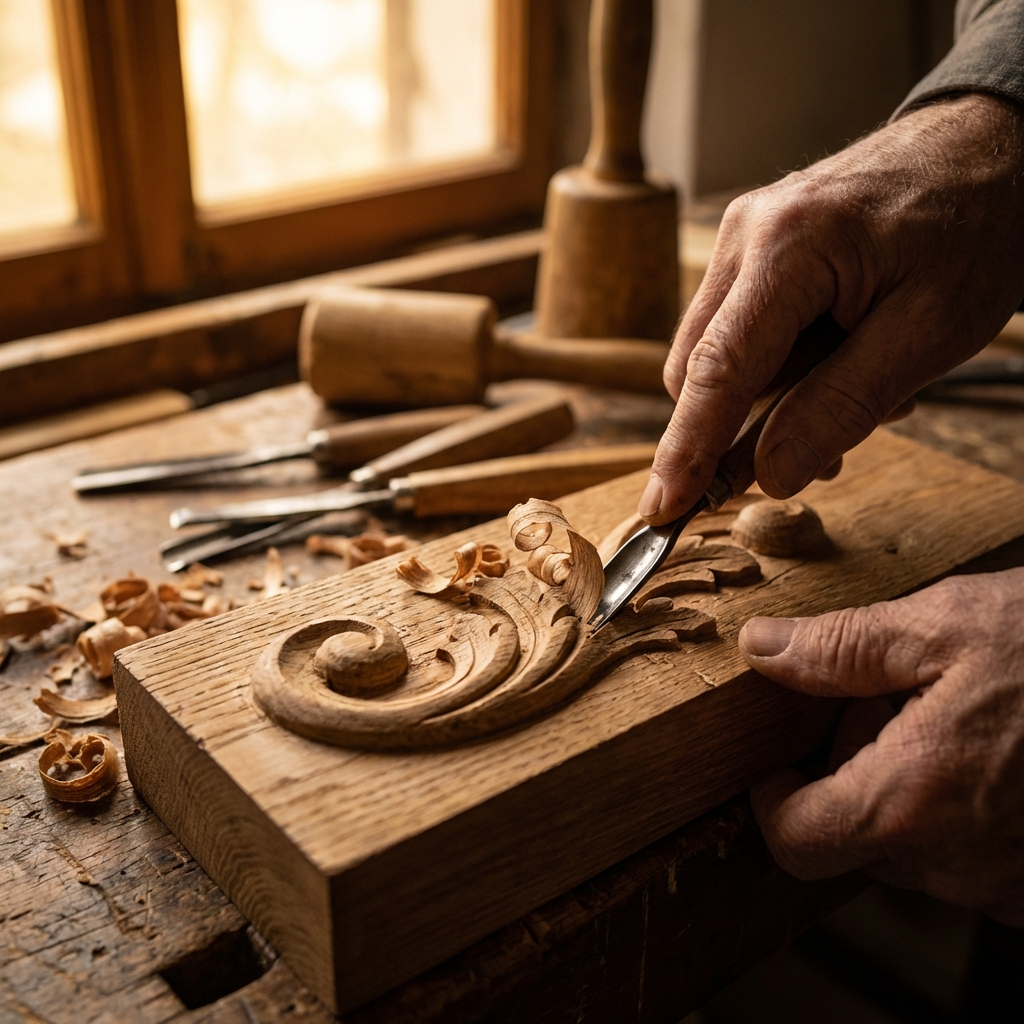
The rosettes, acanthus leaves, scrolls, and decorative brackets that adorn old buildings were not cast in molds. They were carved by hand from blocks of wood, stone, or plaster by trained carvers.
An architectural carver could look at a drawing and translate it into three dimensions with nothing but chisels and gouges. The best carvers could produce details so fine they looked like fabric frozen in wood.
This was never a common skill — it was always the domain of a small number of specialists. But today, it has nearly vanished entirely. When historic buildings need carved elements replaced, the work is either done by one of a very few remaining carvers or replicated with cast resin — which never looks quite right.
25. Bespoke Cabinetmaking
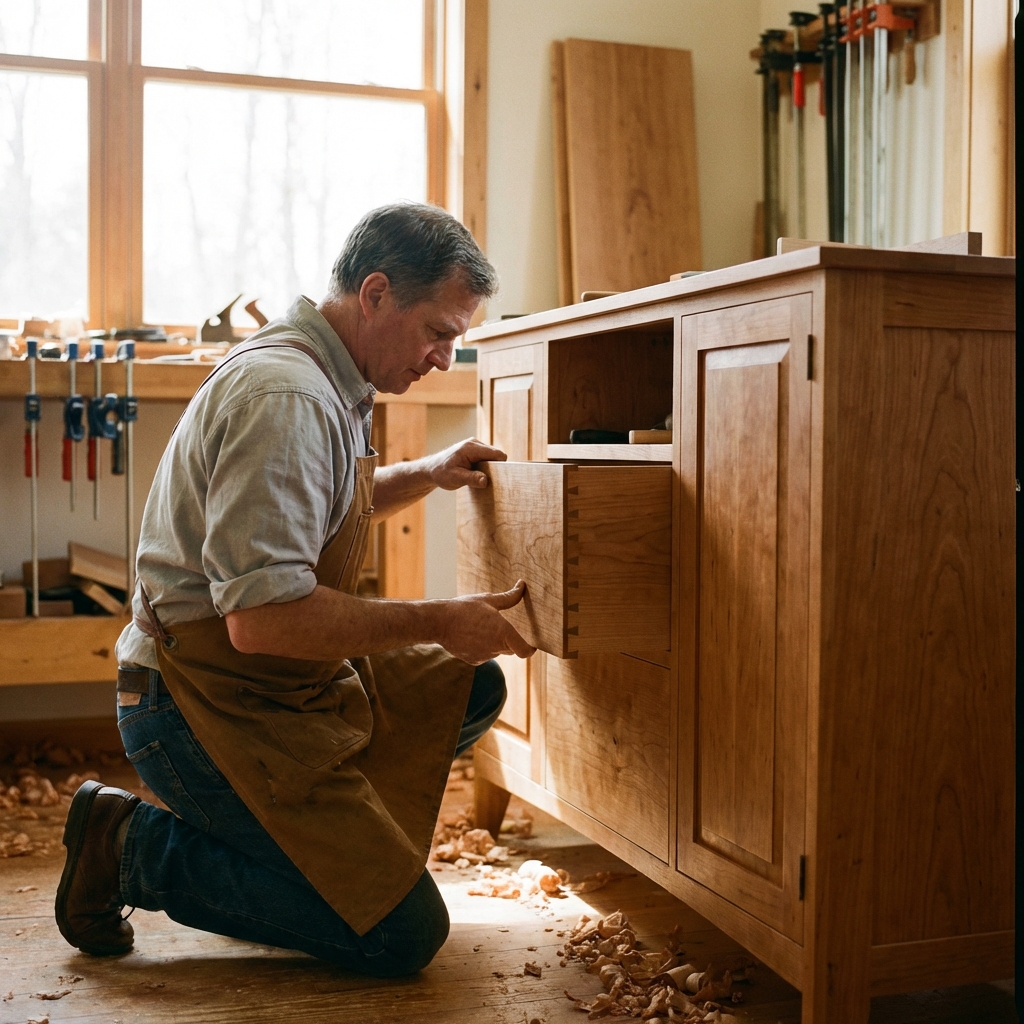
Walk into a kitchen showroom and you will see “custom” cabinets. They are not custom. They are semi-custom — standard boxes assembled in slightly different configurations.
True bespoke cabinetmaking means a craftsman designs and builds every component from scratch — selecting the wood, milling the parts, cutting the joinery, fitting the doors, and finishing the piece by hand. Every dimension is tailored to the specific space. Every detail reflects the client’s needs.
This level of craftsmanship still exists, but it lives in a very small number of shops, and the cost puts it beyond the reach of most homeowners. The cabinetmakers who can do this work are getting older, and the number of young people willing to invest the years of apprenticeship required to reach that level continues to decline.
What was once a standard trade is becoming a luxury that only the wealthy can afford. And that might be the saddest thing on this entire list.
Conclusion
Every trade on this list represents thousands of hours of accumulated knowledge — techniques refined over generations, passed from master to apprentice, and perfected through decades of daily practice.
When the last person who knows how to do something retires, that knowledge does not get stored somewhere. It does not get uploaded to a database. It simply disappears.
And here is the thing nobody talks about — we are going to need these skills again.
Historic buildings will still need plaster repair. Antique furniture will still need restoration. Old windows will still need glazing. And when we go looking for someone who can do the work, we are going to find empty chairs.
If any of these trades call to you — learn one. Find the old-timer in your area who still knows how. Sit in his shop. Watch his hands. Ask questions.
Before it is too late.