

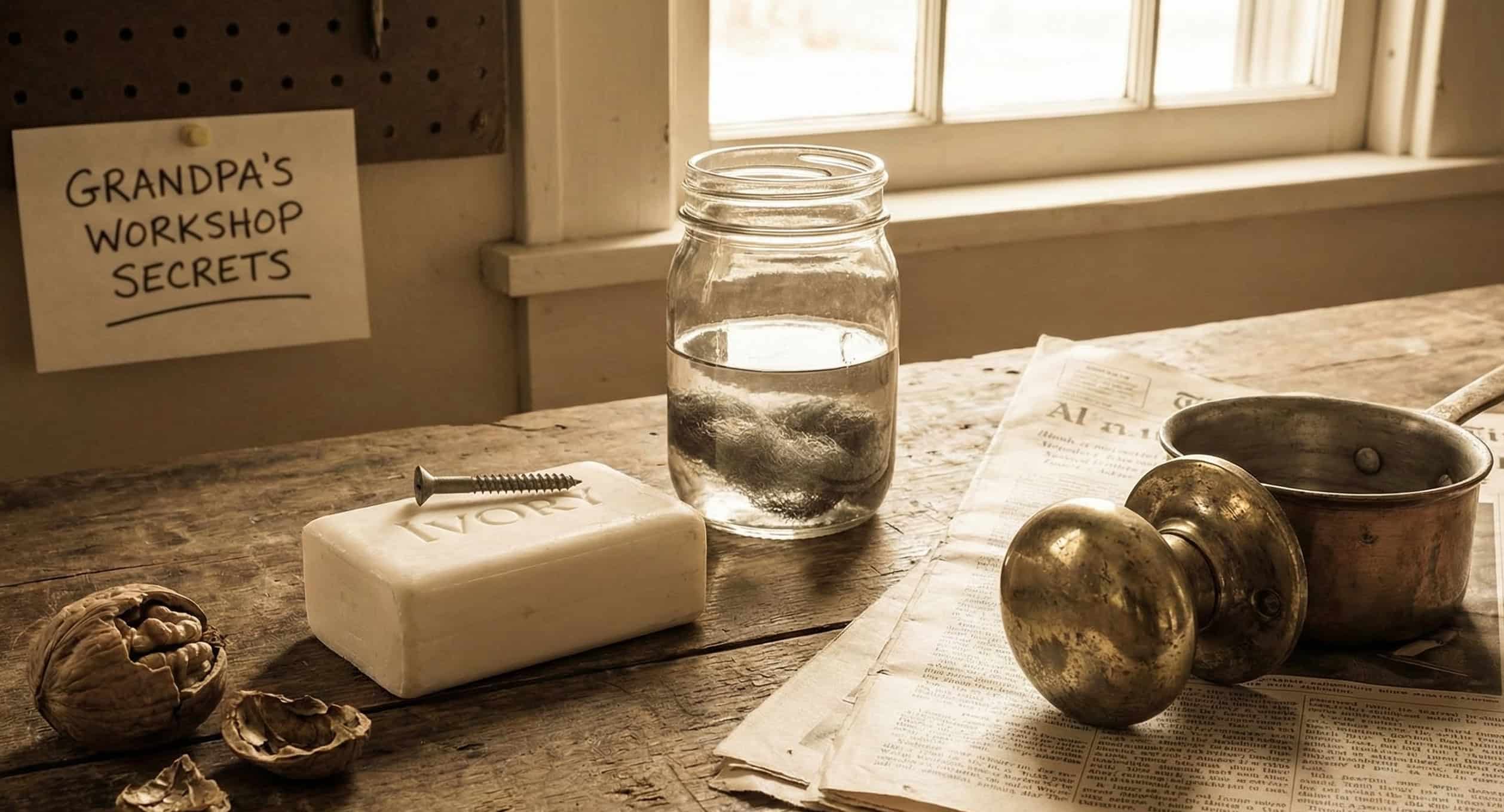
Your grandfather’s workbench held secrets. Not the complicated kind. The survival kind.
The kind where a single walnut could fix a dining table. Where a bar of soap silenced a squeaky floorboard. Where “broken” didn’t mean “trash.” It meant “project.”
These weren’t just cheap fixes. They were genius moves.
Every family has that one trick that makes zero sense on paper but somehow works better than anything you can buy at a big-box store.
The hack your grandpa swore by.
The technique that got your family through the lean years when the hardware store was a luxury and the bank account was empty.
Today we’re blowing the dust off those old shop manuals. The ones stained with oil and written in practical, no-nonsense English.
The ones that turned American homeowners into alchemists, transforming kitchen scraps into wood stain and old rags into insulation.
These 25 hacks aren’t just tips. They’re proof that when money is tight, you don’t need to buy new—you just need to get creative as hell.
1. Newspaper Window Cleaning
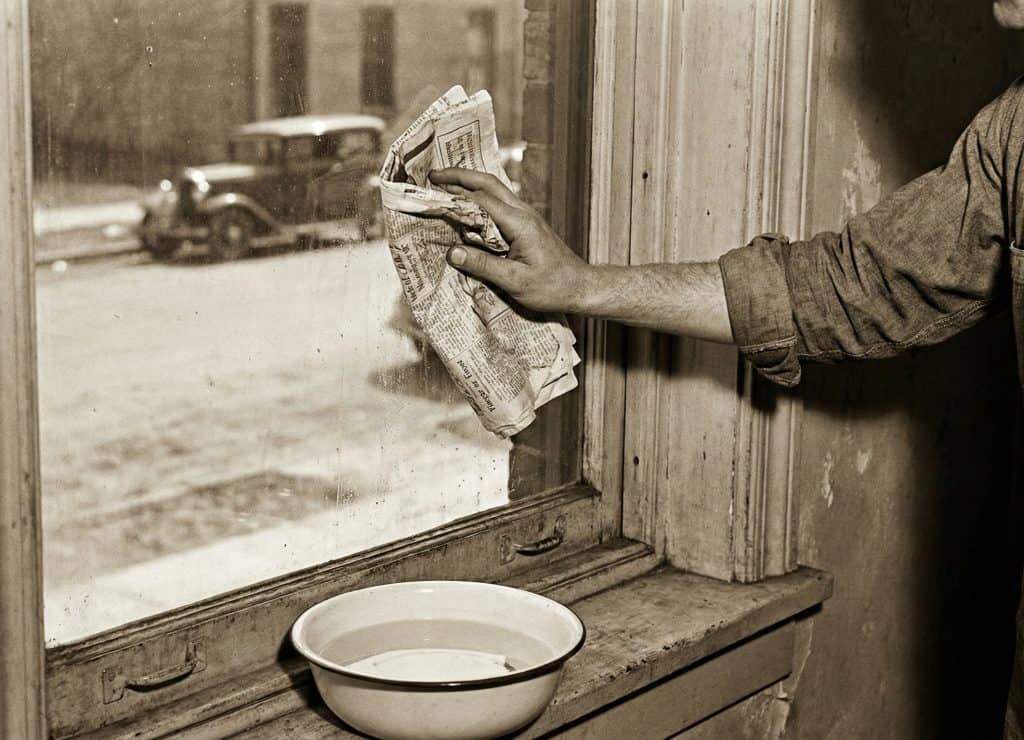
Paper towels were a waste. Rags left lint. But everyone had yesterday’s newspaper.
Grandmothers swore by it. A splash of vinegar and water, and a crumpled sheet of newsprint.
The ink acts as a mild abrasive, polishing the glass. The paper absorbs the grime without leaving a single speck of lint behind. Your windows haven’t been truly clean until you’ve cleaned them with the Sunday funnies.
2. Potato Lightbulb Extraction
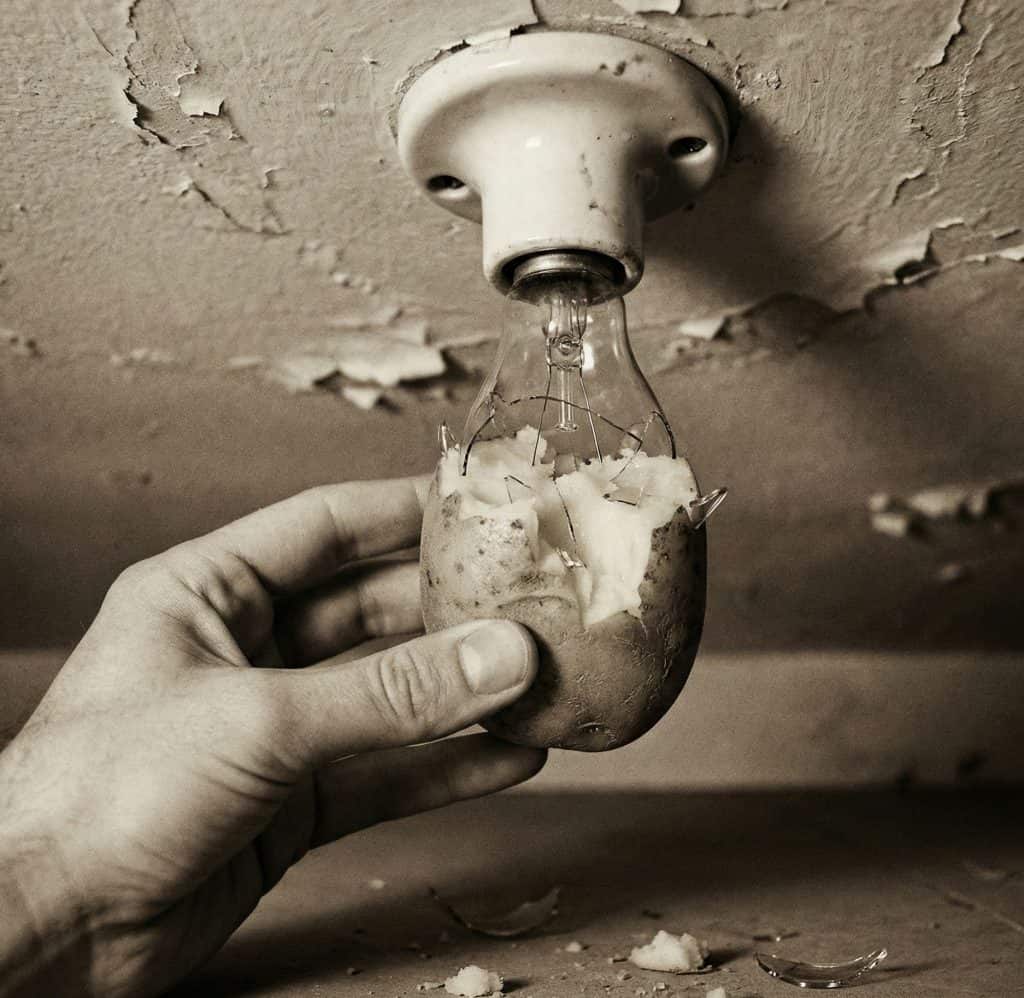
It’s a moment of panic. A lightbulb shatters in the socket. You can’t grab it—you’ll slice your fingers. You can’t leave it.
The solution was in the root cellar.
Cut a raw potato in half. Jam the cut end hard into the jagged glass remains of the bulb. Twist. The potato grips the glass shards and unscrews the base safely. No pliers. No blood.
3. The “Volcano” Drain Cleaner
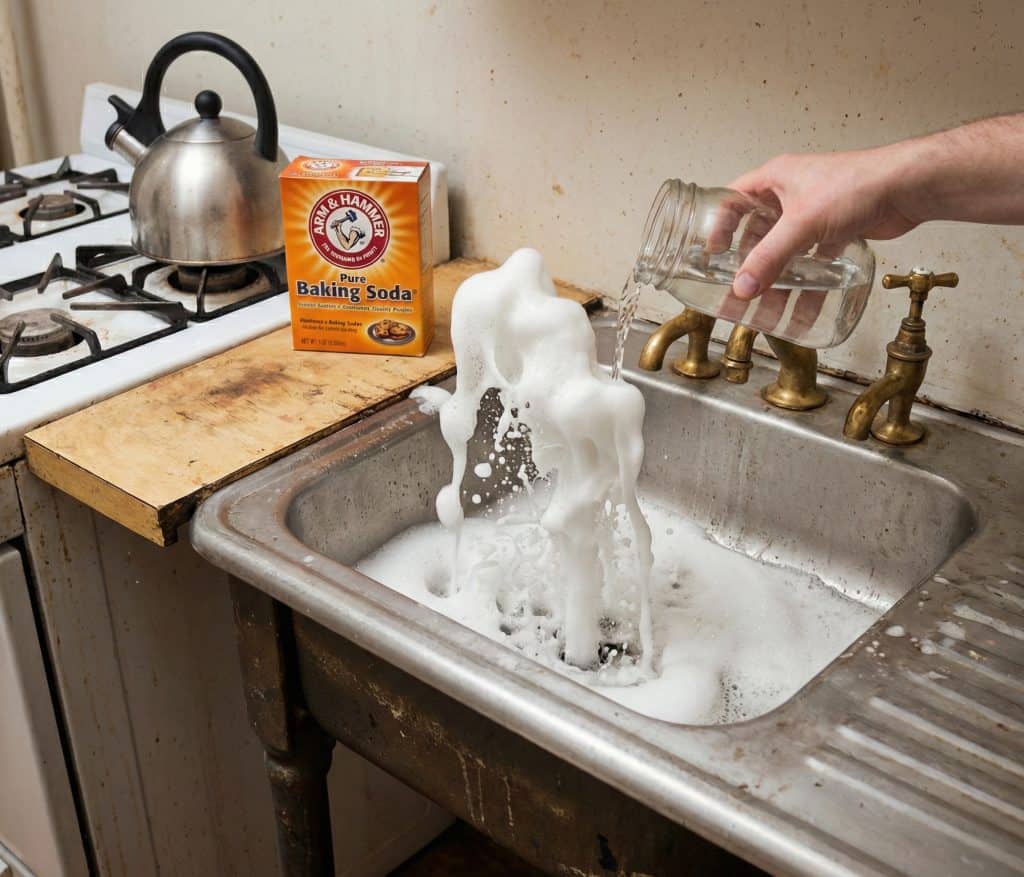
Plumbers were for emergencies only. Slow drains were a household chore. But they didn’t use Drano. They used chemistry 101.
A cup of baking soda dumped down the drain, followed by a cup of hot vinegar.
It fizzes violently—the same “volcano” experiment you did in school. That reaction breaks up grease and soap scum instantly. Flush it with boiling water. The pipes run clear.
4. Toothpaste Chrome Polish
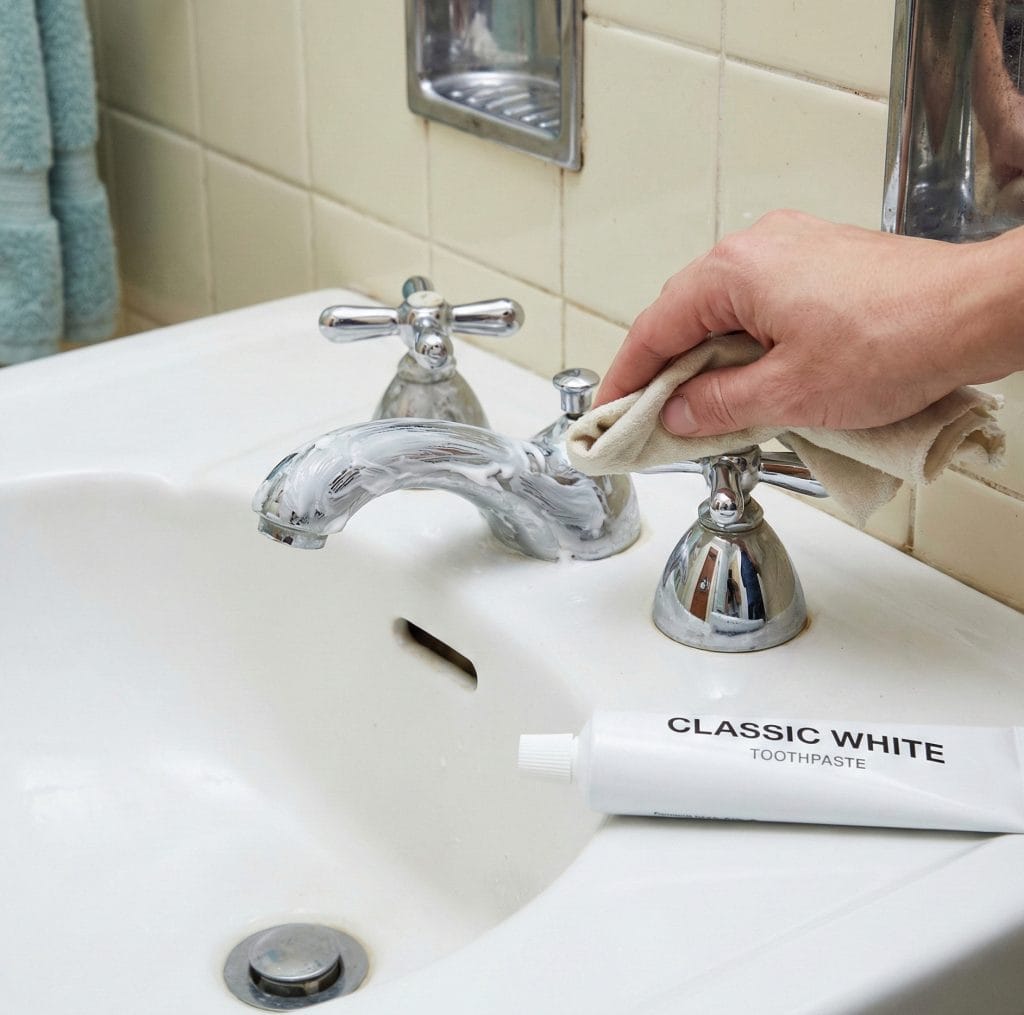
Chrome fixtures in the bathroom used to shine like mirrors. When they got dull, nobody bought specialty polish. They opened the medicine cabinet.
Basic white toothpaste (not the gel kind) contains mild abrasives. It’s essentially a super-fine polishing compound.
Rub it on the faucet. Buff it off with a rag. It removes soap scum and water spots, leaving the chrome gleaming.
5. The “Mayonnaise Cure” for Water Rings
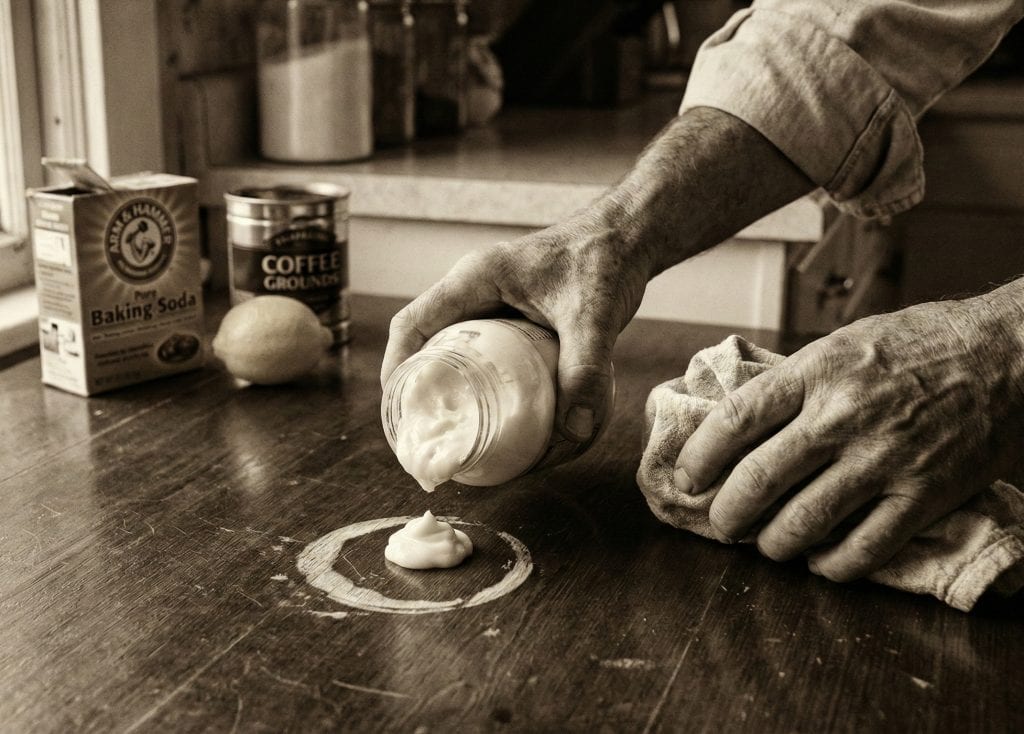
We’ve all done it. Set a cold glass on a wooden table without a coaster. An hour later, there’s that dreaded white ring.
The Depression-era fix was sitting in the fridge door.
Slather a thick layer of full-fat mayonnaise over the ring. Let it sit for an hour. Wipe it off.
The oils in the mayo displace the moisture trapped in the finish. The ring lifts out. The wood looks new.
6. The Crayon Nail Hole Filler
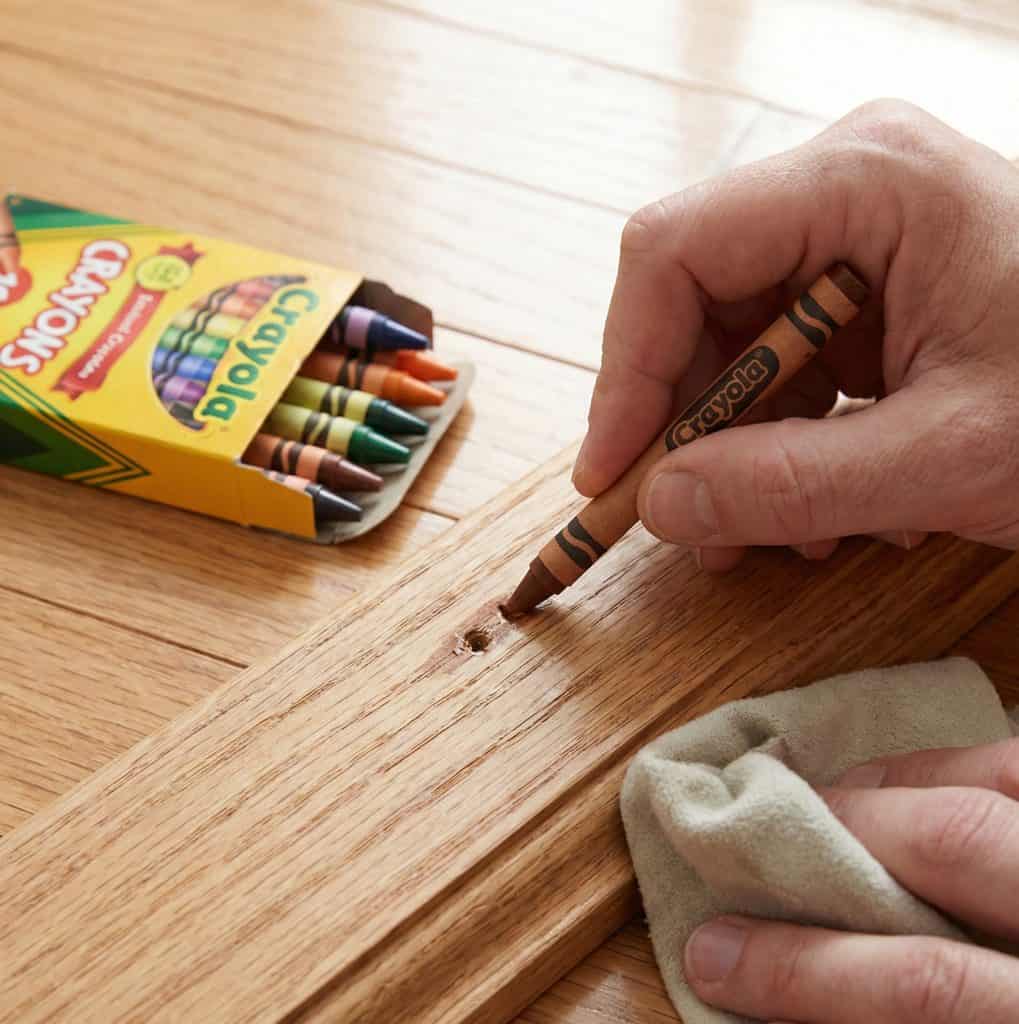
You just hung a picture, but you missed the stud. Now there’s an ugly hole in your finished wood trim.
Don’t get the wood putty. Get the kids’ coloring box.
Find a wax crayon that matches the wood tone. Rub it firmly over the hole. Buff it with a cloth. The wax fills the void perfectly.
It doesn’t shrink. It’s waterproof. And unless you get within six inches, you’ll never see it.
7. The “Snake” Draft Stopper
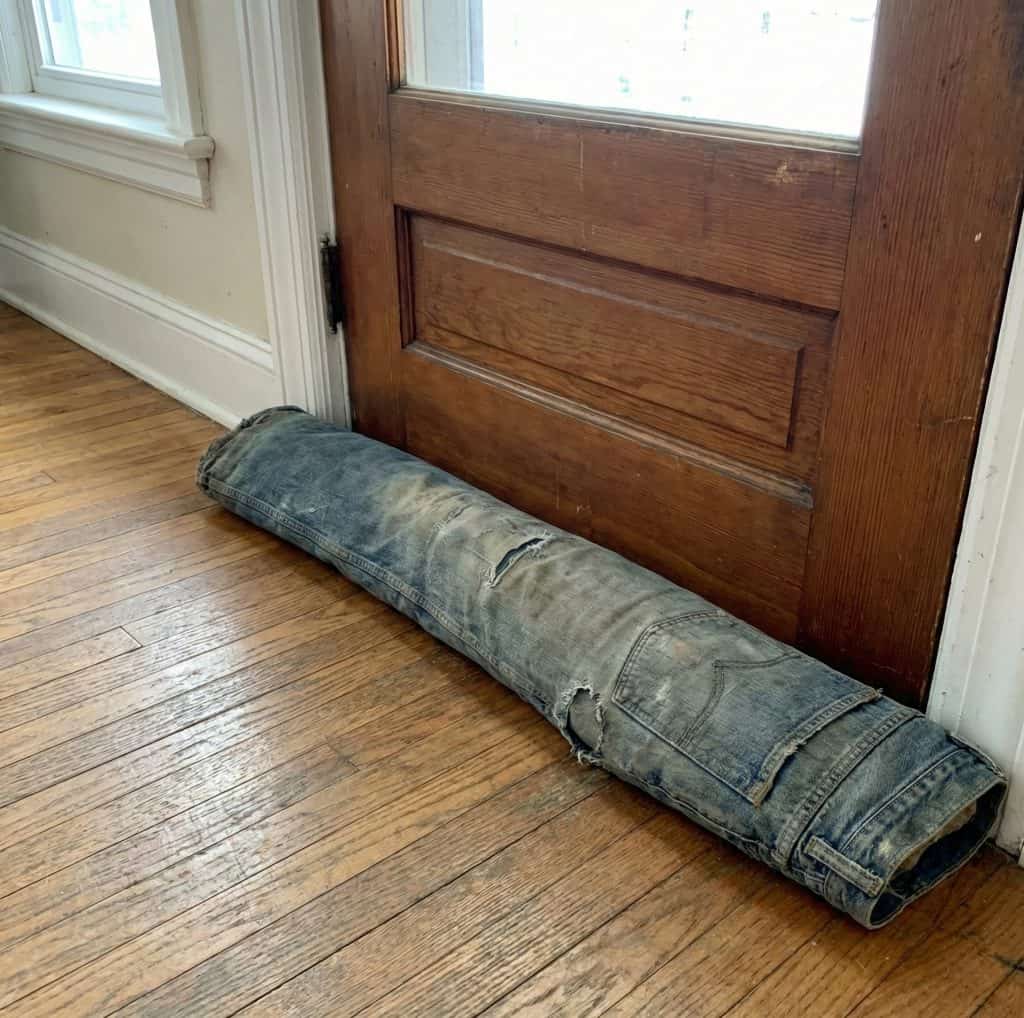
Heating oil cost money. Drafts were the enemy. You couldn’t insulate the walls, but you could stop the wind at the door.
Every home had a “Draft Snake.” Usually made from the leg of a worn-out pair of heavy work pants or a thick wool coat.
Sewn into a tube. Filled with dried beans, sand, or rice. Laid at the foot of the door, it stopped the cold dead in its tracks.
8. Steel Wool Mouse Blockade
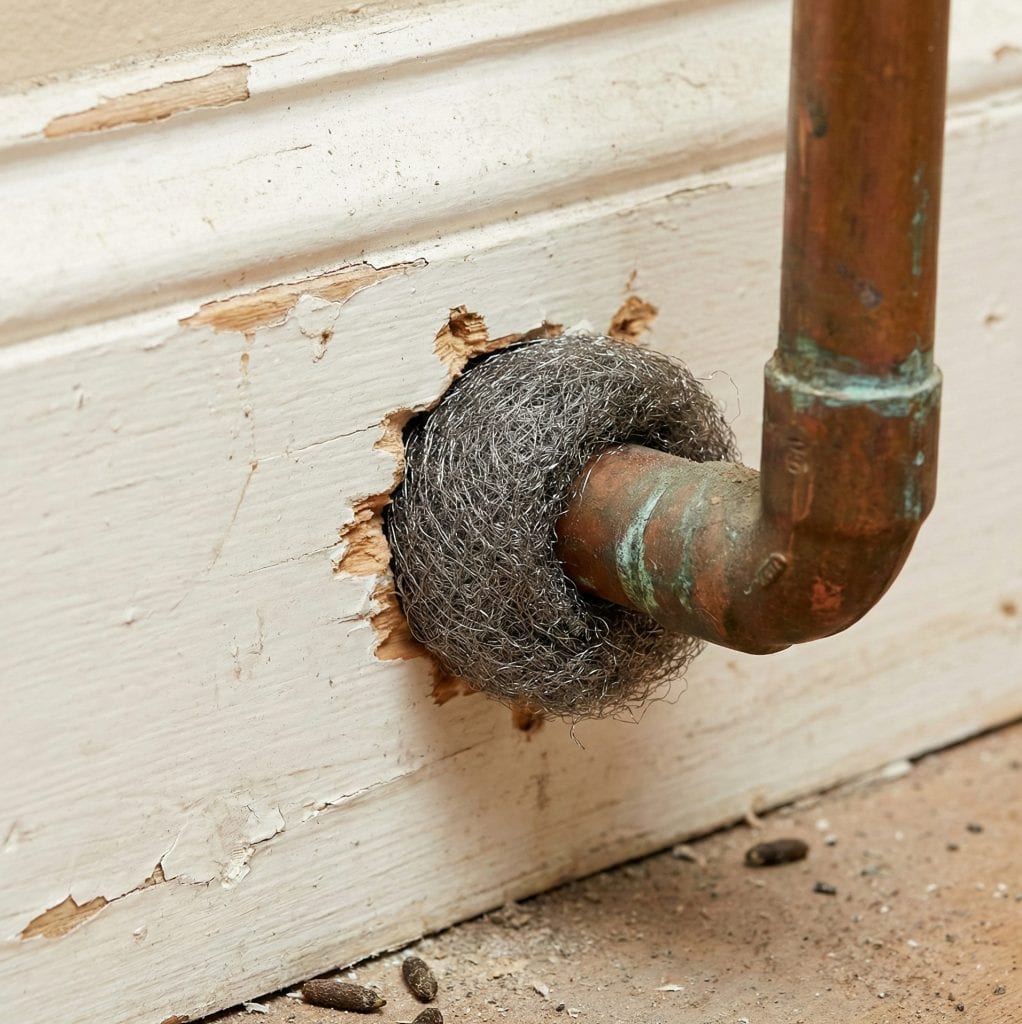
Mice are relentless. They can chew through wood, drywall, and rubber. But they cannot chew through steel wool.
If there was a gap around a pipe or a crack in the siding, you didn’t fill it with caulk (mice eat caulk). You stuffed it tight with coarse steel wool.
It hurts their noses and teeth. They won’t touch it. It is a permanent, non-toxic “Do Not Enter” sign.
9. Fabric Pipe Insulation
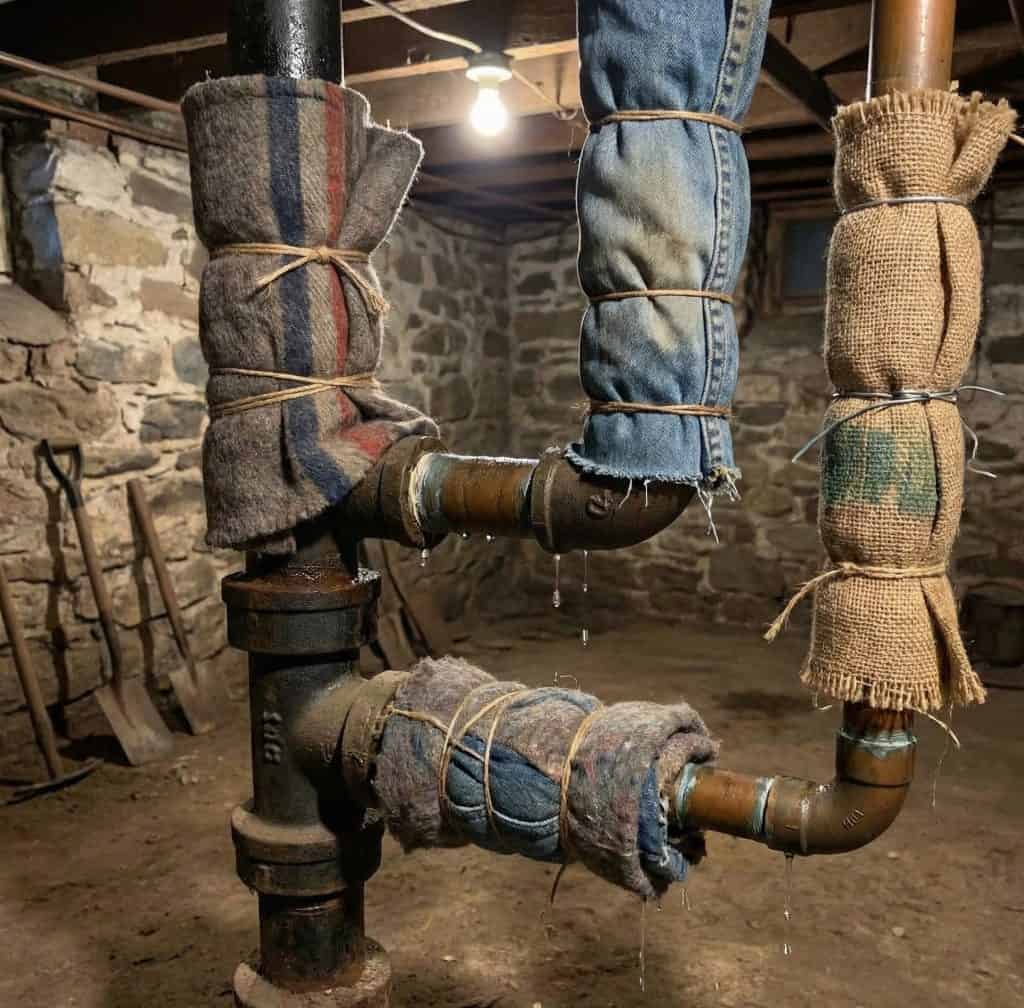
A frozen pipe meant a burst pipe. A burst pipe meant disaster.
They didn’t have foam noodles to wrap around pipes. They had rags.
Old wool coats, worn-out denim, and burlap sacks were cut into strips and wrapped tightly around basement pipes like a bandage.
It trapped the heat, stopped the condensation, and saved the plumbing during the worst blizzards of the century.
10. The “Boiling Pot” Paint Remover
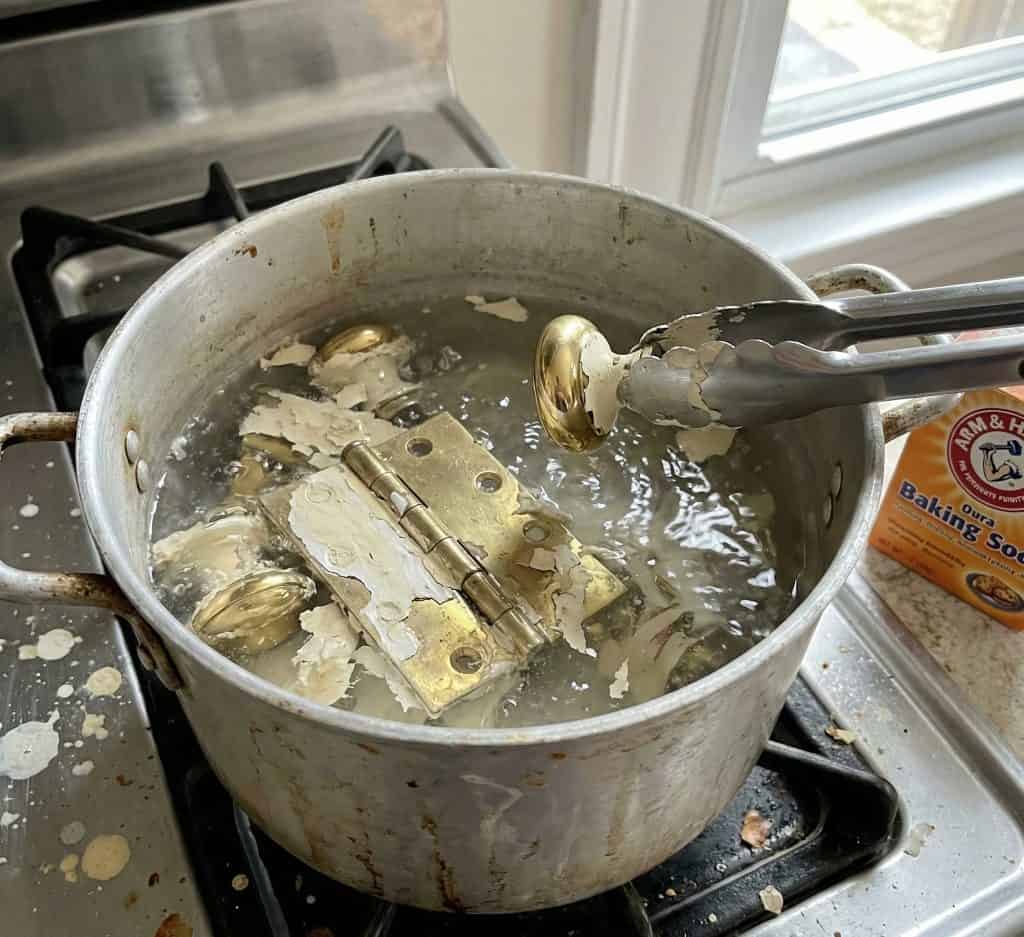
Restoring old hardware is all the rage now. But 80 years ago, those brass handles were covered in layers of paint.
You didn’t need toxic chemicals to clean them. You needed a stove.
Drop the painted hinges and knobs into an old pot of boiling water with a scoop of baking soda. Let it simmer for 20 minutes.
The paint peels off like a banana skin.
Underneath? Pristine, original brass.
11. Lemon & Salt Rust Buster
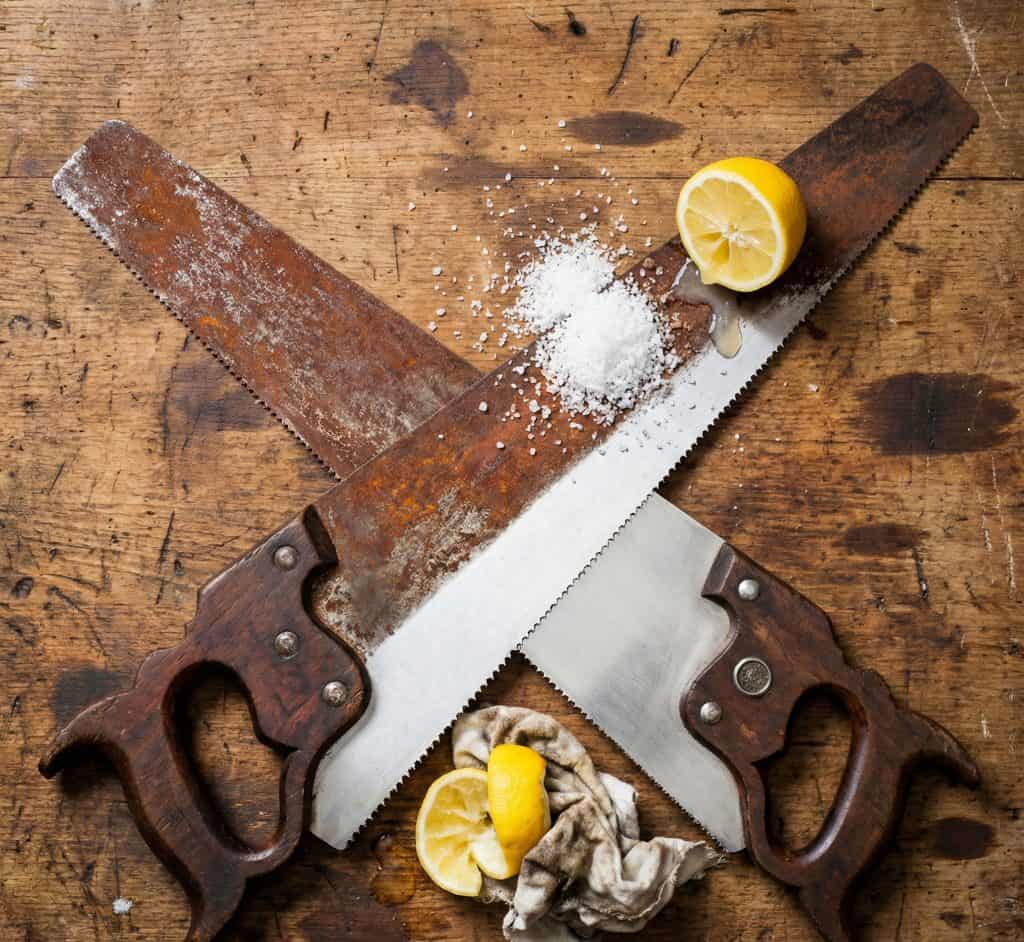
Rusty tools are a fact of life. But in the 30s, you couldn’t just buy a new saw. You raided the fruit bowl.
Sprinkle coarse salt over the rusty metal. Squeeze a lemon over it until it’s soaked. Let it sit for two hours.
The citric acid attacks the rust. The salt acts as a scrubber. Scrub it with the lemon rind, and the rust wipes away to reveal shiny steel.
12. Talcum Powder Silencer
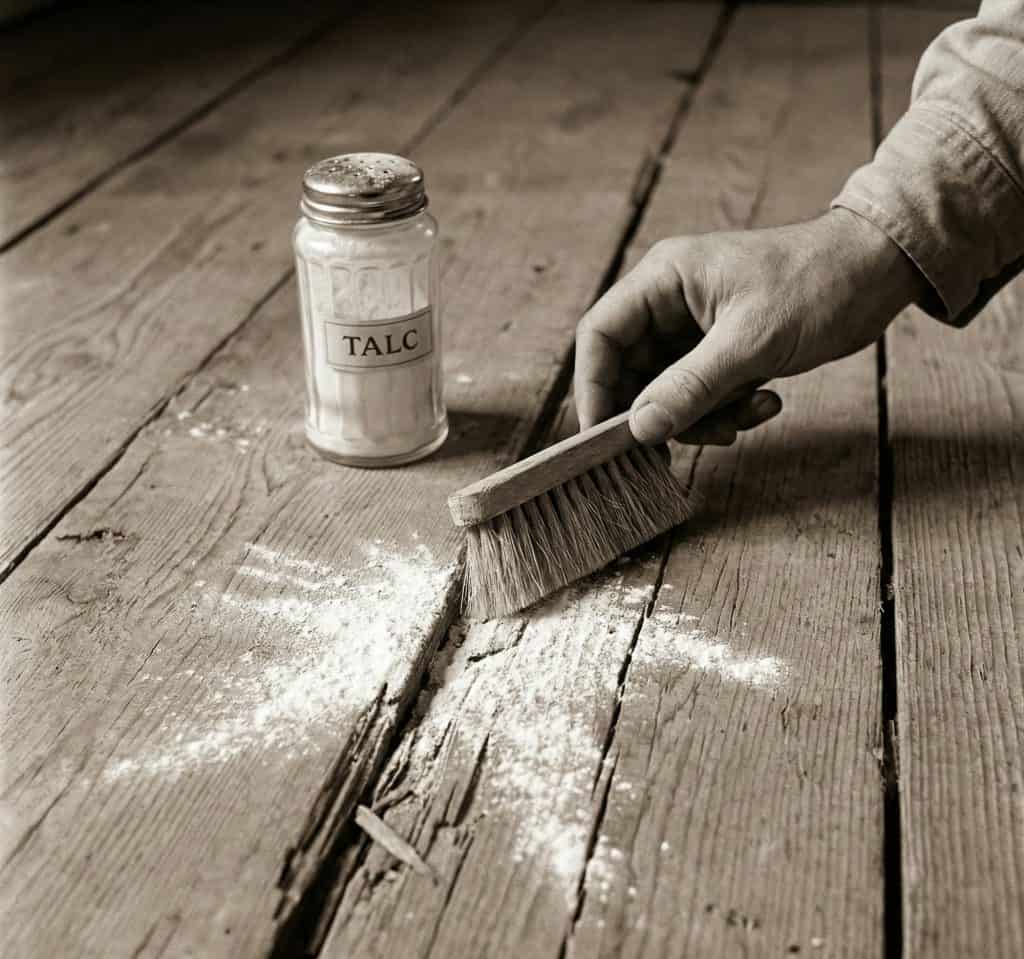
There is nothing more annoying than a floorboard that squeaks every time you step on it.
Modern fix: Rip up the carpet and screw down the subfloor. Grandpa’s fix: Baby powder.
Sprinkle talcum powder over the squeaky joint.
Sweep it into the crack with a broom. The powder works its way down and acts as a dry lubricant between the rubbing boards.
The friction stops. The squeak dies.
13. The “Pantyhose” Paint Saver
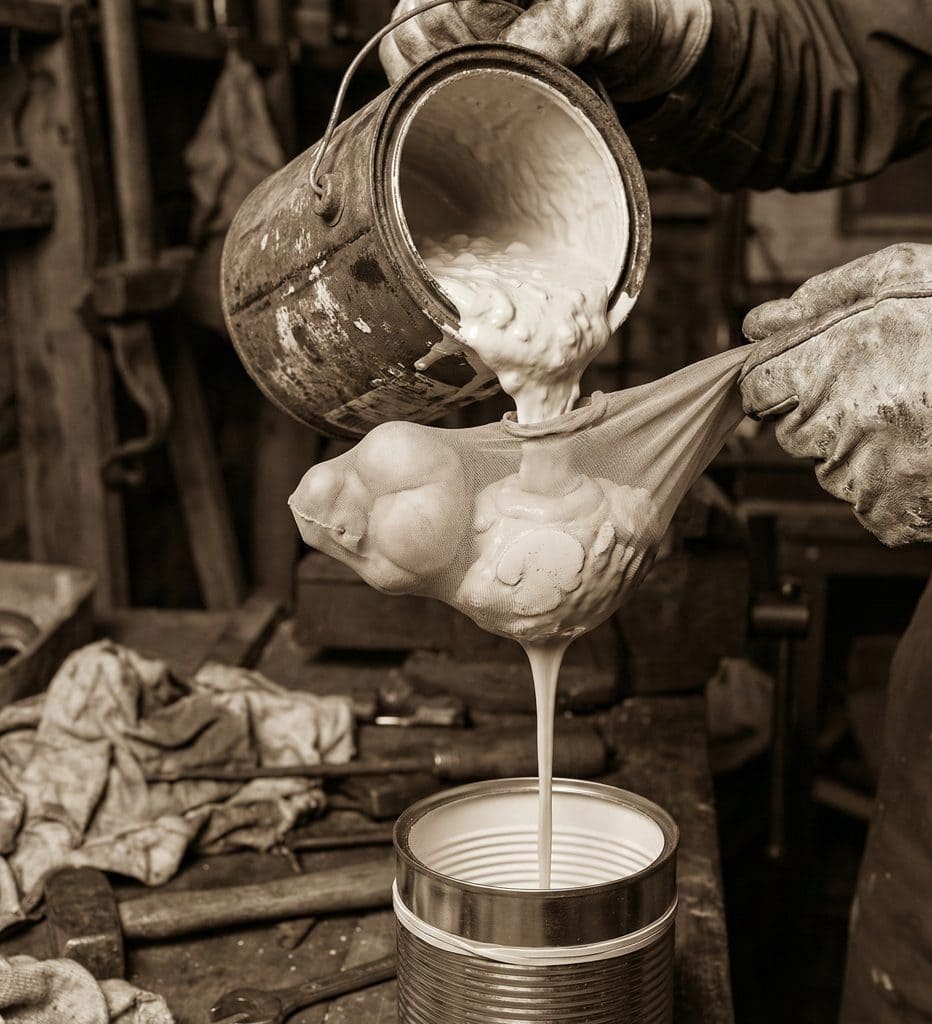
Paint was precious. But leave a can sitting for a year, and it develops a gross skin and lumps.
Today, we throw it out. Back then, they raided the laundry hamper.
Stretch an old pair of nylon stockings over a clean can.
Pour the lumpy paint through it. The nylon is a perfect micro-filter.
It catches every lump, and the paint comes out smooth as silk.
14. Whitewash (The Original Paint)
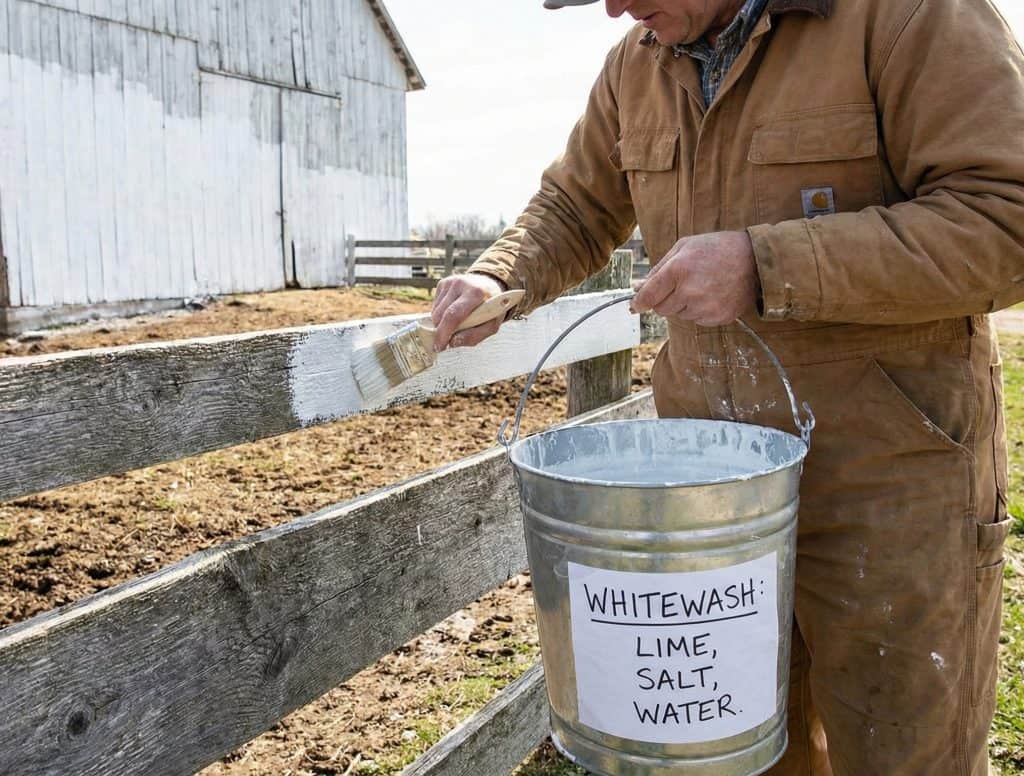
Paint was for the rich. Whitewash was for the rest of us.
Hydrated lime, salt, and water. That’s it.
It turned fences and barns bright white.
But it did more than look good.
The lime is mild antibacterial and insect-repellent. It kept the wood from rotting and the bugs from eating the barn.
It cost pennies to make a gallon.
15. The Jar Lid Storage System
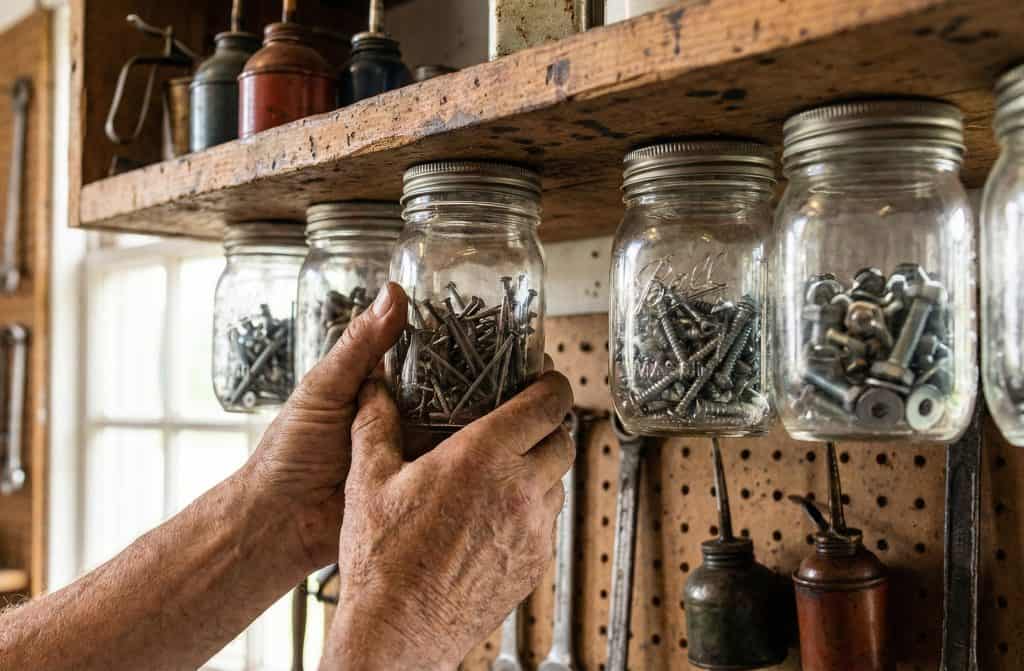
Space was tight in old garages.
You couldn’t waste shelf space on boxes of nails. So they used the ceiling.
Go into any workshop from 1950 and you’ll see it. Jar lids screwed directly into the underside of a wooden shelf.
Fill the glass jar with screws, nails, or washers.
Twist it up into the mounted lid. You can see exactly what you have.
It stays moisture-free. And it takes up zero usable workspace.
16. The Ceramic Mug Sharpener
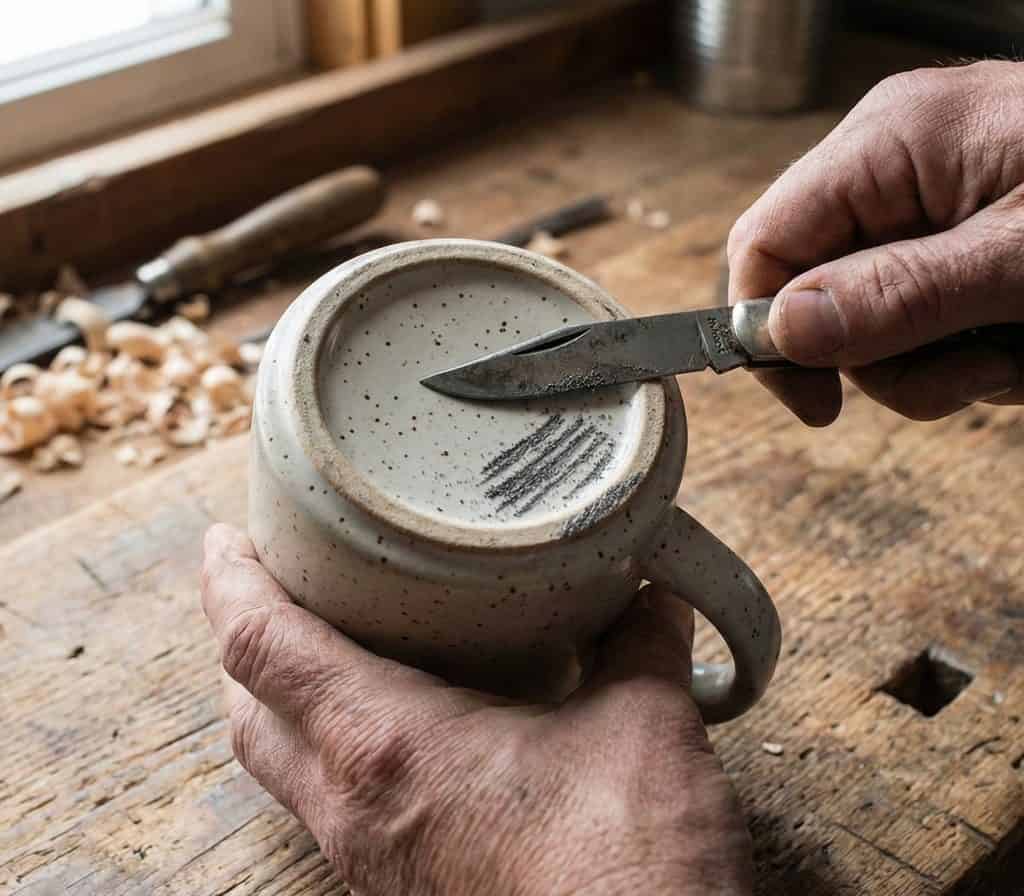
Dull knives are dangerous. But not everyone had a fancy whetstone.
Everyone did have a coffee mug.
Flip any ceramic mug upside down. See that unglazed, rough ring on the bottom? That is a perfect ceramic sharpening stone.
Your grandfather would run his pocket knife or chisel blade across that ring at a 20-degree angle.
Ten swipes per side. Razor sharp.
17. Wax Paper Tool Protector
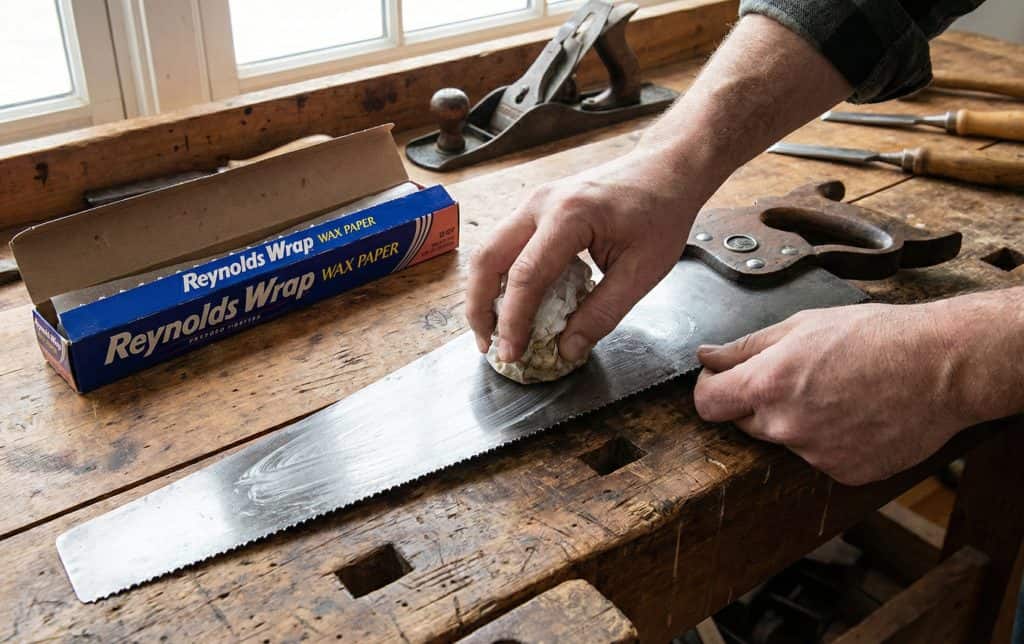
Rust never sleeps. Moisture in the air destroys expensive tools.
The solution was in the kitchen drawer.
After using a hand saw or a plane, the old timers would rub the metal blade with a ball of wax paper (or the stub of a candle).
It leaves an invisible film of wax that repels water.
That’s why you find 100-year-old saws at estate sales that still look brand new.
18. Straightening Nails
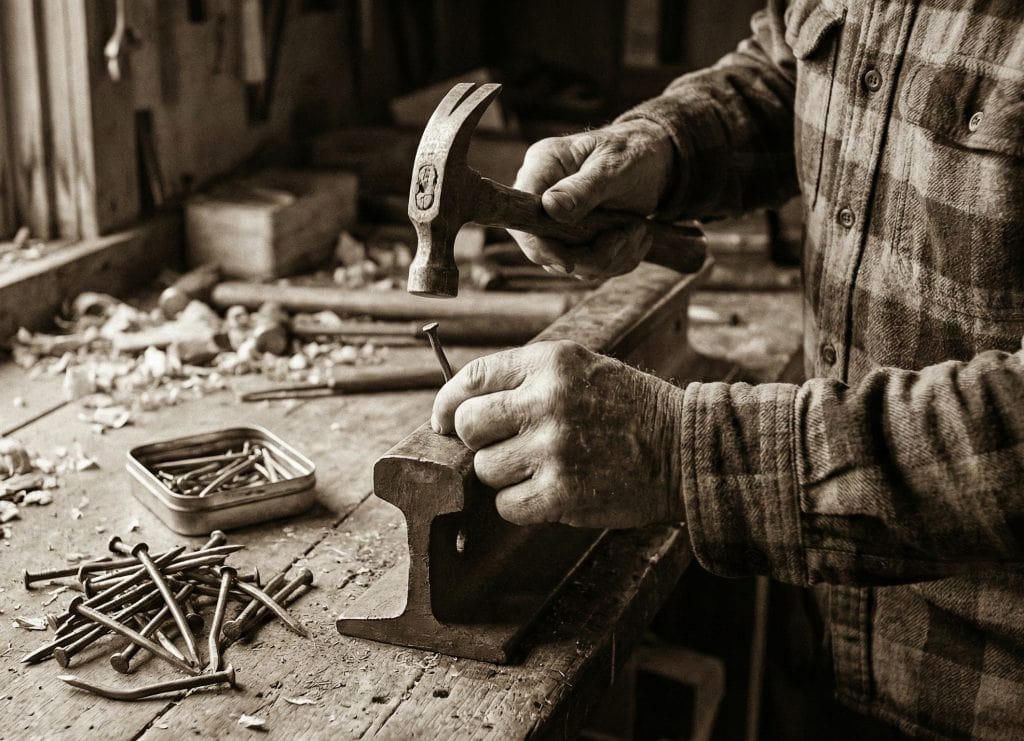
This is the ultimate symbol of the Depression mindset.
If you pulled a nail out of a board, you didn’t throw it in the dirt. You put it on a piece of iron and hammered it straight.
It took time. It took patience. But when a pound of nails cost a day’s wages, you saved every single one.
19. The Bar Soap Screw Lubricant
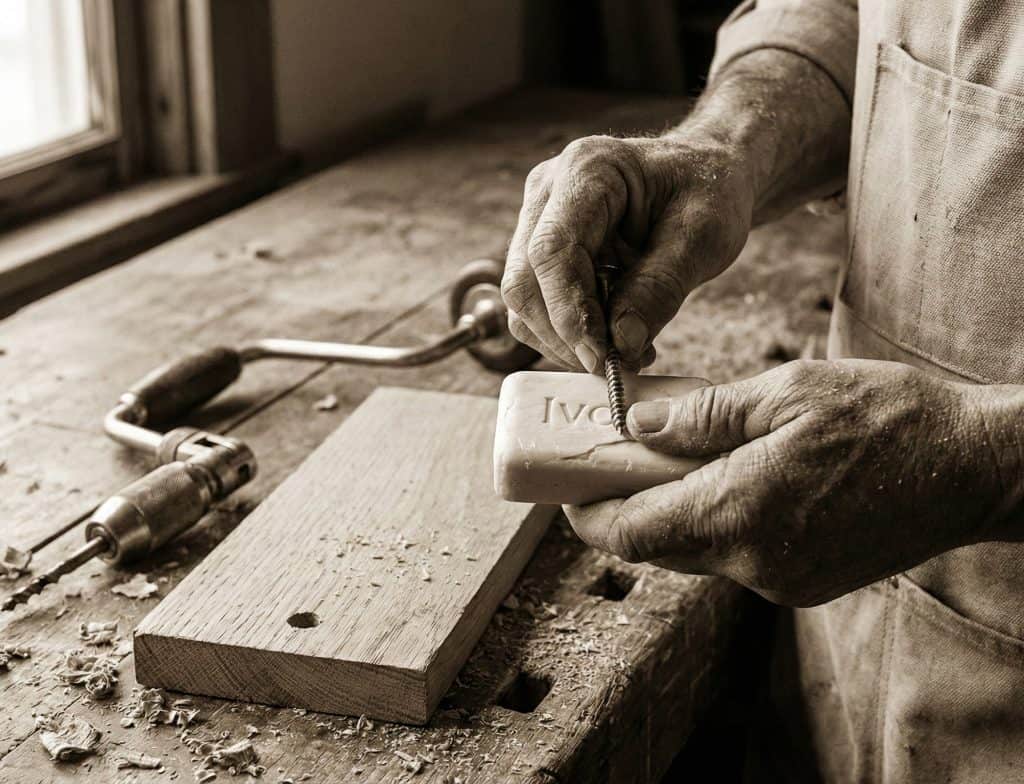
Driving a screw into old, hard oak is a nightmare. Do it wrong, and you split the wood. Or worse, snap the screw head off.
Before power drills, carpenters kept a bar of Ivory soap in their apron pocket.
Rub the threads of the screw across the soap before driving it.
It acts as a dry lubricant. The screw glides in like butter.
The wood doesn’t split.
20. The Walnut Scratch Eraser
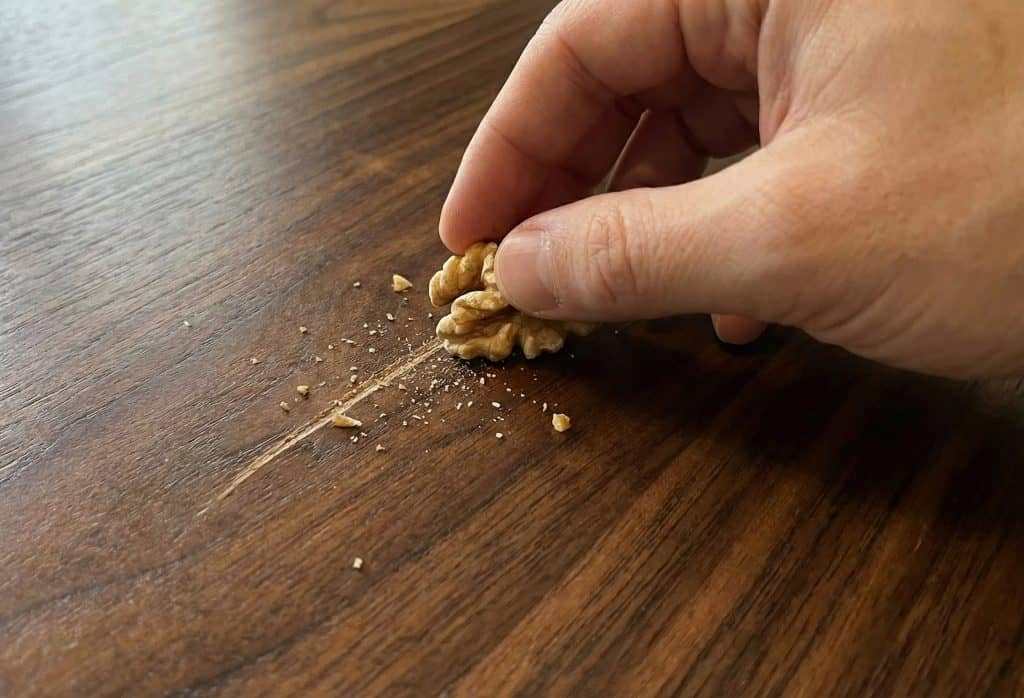
It sounds like an Old Wives’ Tale. It works like chemistry.
You have a scratch on your dark wood table. Your grandfather just walked to the pantry.
He’d take a raw walnut meat and rub it diagonally over the scratch. The natural oils in the nut darken the wood instantly.
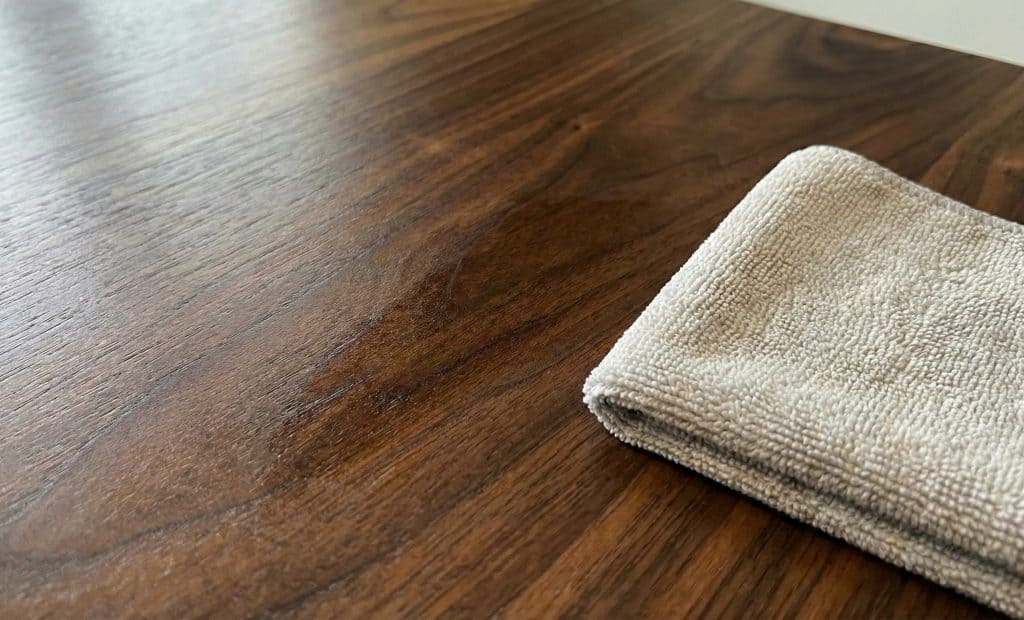
The meat fills the divot. Buff it with a soft cloth, and the scratch vanishes.
21. The Coffee Grounds Stain
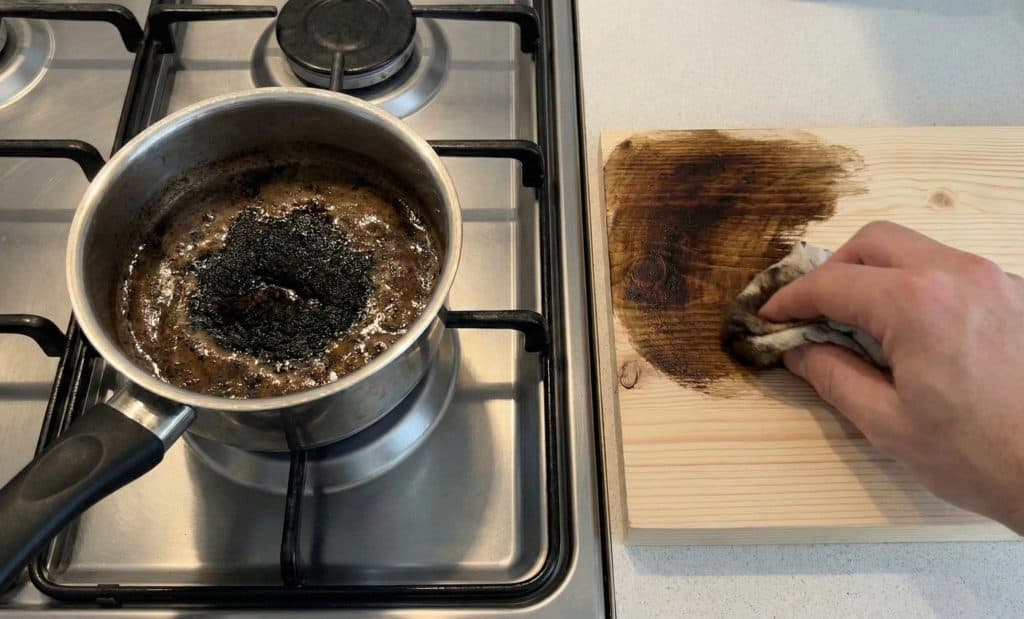
Staining wood usually involves harsh fumes and a $20 can of chemicals. Your grandmother used the leftovers from breakfast.
She didn’t throw away used coffee grounds. She boiled them down into a concentrated sludge.
Rubbed into unfinished pine, it creates a rich, warm, golden-brown hue.
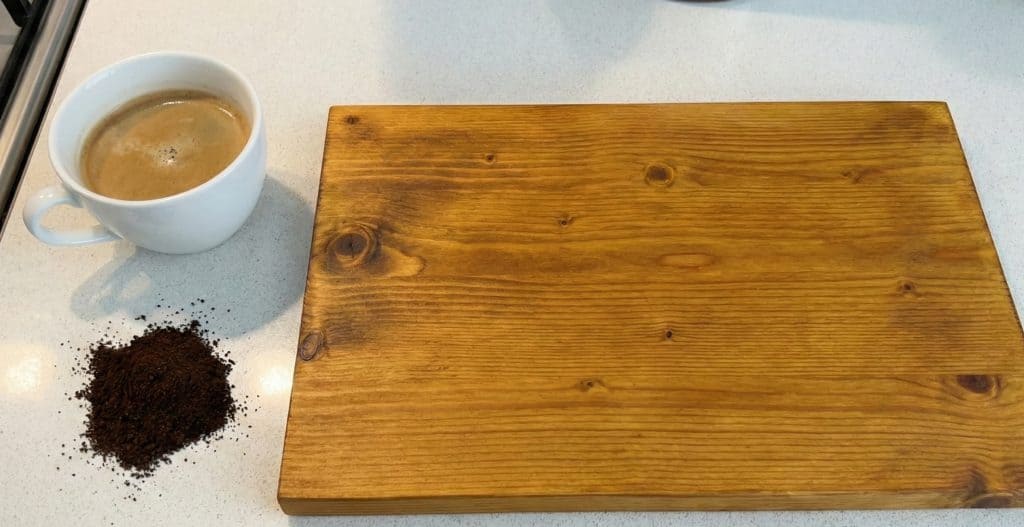
It doesn’t look like plastic or polyurethane. It looks like aged timber.
22. “Poor Man’s Putty” (Sawdust & Glue)
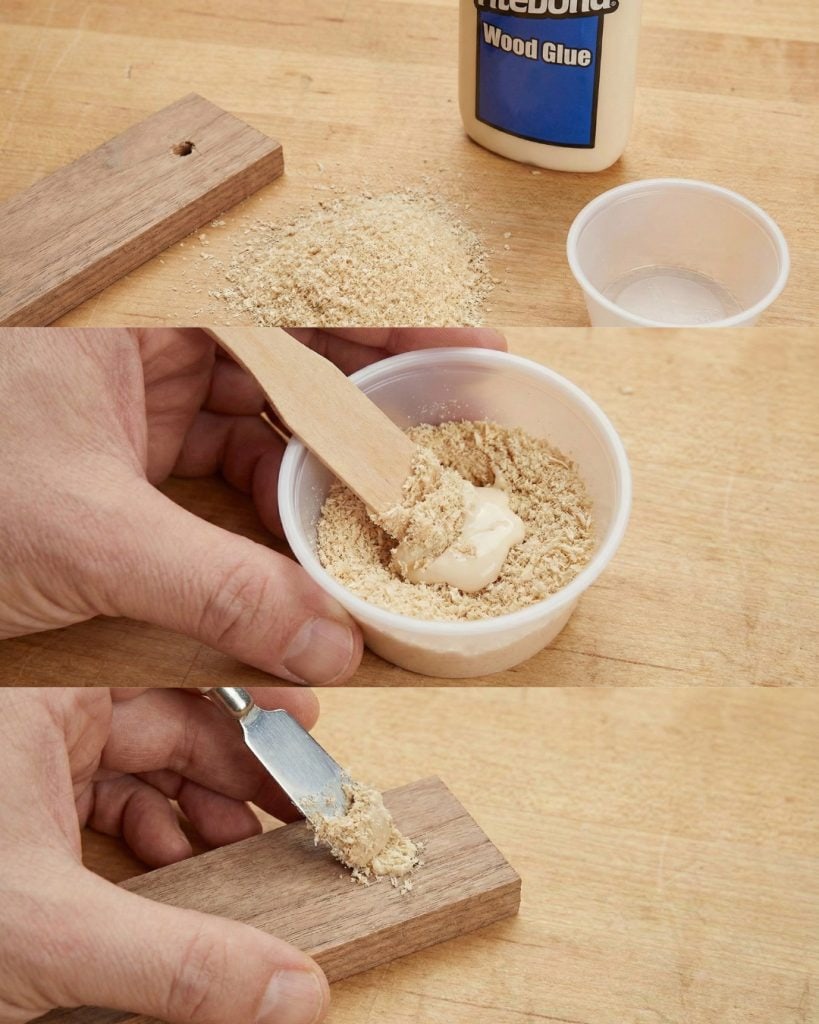
Wood filler is expensive. And it never matches the color of your project.
The old timers knew the secret: The best match for the wood is the wood itself.
They saved the fine dust from their sanding.
Mixed it with a little wood glue or shellac until it formed a thick paste. They pressed it into nail holes and gaps.
When it dried, it was the exact same color as the surrounding board.
23. Vinegar & Steel Wool “Ebonizing”
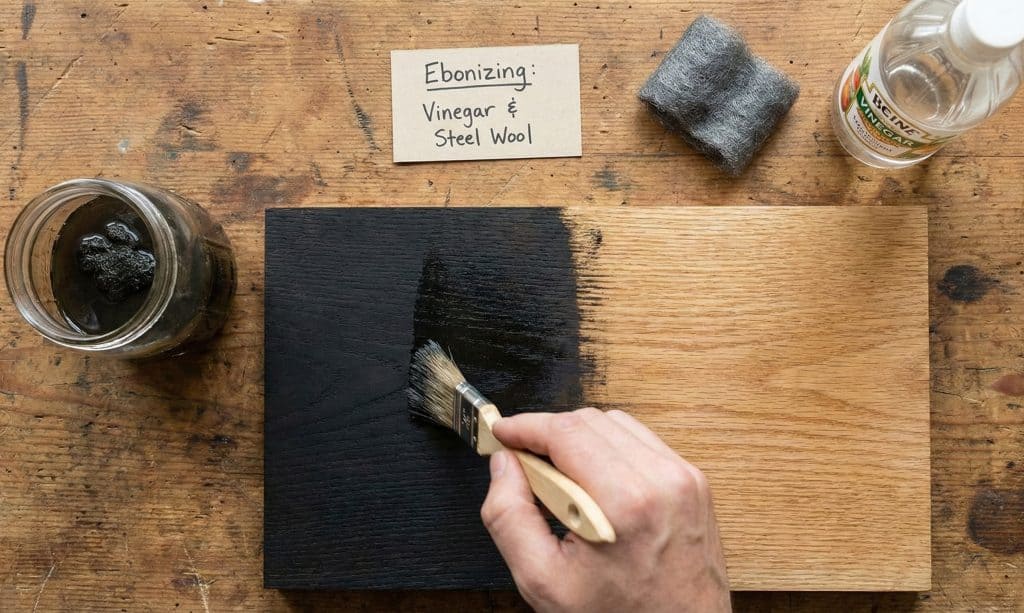
Ebony wood has always been expensive.
But everyone wanted that deep, black, luxurious look. So they faked it.
Dissolve a pad of fine steel wool in a jar of white vinegar. Let it sit for a few days until the wool disintegrates.
Brush that liquid onto oak or walnut. It reacts with the tannins in the wood, turning it a rich, silvery black instantly.
It’s not a stain that sits on top; it changes the wood itself.
24. Linseed Oil Preservation
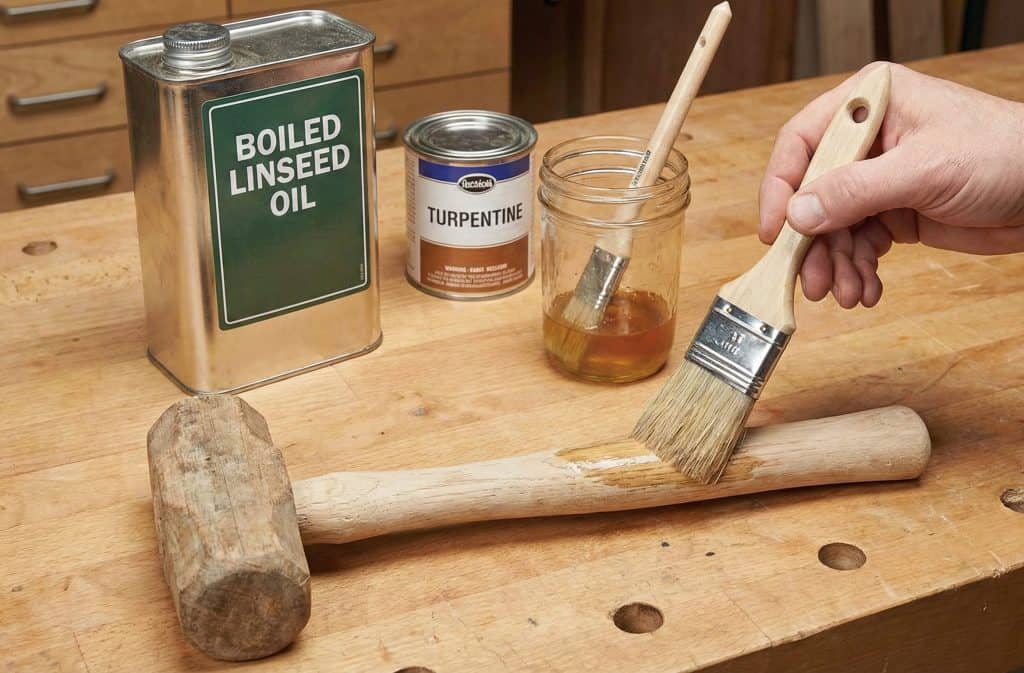
Today we have 50 different sealers for wood. Back then, there was one king: Boiled Linseed Oil.
Mixed with a little turpentine, it was slathered on everything.
Wooden tool handles. Wagon beds. Porch decks.
It doesn’t sit on top like plastic.
It soaks into the wood fibers, hardening them and making them waterproof.
It’s why those antique tool handles feel so good in your hand.
25. Re-Glazing Windows
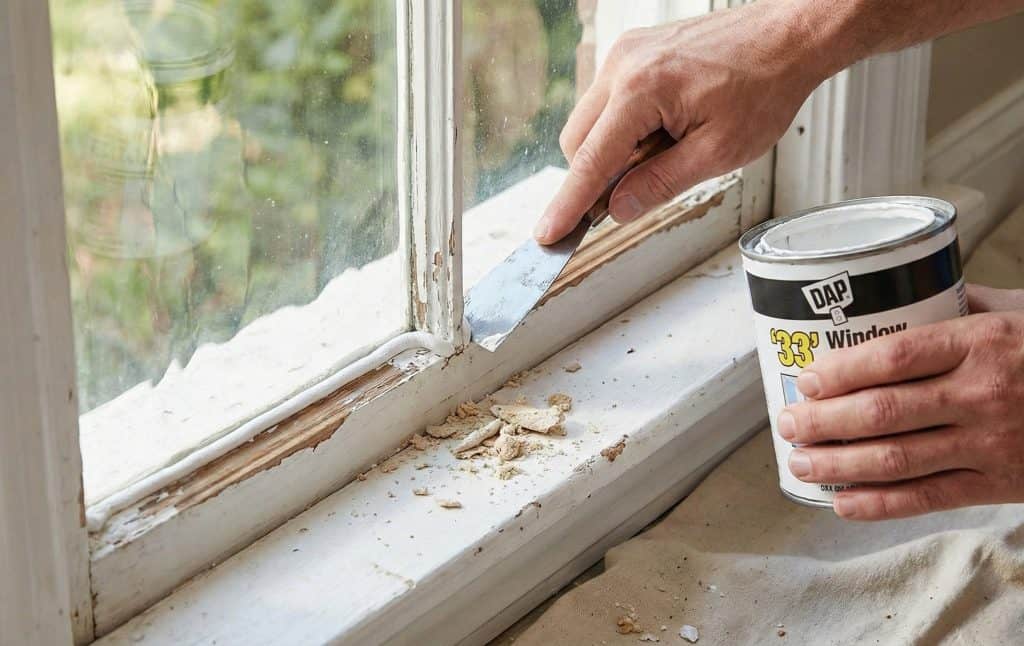
Modern windows are “maintenance-free” (which means when they break, you buy a new one). Old windows were meant to be fixed.
When the glass rattled, you didn’t replace the window.
You scraped out the old, dried putty and rolled a snake of new “glazing compound” in your hands.
You pressed it in with a knife. Painted it.
It sealed the draft, saved the glass, and cost about fifty cents.
The Toolbox Is In Your Mind
These 25 hacks tell the real story of American homeownership.
It wasn’t about having the best tools or the biggest budget. It was about solving problems with what you had.
Your grandfather didn’t fix things because it was a “hobby.” He fixed them because he had to.
And in the process, he learned something we’ve forgotten:
Everything is fixable if you have a little patience, a little ingenuity, and a well-stocked pantry.