

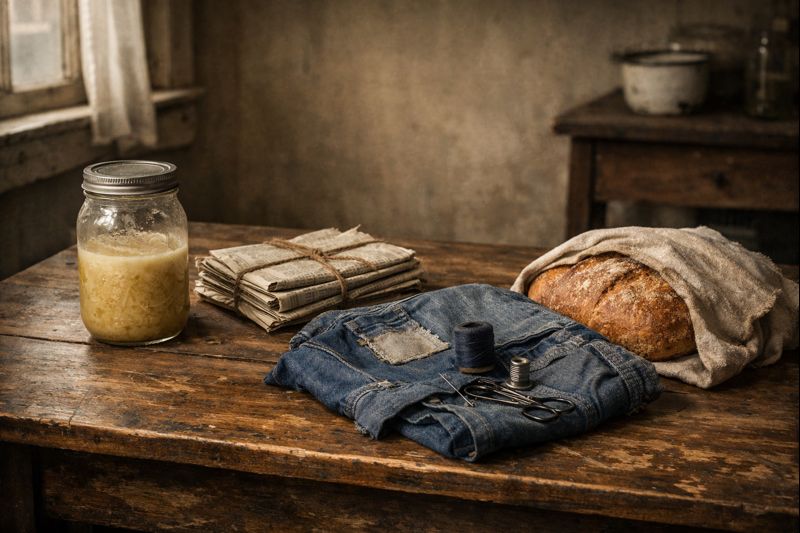
Walk into a modern grocery store, and you see abundance wrapped in plastic.
Everything is single-use. Everything is disposable. If a shirt loses a button, we throw it away.
Now, step back into an American home in 1932.
You aren’t just looking at “poverty.” You are looking at a masterclass in resourcefulness.
Before credit cards and cheap imports, a household had to survive on ingenuity.
It had to stretch a single chicken into three meals. It had to clean a house without a single chemical spray. It had to keep a family clothed using nothing but needle, thread, and flour sacks.
Look through a Depression-era home, and you’ll see jars of saved grease, patches on patches, and gardens in every spare inch of dirt.
We think they were desperate. They were actually geniuses of efficiency.
Here are 25 survival hacks from the Great Depression that prove our grandparents were smarter than modern consumers.
1. Make Do and Mend
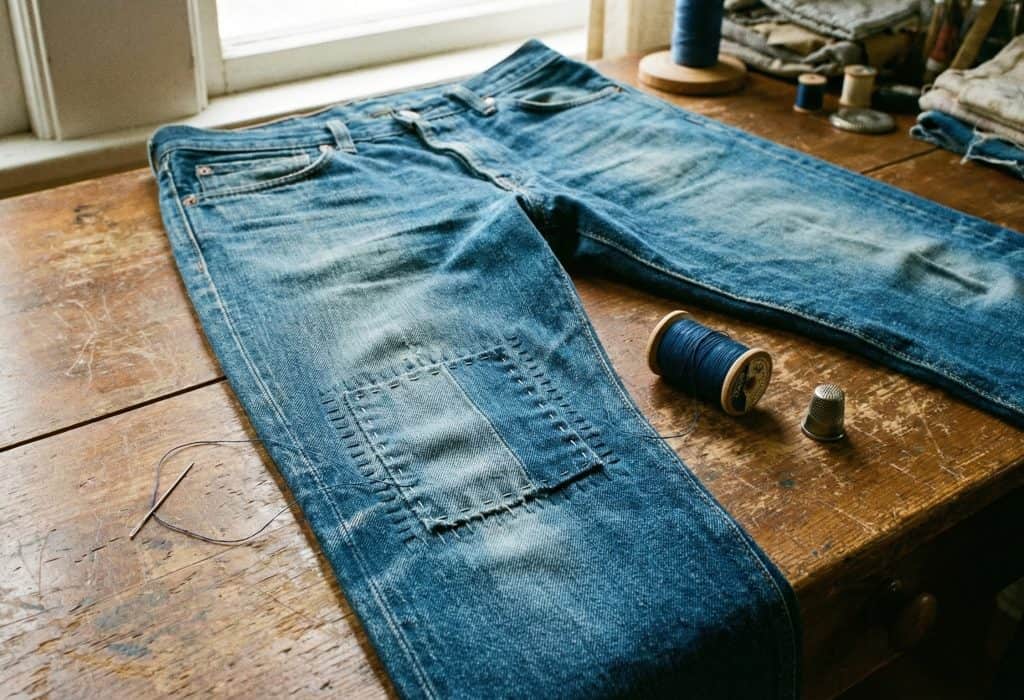
If you rip your jeans today, you go to the mall.
In the 1930s, that was unthinkable.
When fabric tore, it wasn’t garbage. It was a challenge.
You didn’t replace the item; you repaired it. You learned to sew a seam, patch a knee, or darn a hole.
It wasn’t just about saving pennies. It was about respecting the labor that went into making the thing in the first place.
2. Homemade Cleaning Products
Walk down the cleaning aisle today, and you’ll see 50 different bottles of toxic blue liquid.
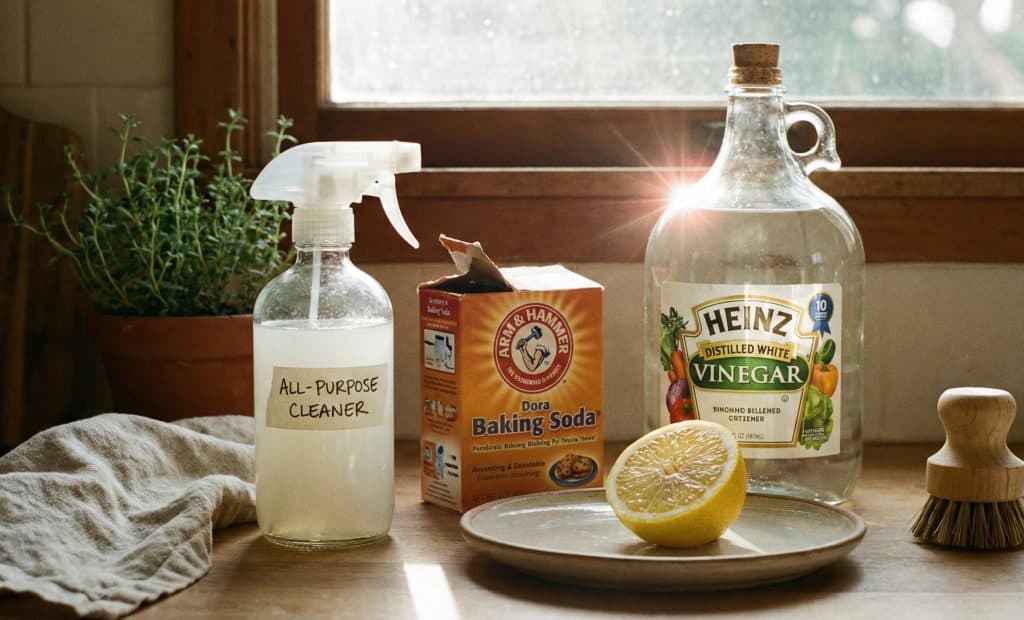
Our grandparents used three things: Vinegar, baking soda, and ammonia.
They didn’t need a specific spray for the counter and another for the glass.
A mixture of vinegar and water cleaned the windows better than Windex ever could. Baking soda scrubbed the sink.
It cost pennies, it worked perfectly, and it didn’t poison the air in your home.
3. Reuse and Recycle Everything
Recycling today means putting a plastic bottle in a blue bin and hoping for the best.
Depression-era families were the original recyclers.
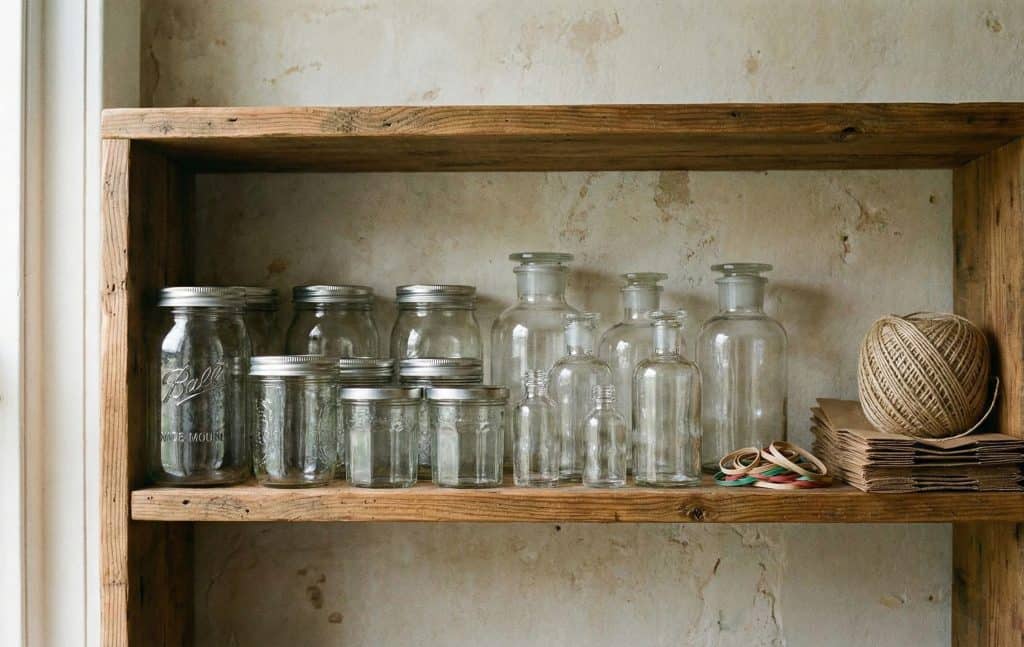
A glass jar wasn’t trash; it was a drinking glass, a storage container, or a canning vessel.
String, foil, paper bags, and rubber bands were saved in a drawer. You never knew when you’d need them, and you certainly couldn’t afford to buy them again.
4. Make Your Own Soap
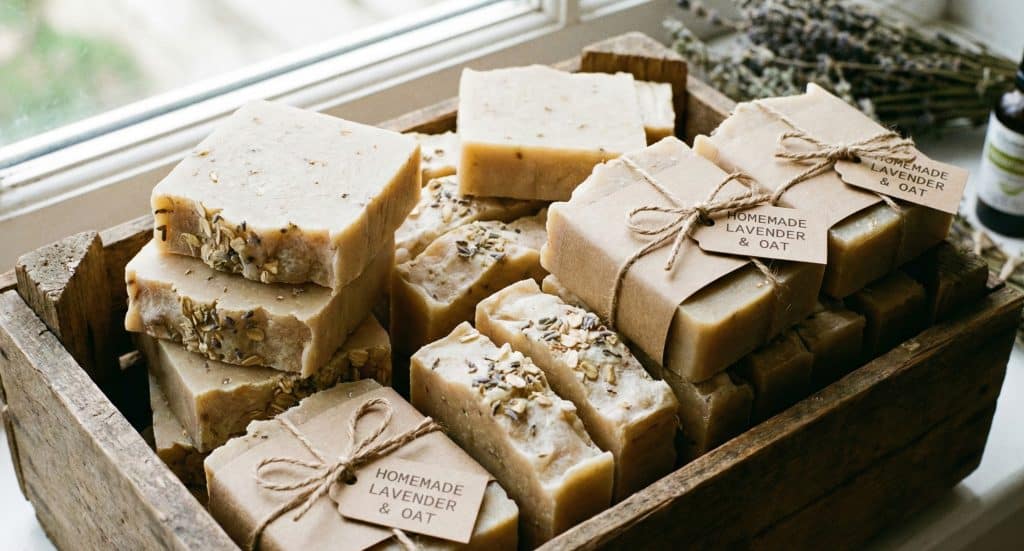
Soap didn’t come in a pump bottle from Bath & Body Works.
It came from the kitchen.
Families saved animal fats and mixed them with lye to create hard bars of soap.
It was harsh, effective, and free.
It cleaned the laundry, the dishes, and the children.
5. Save Seeds from Your Garden
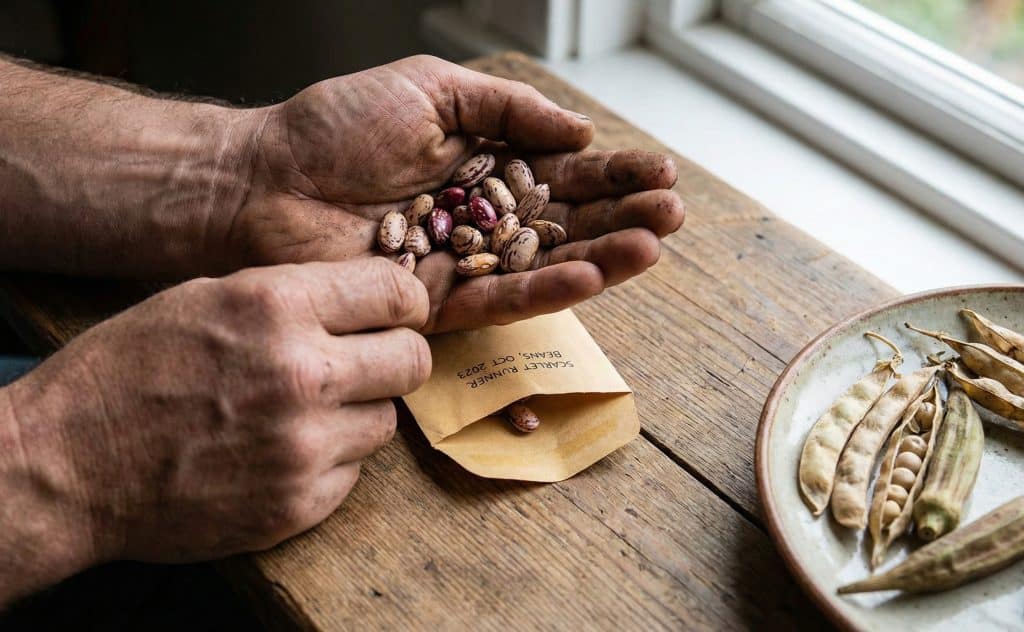
Buying seeds every spring is a modern luxury.
Gardeners back then didn’t buy seeds; they harvested them.
At the end of the season, you let the best tomatoes and beans go to seed. You dried them, stored them, and planted them next year.
It was a self-sustaining cycle that cost exactly zero dollars.
6. Barter and Skill Exchange
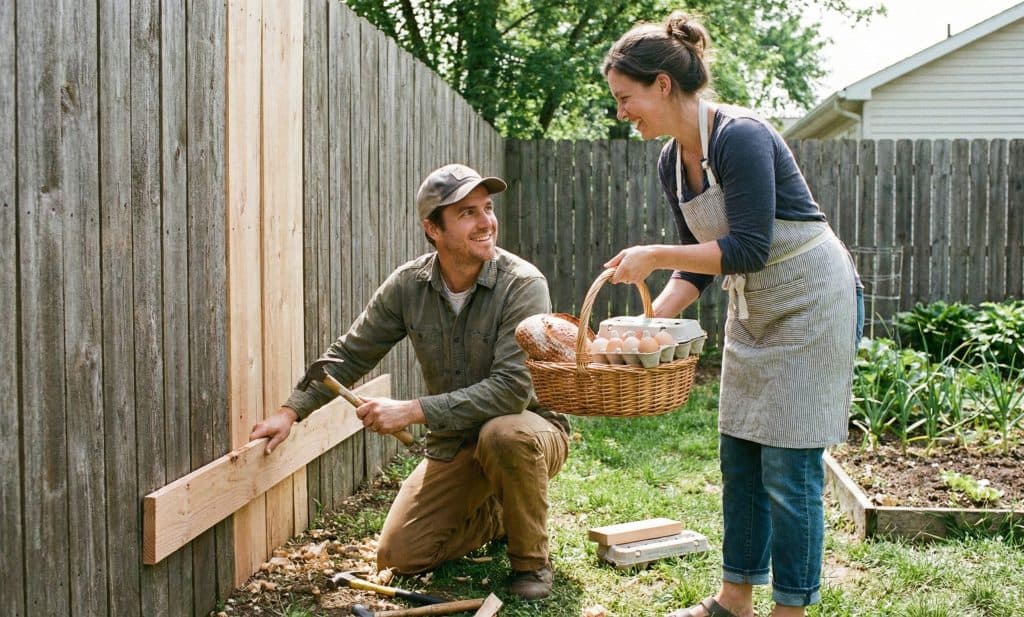
When cash is scarce, skills become currency.
You didn’t hire a handyman. You traded a bushel of apples for a fence repair.
You watched the neighbor’s kids, and she baked your bread.
The economy wasn’t based on Venmo. It was based on trust and community support.
7. Transform Leftovers into New Meals
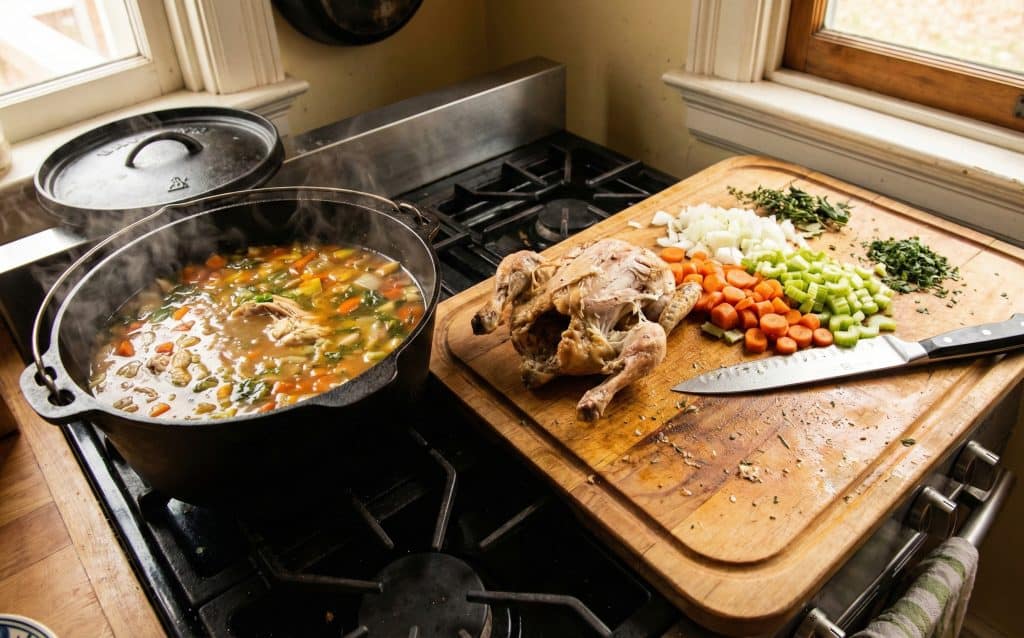
Throwing away food was a sin.
A roast chicken on Sunday became sandwiches on Monday, soup on Tuesday, and stock on Wednesday.
Stale bread became pudding or stuffing.
Every calorie was extracted. The trash can stayed empty, and the bellies stayed full.
8. Build Homemade Furniture
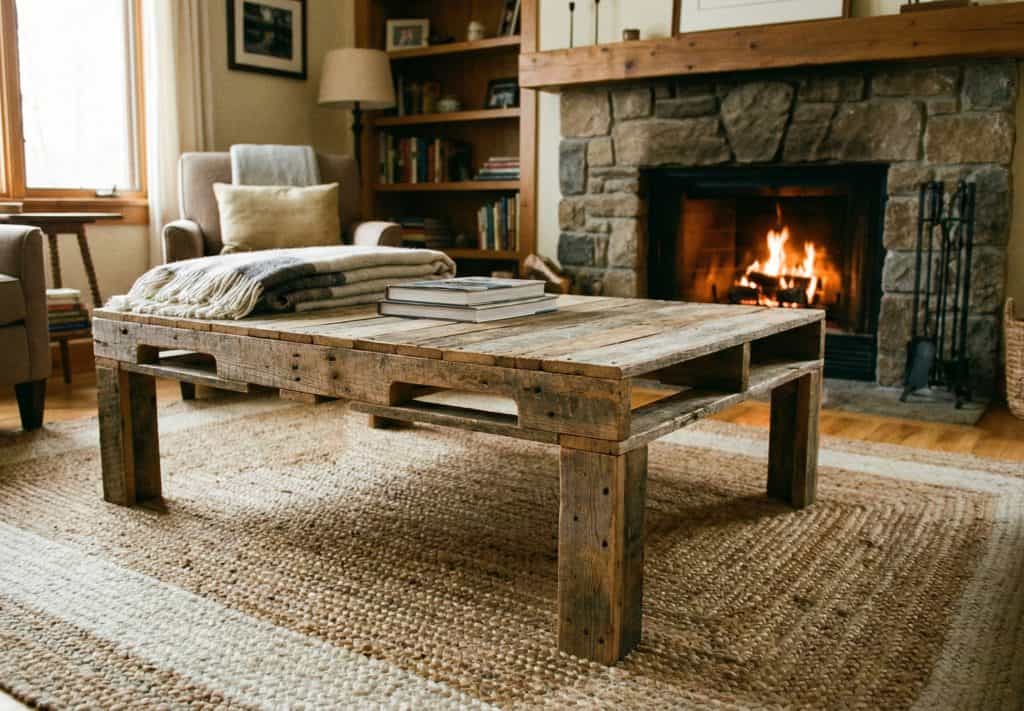
If you needed a table, you didn’t go to IKEA.
You went to the scrap pile.
Crates, pallets, and reclaimed wood were sanded down and nailed together.
It wasn’t “rustic chic.” It was necessary. And unlike particle board, that furniture is often still standing today.
9. Use All Parts of Animals
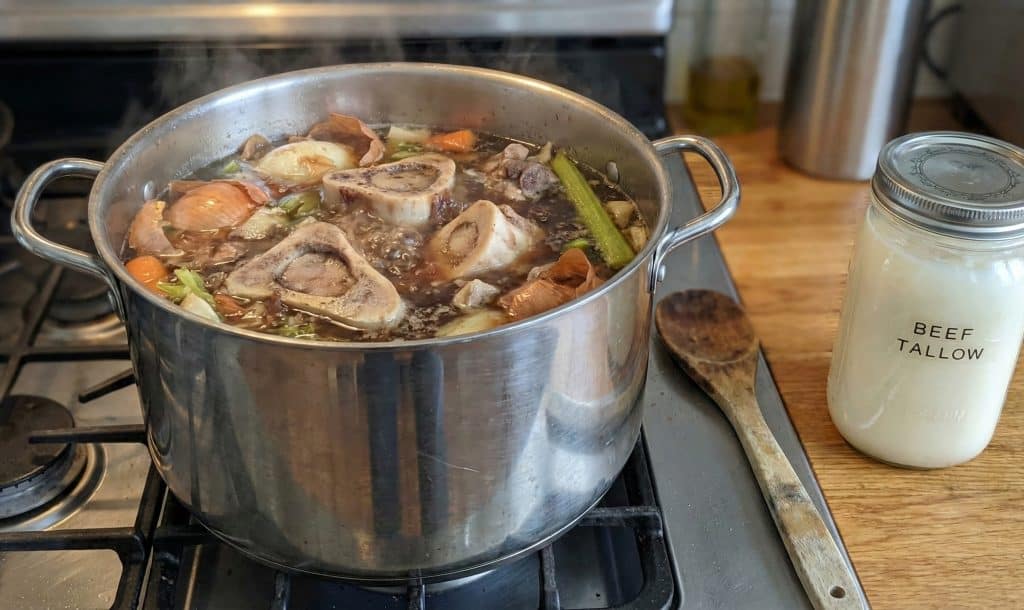
Modern shoppers want boneless, skinless breasts.
Old-timers knew the real value was in the bits we throw away.
Bones were boiled for days to make nutrient-dense broth. Organs were prized for their vitamins. Fat was rendered for cooking.
They honored the animal by wasting nothing.
10. Sew and Alter Clothes
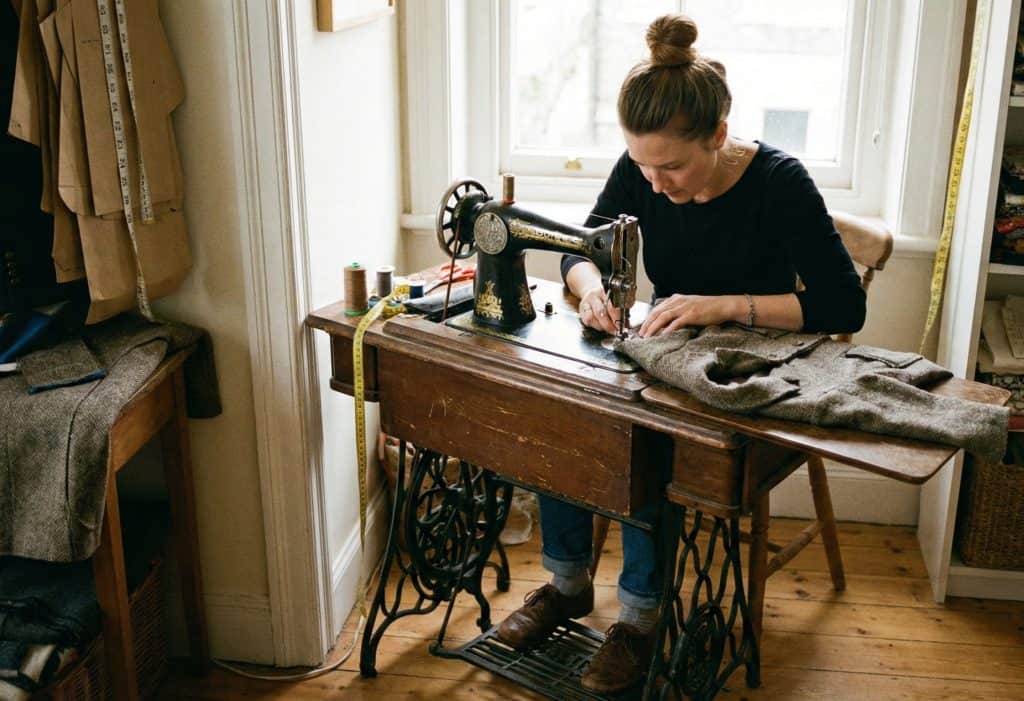
Clothing sizes didn’t matter because you made the clothes fit.
Adult coats were cut down to fit children. Worn-out dresses became aprons.
When a sweater unraveled, you wound the yarn into a ball and knitted mittens.
The fabric lived a dozen lives before it finally became a rag.
11. Cook Cheap, Filling Meals
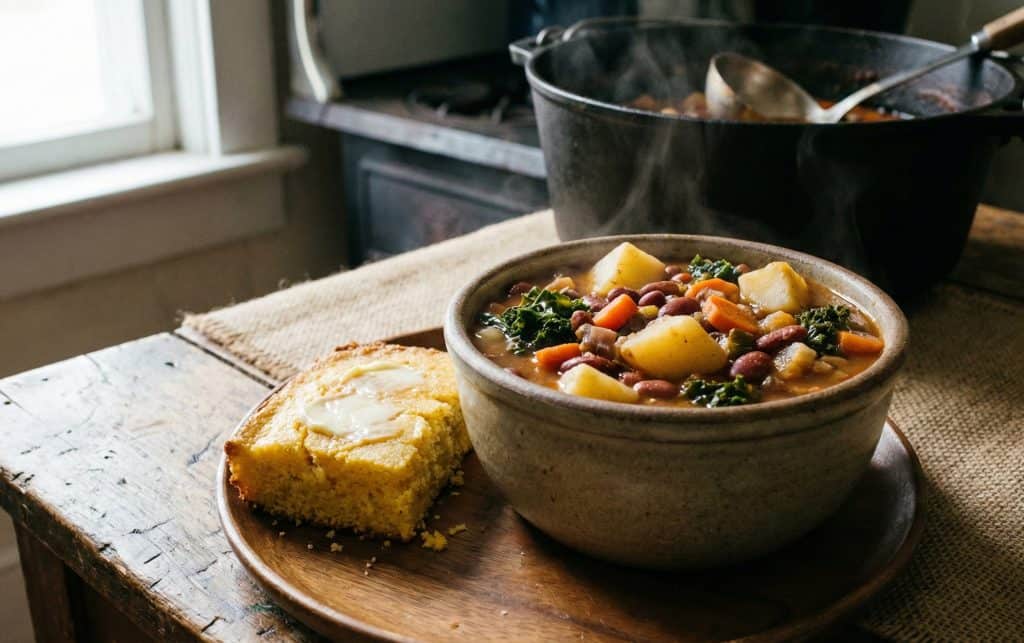
Meat was expensive. Beans were cheap.
Meals were designed to fill you up on pennies a day.
Potatoes, rice, cornmeal, and heavy soups were the staples.
They weren’t glamorous, but they fueled a generation of hard work.
12. Homemade Treats
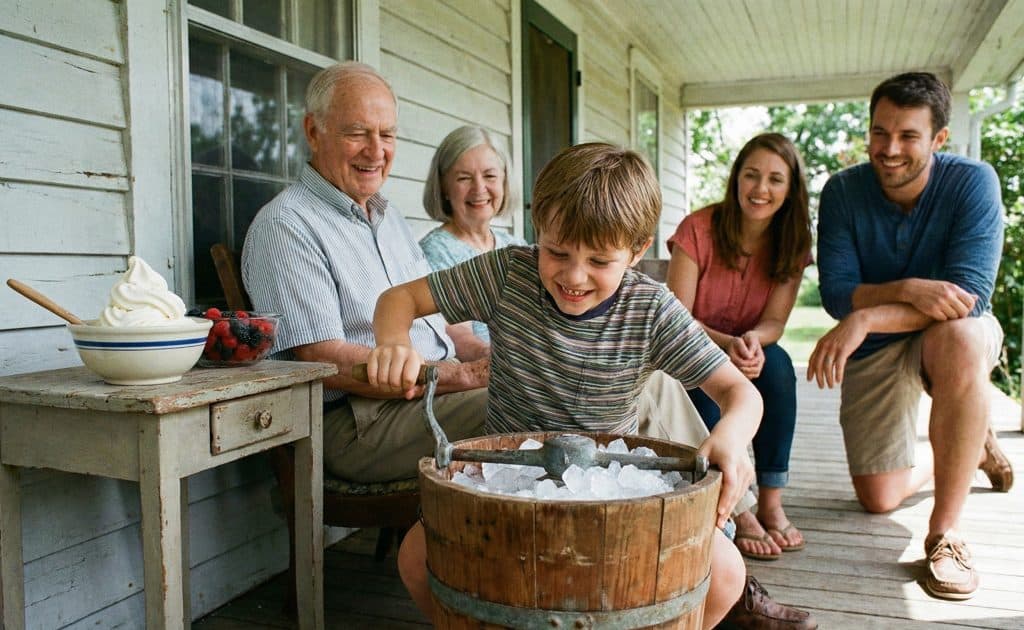
You didn’t buy a pint of ice cream. You made it.
With some milk, sugar, and a hand-crank machine, you created dessert on the back porch.
It tasted better because you worked for it.
13. Paper Insulation
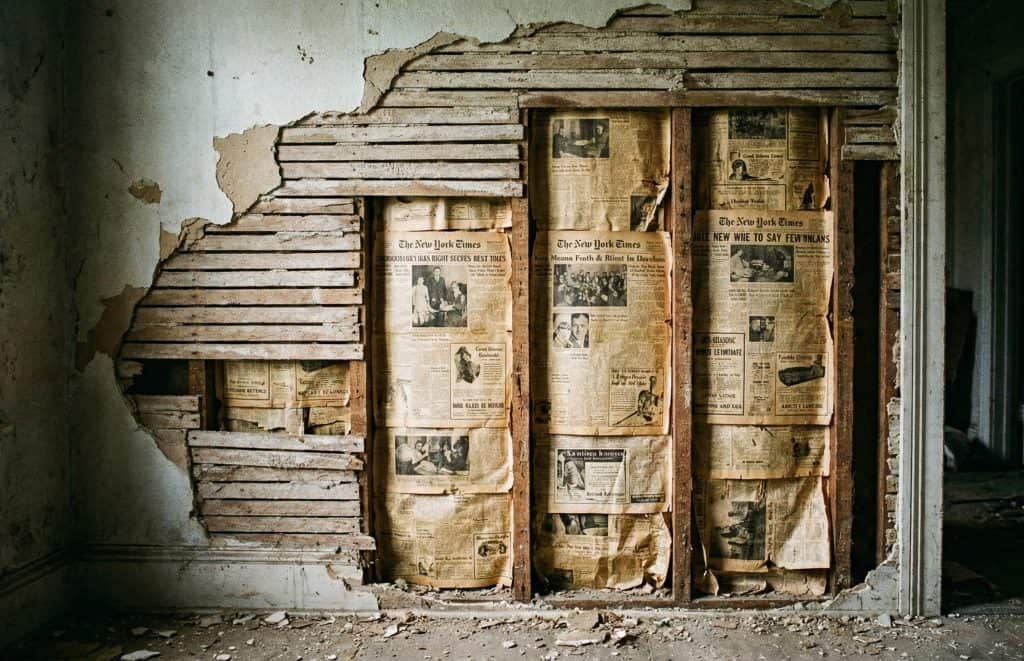
Drafty walls meant freezing nights.
If you couldn’t afford real insulation, you used what you had: newsprint.
Layers of newspaper were stuffed into cracks or tacked up on walls.
It wasn’t perfect, and it was a fire hazard, but it stopped the wind.
14. Use the Whole Fruit
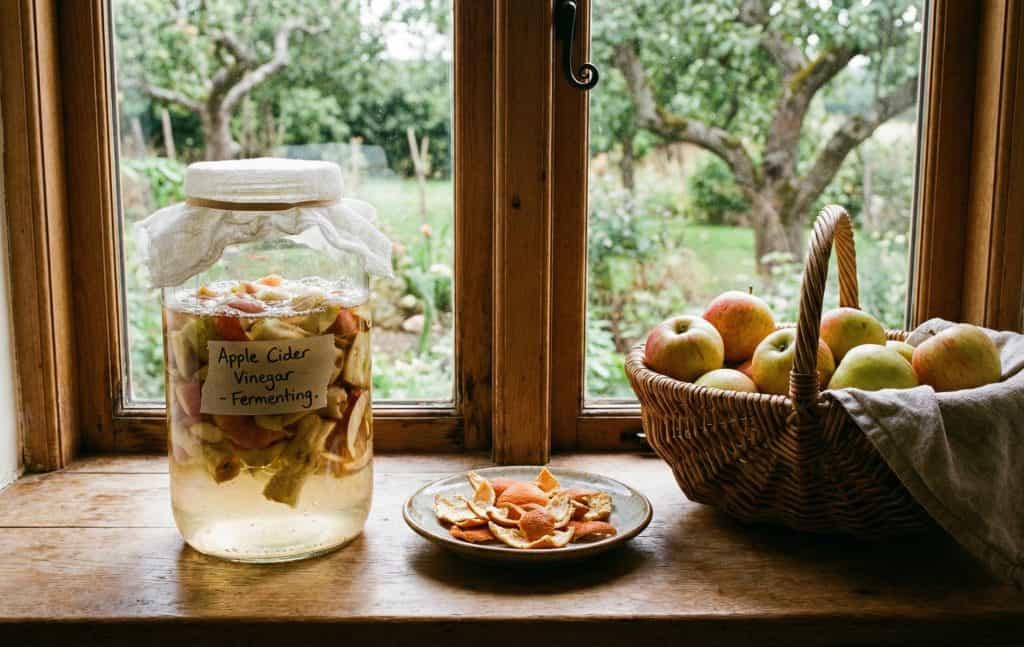
Peeling an apple and throwing away the skin? Unthinkable.
The peels were turned into vinegar or jelly.
Watermelon rinds were pickled. Pumpkin seeds were roasted.
If it grew, you ate it.
15. Grow Food Everywhere
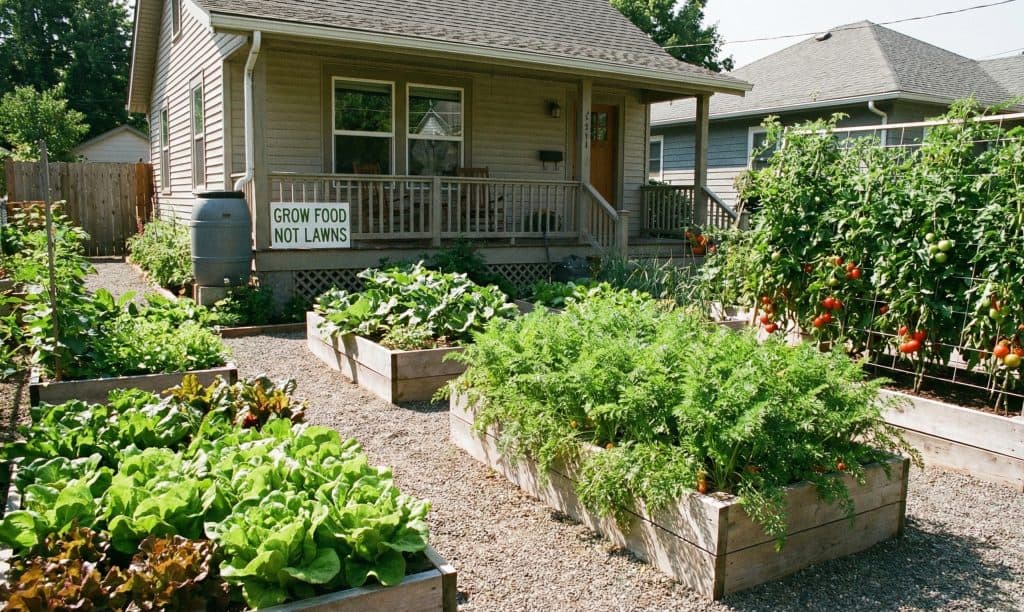
A lawn was a waste of space.
Front yards, back yards, and windowsills were turned into production zones.
Victory Gardens weren’t a hobby. They were the grocery store.
16. Patch Leaky Roofs
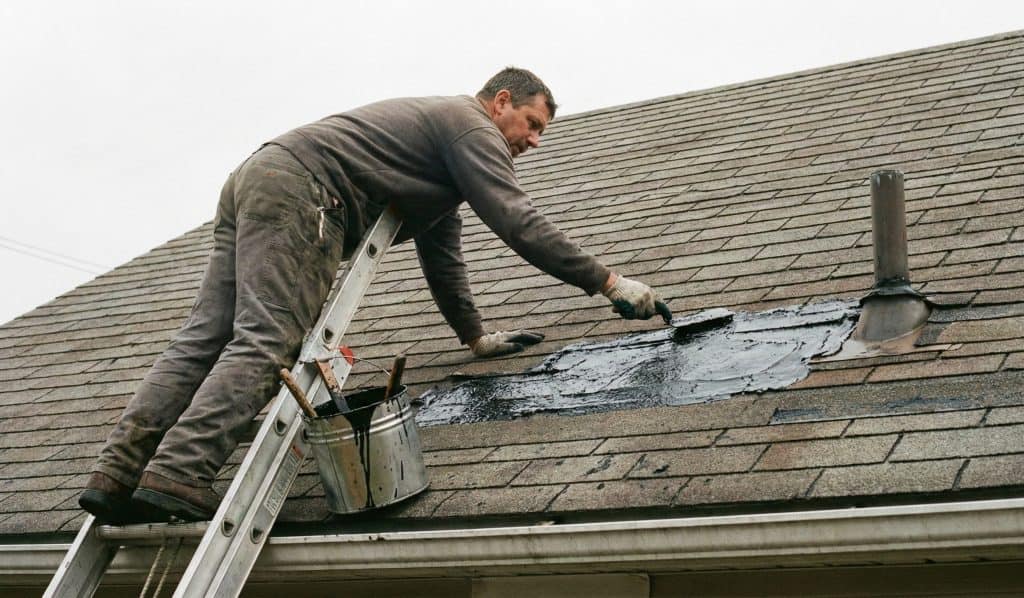
A drip in the living room didn’t mean calling a contractor.
It meant climbing a ladder with a bucket of tar or a piece of tin.
You fixed it immediately, and you fixed it yourself.
17. Darn Socks
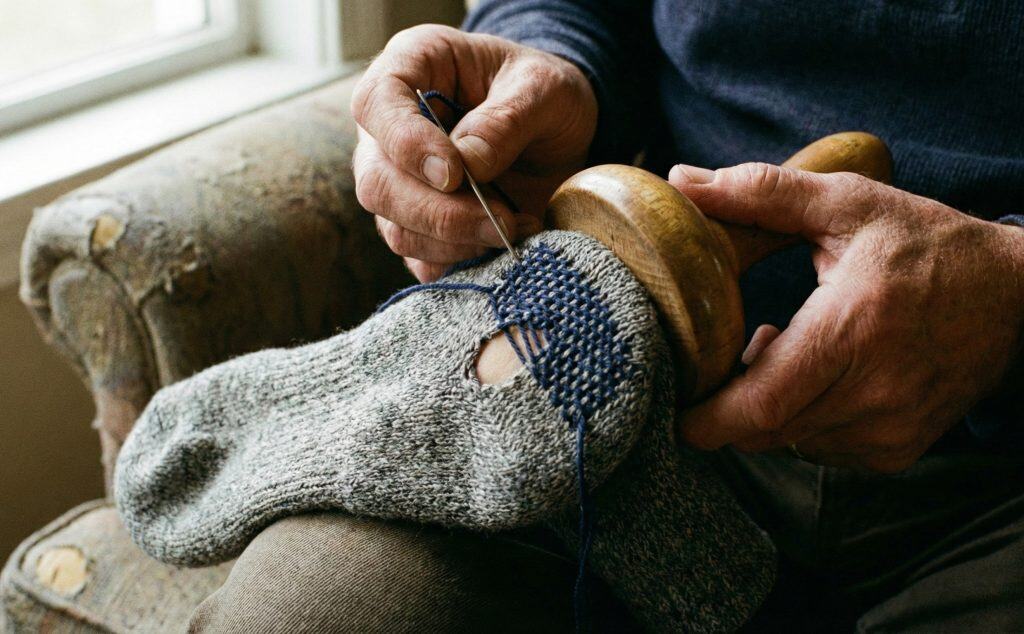
Socks used to be expensive items made of wool.
When a heel wore through, you used a “darning egg”—a wooden tool to hold the shape—and wove new threads across the hole.
A good pair of socks could last ten years. Today, ours last ten washes.
18. Homemade Toys
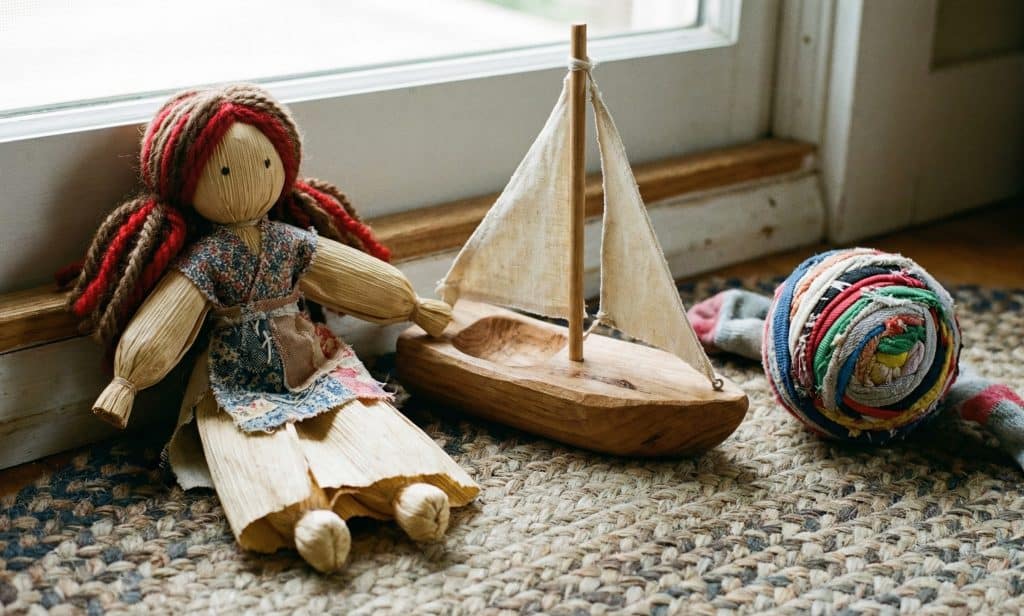
Kids didn’t need batteries.
A doll made from corn husks, a fort made from a cardboard box, or a jump rope braided from scrap fabric.
Imagination was the engine, and it never ran out of power.
19. Share Tools
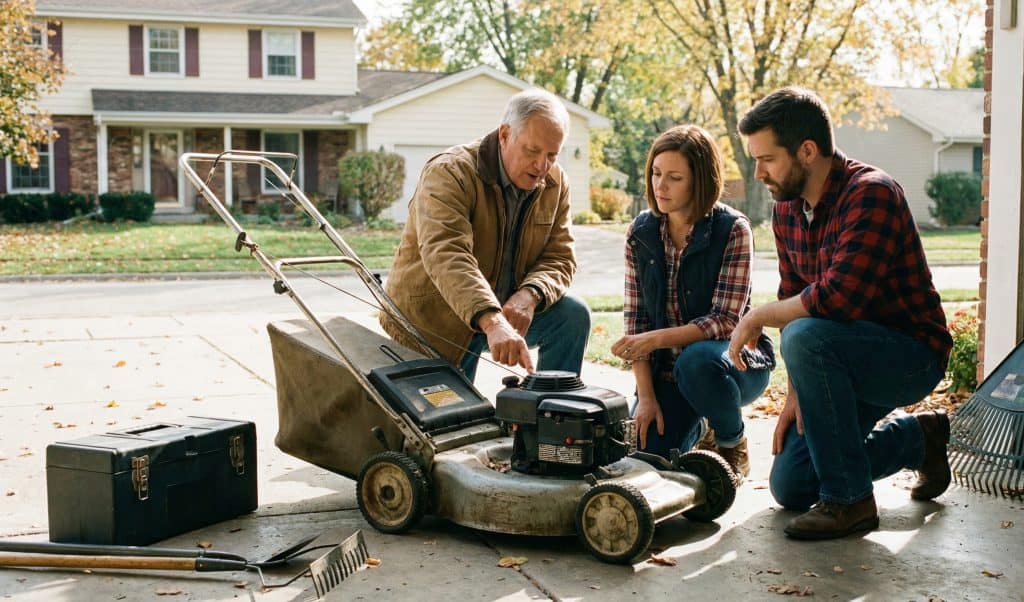
Every house didn’t need a lawnmower. The neighborhood needed a lawnmower.
People shared expensive tools like canners and saws.
It built community and saved everyone money.
20. Save Cooking Fats
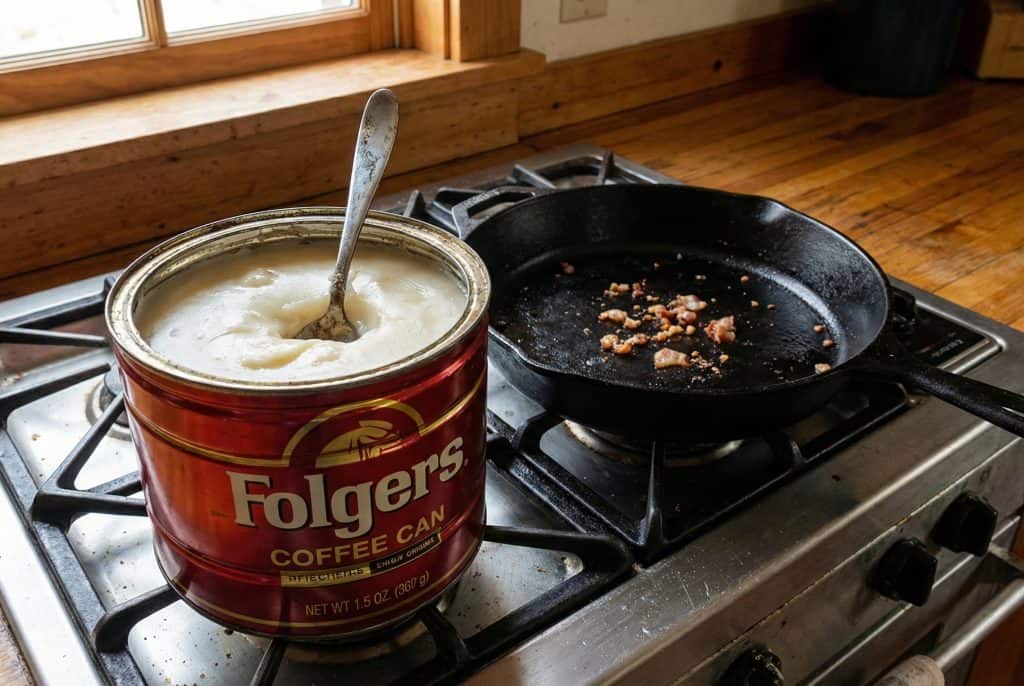
Pouring bacon grease down the drain? That’s pouring money away.
Every drop of fat was poured into a coffee can on the stove.
It was used to fry eggs, flavor potatoes, or grease pans later.
It added flavor and calories that you couldn’t afford to lose.
21. Keep Fasteners
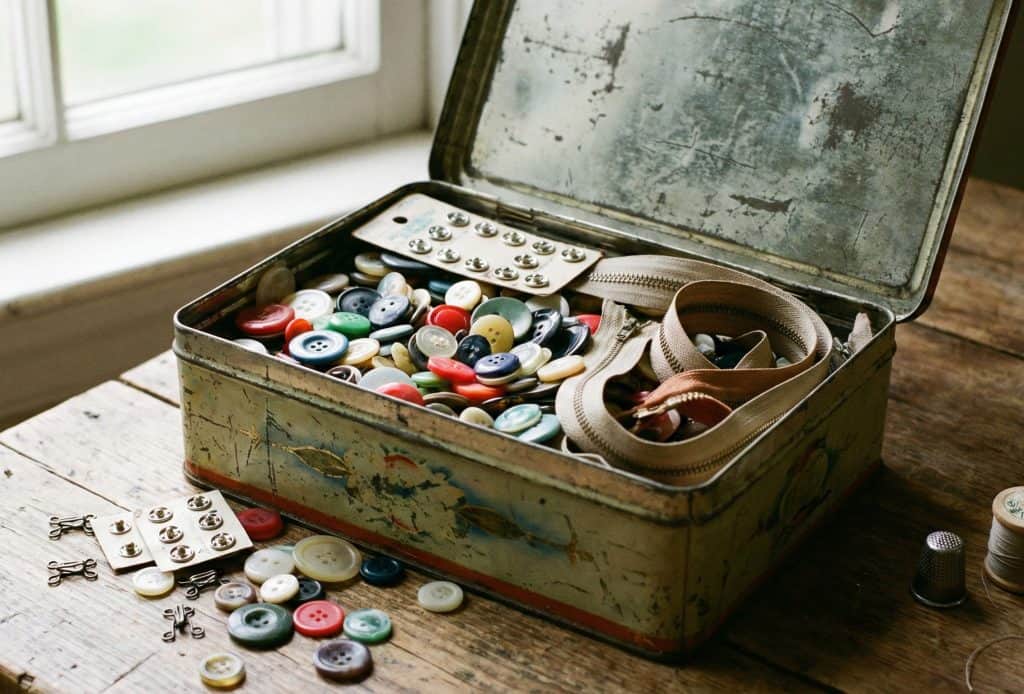
Before a shirt went to the rag pile, you cut off the buttons.
Zippers, snaps, and hooks were harvested and stored in a tin.
When you made a new shirt, the buttons were free.
22. Emergency Candles
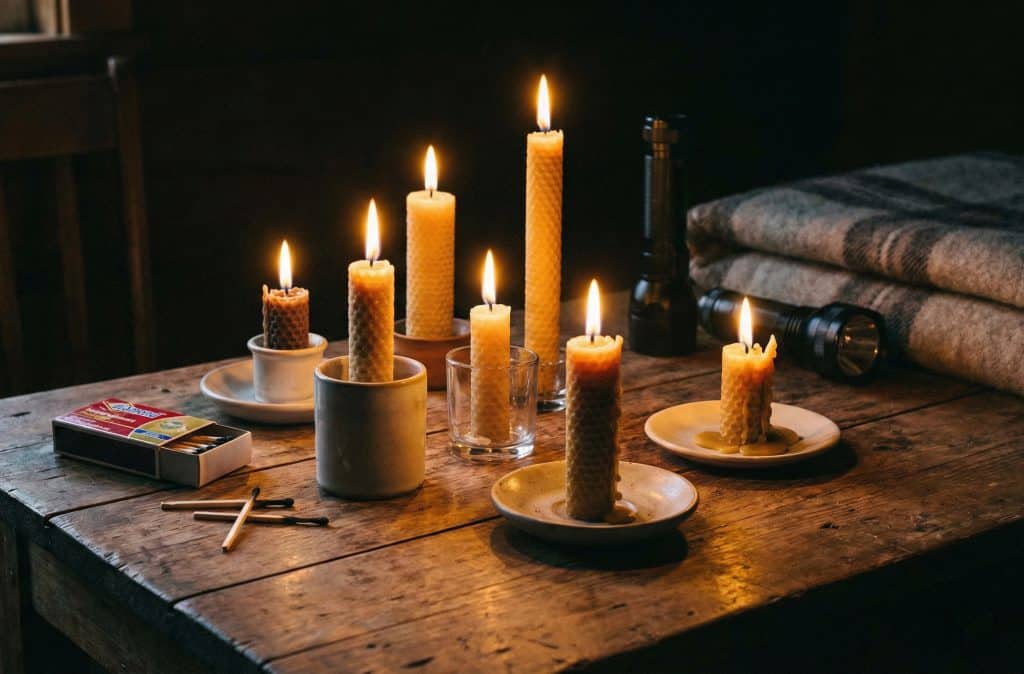
When the lights went out, you didn’t panic.
You lit candles made from beeswax or leftover tallow.
Light was a precious resource, treated with respect.
23. Glass Jar Storage
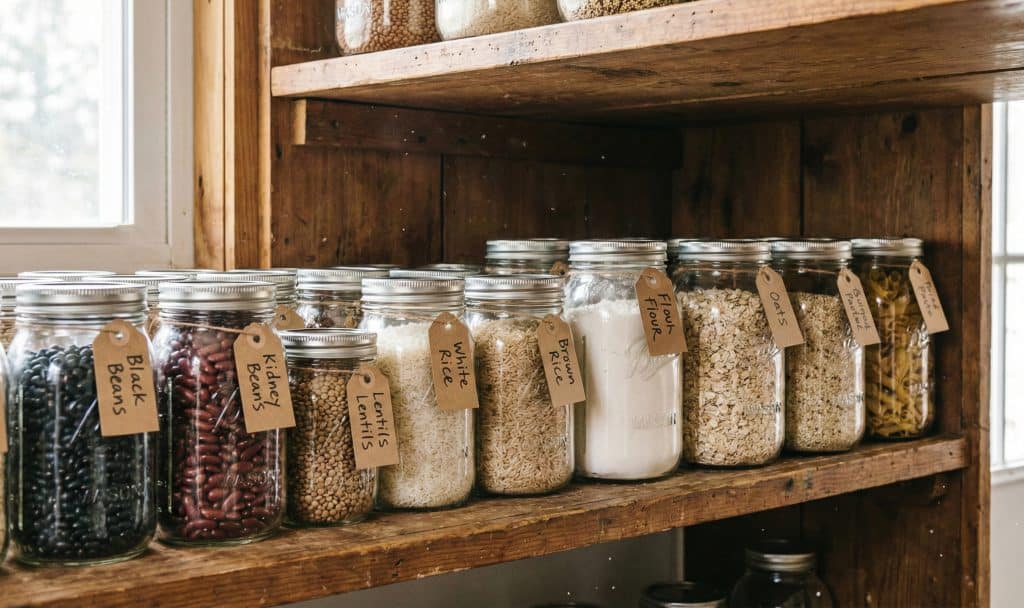
Plastic Tupperware didn’t exist.
Mason jars were the original food storage system.
They were airtight, pest-proof, and infinitely reusable.
24. Rainwater Harvesting
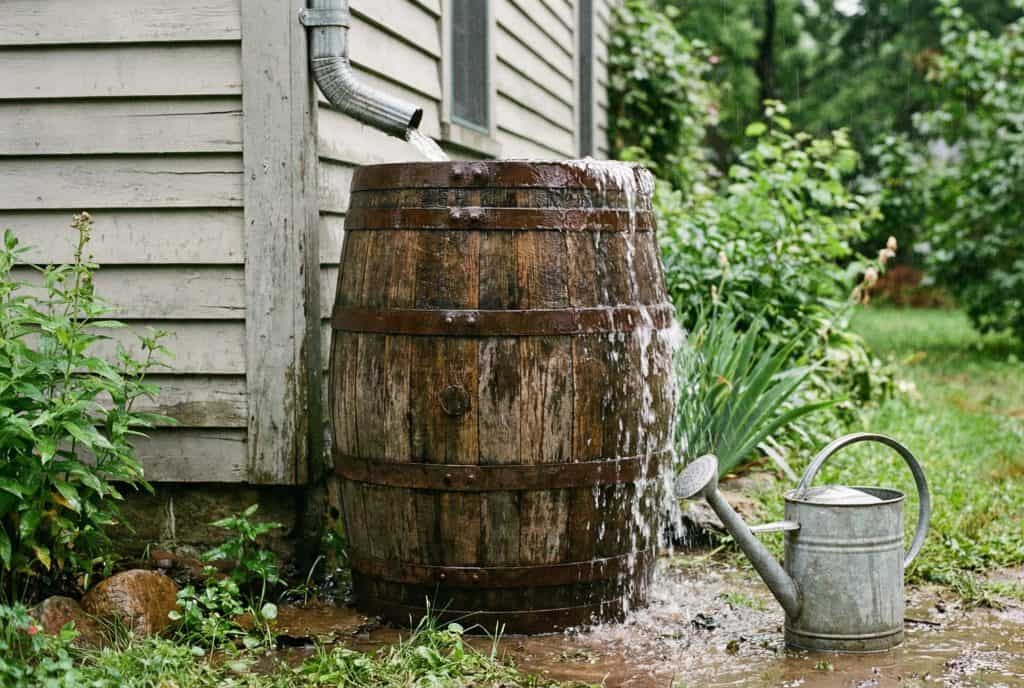
Water from the sky is free.
Barrels under the downspouts caught rain for the garden and the laundry.
Why pay the city for water when nature provides it?
25. Layer Clothing

Central heating is a modern comfort.
Back then, you didn’t heat the whole house. You heated the person.
You wore wool sweaters and long underwear indoors. You put a hat on to sleep.
It saved fuel, and it made you tougher.
Conclusion
We look at these hacks today and call them “extreme.”
We mock the idea of darning a sock or saving a jar.
But when inflation spikes, or the supply chain breaks, or the paycheck stops coming, you realize something.
These weren’t just penny-pinching tricks. They were independence.
A household that can fix, grow, and make its own goods isn’t old-fashioned.
It’s unbreakable.