

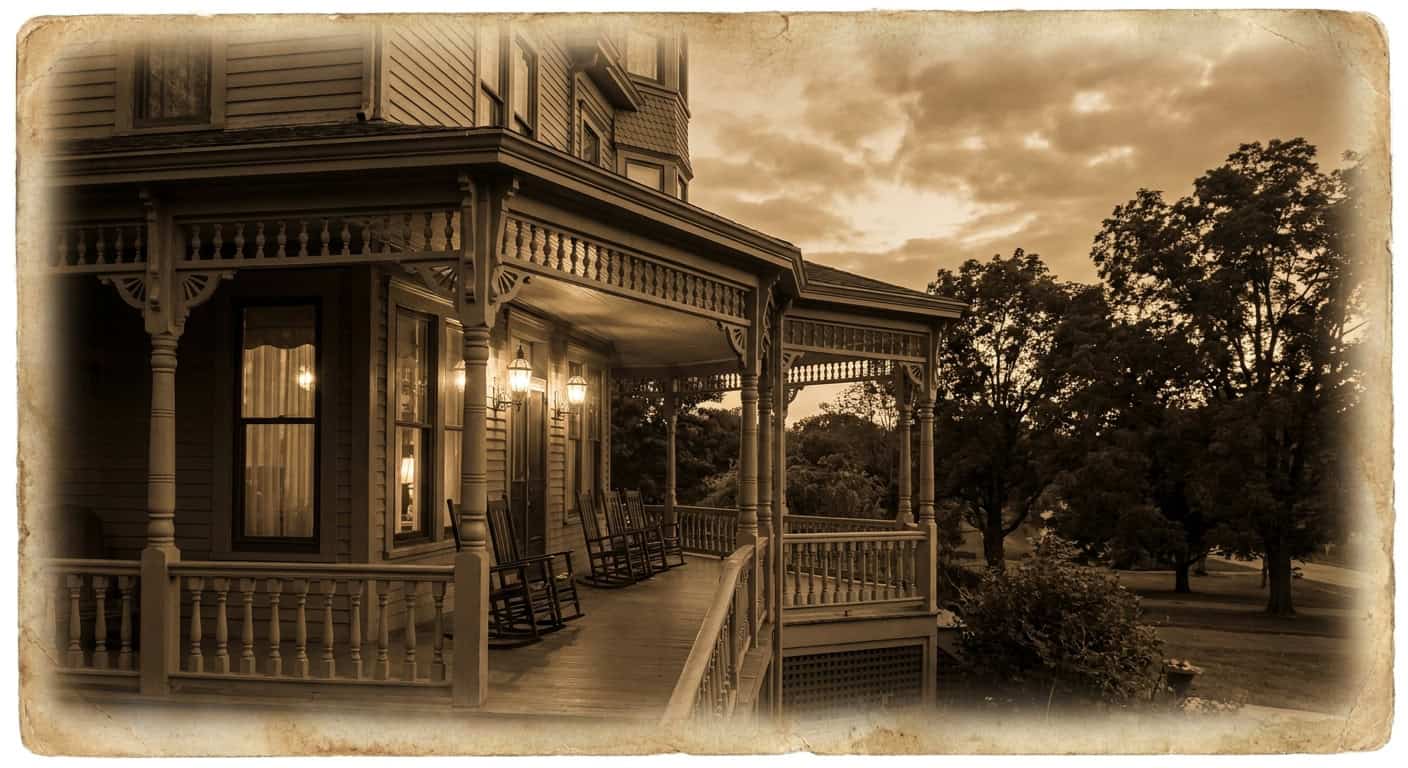
Walk into a modern subdivision, and you might see a porch.
But look closer. It is usually just a shallow 4-foot concrete slab for an Amazon package.
It is a decoration, not a room.
Drive through a town built 100 years ago, and you see the street’s living room.
For 200 years, the front porch was the social network of America.
It was where you cooled off. It was where you courted your spouse. It was where you watched the neighborhood.
If you sat on the porch, you were “online.”
Builders did not just slap a deck on the front. They built architectural masterpieces.
They required massive columns, rot-resistant flooring, and complex rooflines.
We stopped building porches like this because AC moved us inside and TV kept us there.
Here are 25 classic porch styles that define the golden age of American architecture.
1. The Wrap-Around
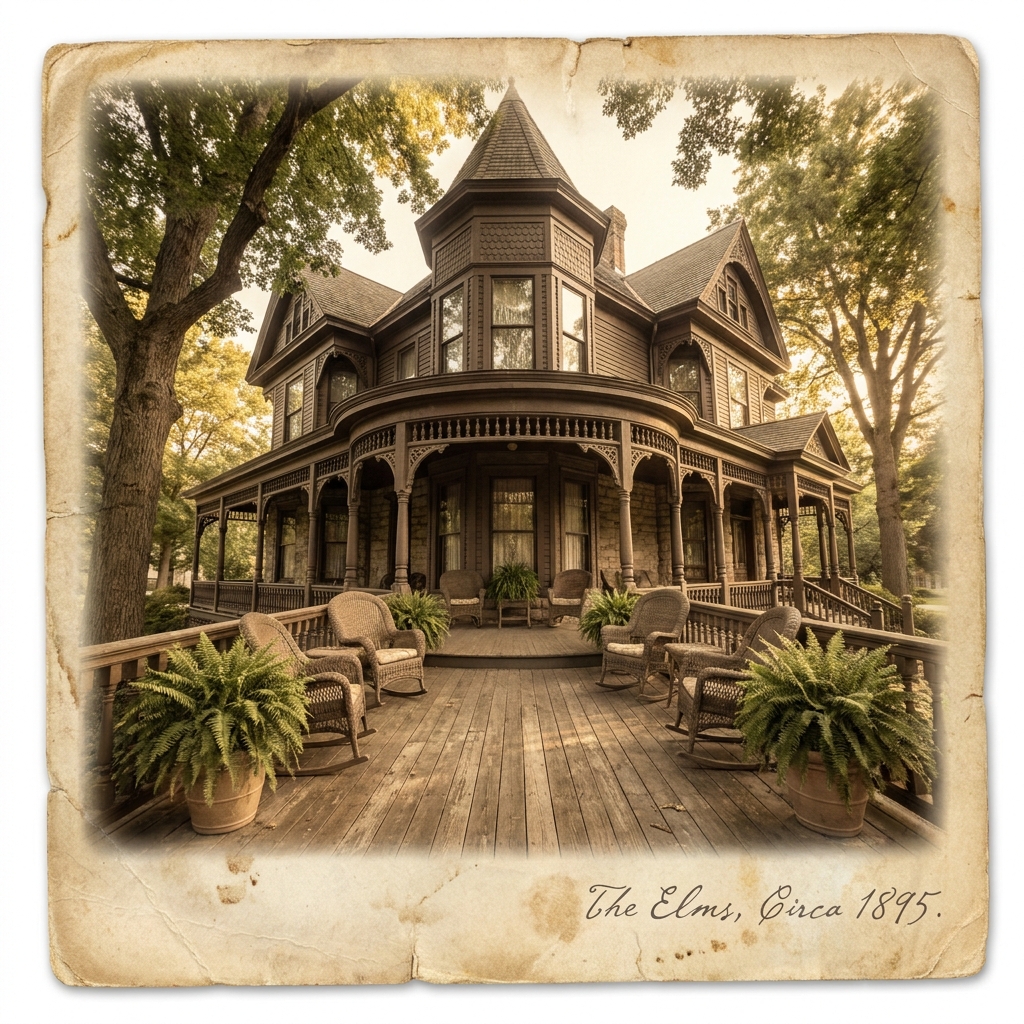
This is the undisputed King of Porches.
Found mostly on Queen Anne Victorians, this porch does not just sit on the front. It hugs the house.
It starts at the front door and wraps around one or both sides.
It allowed you to follow the sun (or hide from it) throughout the day.
For a carpenter, this was a geometry challenge. Mitered corners on the decking and curved railing sections required a master’s touch.
It screams “lemonade” and “rocking chair.”
2. The Craftsman Bungalow
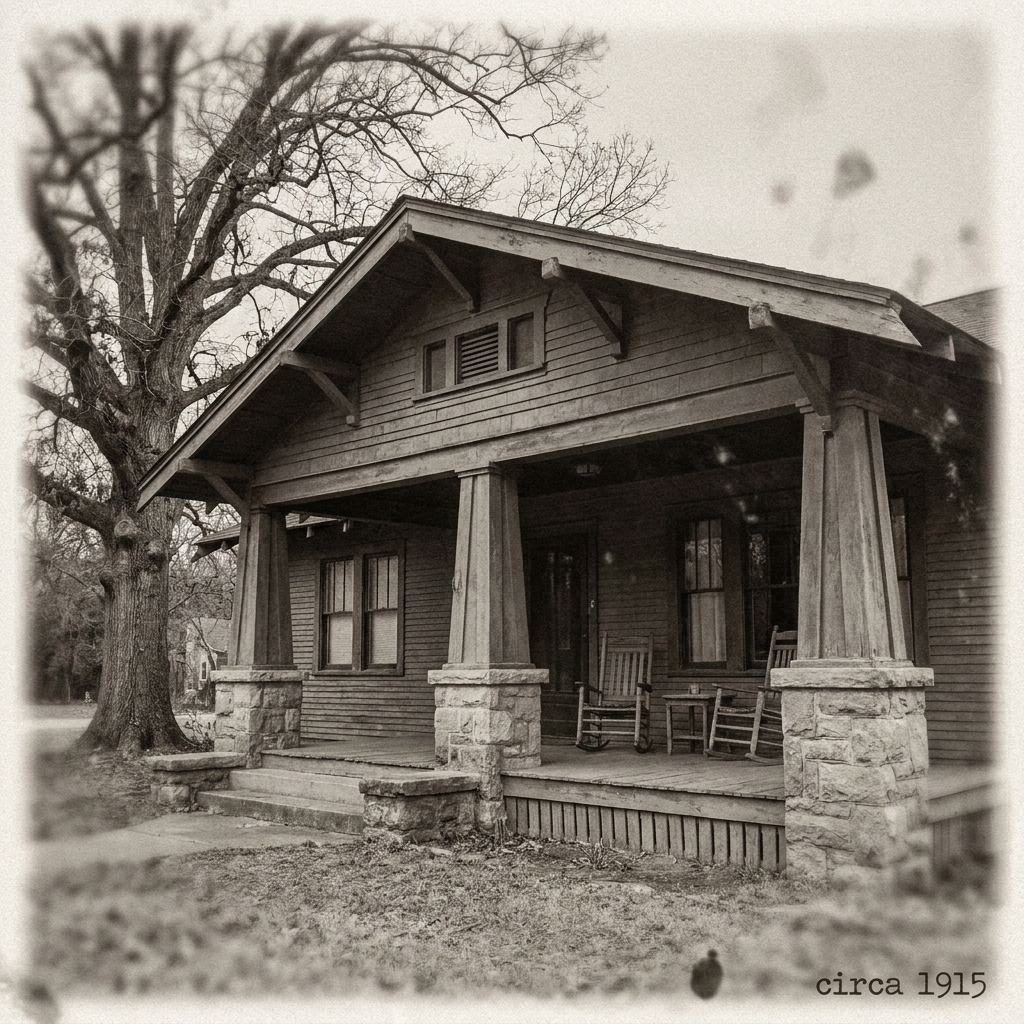
When the Victorian era ended, things got heavy.
The Craftsman porch is defined by weight.
It features thick, tapered columns (often square) resting on massive stone or brick pedestals.
The roofline is low and deep, creating a permanent shadow that kept the living room cool.
The woodwork here was often left natural or stained, not painted, to show off the grain of the Douglas Fir or Oak.
3. The Porte-Cochère
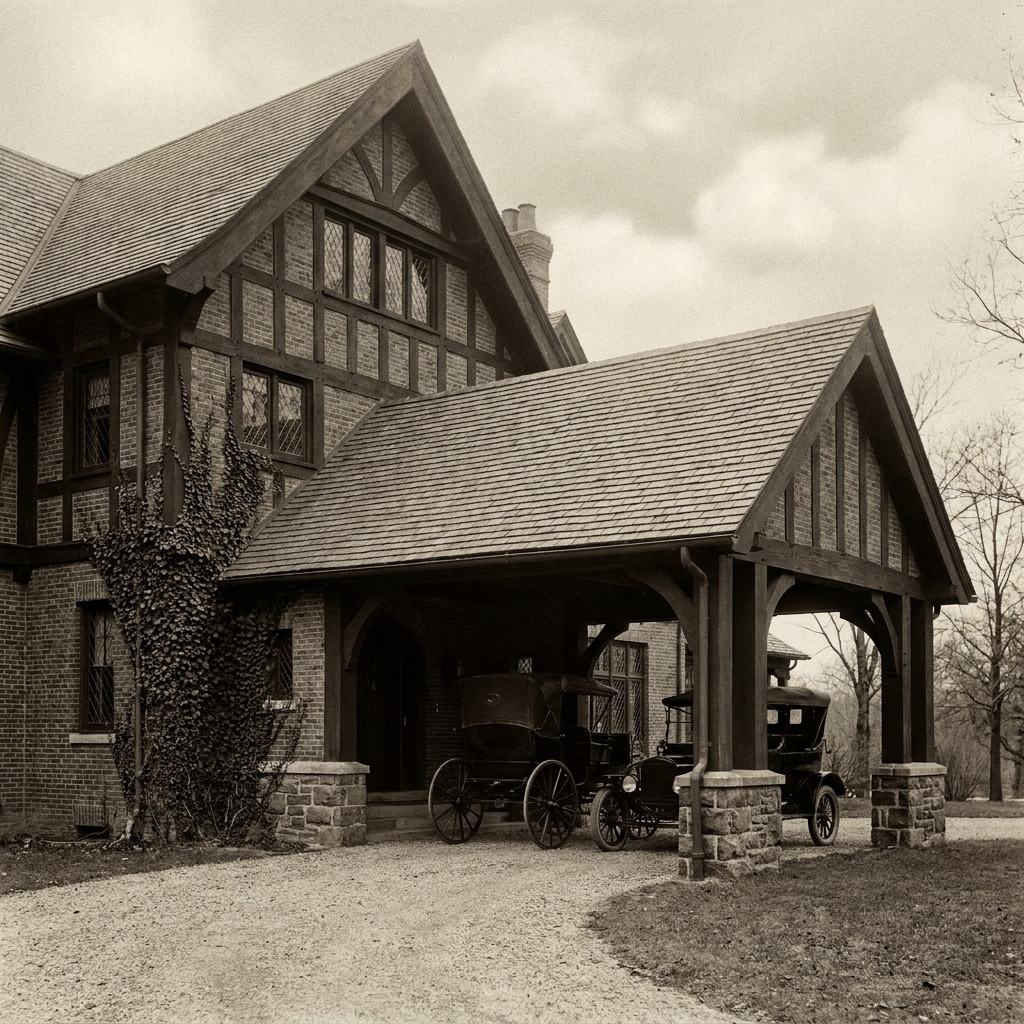
This is the “Drive-Thru” porch.
Originally built for horse-drawn carriages, it is a roofed structure extending from the side or front of the house over the driveway.
It allowed guests to step out of their carriage (or Model T) without getting wet in the rain.
It required massive structural beams to span the width of a vehicle without center support.
Today, we have attached garages. We stay dry, but our houses look like warehouses.
4. The Rain Porch
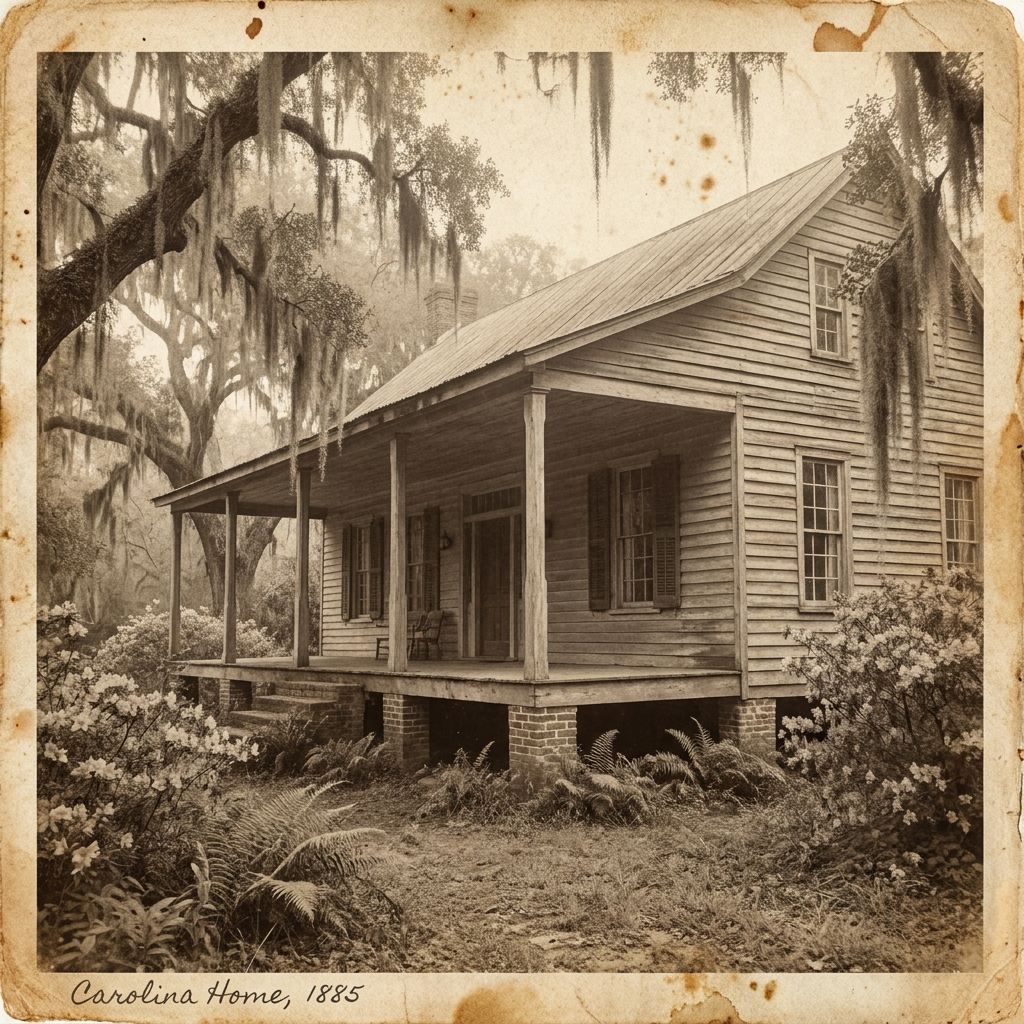
In the Carolina Lowcountry, humidity is the enemy.
The Rain Porch (or Carolina Porch) has a very specific design feature: the columns do not touch the ground floor.
Instead, they sit on small brick piers. The floor of the porch is extended past the columns.
Why? So wind-blown rain hits the extended floor and drains off, keeping the actual sitting area dry and protecting the wood columns from rot.
It is a brilliant example of engineering for the climate.
5. The Double Gallery
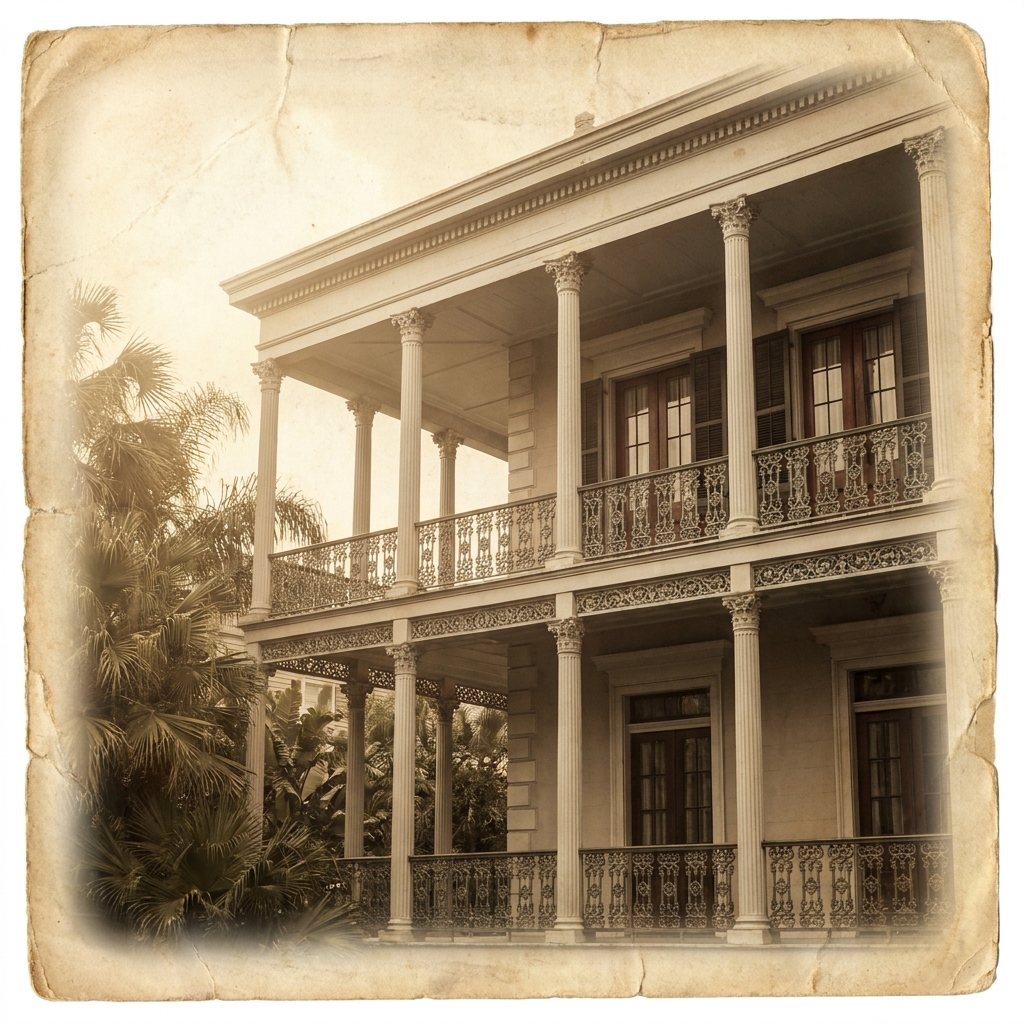
If one porch is good, two are better.
Popular in New Orleans and Charleston, the Double Gallery features stacked porches on the first and second floors.
They are usually supported by a single set of tall columns stretching the full height of the house.
The upstairs porch was not just for looks — it shaded the downstairs porch, creating a deep tunnel of cool air.
6. The Charleston Side Porch
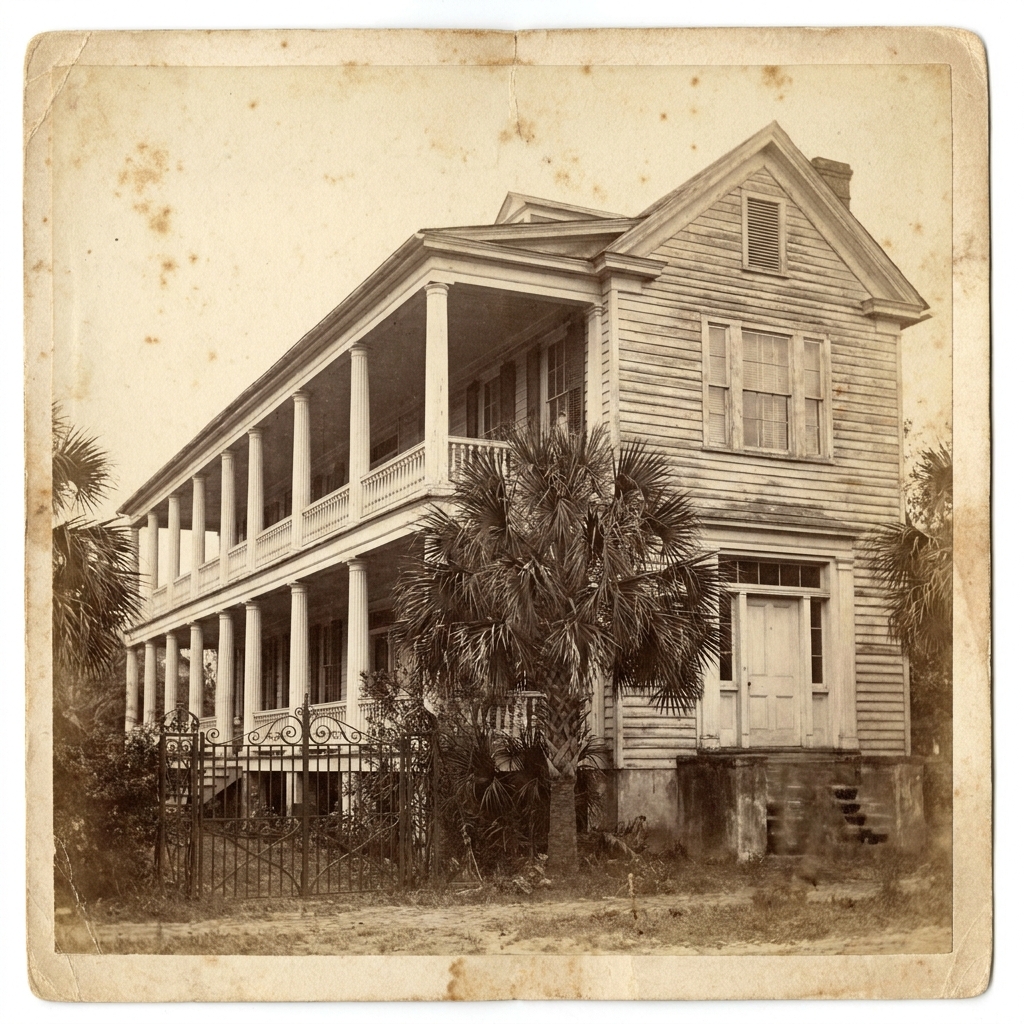
Charleston builders had a problem. The lots were narrow and the heat was brutal.
Their solution was to turn the house sideways.
The Charleston single house puts its long side along the lot line, with the “front door” actually opening onto a long, multi-story porch (called a piazza) running the full depth of the home.
The street-facing door is a fake-out. It opens to the porch, not the house.
It was a privacy screen, a breezeway, and an outdoor hallway all in one.
7. The Sleeping Porch
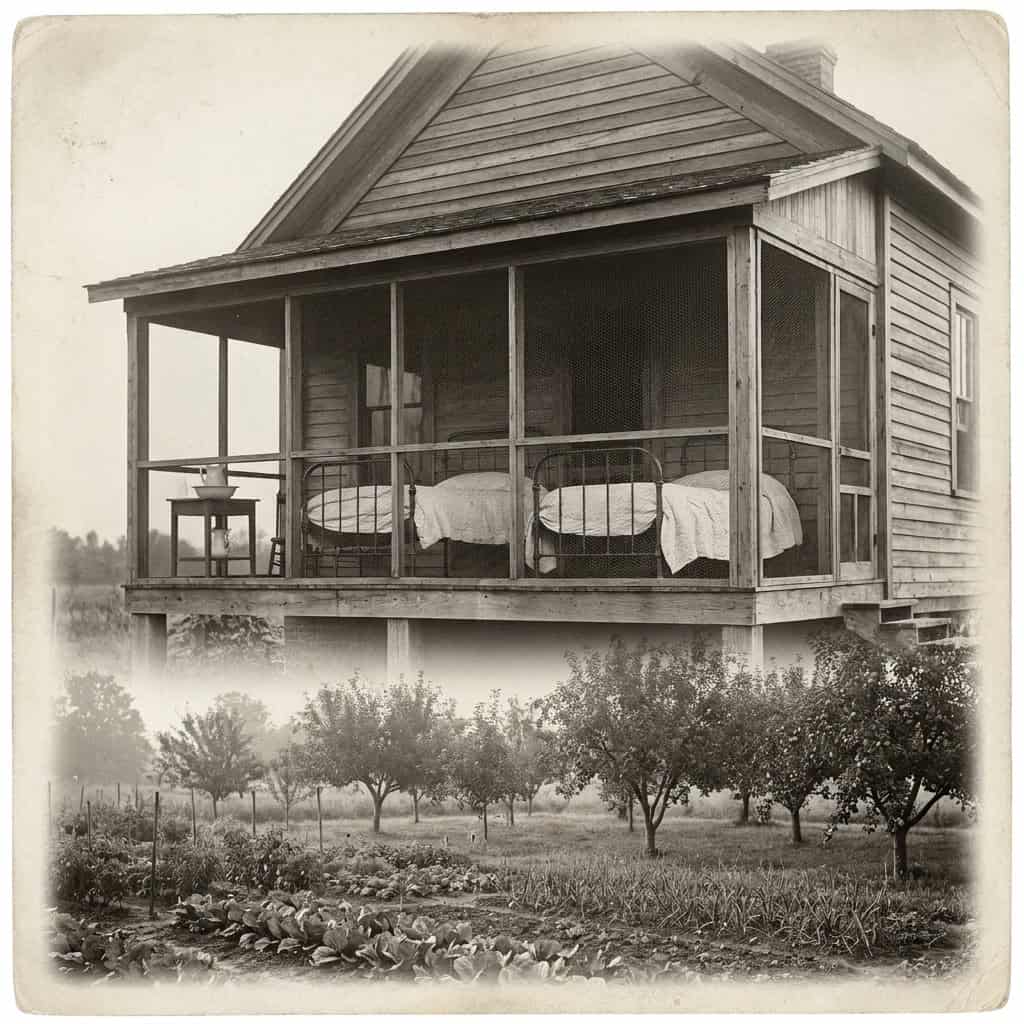
Before AC, summer nights were suffocating.
The Sleeping Porch was usually located on the second floor, directly off the bedrooms.
It was screened in on three sides to maximize cross-ventilation.
Families would drag cots out there to sleep under the sound of crickets.
The millwork had to be durable — flooring was often painted with marine-grade paint because rain would inevitably blow in.
8. The Dogtrot
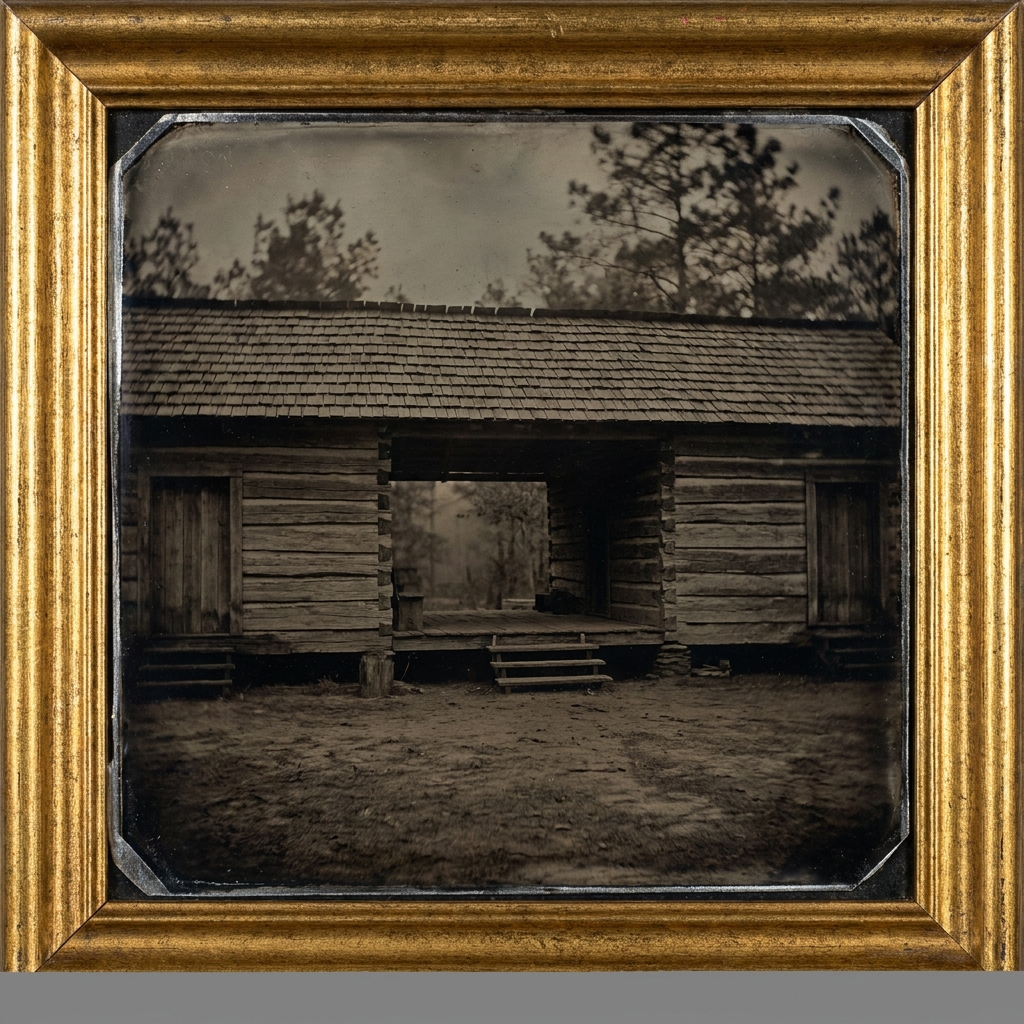
This is a frontier classic.
A Dogtrot cabin consists of two separate log cabins connected by one long, open-air breezeway under a common roof.
The “porch” runs right through the center of the house.
The design created a wind tunnel. Even on a still day, the pressure difference would pull a breeze through the “dogtrot.”
It was the original passive cooling system.
9. The Classical Portico
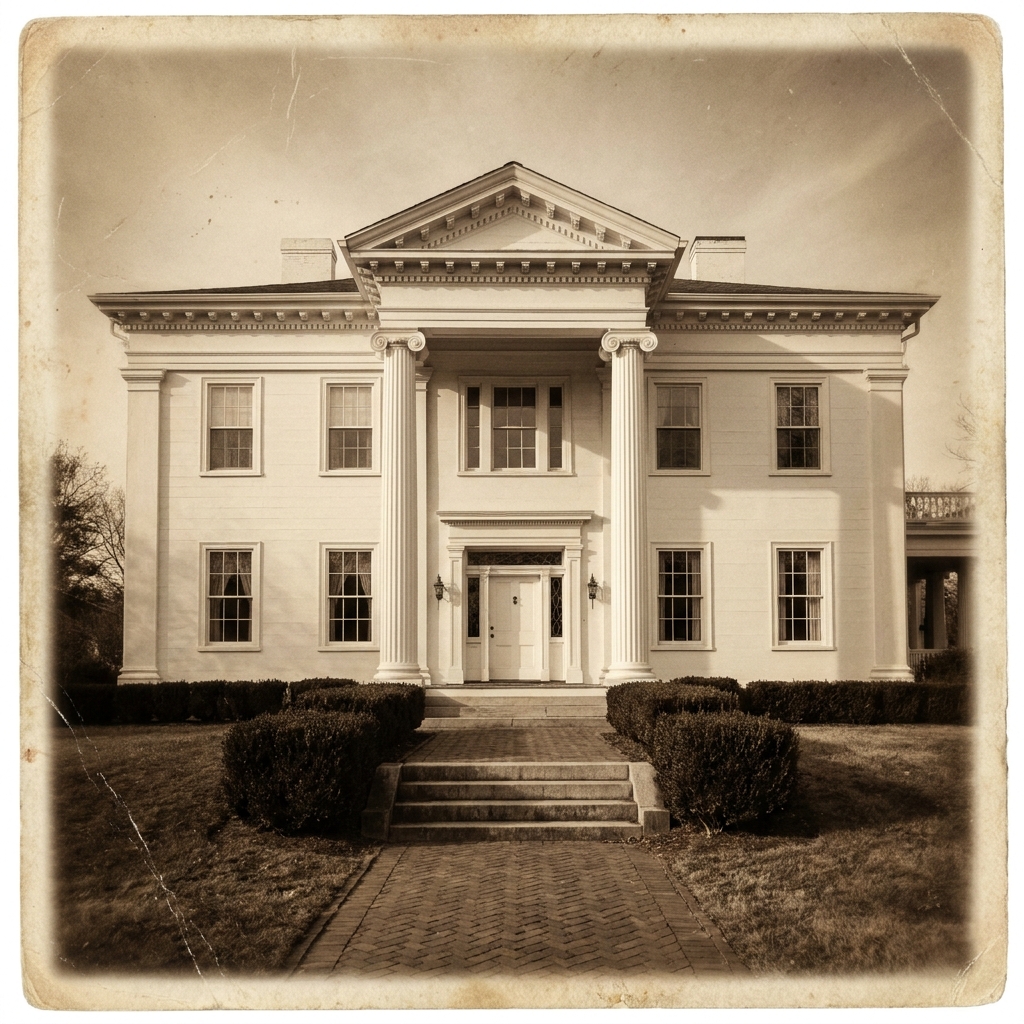
This is the “White House” look.
A Portico is a small, formal porch protecting the front entrance, supported by classical columns (Ionic, Doric, or Corinthian).
It is not meant for sitting. It is meant to impress.
It signals that the owner is educated, wealthy, and serious.
The pediment (triangle roof) above the door required intricate molding and copper flashing to keep it watertight.
10. The Greek Revival Colonnade
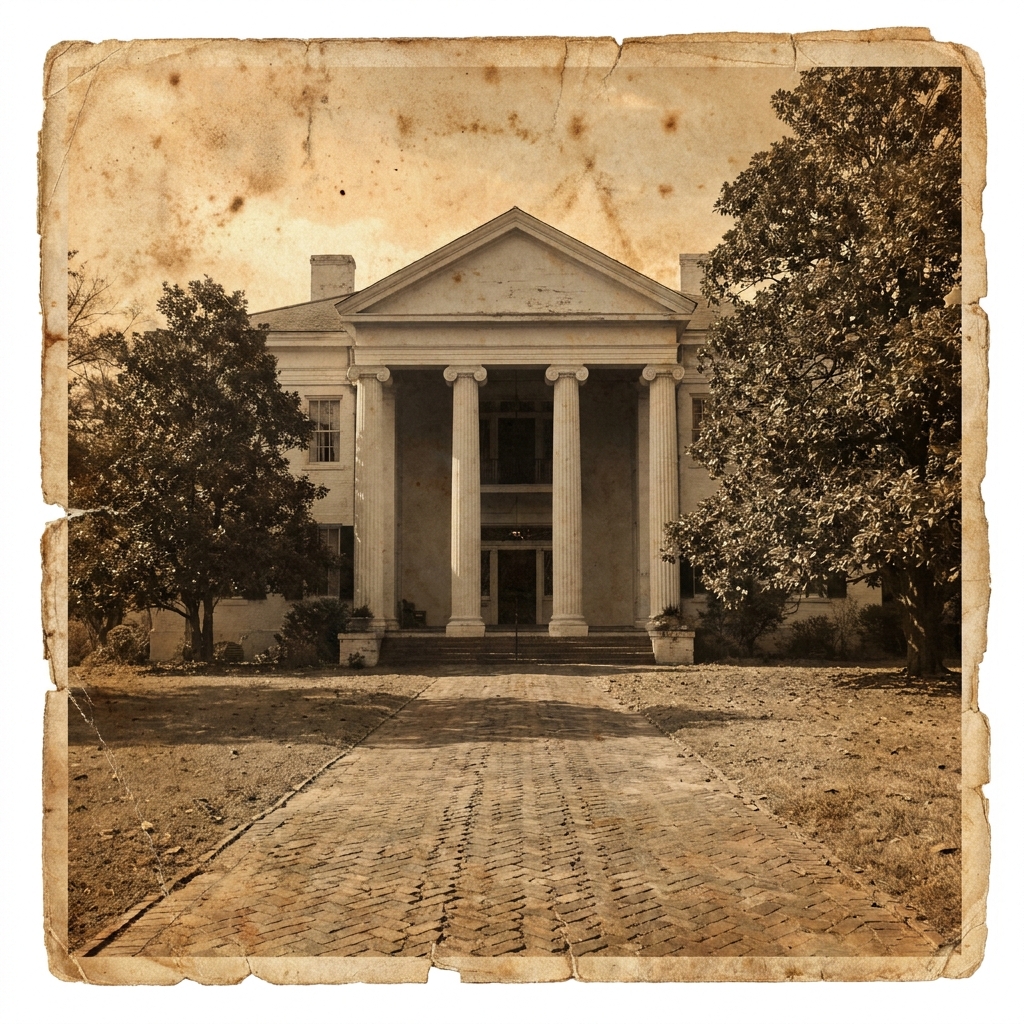
If the Portico was a polite nod, this was a shout.
The Greek Revival Colonnade features a row of full-height columns running the entire front of the house — sometimes wrapping all four sides.
You see it on antebellum plantation homes across the Deep South. Think Tara from Gone With the Wind.
The columns were often hand-turned from solid heart pine, then plastered to look like marble.
It was American architecture’s loudest statement: this house is a temple.
11. The Screened-In Porch
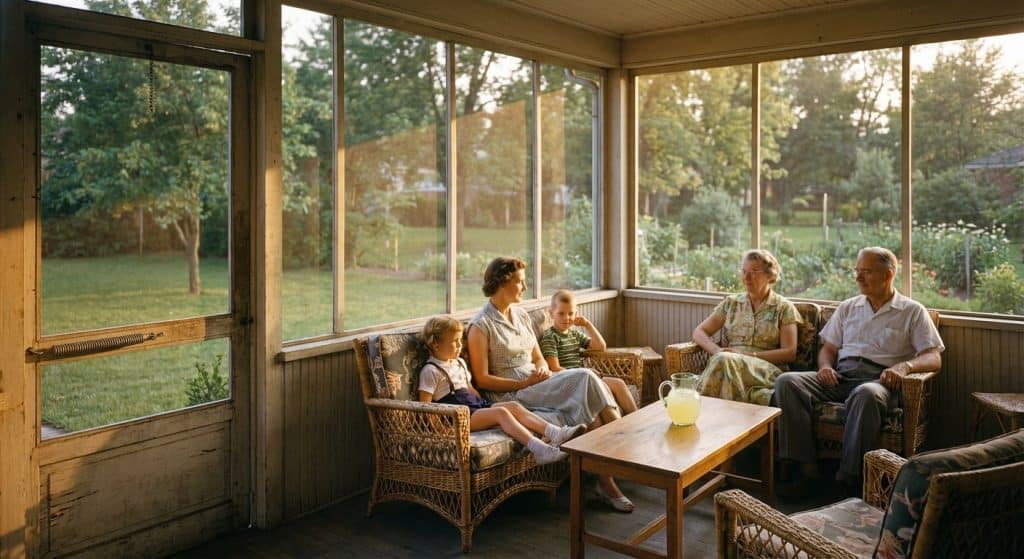
The American South has a state bird: the mosquito.
The Screened-In porch was the fortress against nature.
The defining sound of an American summer is the thwack-squeak of a wooden screen door slamming shut.
Building these required a delicate touch — the wooden frames had to be thin enough to see through, but strong enough to hold tension on the wire mesh.
12. The Farmhouse Porch
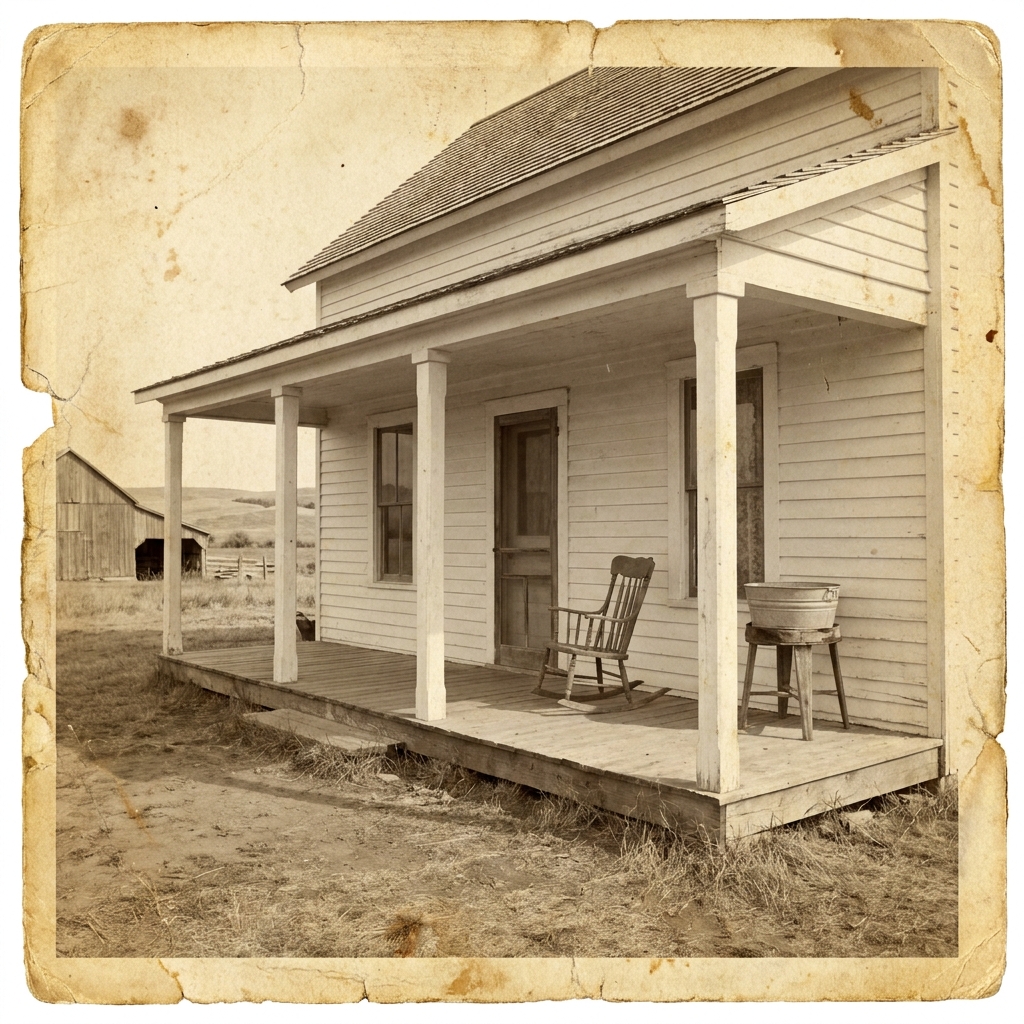
This is the working man’s porch.
It runs the full width of the front of the house, but it is shallow and simple.
The columns are usually simple square 4×4 or 6×6 posts. The floor is simple tongue-and-groove pine.
It was not for showing off. It was a mudroom, a workspace for shelling peas, and a place to wash up before dinner.
13. The Eastlake Spindle Porch
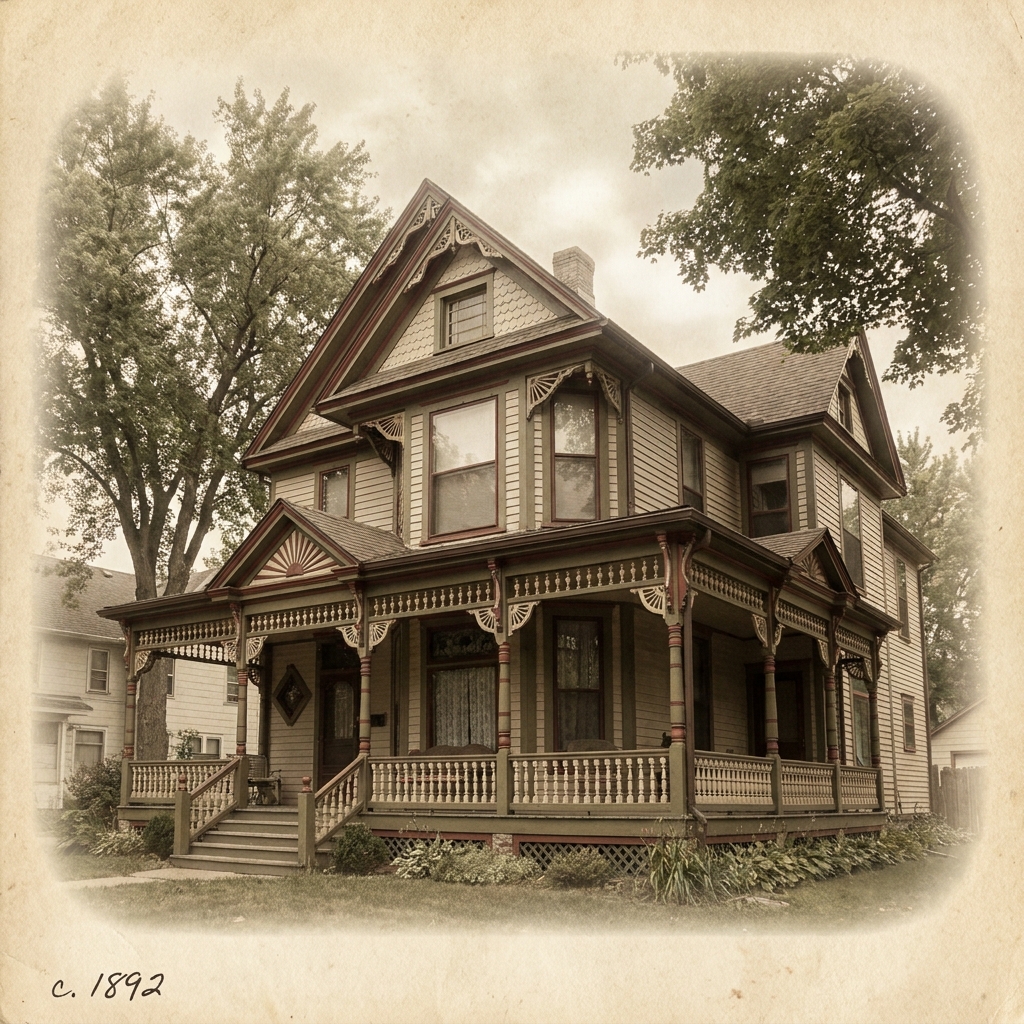
The Industrial Revolution gave Victorian carpenters a new toy: the steam-powered lathe.
They went a little crazy with it.
The Eastlake porch is a riot of turned spindles, beadwork, and lathe-cut decoration in the railings, frieze, and brackets.
This is the style most people picture when they hear the word “gingerbread.”
It was a status symbol. If your house had Eastlake trim, you could afford the latest factory-made millwork.
14. The Italianate Bracketed Porch
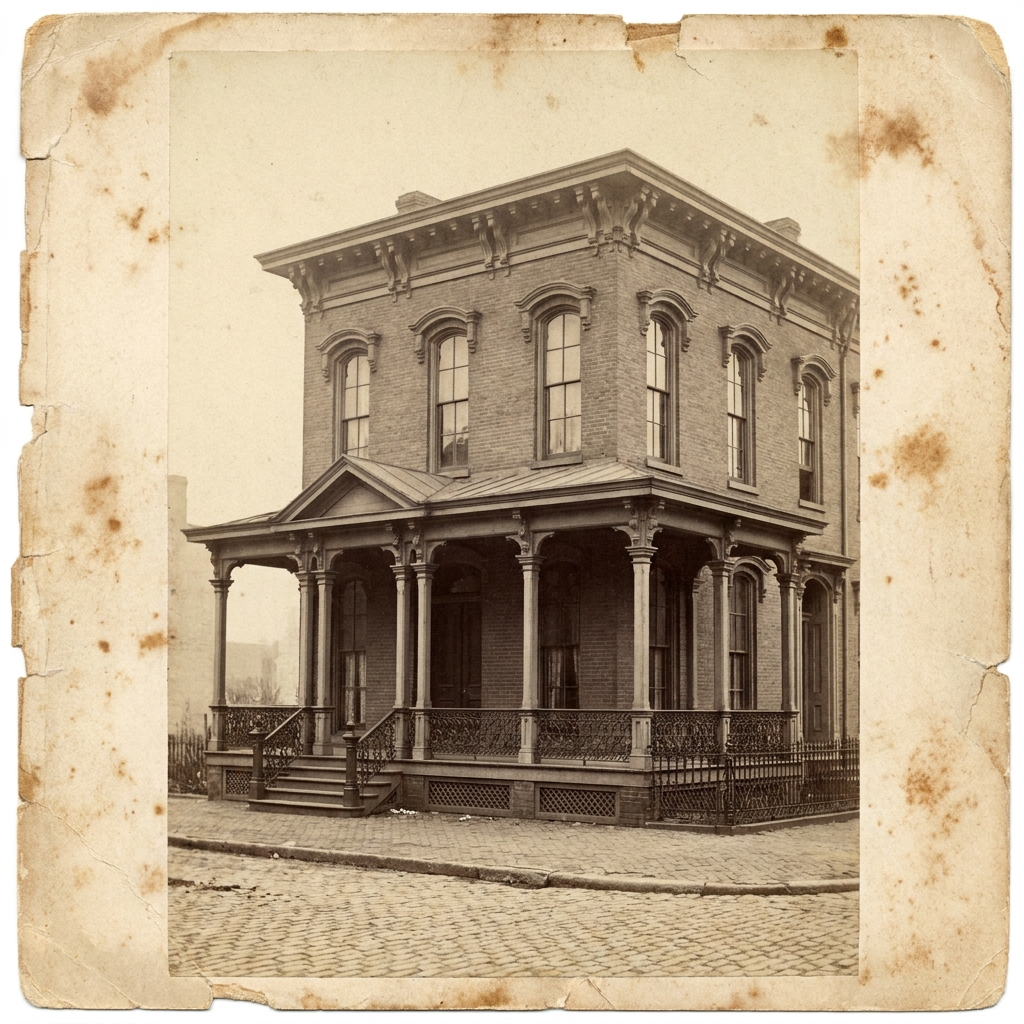
Walk through old neighborhoods in Cincinnati, Brooklyn, or Galveston, and you will see them.
Italianate porches are defined by thin, paired columns supporting a low-pitched roof.
The signature detail is the row of ornate sawn-wood brackets running along the underside of the eaves.
The railings were often cast iron, painted black to look like wrought iron from a distance.
It was the favorite style of merchants and bankers in the 1860s — a little flashy, a little formal.
15. The Gazebo Porch
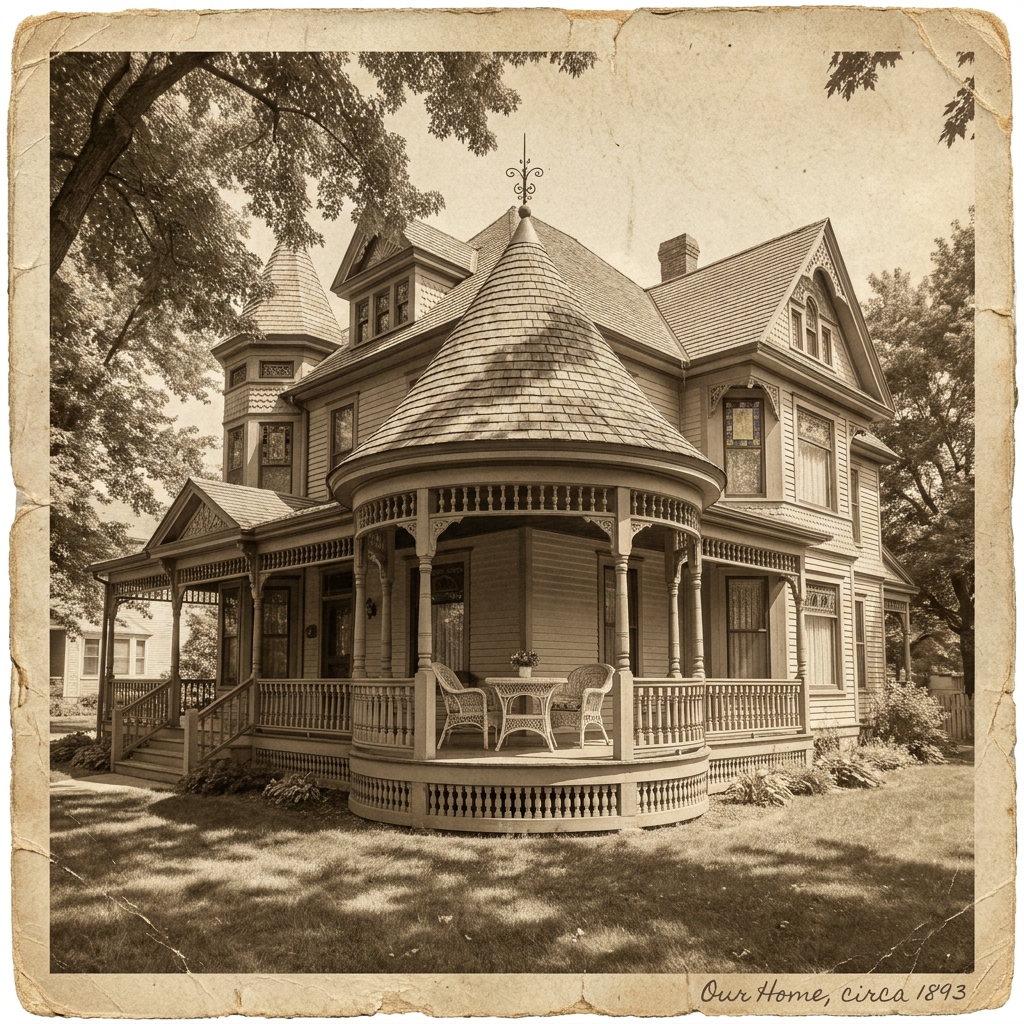
On high-end Victorians, builders loved to show off.
The Gazebo Porch is a round or octagonal pavilion built into the corner of a wrap-around porch.
It usually has its own steep, conical roof.
Framing a round floor into a square house frame is a nightmare for a novice carpenter. It required advanced joinery skills.
It was the perfect spot for a small table and tea service.
16. The Adobe Portal
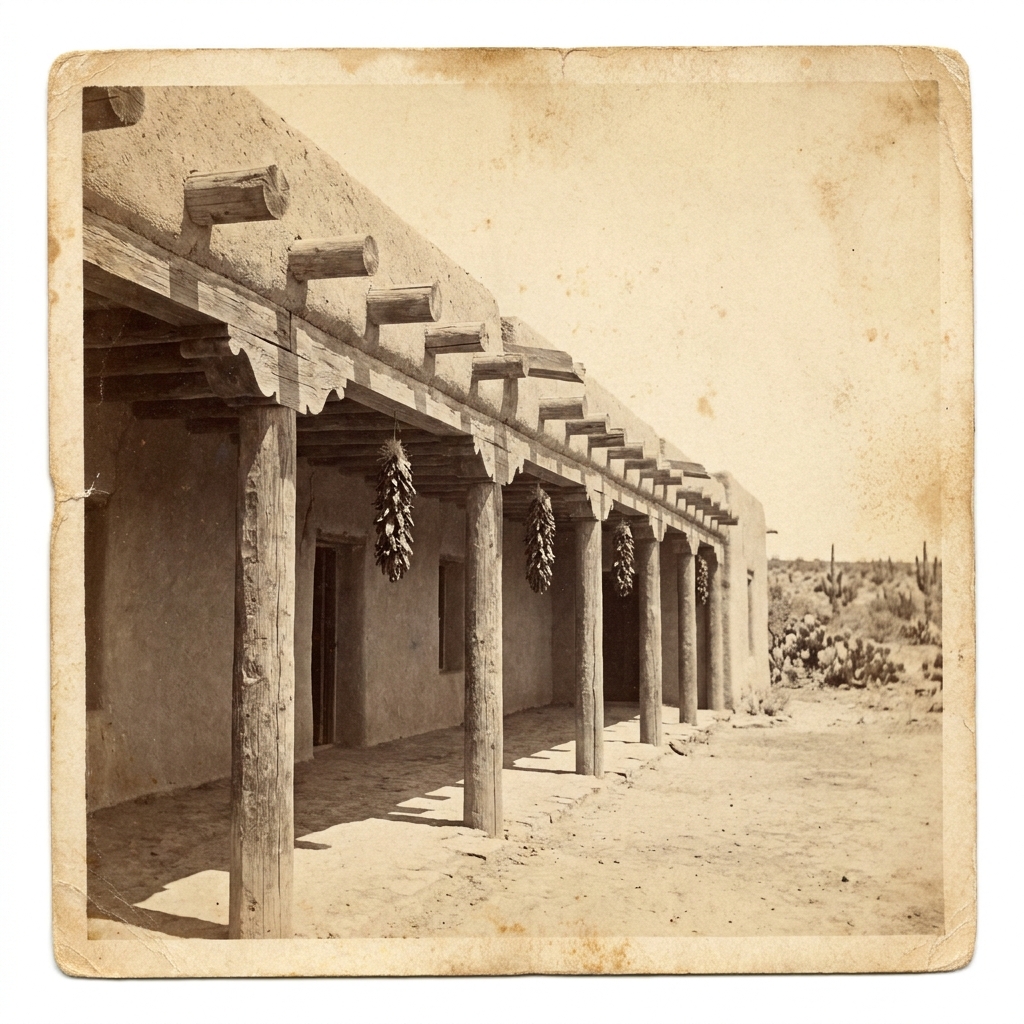
In New Mexico and Arizona, the porch is called a portal.
It runs along the front of an adobe or pueblo-revival home, supported by rough-hewn wooden posts and topped with exposed vigas — round log beams that extend past the wall.
The sometimes-carved corbels at the top of each post catch the eye.
In a climate where the summer sun could cook you, the portal was not optional. It was an outdoor hallway connecting the rooms of the house and a shaded place to escape the heat.
17. The Sun Porch (Florida Room)
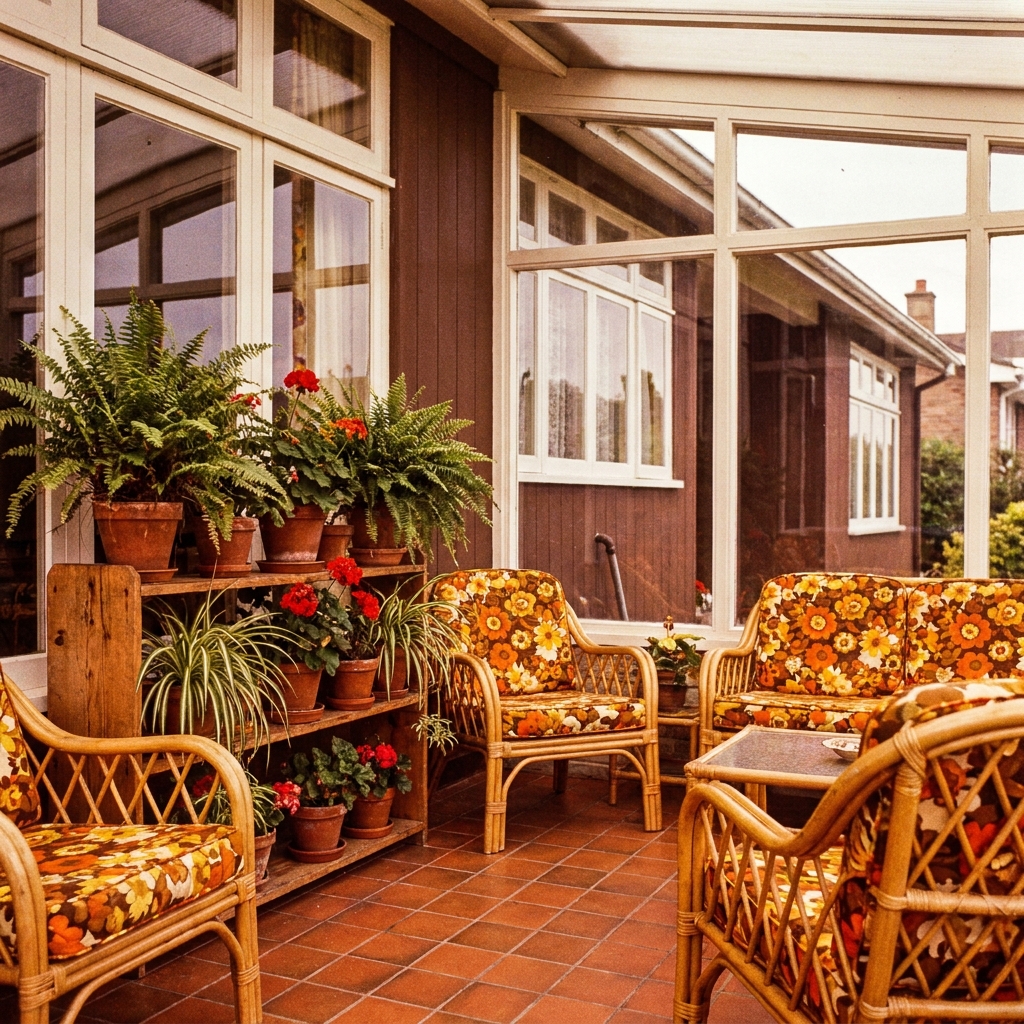
As glass manufacturing got cheaper, we started enclosing our porches.
The Sun Porch features walls made almost entirely of windows.
In northern climates, it acted as a thermal buffer. The sun heated the room, and that warm air insulated the rest of the house.
It allowed you to feel like you were outside in February without freezing to death.
18. The Stoop
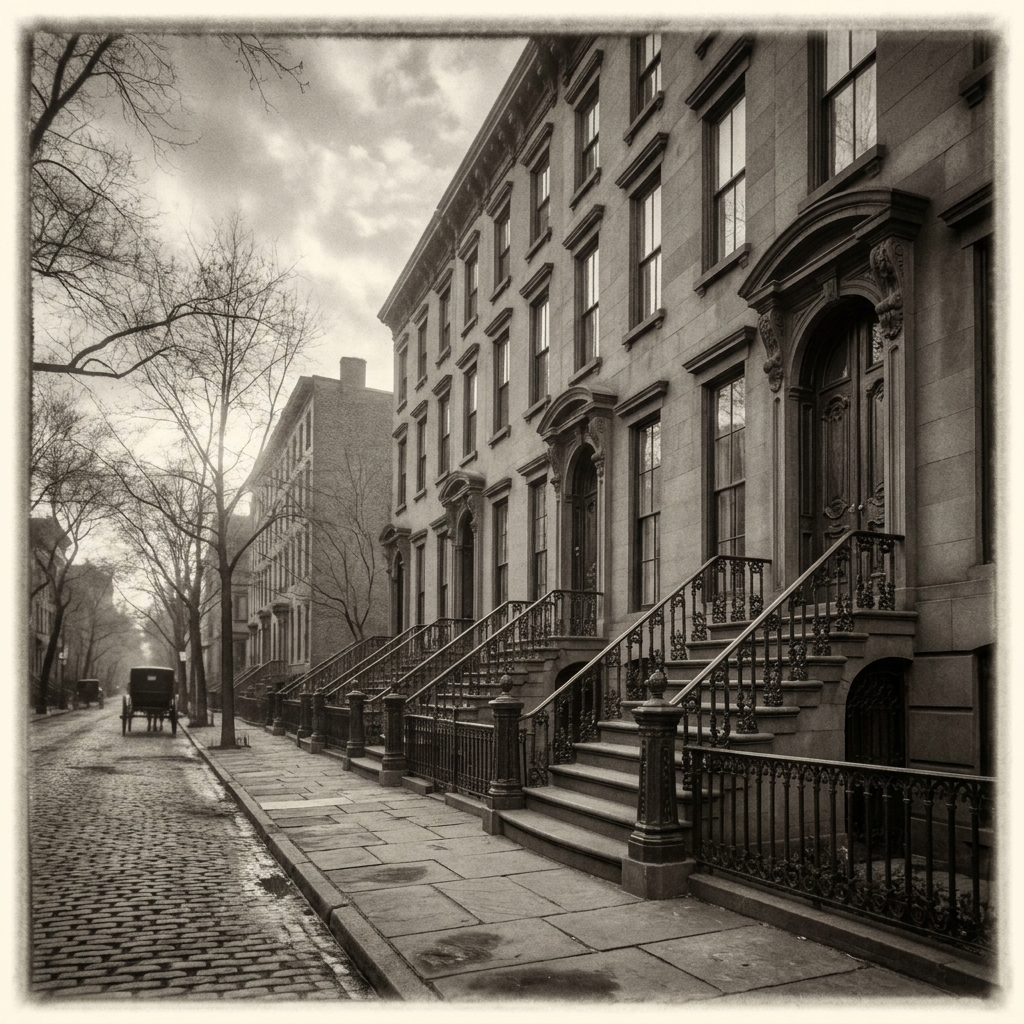
In cities like New York and Philadelphia, there was no room for a yard.
The “porch” became the Stoop.
It is a set of high stone or concrete steps leading to a raised parlor floor.
While the steps were stone, the railings and entry doors were often elaborate masterpieces of carved wood or wrought iron.
It was the vertical version of a front porch — the place where the whole block gathered to talk.
19. The Recessed Porch (Loggia)
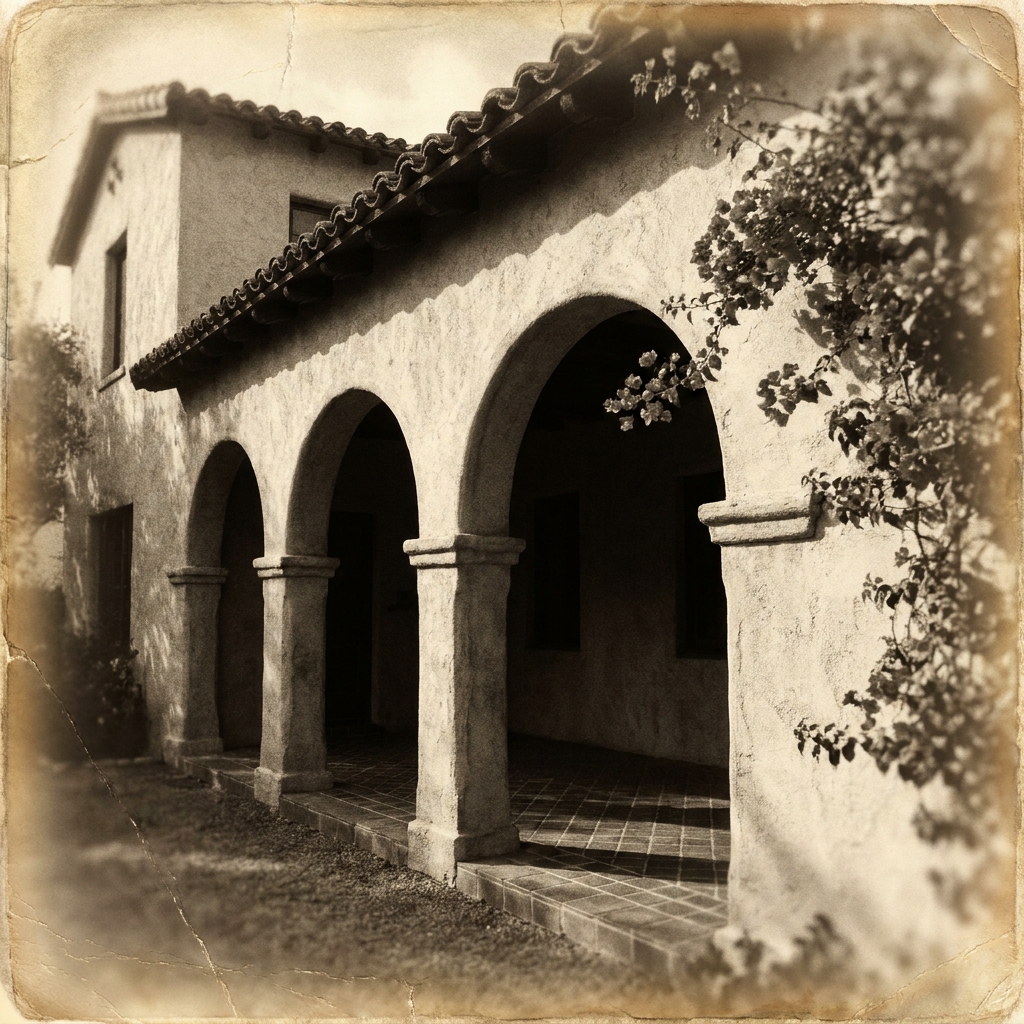
Most porches stick out from the house. This one is carved into it.
The Recessed Porch is set back inside the main roofline of the house.
It feels more like an outdoor room than an attachment.
Because it is protected on three sides by the house itself, it stays warmer in the fall and cooler in the summer.
It is an expensive way to build, as you sacrifice interior square footage for outdoor space.
20. The Pergola Porch
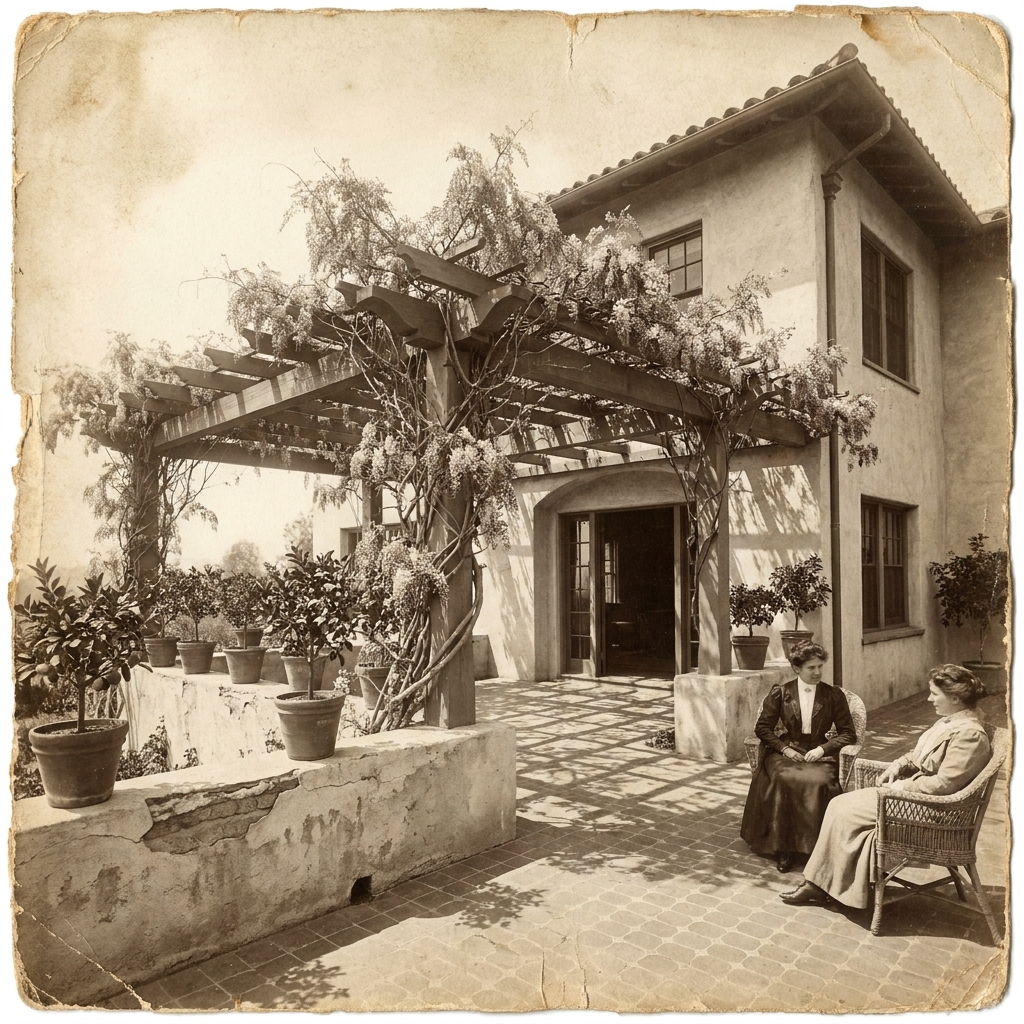
A roof, but not really.
The Pergola Porch features a grid of cross-beams and rafters with no solid covering above.
You see them on Mediterranean Revival homes in California and Spanish Colonial homes in Florida.
The point was filtered light — wisteria, grapevines, or climbing roses would weave through the beams to create a living roof.
In heavy rain, you got wet. In summer, you got the most beautiful dappled shade in American architecture.
21. The Cantilevered Porch
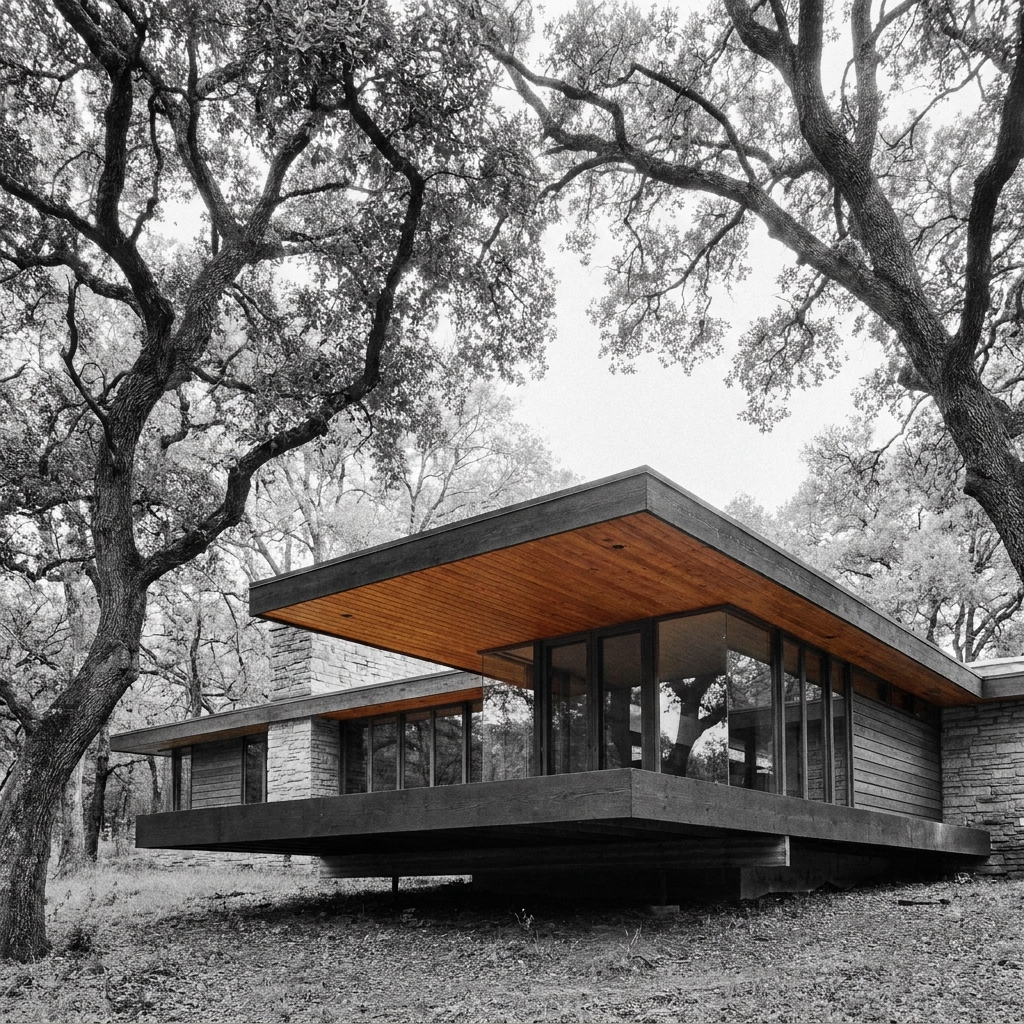
This one breaks the rules.
A Cantilevered Porch extends out from the house with no visible support columns at all. It just floats.
The structural magic happens inside the house, where steel beams or heavily reinforced joists carry the load back to the main wall.
Frank Lloyd Wright loved this style. So did the mid-century modernists who came after him.
It looks impossible. That is the whole point.
22. The Adirondack Camp Porch
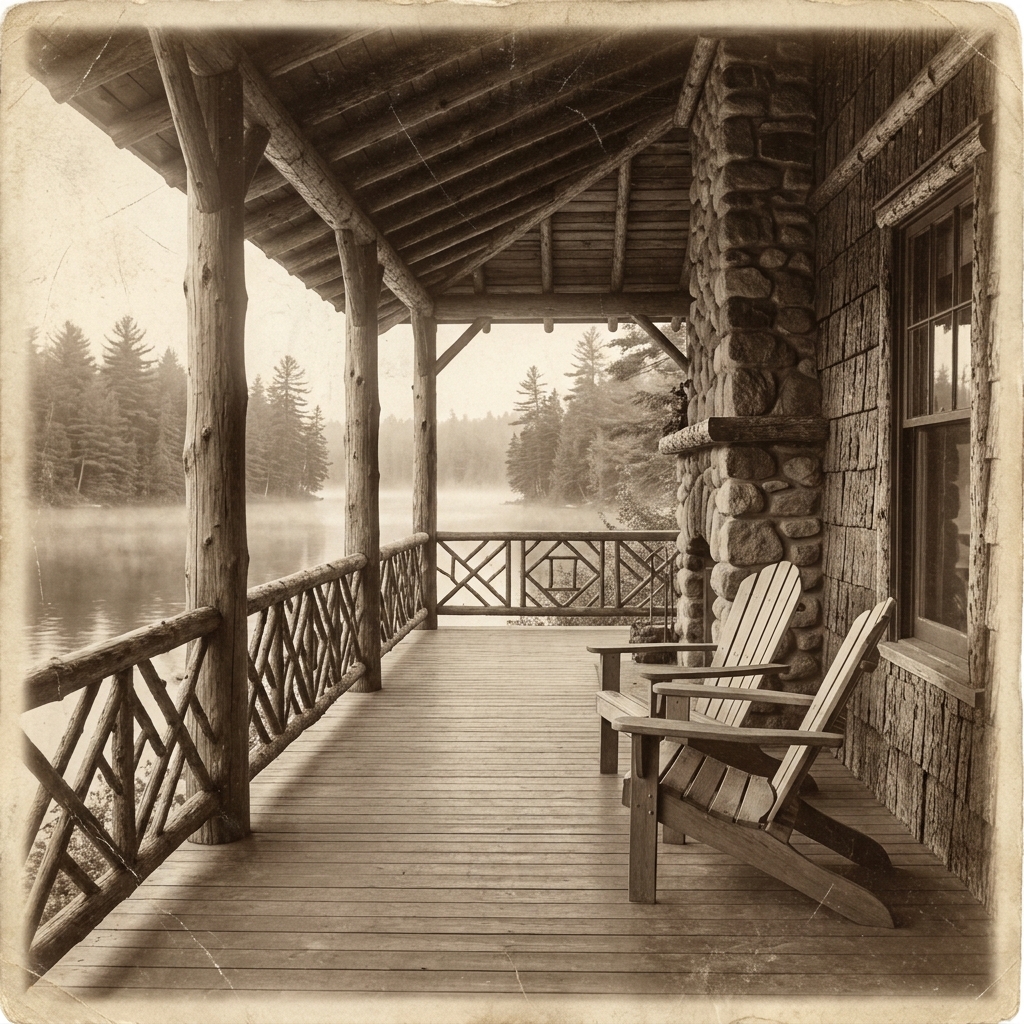
Up in the Great Camps of the Adirondacks, rich New Yorkers wanted to play frontier.
The Camp Porch is built from peeled logs, twig railings, and bark-on cedar trim.
It usually wraps around the lake-facing side of the home, oriented for the view rather than the road.
The columns are often whole tree trunks with the branches trimmed off.
It was the original “outdoor living” aesthetic — a hundred years before HGTV invented the term.
23. The Breezeway
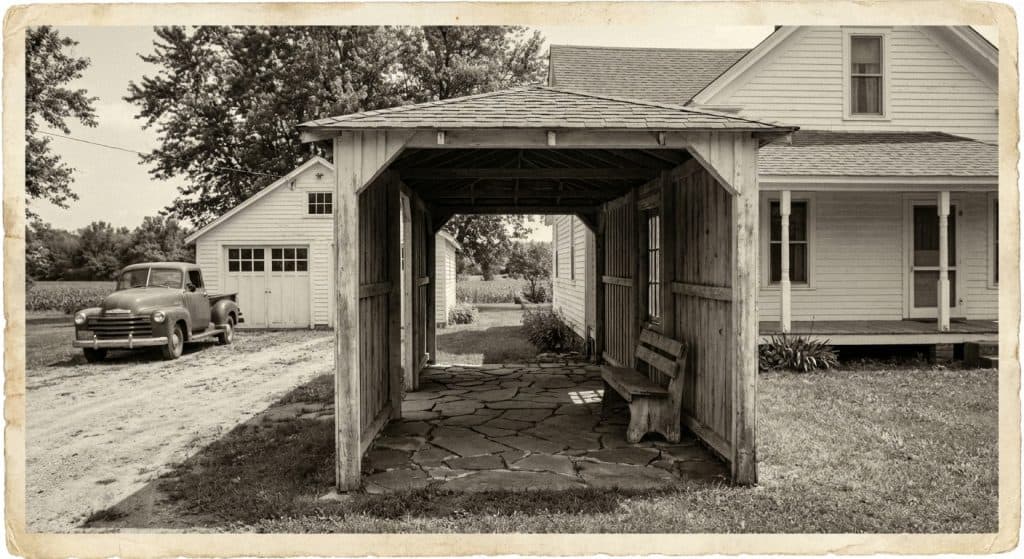
The Breezeway is the connecting tissue of country architecture.
It is a roofed, open-sided porch that connects the main house to a garage, barn, or summer kitchen.
It gave you a dry path to do your chores in the rain.
But it also became a wind tunnel — a perfect shady spot to set up a rocking chair and catch the draft between the two buildings.
24. The Haint Blue Porch
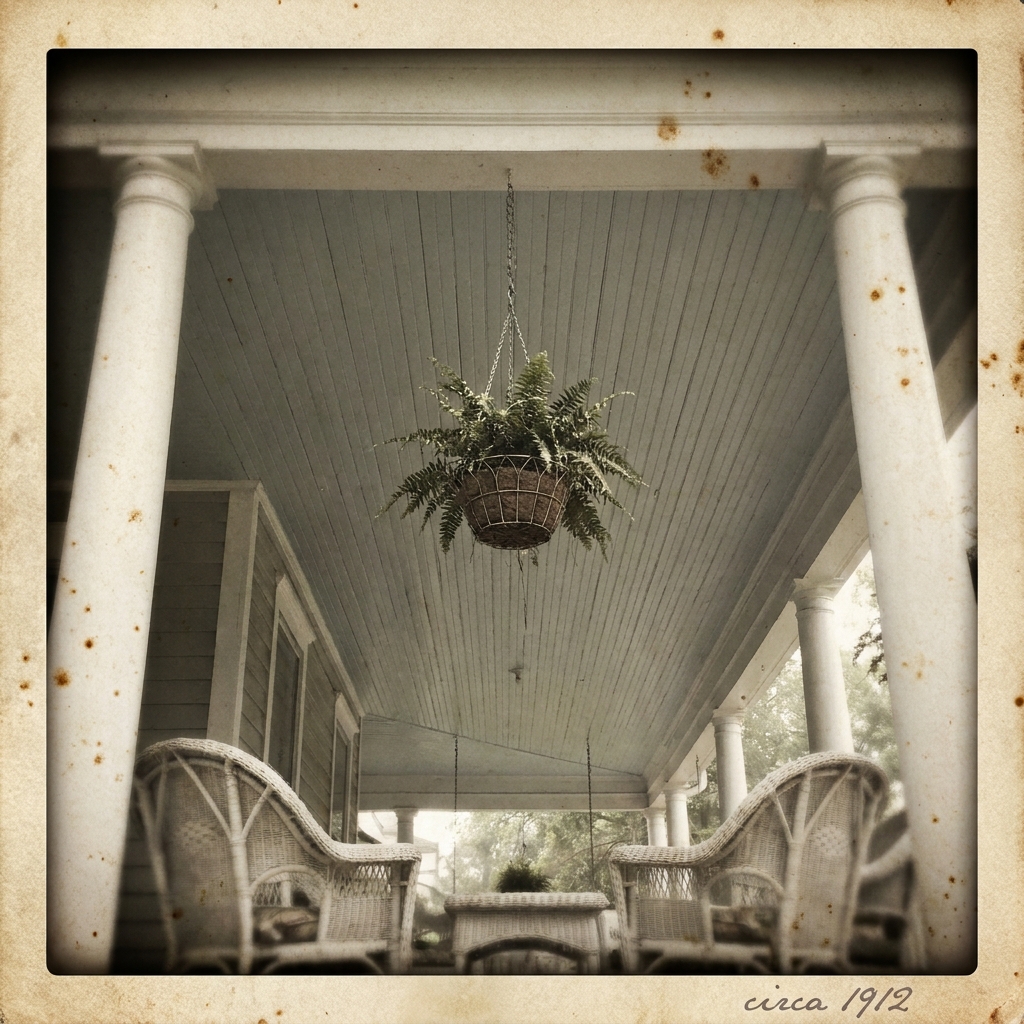
Walk through Charleston or Savannah and look up.
The ceiling of nearly every old porch is painted the same pale, watery blue. It is called Haint Blue.
The tradition came from the Gullah communities of the Carolina and Georgia coast. The blue was believed to ward off restless spirits — “haints” — who could not cross water.
The practical version of the story is that the color also seemed to confuse wasps and mud daubers, who would not build nests on something that looked like sky.
Spirits or insects, the tradition stuck. A porch ceiling that was not Haint Blue felt incomplete.
25. The Shotgun Porch
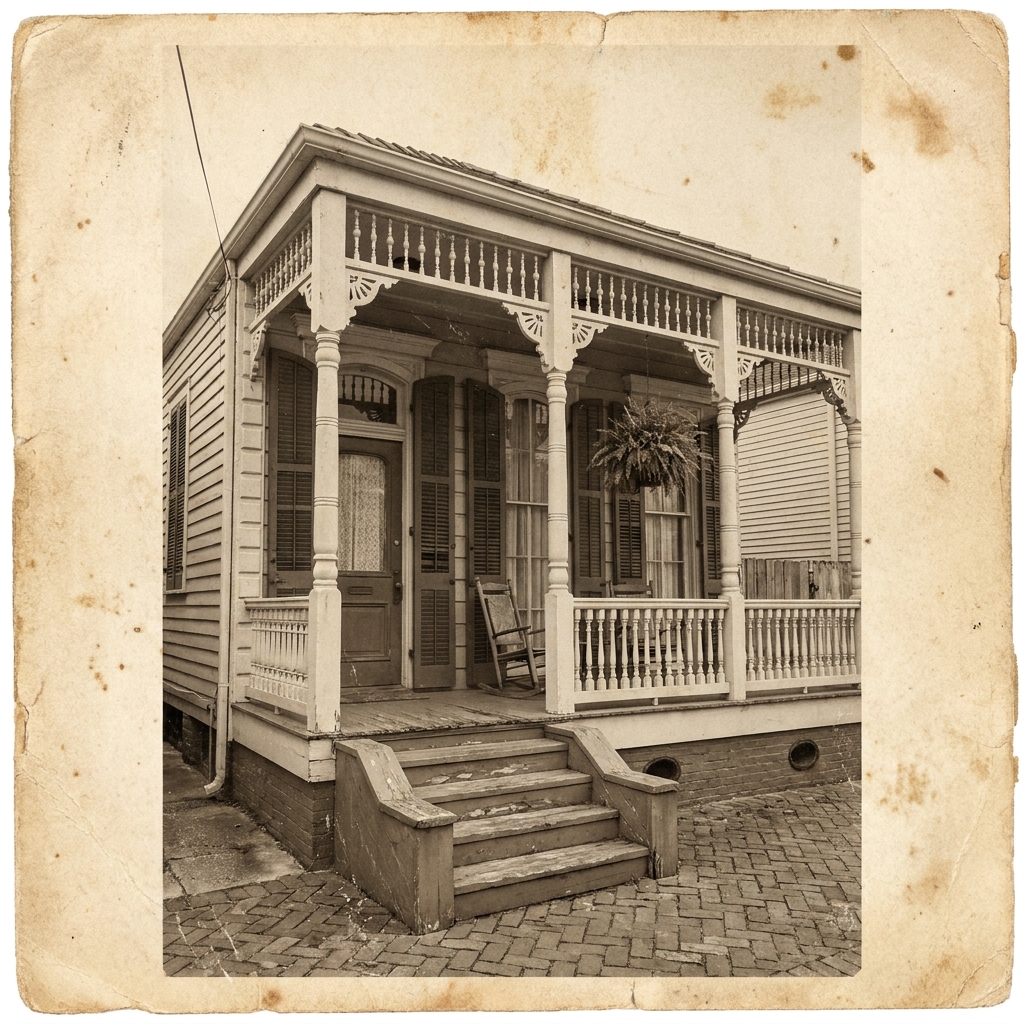
In New Orleans and the cotton towns of the Mississippi Delta, the shotgun house was king.
These were narrow homes one room wide, with rooms lined up front to back.
The Shotgun Porch is just a few feet deep — barely enough for two chairs and a small table — but it is the social heart of the home.
Some of the fanciest examples had elaborate scrollwork brackets, turned spindles, and brightly painted trim — Eastlake details squeezed onto a 12-foot facade.
You did not lounge on a Shotgun Porch. You sat upright, feet on the steps, and you watched the street.
Conclusion
The front porch did not die because we ran out of wood.
It died because we got busy.
We traded the rocking chair for the recliner. We traded the neighborhood wave for the privacy fence.
But if you have an old house with a rotting porch floor, do not tear it down.
Fix the rot. Paint the columns. Buy a rocking chair.
Sit down and watch the world go by. It is good for the soul.