

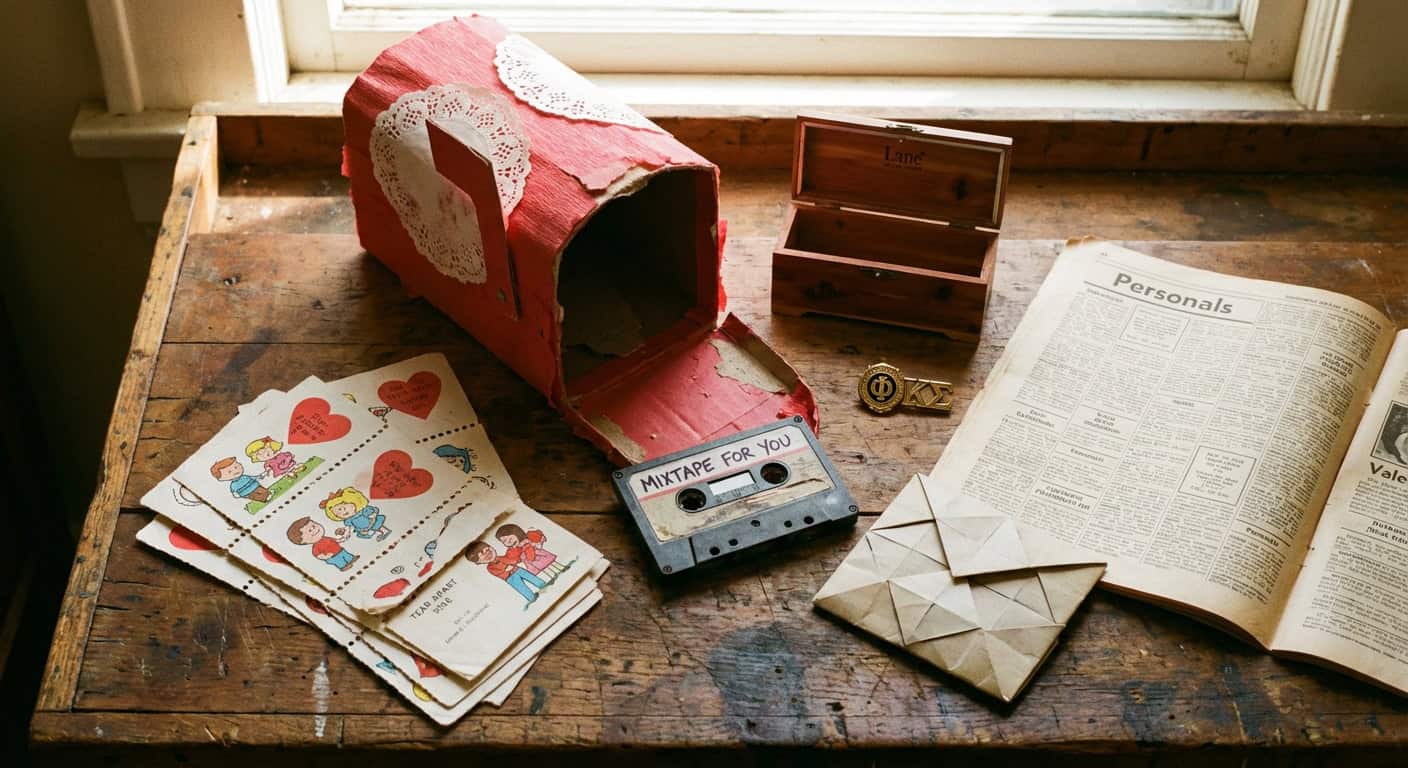
You might be wondering what a list of old love letters is doing on a woodworking blog.
I get it. Usually, I’m talking about joinery, grain direction, or the best finish for walnut.
But before I’m a woodworker, I’m a husband. And I’m a dad to girls.
Last week, I was standing in the shop, staring at a pile of offcuts, trying to figure out what to make them for Valentine’s Day.
I didn’t want to buy another stuffed animal. I didn’t want to order flowers from an app.
I wanted to build something.
So I started doing some research. I was looking for inspiration—old traditions, forgotten gifts, things that required actual effort.
I went down a rabbit hole of history. I found rituals that were messy, complicated, and beautiful.
It made me realize that we used to build our relationships the same way we build furniture: with patience, with our hands, and with the intention that it would last forever.
Here are 23 icons of the Valentine’s Day past that prove our grandparents put more work into romance than we do.
1. The Shoebox “Valentine Box”
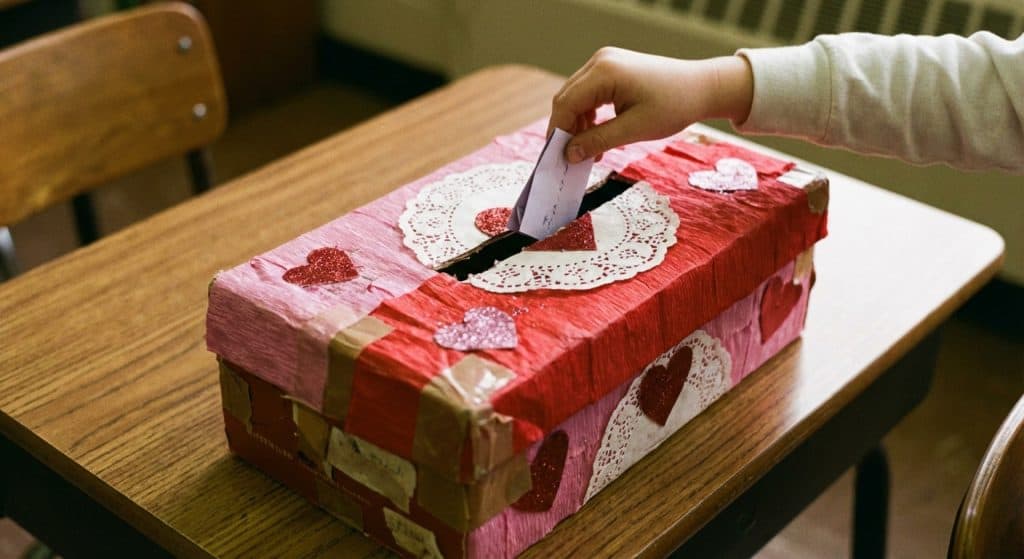
In the 80s, a mailbox wasn’t something you bought. It was something you engineered.
You took an old shoebox and wrapped it in crepe paper until it looked like a float in a parade.
It wasn’t just a box; it was a bank vault for your social status.
It was sticky. It was covered in doilies. It took three hours to make.
We stopped because parents got tired of the mess, but we lost the pride of building a home for our own mail.
2. The “Tear-Apart” Valentine Booklet
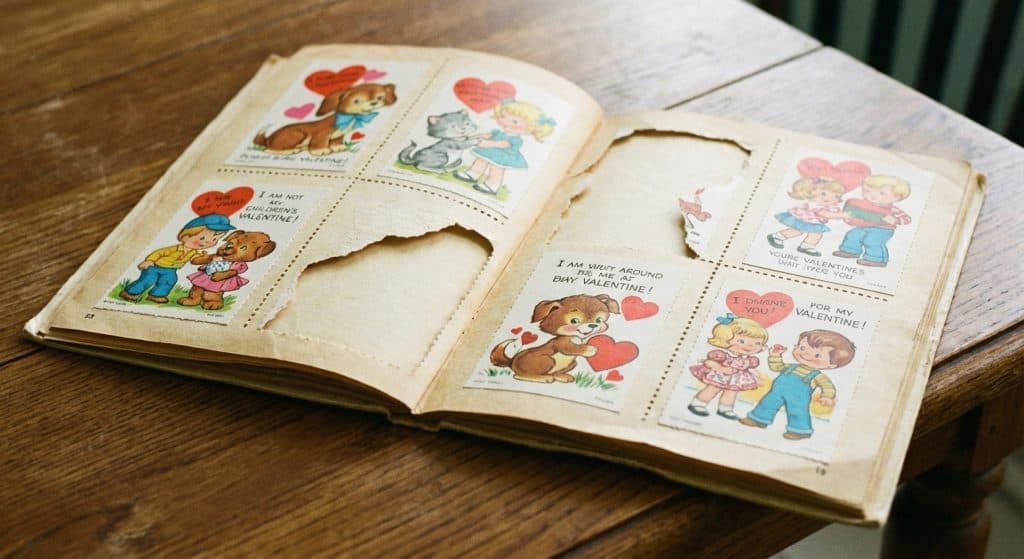
Before we had high-gloss cards, we had “mechanical books” of cheap paper.
You had to manually tear them along the perforated lines. The edges were always jagged.
It was a hierarchy. You had one “Big” card for the teacher, and twenty “Small” ones for the kids who ate paste.
You didn’t just sign your name; you had to make a political calculation about who deserved the superhero card.
We traded it for uniform boxes of identical cards, losing the brutal honesty of the playground social ladder.
3. The Mixtape
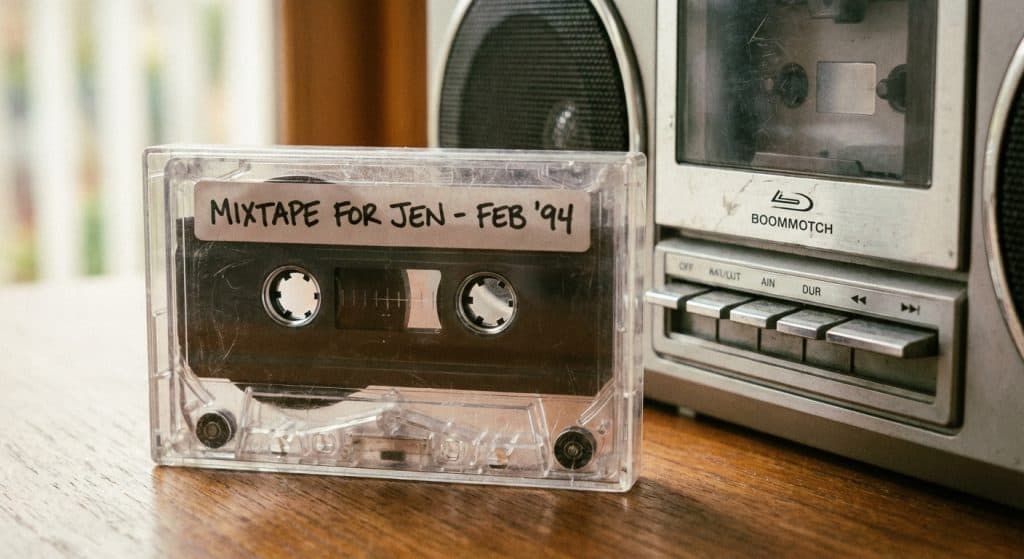
In the 90s, a playlist wasn’t a click. It was a project.
A mixtape was a physical artifact. You had to sit by the radio and hit “record” at the exact second the DJ stopped talking.
You had to do math. You had to fit your feelings onto a 45-minute side without cutting off the last song.
It was labor. It was frustration. It was love.
We have Spotify now, but you can’t hold a stream in your hand and wonder if they’ll understand why you picked track three.
4. Newspaper “Personal” Ads
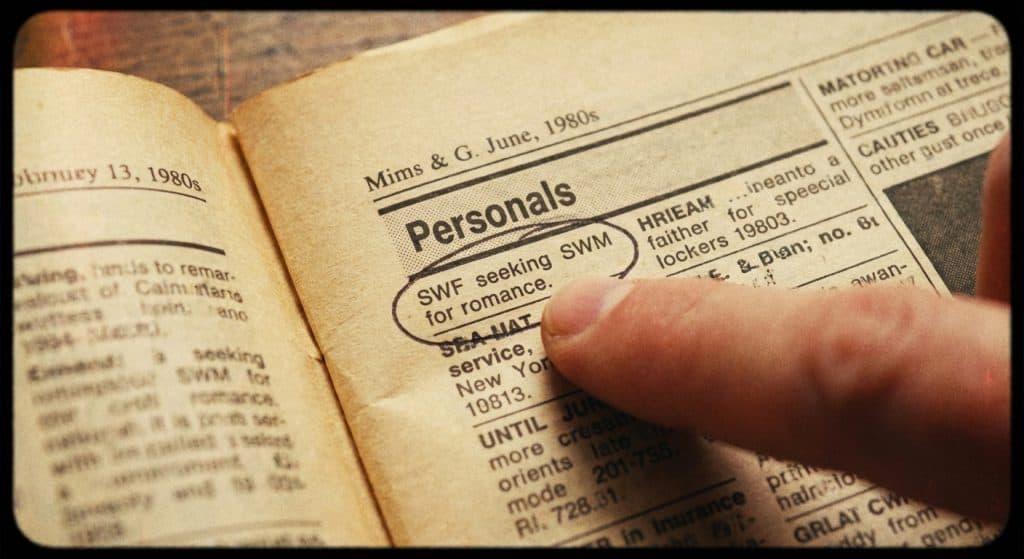
Before Tinder, there was the Classified section.
On Valentine’s Day, the paper was thick with cryptic messages. “SWF seeking SWM.” “To my Bear, from your Bunny.”
You had to wake up early. You had to buy the physical paper. You had to scan the ink for your name.
It was a tactile ritual. It was public.
We replaced it with private DMs, losing the thrill of shouting our love to the entire city in 10-point font.
5. Singing Telegrams
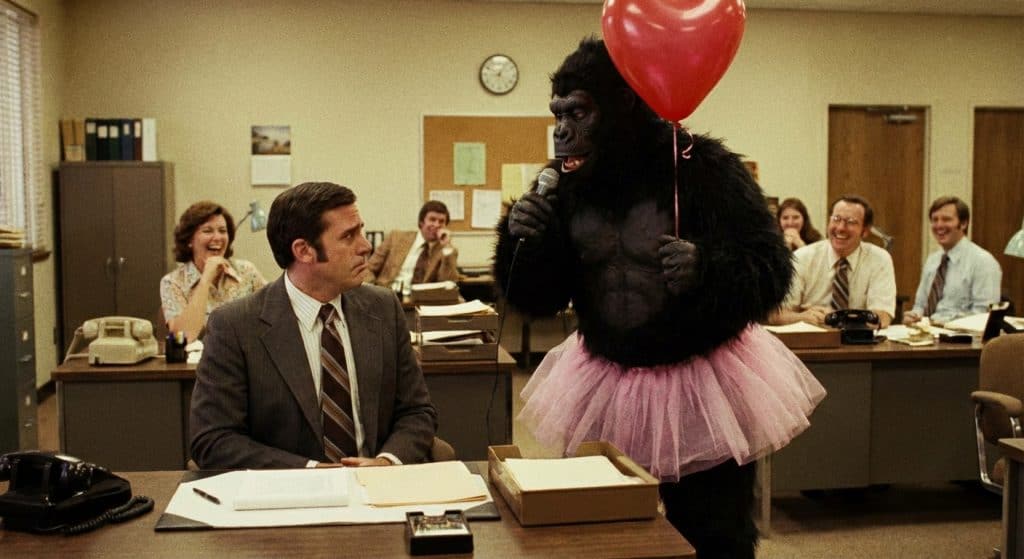
The 70s were the golden age of “embarrassment as affection”.
You didn’t just send flowers. You hired a stranger dressed as a gorilla or a Cupid to burst into an office building.
They screamed a song. Everyone stared. The recipient turned bright red.
It was loud. It was disruptive. It was unforgettable.
We stopped because it was “unprofessional,” but we traded a moment of pure, chaotic joy for a quiet email.
6. Sadie Hawkins Dances
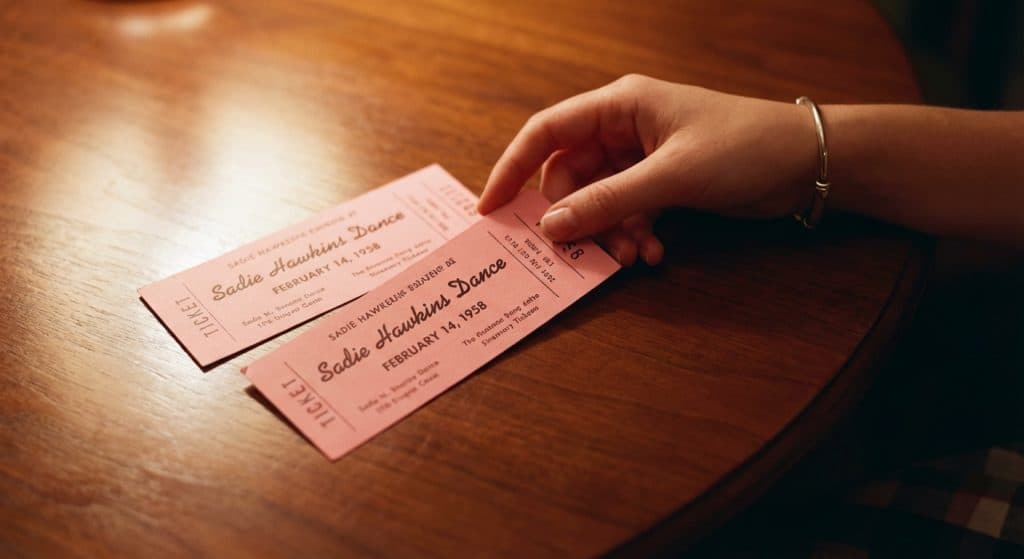
In the mid-century, gender rules were strict. But for one night, they flipped.
The girl had to ask the guy. The girl had to buy the ticket.
It was a “reversal” dance. It was a safety valve for a generation that rarely let women make the first move.
It gave us a structured way to break the rules.
We don’t do them anymore because we don’t need “permission,” but we lost the fun of a designated day to be bold.
7. The “Lane” Cedar Chest Miniature
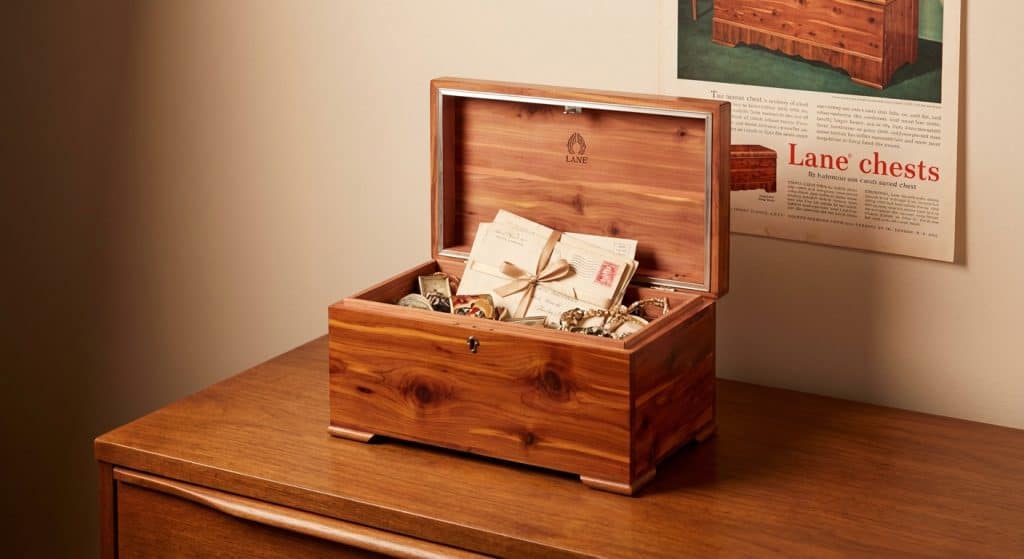
If you graduated high school in the 50s, you got a coupon for a free wooden box.
It was a miniature version of a “Hope Chest.” It was a promise that one day, you’d have a home to fill.
Millions of girls kept their trinkets in them. They were sturdy. They smelled like cedar.
It was a marketing gimmick, sure. But it was also a symbol that the future was something you prepared for.
We stopped because “trousseaus” are archaic, but we lost the romance of building a life before it even started.
8. Fraternity “Pinning”
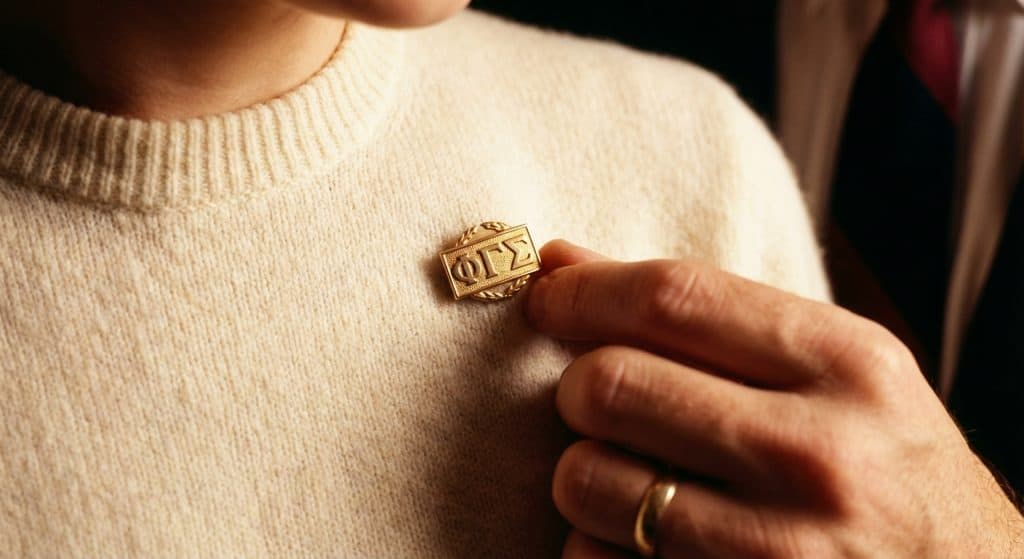
In the 50s, you didn’t just “define the relationship.” You got pinned.
It was the step before the engagement ring. He gave you his badge. You wore it.
It was a contract. It was heavy with meaning.
It often involved a serenade under a window. It involved a ceremony with candles.
We replaced it with “talking stages,” losing the weight of a physical symbol that said, “I am off the market.”
9. The Teacher’s Tribute
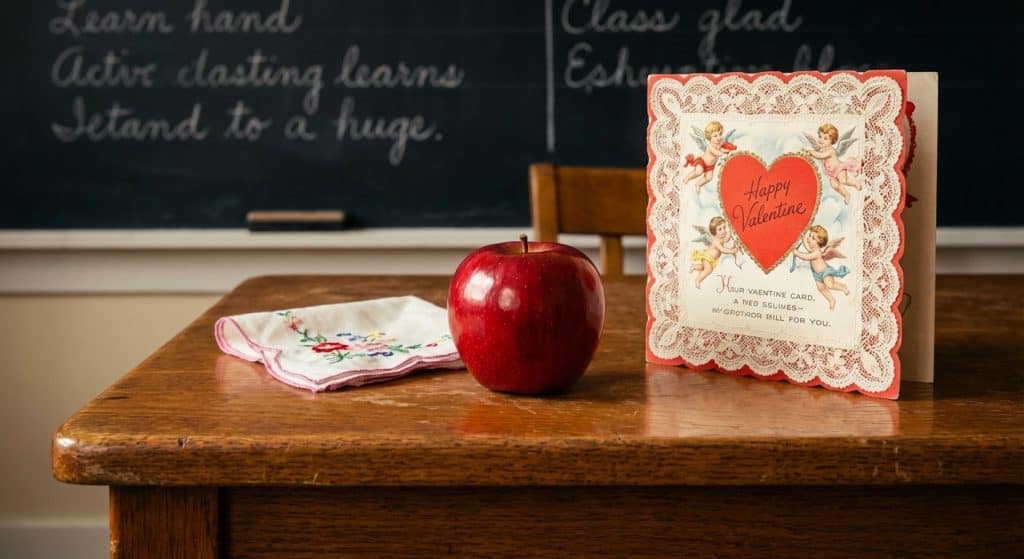
The teacher wasn’t just an employee. She was the matriarch of the room.
You didn’t give her a Scooby-Doo card. You gave her a handkerchief. You gave her a polished apple.
It was a “tribute.” It was a distinct gesture of respect.
It separated the adults from the children.
We stopped because it felt like a bribe, but we lost the ritual of honoring the person who ran the show.
10. Dance Cards
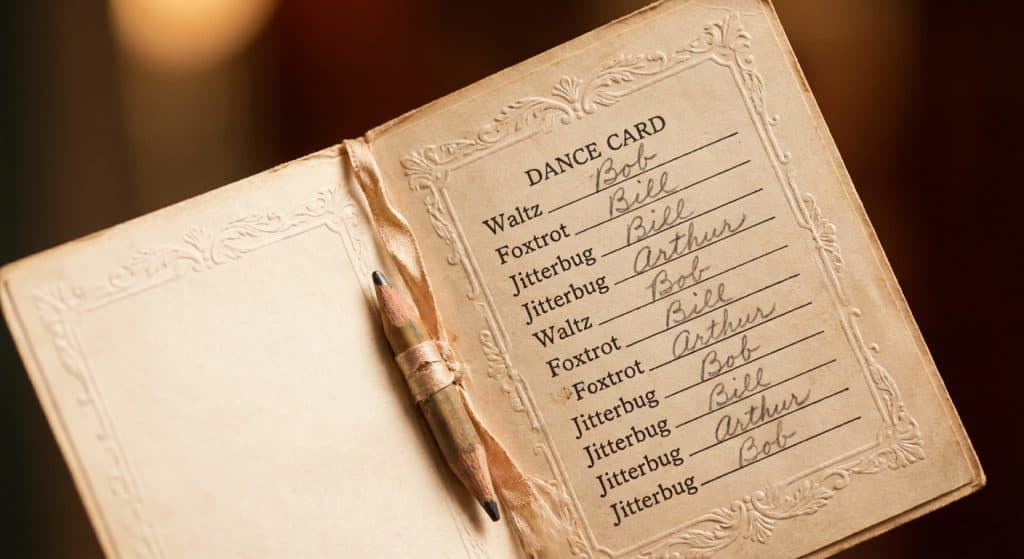
A dance wasn’t a mosh pit. It was a schedule.
You had a card on your wrist. You had a tiny pencil. You booked your partners in advance.
It was inventory management for romance.
It ensured that if you were popular, you were busy.
Rock ‘n’ Roll killed it because you can’t schedule a Twist, but we lost the anticipation of waiting for “Slot Number 4.”
11. Mechanical Valentines
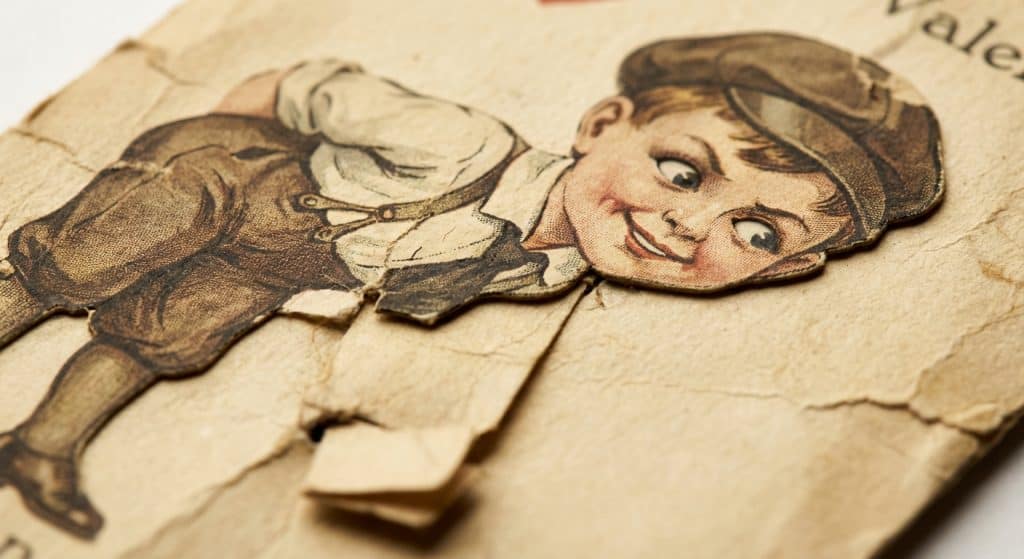
Before cards were flat pieces of cardstock, they were machines.
They had rivets. The eyes moved. The arms waved.
They had honeycomb paper that puffed out into a 3D skirt when you opened them.
They were expensive to make. They were fragile.
We traded them for cheap printing, losing the sense of wonder that came from a piece of paper that actually did something.
12. The “Post Office” Game
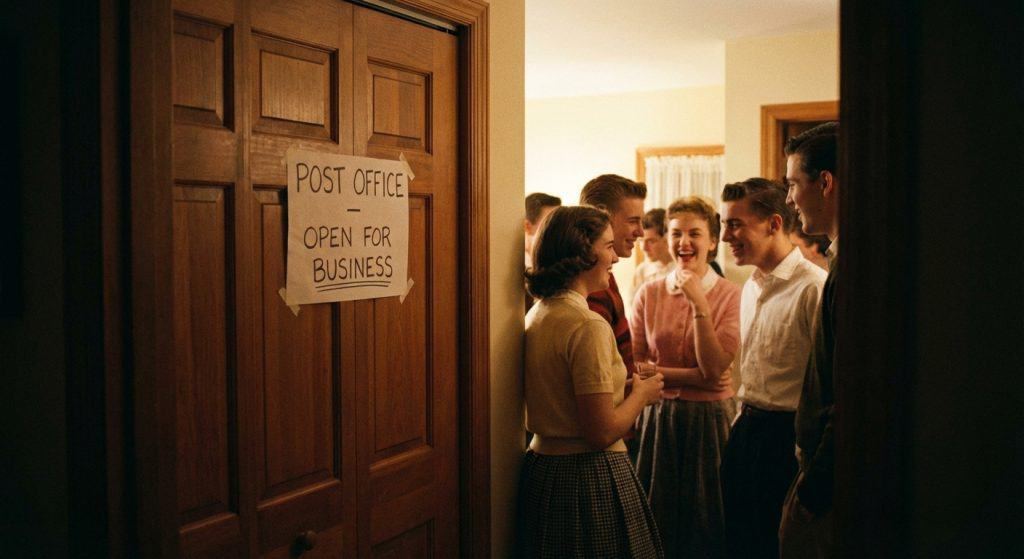
The 50s teen party had one main event.
You went into a dark room. You “called” for a letter. You got a kiss.
It was a game with rules. It was a sanctioned way to touch someone in an era that didn’t allow touching.
It was terrifying. It was electric.
We stopped because teenagers have cars now, but we lost the innocent thrill of a stolen kiss in a coat closet.
13. Valentine Coronations
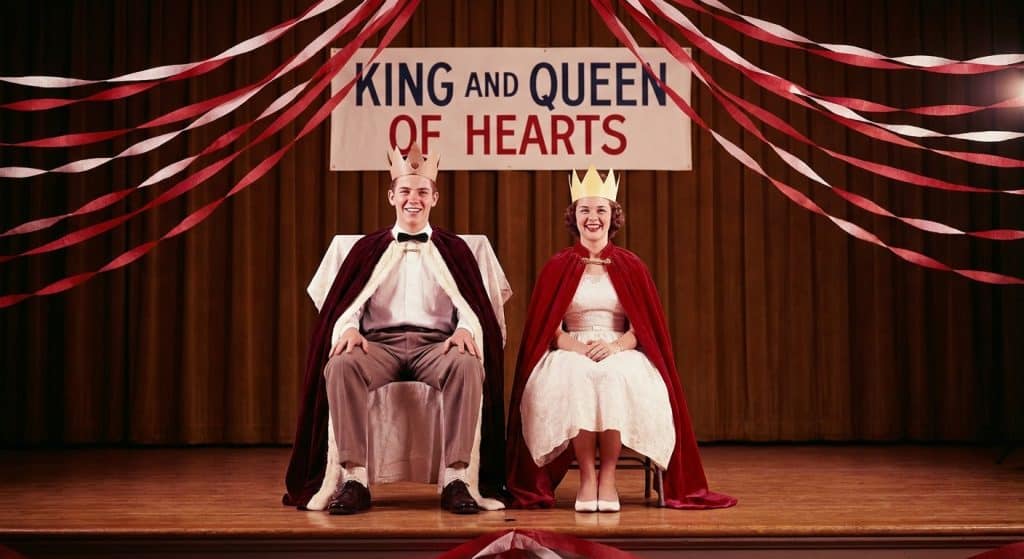
February 14th used to be as big as Homecoming.
Schools held assemblies. They voted. They crowned a “King and Queen of Hearts.”
It was pageantry. It was serious business.
It turned a Hallmark holiday into a community event.
We stopped because it was a popularity contest, but we took away the glitter and the crowns that made the day feel royal.
14. Vinegar Valentines
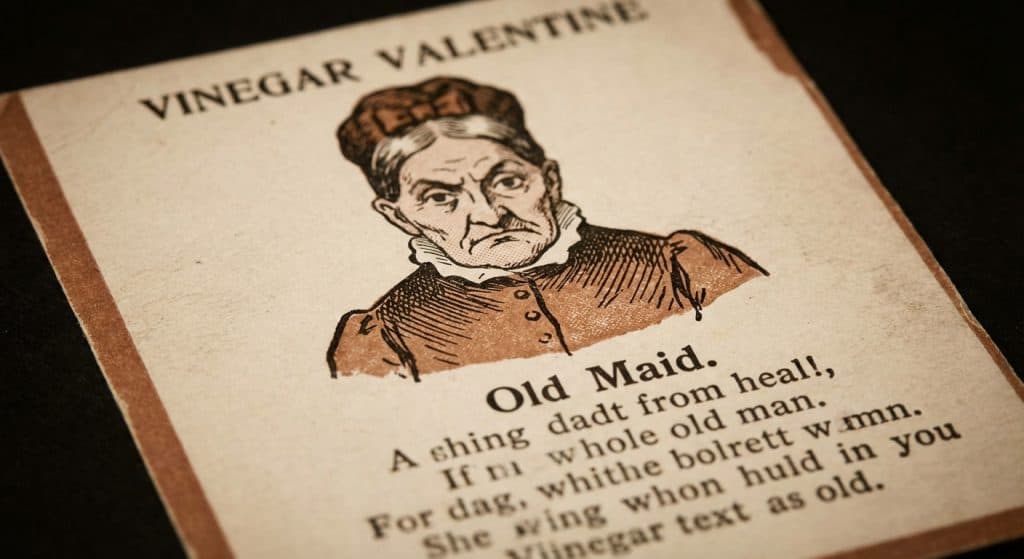
The Victorian era wasn’t polite. It was savage.
People sent “Vinegar Valentines” to people they hated.
They were ugly caricatures. They mocked your nose. They mocked your job.
They were anonymous. They were cruel. They were hilarious.
We stopped because we got “nice,” but we lost the only socially acceptable way to tell your neighbor he’s annoying via the postal service.
15. V-Mail Valentines
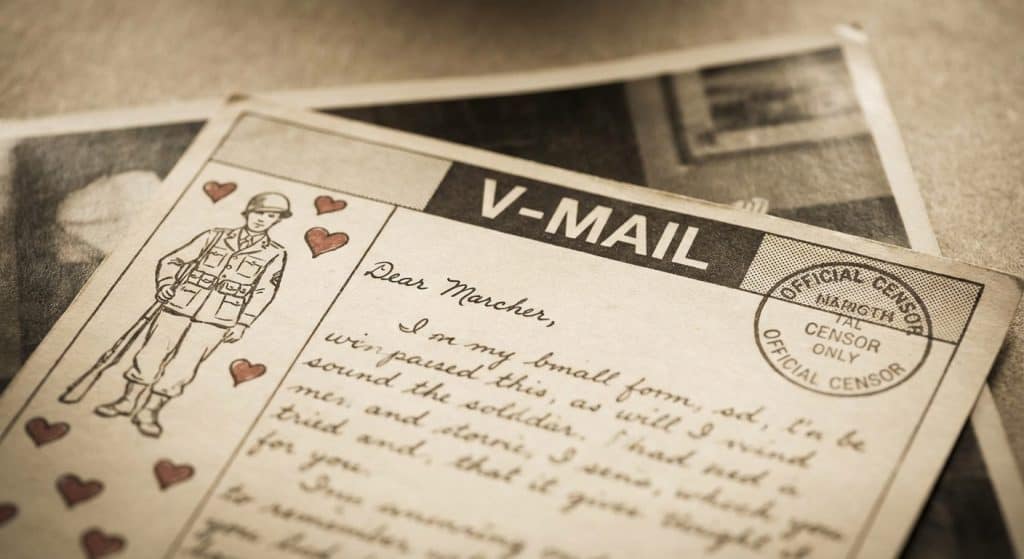
In 1943, love was rationed.
Soldiers sent letters on microfilm. They were printed out small. They were black and white.
They were drawn in the margins of war.
They were gritty. They were desperate. They were real.
We send texts now, but they lack the weight of a letter that had to cross an ocean on a cargo plane to reach you.
16. The “Glove” Proposal
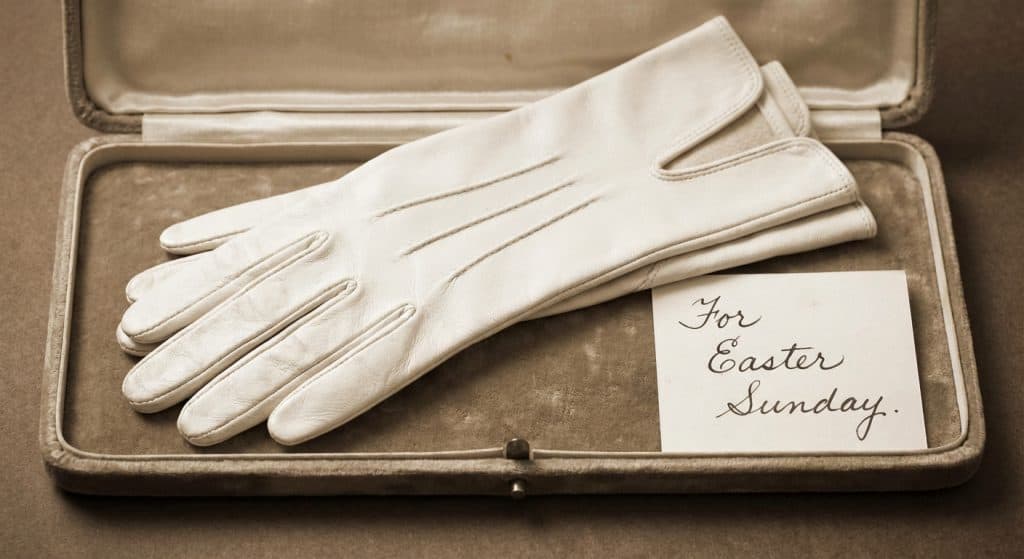
In the 1920s, a man sent a single glove.
If the woman wore it on Easter, it meant “Yes.”
It was a code. It was a silent conversation played out in public.
It required patience. It required money.
We ghost people now, losing the elegance of a system where clothing was a language.
17. Handkerchief Flirting
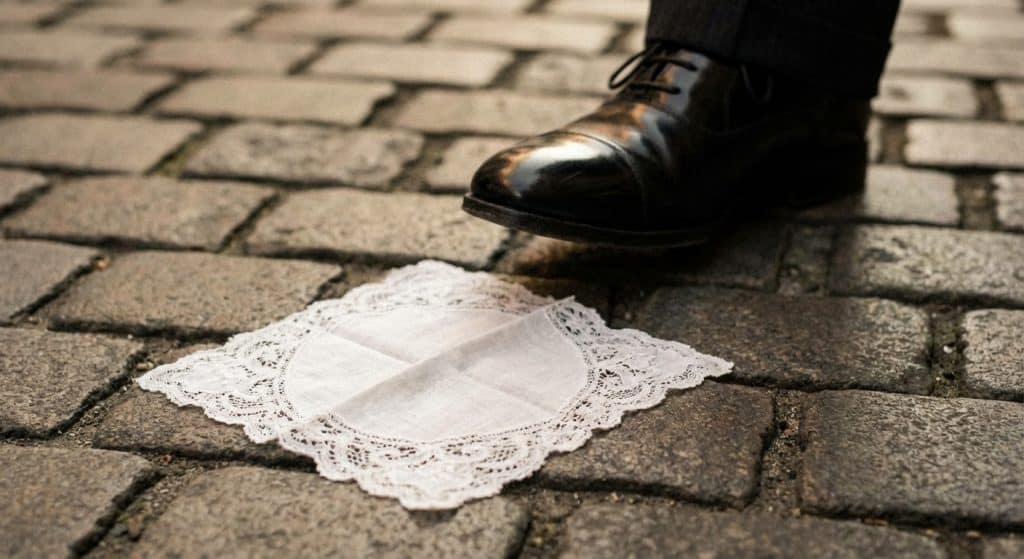
A tissue is trash. A handkerchief is a tool.
Women dropped them on purpose. Men picked them up.
It was the “swipe right” of the 19th century.
It was subtle. It was plausible deniability.
We use Kleenex now, and you can’t flirt with a piece of paper that’s destined for the garbage.
18. Wartime “Useful” Gifts
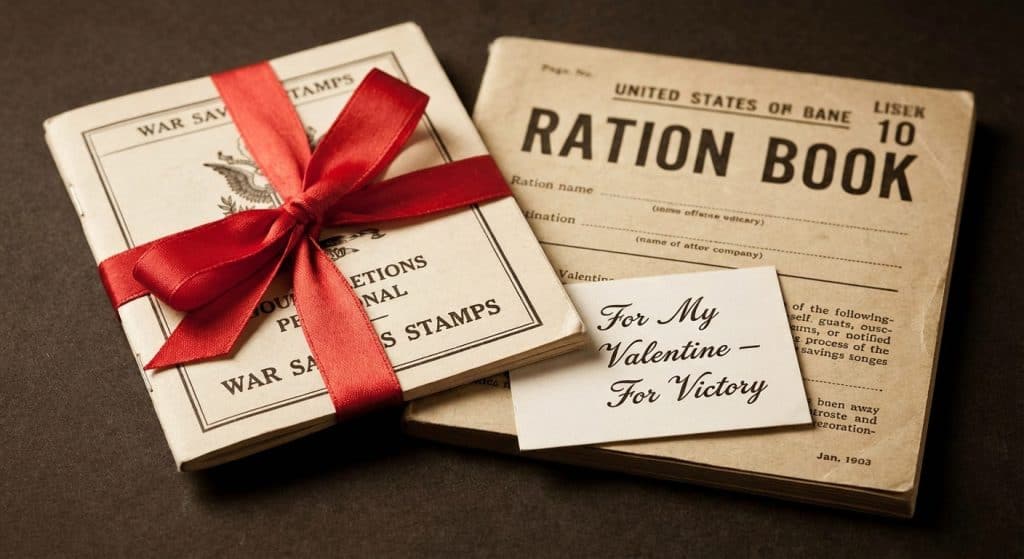
Sugar was gone. Chocolate was a memory.
You gave War Bonds. You gave stamps. You gave “service.”
It wasn’t romantic in the traditional sense. It was patriotic.
It was love expressed as survival.
We buy giant bears now, but we lost the connection between loving someone and helping them survive the hard times.
19. WWII Acronym Codes
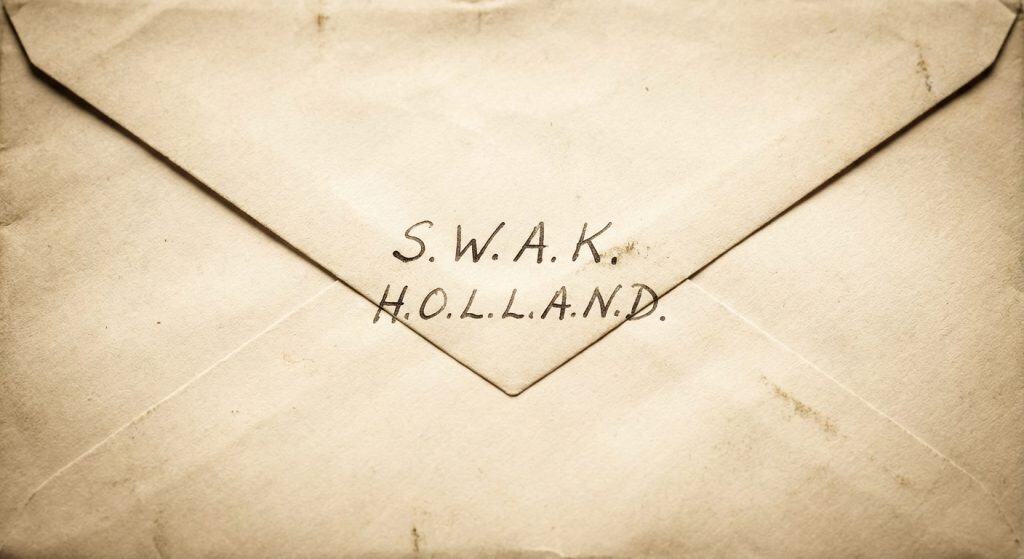
The censors read everything. So lovers invented a code.
HOLLAND. Hope Our Love Lasts And Never Dies.
BURMA. Be Undressed Ready My Angel.
It was a secret language. It was naughty. It was clever.
We have encryption now, but it’s not as fun as writing a riddle on the back of an envelope.
20. Leap Year Penalties
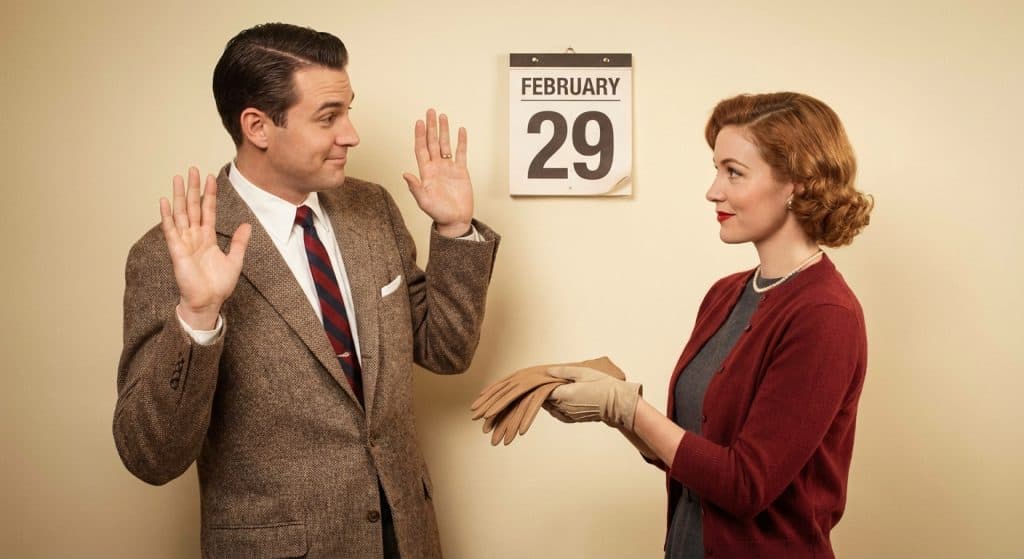
The tradition said a woman could propose on February 29th.
If he said no? He owed her a penalty.
Usually a silk gown. Or twelve pairs of gloves to hide her ringless fingers.
It was a game. It was a loophole.
We don’t need loopholes anymore, but we lost the playful stakes of a tradition that held men accountable for saying no.
21. Puzzle Purses
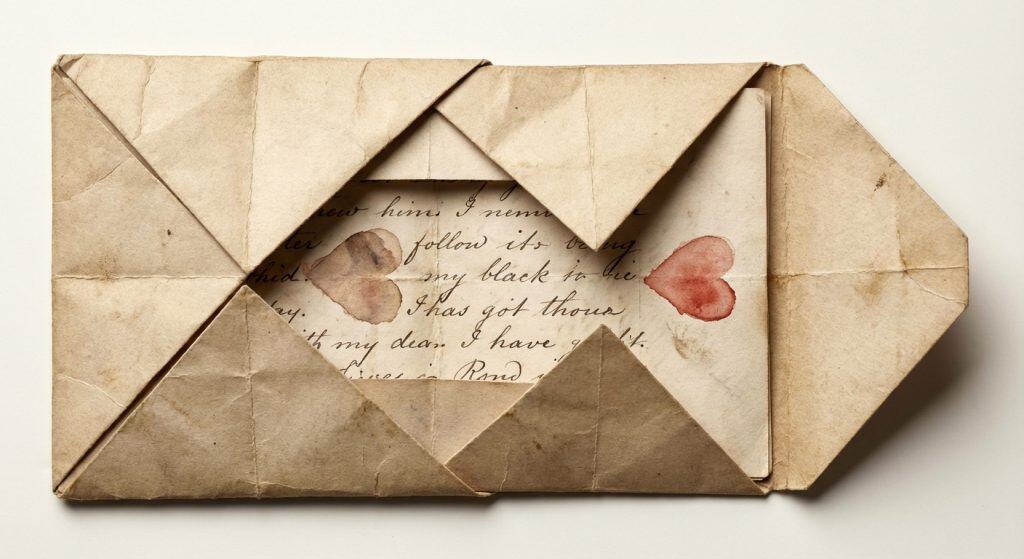
Before the envelope, there was the puzzle purse.
It was a single sheet of paper, folded into a complex packet.
You had to unfold it layer by layer to read the message.
It was a slow reveal. It was a physical journey to get to the words “I Love You.”
We click “open” now, but we lost the anticipation of the unfold.
22. The “Love Lottery”
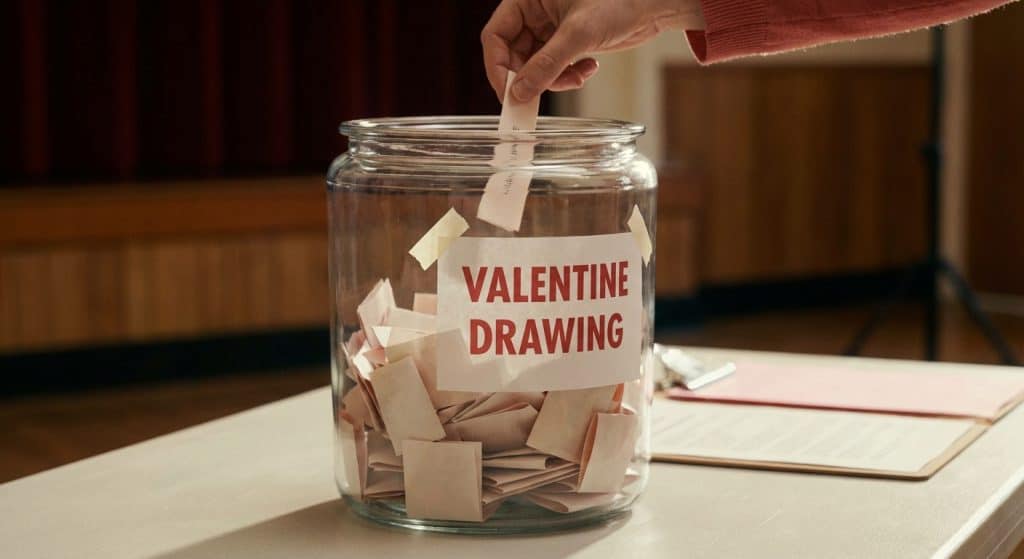
In the old days, you didn’t choose. Fate chose.
You drew a name from a jar. That was your partner for the dinner.
It was risky. It was community-forced mingling.
It took the pressure off. You couldn’t be rejected if it was just luck of the draw.
We curate our dates now, but we lost the surprise of finding romance where we didn’t look for it.
23. Jack Valentine
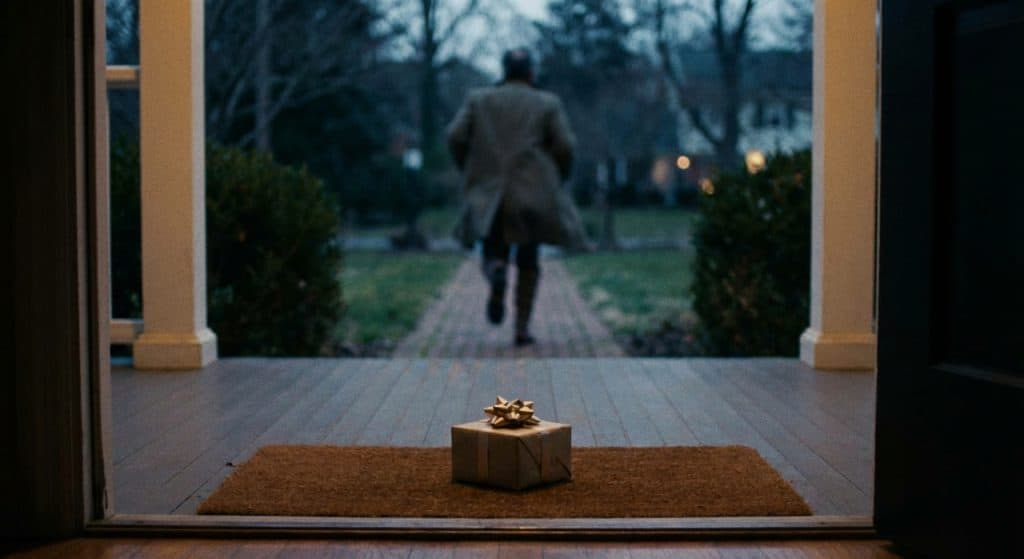
In Norfolk, Santa Claus has a brother.
Jack Valentine knocks on the door. He leaves a gift. He runs away.
He is a mystery. He is a prankster.
Sometimes he snatches the gift away on a string.
It’s weird. It’s local. It’s magical.
We traded him for Amazon delivery drivers, and the porch has never been as exciting since.
Conclusion
We don’t romance like this anymore.
We are afraid of effort. We are afraid of waiting. We are afraid of being “weird.”
But when you look at a hand-folded puzzle purse or a scratched-up mixtape, you realize we’ve traded “meaning” for “convenience.”
We’ve built a holiday that is easy to survive, but hard to remember.
If you are lucky enough to love someone this year, don’t just buy the card. Make the box. Record the tape.