


Walk the back of an old property and you’ll find them. A leaning shed with wavy glass in the windows. A stone box half-swallowed by ivy. A skeletal windmill that hasn’t turned in eighty years.
Most people see junk. A bulldozer’s lunch.
But these structures were built by hand, out of old-growth timber and quarried stone, by people who expected them to last. And a surprising number of them do exactly that — they last, they charm, and they add real money to a property when you bring them back.
Some convert into wine cellars. Some become rentable apartments worth tens of thousands. Some just sit there looking like nothing a builder could fake today.
Here are 22 old backyard structures worth saving — and what they’re actually worth once you do.
1. The Vintage Chicken Coop
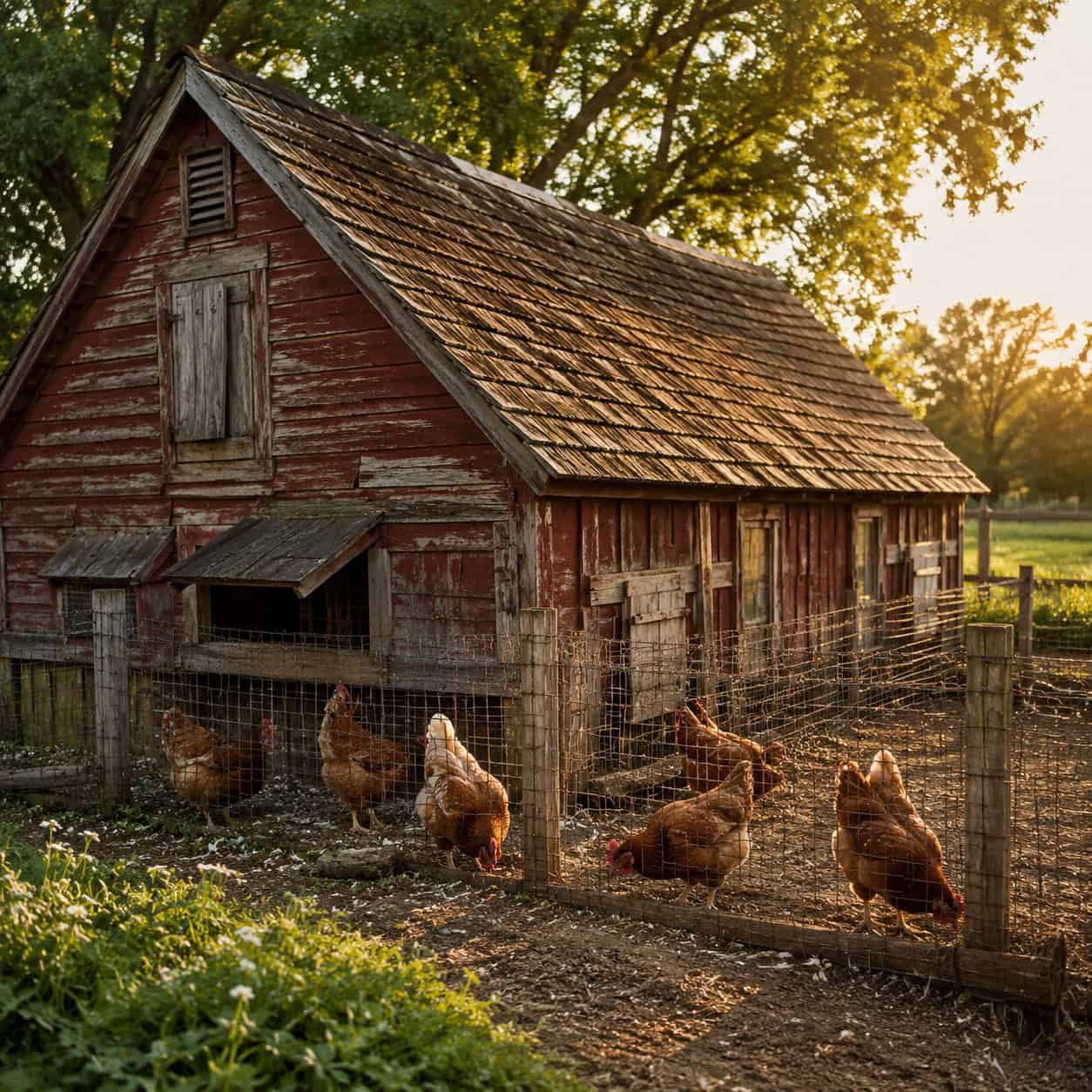
Backyard chickens are back. Egg prices did that.
And if there’s a hundred-year-old coop already standing on your property, you’ve got a head start most homesteaders would pay for. The old ones were built long and low on purpose — maximum floor space, a roofline pitched to shed rain fast, and ventilation that actually worked before anyone sold “coop kits” online.
A little rehab beats building from scratch. New roofing felt, fresh hardware cloth over the old openings, a swept-out nesting wall, and you’re collecting eggs by spring.
For buyers chasing the homestead dream, a working coop reads as instant credibility. It’s a selling point, not a teardown.
2. The Pergola or Garden Arbor
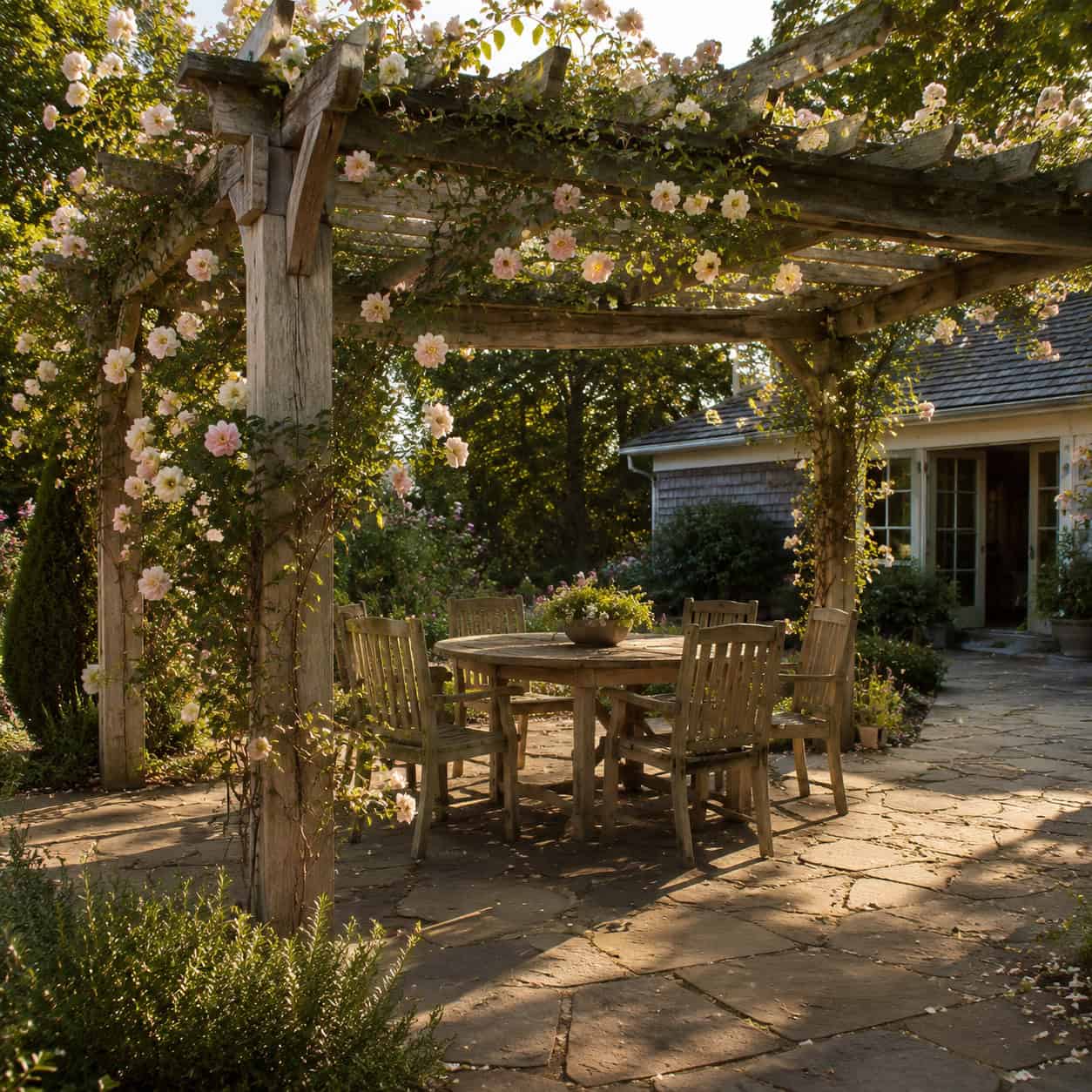
A weathered cedar pergola does something a patio slab never will. It frames the yard.
These structures go back to formal gardens of the 1800s, where an arbor marked the entrance to a walk or dripped with climbing roses. The point was always the same — define a zone, throw some shade, give the eye somewhere to land.
Agents will tell you a defined outdoor entertaining area moves the needle on value. Restore the original timber and you keep the patina. The silvered, sun-checked grain that a brand-new kit spends a decade trying to imitate.
Sand the rough spots. Re-set the posts in fresh concrete. Train a vine back up the sides.
3. The Old Detached Garage
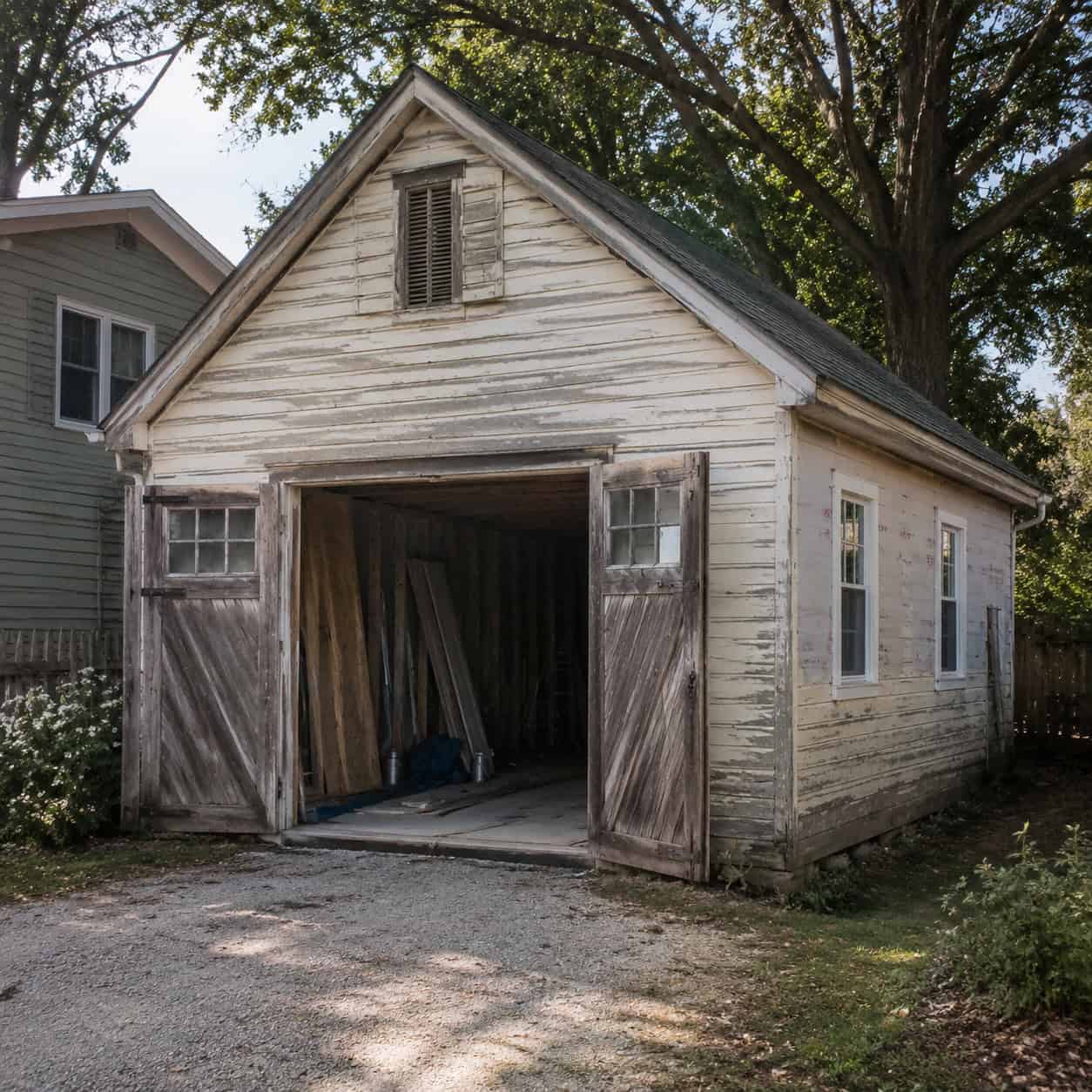
This is the one flippers hunt for.
Early-auto-era garages from the 1910s through the 1940s were built small and solid, usually one or two bays with real framing and often a peaked roof with attic space above. On their own they make a perfect workshop. But the bigger play — the one investors chase street by street — is the accessory dwelling unit.
A detached garage already has the footprint, the foundation, and frequently the right zoning setbacks. Converting it into a permitted ADU can lift a property’s value substantially, and because the shell already exists, you’re skipping the most expensive part of new construction.
Expect the conversion to run real money. A full garage-to-living-space project commonly lands somewhere between $40,000 and $120,000 depending on whether you’re adding a bathroom, a kitchen, plumbing runs, and insulation to code. The spread is wide because plumbing and a kitchen are what blow the budget.
Permitting is the part people underestimate. You’ll need to confirm your lot allows an ADU, pull building and electrical permits, and almost always upgrade the structure for habitability — egress windows, fire separation, proper electrical service. Some cities have streamlined ADU approval in the last few years specifically to add housing, so check your local rules before you assume it’s a fight.
Keep the period character while you’re at it. The old swing-out carriage doors, the original siding, the cupola if it has one. That’s the stuff that makes the finished unit feel like a find instead of a box.
4. The Dovecote (Pigeonnier)
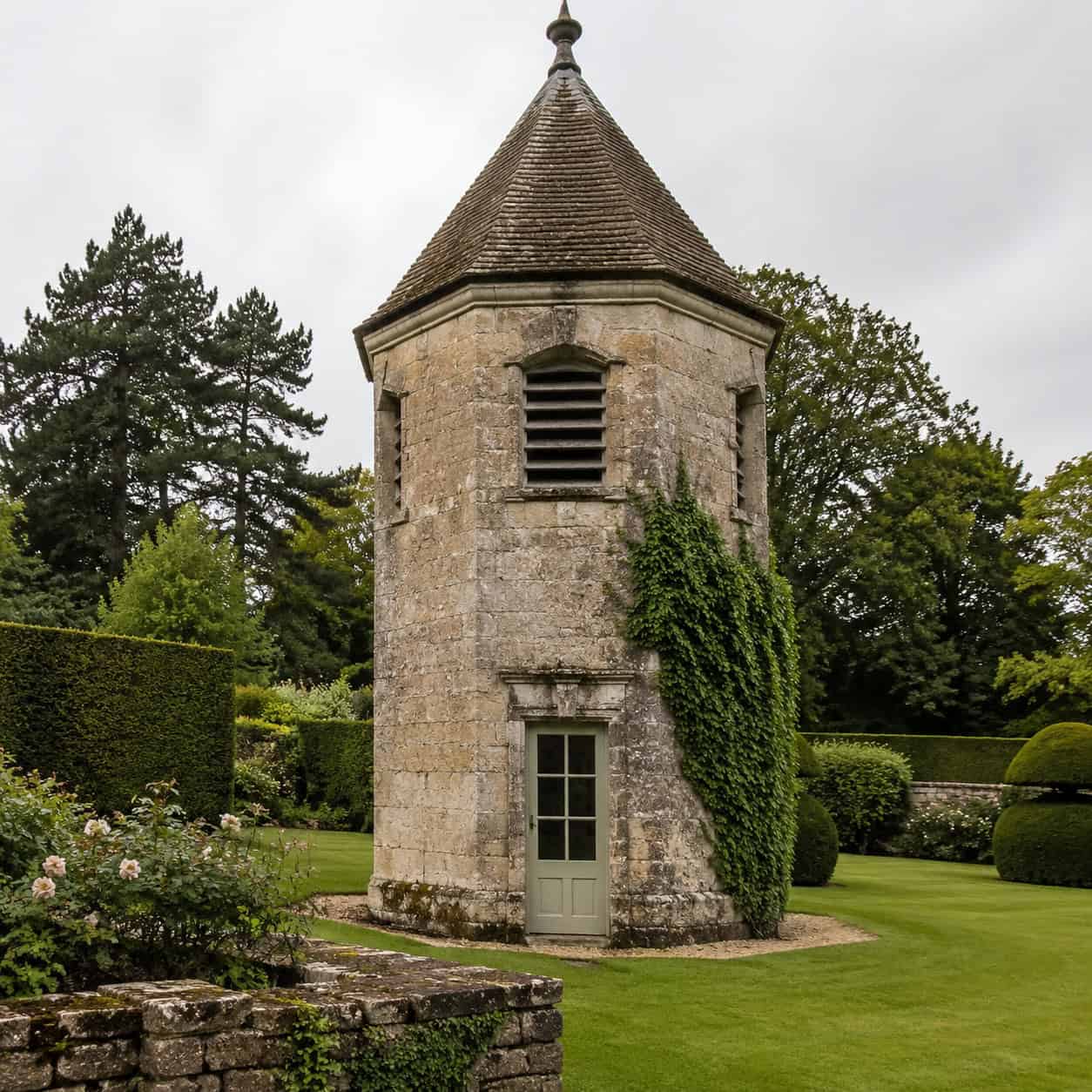
Few backyard structures announce wealth the way a dovecote did.
Octagonal or hexagonal, sometimes holding 200-plus nesting boxes inside, these towers raised pigeons for squab — a delicacy on colonial and 1800s tables. Owning one signaled you had land, leisure, and meat to spare. Half outbuilding, half garden folly.
Most modern yards have nothing that can compete with one visually. Restore the louvered openings, patch the nesting cells, repaint the cap, and you’ve got an architectural eye-catcher that stops people mid-conversation.
You don’t even need the pigeons. The structure carries itself.
5. The Ice House
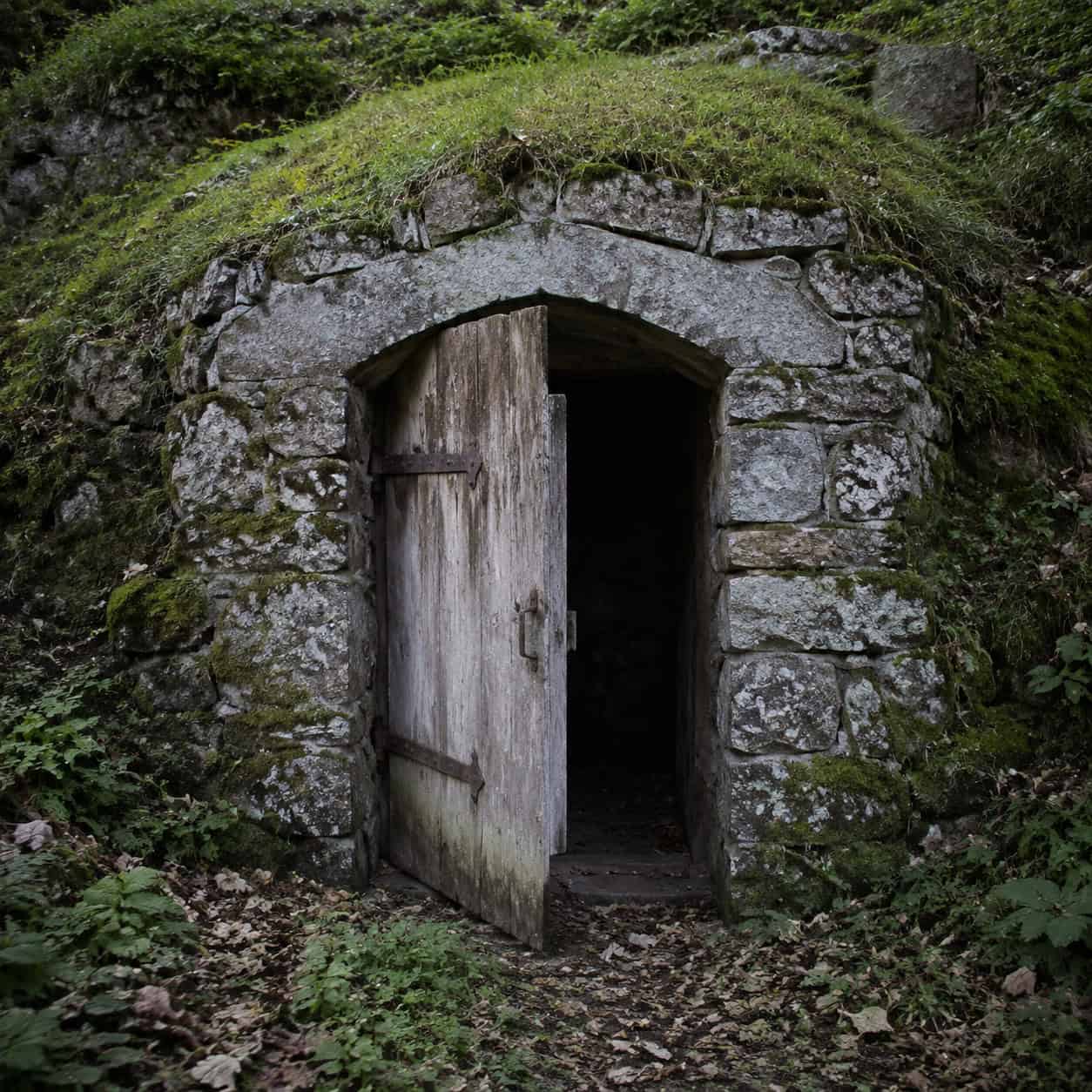
Before electricity, cold was a thing you harvested.
Crews cut blocks from frozen lakes in winter and packed them into deep, stone-lined pits layered with straw and sawdust. Done right, that ice lasted into the heat of summer. The chamber stayed cold because it was built to — thick walls, below-grade depth, dead-still insulated air.
That same cool shell converts beautifully into a wine cellar or a cold pantry. The temperature stability is already engineered in.
It’s a genuine conversation piece that still does a job. Not many things on a property can say that.
6. The Smokehouse

A windowless little box, brick or log, the inside walls charred black and meat hooks still screwed into the rafters.
That’s a smokehouse, and it’s pure American foodways history. For a century, this is where the bacon, hams, and sausage got cured over slow smoke through the winter.
With backyard barbecue and home-curing booming, the function practically restores itself. Fire it back up or turn it into the quirkiest garden shed on the block.
One warning. The walls are saturated with cured salt, and salt eats metal fast — don’t store tools or park anything with steel in one. Things rust before your eyes in there.
7. The Springhouse
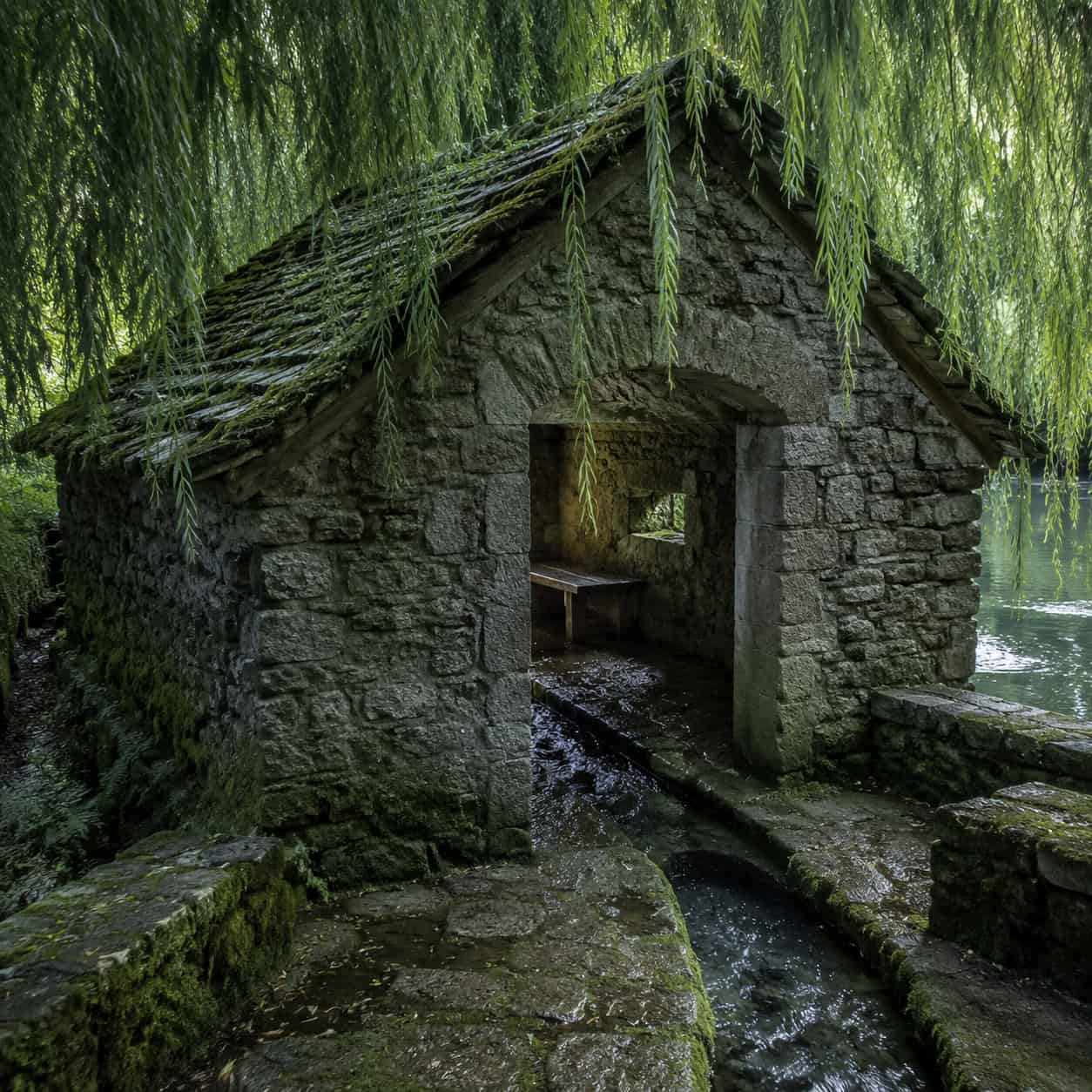
Look for a willow tree. It often gives the springhouse away.
Built of stone right over running spring water, this was the farm’s original refrigerator. The cold current ran through a channel in the floor, and crocks of milk, butter, and meat sat in the water to stay cool through July.
The stone shell stays naturally cool even now. That makes it a perfect wine room, a shaded retreat, or simply a gorgeous garden focal point with water still trickling through.
Re-point the stonework, clear the channel, and let the spring do what it’s done for two hundred years.
8. The Root Cellar
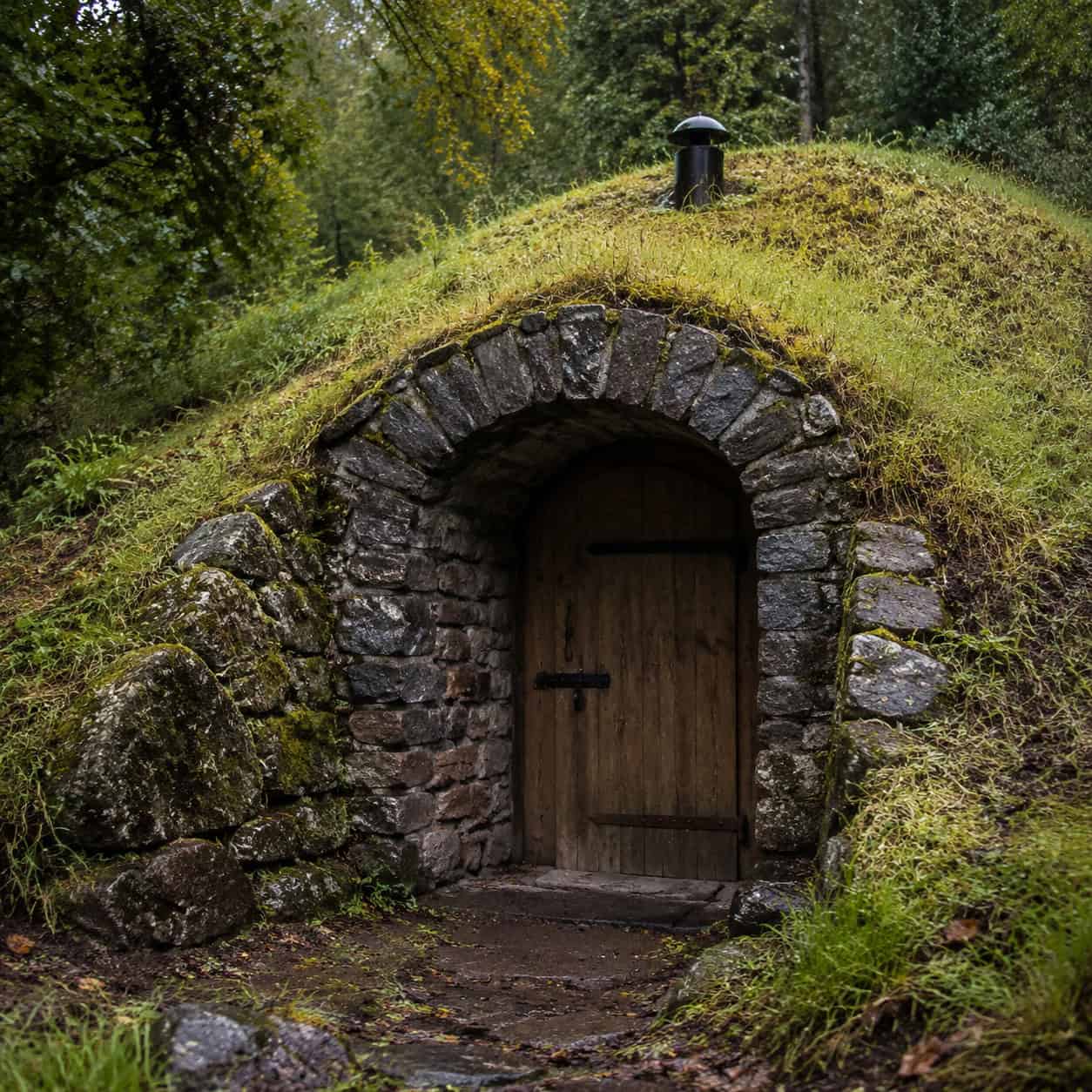
Earth does the work. That’s the whole genius of a root cellar.
Dug into a hillside or banked over with soil, these held a steady 50 to 55 degrees year-round, dark and damp and perfect for potatoes, apples, carrots, and canned goods. Before refrigeration, a good cellar was how a family ate in February.
Restored, it becomes a wine cellar, a cold-storage pantry, or even a storm shelter — and buyers love the novelty of a real underground room.
But moisture is the make-or-break. The same dampness that kept vegetables fresh will rot finishes, rust shelving, and grow mold if you seal it up wrong. Don’t fight the humidity with a vapor barrier on the inside; that traps water in the wall and makes it worse.
Start with drainage. Grade the soil so surface water runs away from the entrance, add a French drain along the uphill side if the cellar sits in a slope, and make sure the roof or cap sheds cleanly. Keep the original passive vents working — most old cellars had a low intake and a high exhaust pipe that moved air without power, and that airflow is what kept mold off the walls.
If the walls are stone, re-point with a breathable lime mortar rather than modern Portland cement, which traps moisture and spalls the stone. Do the water management right and the cellar stays sweet. Skip it and you’ll be remediating mold inside a year.
9. The Victorian Gazebo
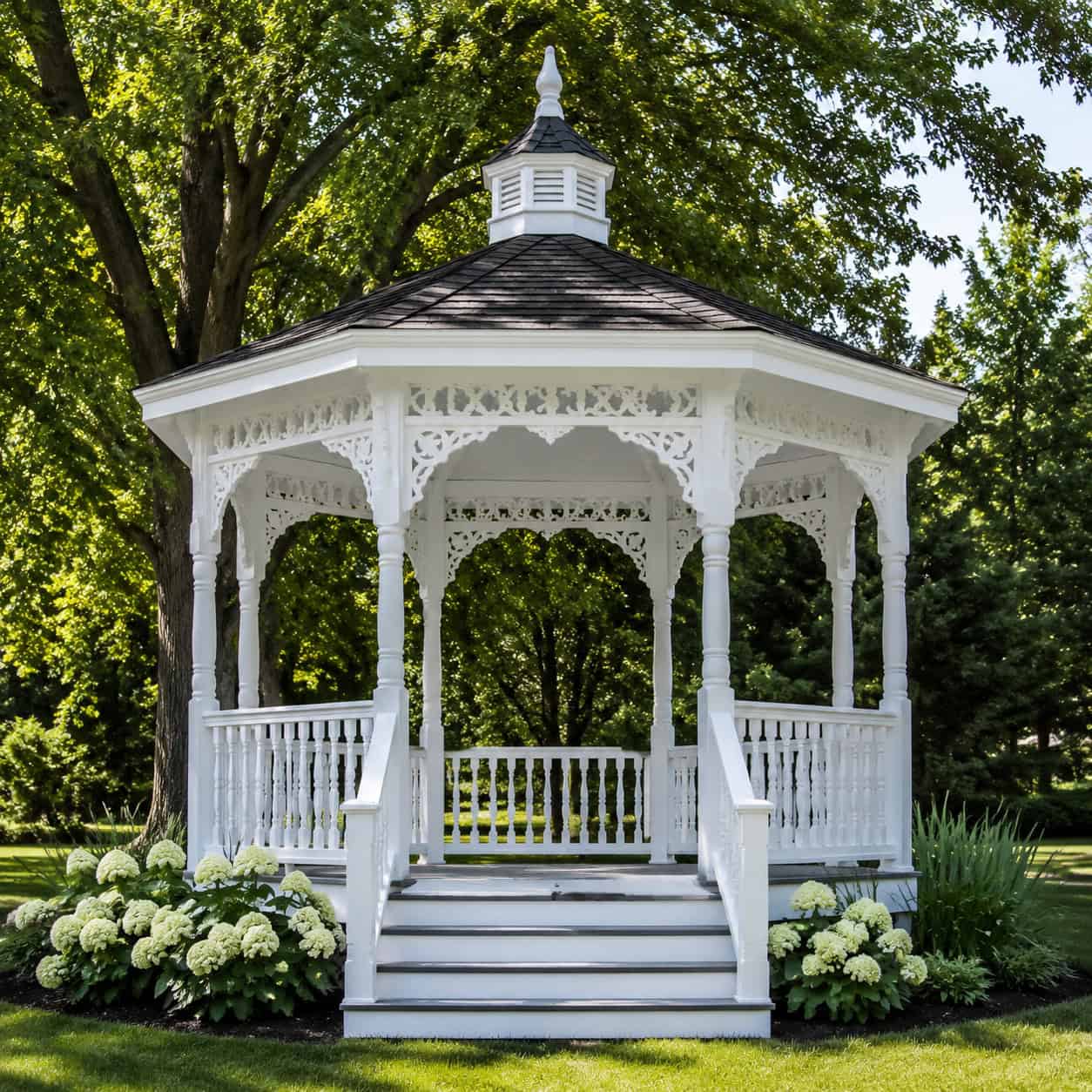
Part folly, part outdoor room.
The ornate gazebo of the late-1800s descends from 18th-century pleasure pavilions — little open buildings put up for nothing but tea, a view, and an afternoon of leisure. The Victorians loved them turned, fretworked, and dripping with gingerbread trim.
Restored, a gazebo gives you exactly the shaded outdoor-living feature that appraisers and buyers reward. Replace the rotted decking, rebuild the trim from a salvaged sample, repaint in period colors.
Then put a chair in it and understand why people built these for fun.
10. The Glasshouse or Conservatory
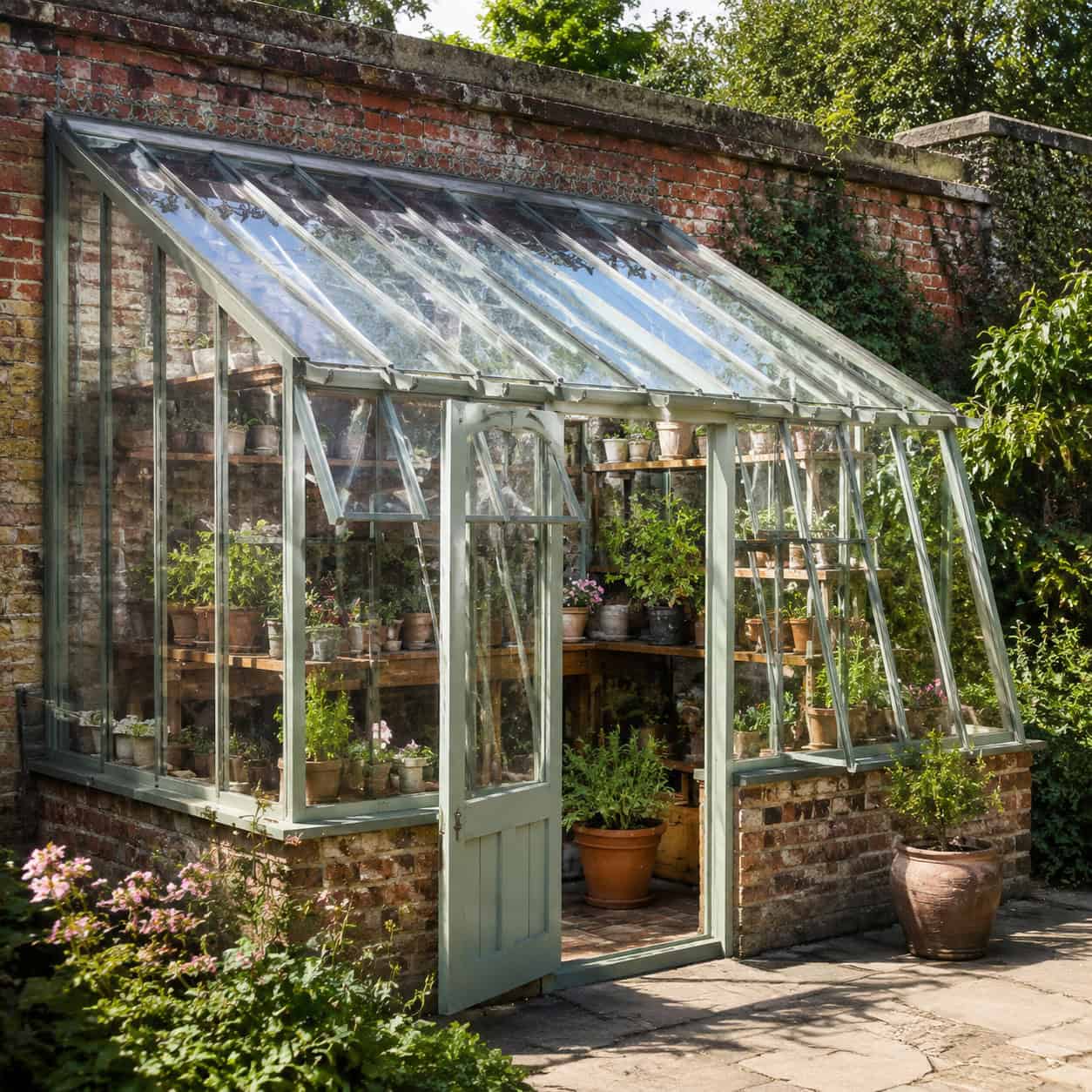
Old glass has a wobble to it. You can spot a real Victorian glasshouse across a yard by the way the panes ripple the light.
From grand brick orangeries to humble lean-to greenhouses against a garden wall, these promised year-round growing and a touch of luxury that’s never gone out of style. They read as both nostalgic and high-end at the same time.
Reglazing an antique frame is patient work, but the payoff is a showpiece. Buyers connect with a conservatory emotionally before they ever do the math on it.
Scrape and prime the old iron or timber. Replace cracked panes with salvaged wavy glass where you can. Get the gutters running again.
11. The Potting Shed
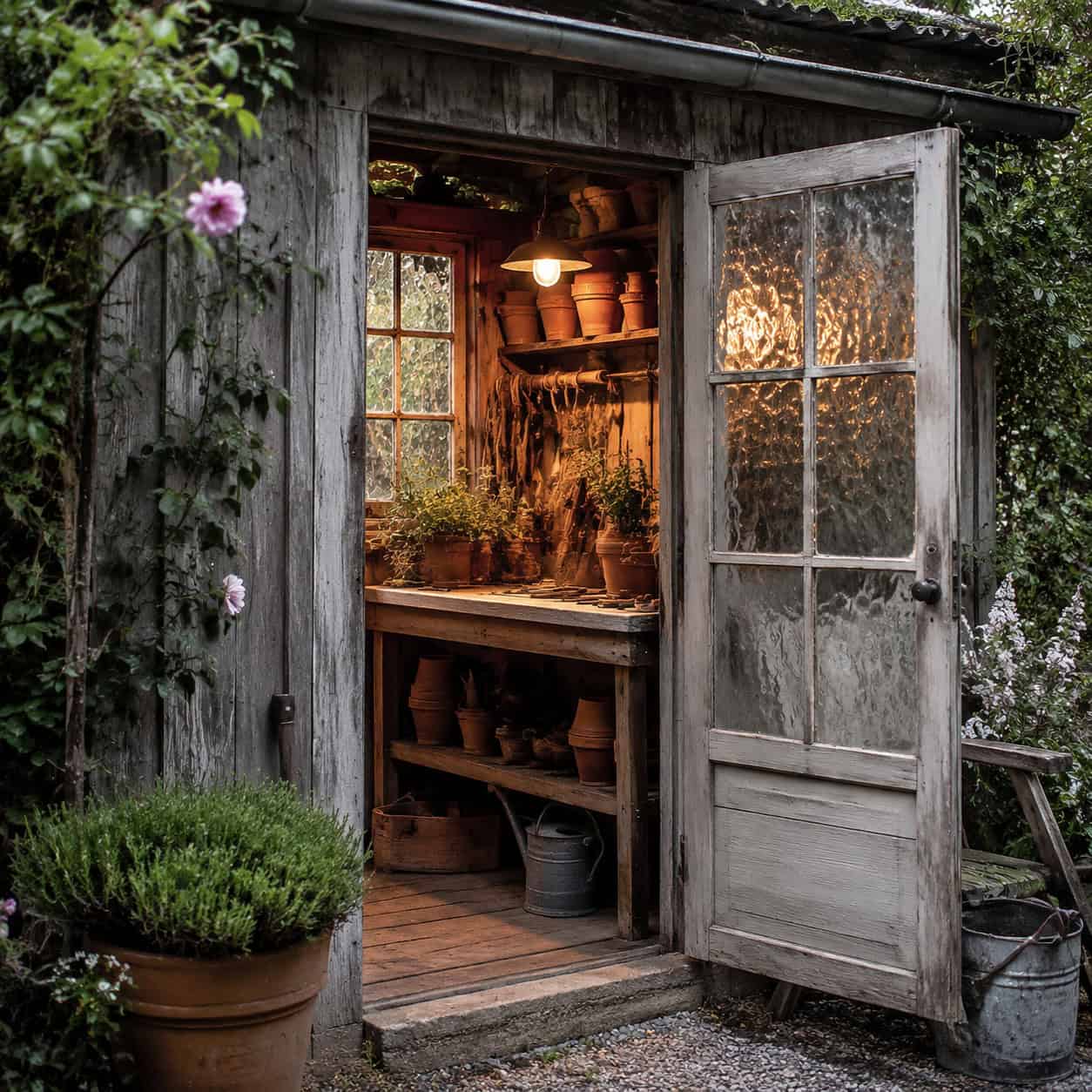
This is the easy win.
The potting shed was the working heart of the kitchen garden — a place to start seeds, store bulbs, and pot up cuttings. Today it converts into the most charming home office, art studio, or “she-shed” you’ll find without trying very hard.
Original board-and-batten walls and wavy-glass windows do the heavy lifting on character. A kit from the home center can’t buy that.
Run a little power out, add a window seat, keep the old potting bench as a desk. Done.
12. The Well House or Pump House
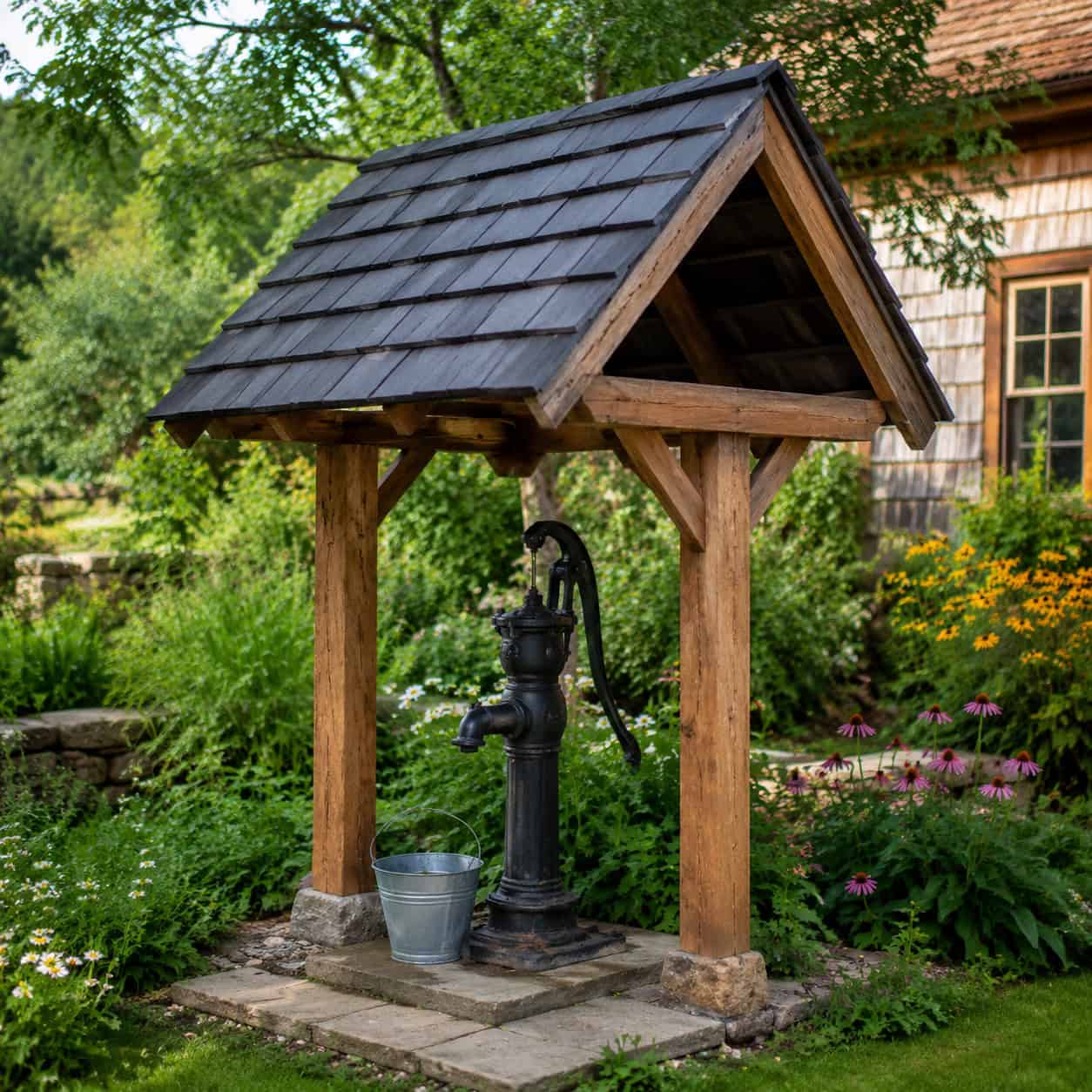
Small, roofed, and impossibly photogenic.
Before municipal water, this little structure sheltered the hand pump or well head from freezing and from leaves. It’s one of the simplest things on this list to stabilize, because there’s not much to it.
Restored, it works as a garden focal point or a tucked-away tool store. Either way it signals authentic history at a glance — a small building that’s obviously older than the lawn around it.
New shingles, a fresh coat, maybe a working pump for show. That’s the whole job.
13. The Corn Crib

Slatted walls, gaps between the boards, a narrow footprint built to let air dry the ear corn inside.
They’re scattered empty across the rural Midwest by the thousands, and most people drive right past them. But the corn crib is one of the most convertible structures out here. The slats give it instant character, and the frame is usually sound.
People have turned them into garden sheds, backyard bars, studios, and even small homes — one Iowa crib became a livable house for under $35,000. Salvage-friendly, full of texture, and cheap to find.
Close in the slats with glass and you’ve got a sunroom nobody else has.
14. The Farm Windmill

You can see one from a mile off. That’s the point.
Steel water-pumping windmills went up across the plains from the 1870s into the 1930s, hauling well water up by the bucketload as the wind turned the fan. Many quit working by the early 1900s and just stood there, rusting and beautiful.
Restore one and it becomes a landmark. It probably won’t pump water again — and it doesn’t need to. As a centerpiece it defines a rural property and triggers a wave of nostalgia in anyone who grew up near one.
Brace the tower, replace the broken vanes, repaint the fan. Let it spin in the wind for the look alone.
15. The Old Cistern or Stone Well
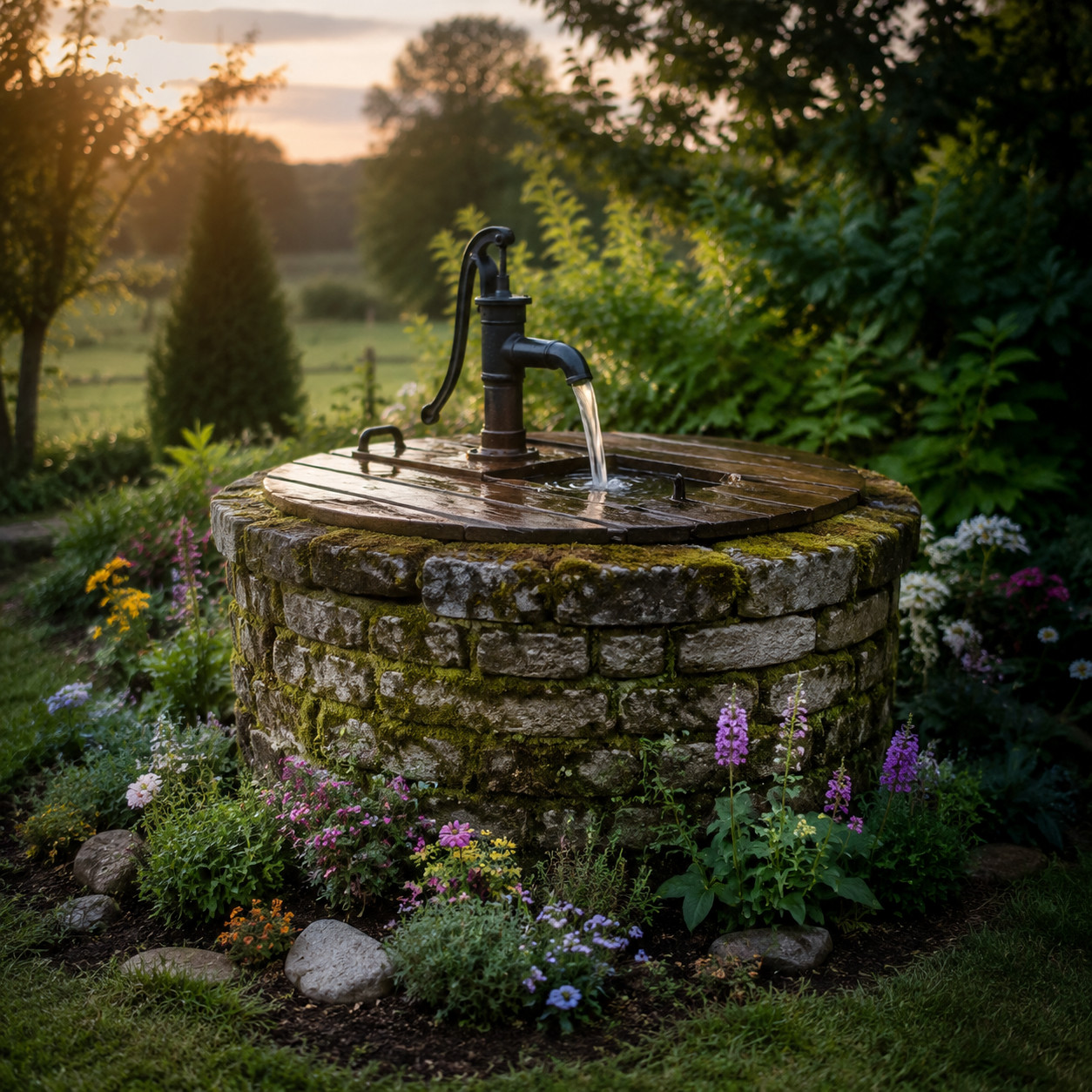
This one’s more landscape than building, and that’s fine.
Cisterns caught and stored rainwater; stone-ringed wells reached down to it. Both were essential before a tap in the kitchen made them obsolete overnight.
Capped safely and landscaped around, an old stone well makes a striking water feature or a garden centerpiece. Plant the ring, light it at night, let the masonry anchor a bed.
Just cap it properly first. An open old well is a real hazard, not a charming one.
16. The Wash House
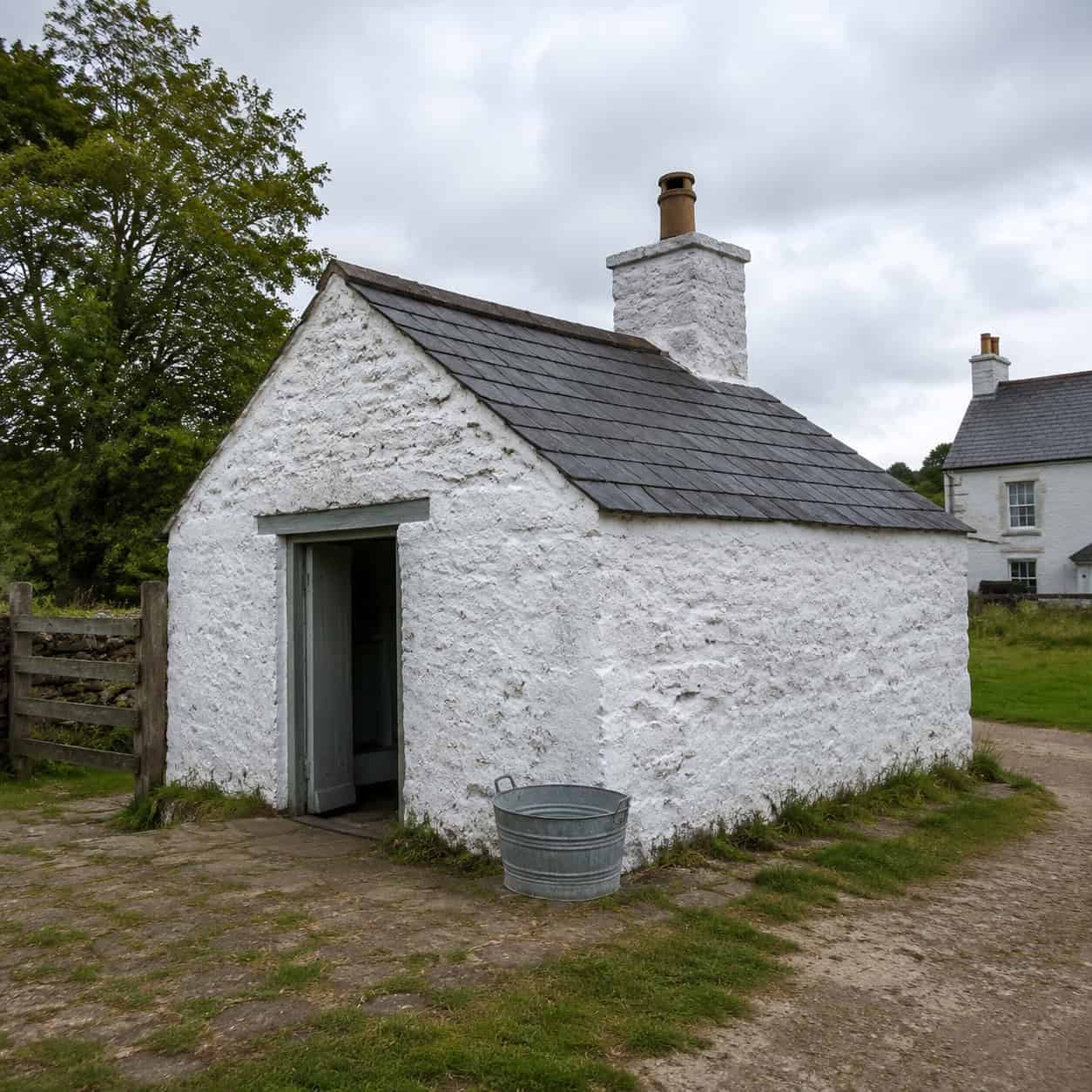
Laundry day used to be its own kind of misery — boiling water, lye soap, open flame, steam everywhere.
So it got its own building, set away from the house to keep the heat, the damp, and the fire risk out of the kitchen. The detached wash house was standard on a working farmstead.
Now it converts easily into a studio, a mudroom annex, or a potting and utility space. The size is right and the bones are simple.
A surviving wash house also rounds out the cluster of little outbuildings that makes an old farmstead feel romantic to buyers. Save it and you keep the whole story intact.
17. The Outhouse or Privy
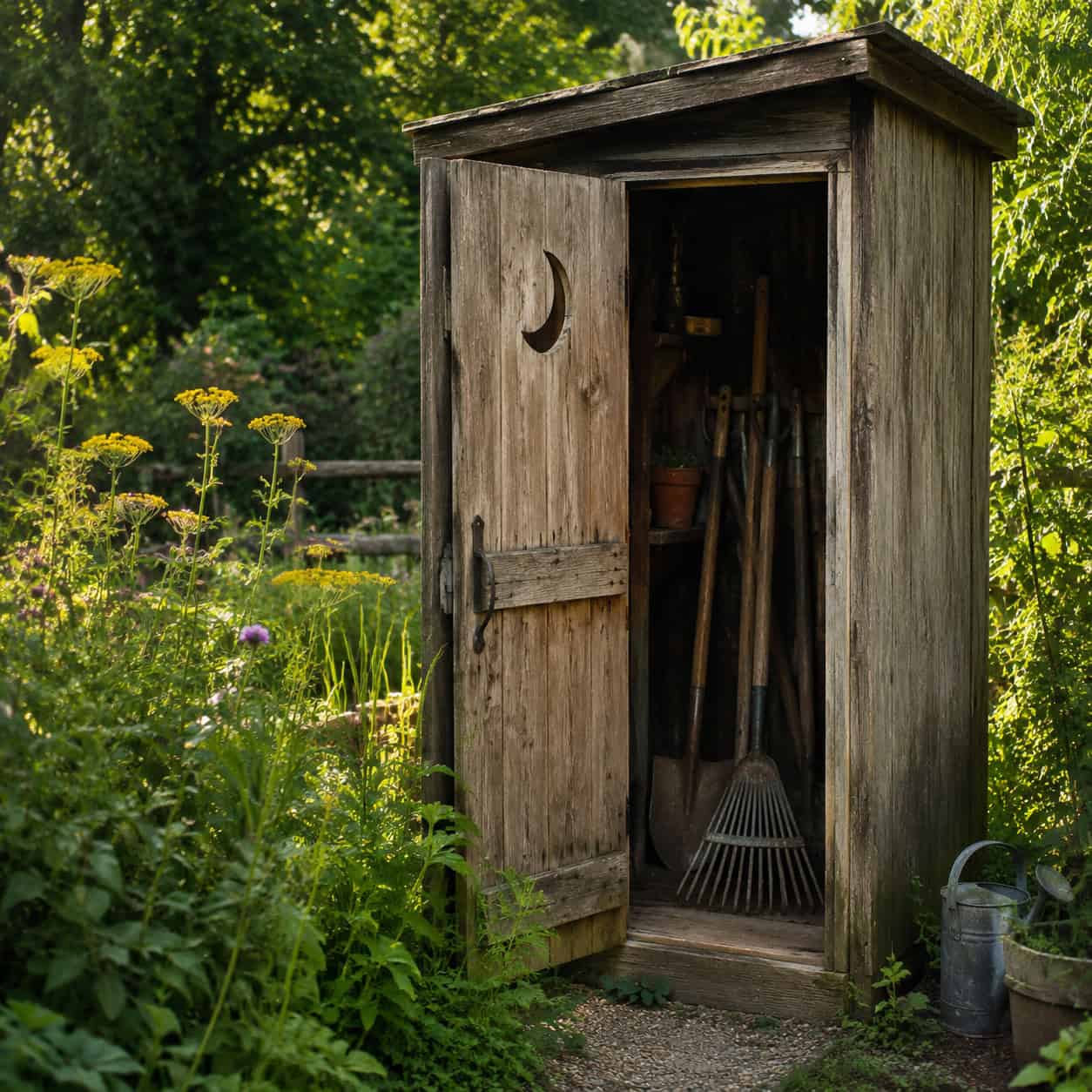
Yes, really.
The backyard privy is the most surprising keeper on this entire list, and the shock value is exactly why it earns a spot. Standard equipment before indoor plumbing, most got knocked down the second the bathroom moved inside.
Clean one out, move it to higher ground, and it makes a perfect tool locker or garden-tool shed. The footprint is ideal — small, vented, and out of the way.
Or just leave it as the conversation piece that makes every visitor laugh. Few yard structures get a reaction this reliable.
18. The Summer Kitchen
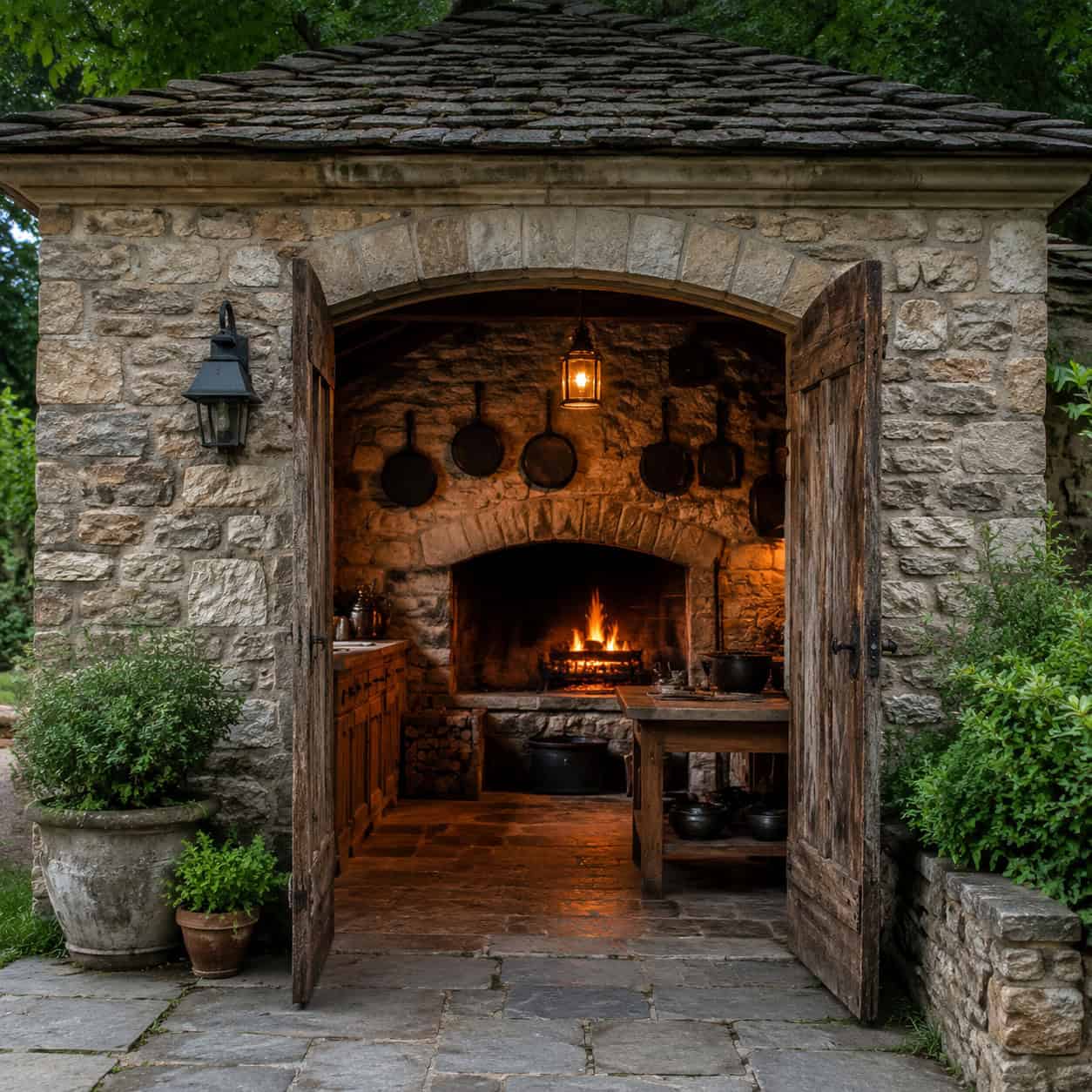
Cooking in August used to roast the whole house. So the cooking moved out.
The summer kitchen was a detached building — often stone — built to keep the heat, the smoke, the smells, and the fire danger away from the main living quarters during the hot months. Some still hold their original hearth and a few pieces of cast ironware in the corner.
These reinterpret gorgeously. A guest house, an outdoor kitchen, a studio — exactly the kind of extra living space buyers chase hardest.
The stone walls are usually thick and dead solid. Build on that and you’ve got something special.
19. The Small Barn or Stable

The blue-chip restoration.
A structurally sound timber barn or stable, anything from the 1700s through the 1930s, is the most flexible structure you can inherit. Workshop, event space, studio, full living conversion — it can become almost anything, and a saved barn anchors a property’s entire identity. Equestrian and agrarian style has never left high-end design.
But the word that matters is structurally sound, and you find that out before you spend a dime on the dream. Get a structural engineer or an experienced timber-frame restorer to assess it first.
They’ll check the sills where the frame meets the foundation, because that’s where rot starts — water wicking up from the ground rots the bottom of the posts and the sill beams while the top of the barn looks fine. They’ll check the foundation itself for shifting and the major joints for failure. A barn can lean badly and still be saveable, or look straight and be rotten at the feet.
Water is almost always the enemy. A failed roof that’s been leaking for decades, grade that pushes runoff into the base, gutters long gone — these are what kill barns, and they’re what you fix first. Get the roof watertight and the water moving away from the foundation before you touch anything cosmetic.
Sill replacement and foundation repair aren’t cheap, and they’re not DIY for most people. But a barn that passes the structural assessment is worth every dollar — it’s the one building on your land that can change what the whole property is.
20. The Carriage House
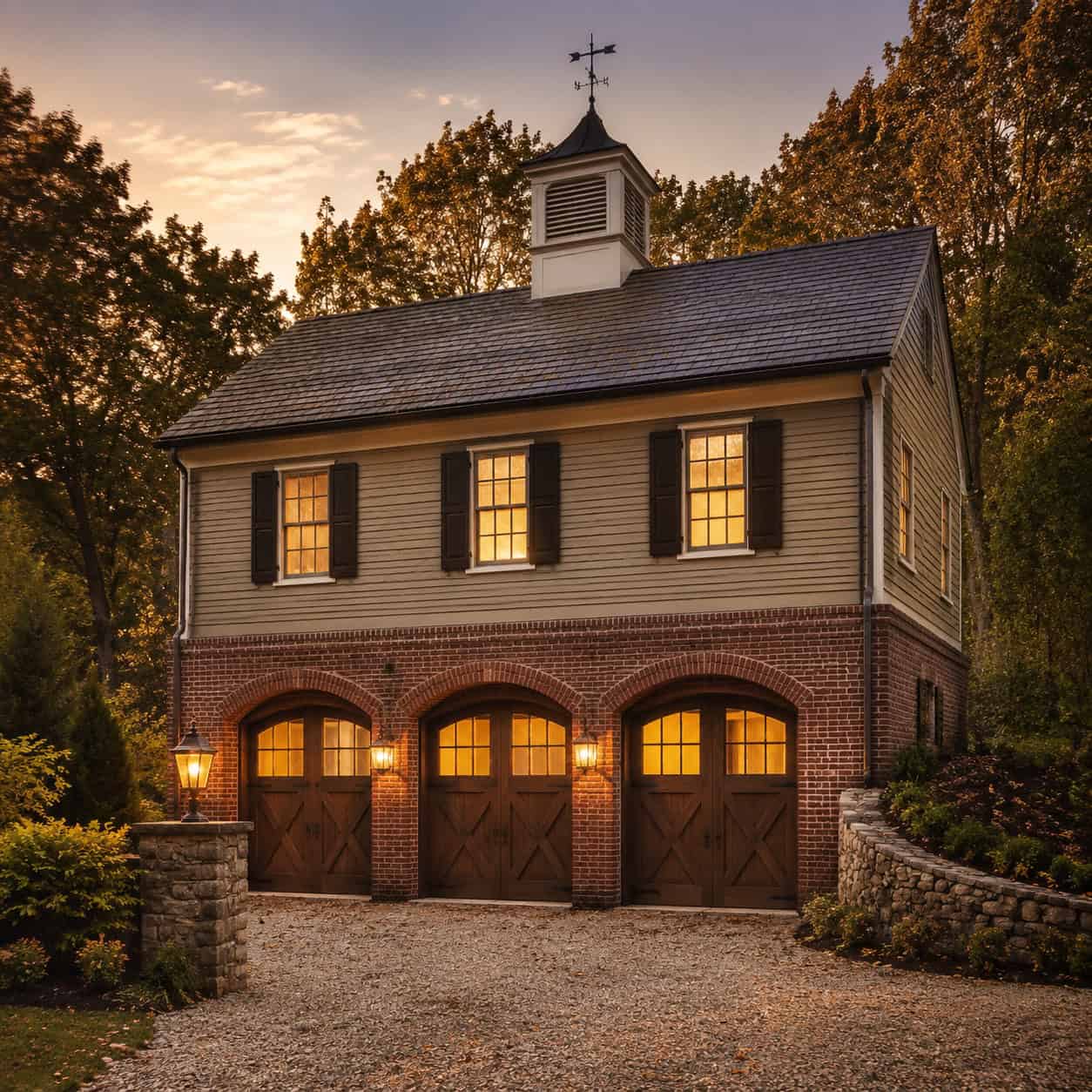
The crown jewel of value-add. No structure on this list pays back like a carriage house.
Built in the 18th and 19th centuries to store carriages on the ground floor with quarters for a coachman or groom up above, the carriage house was practically designed to become today’s accessory dwelling unit. The layout’s already there — parking and storage below, living space above, a separate entrance off to the side.
And the numbers are serious. Studies put the value premium of a home with an ADU at roughly 20 to 35 percent over comparable homes without one. On a property worth $400,000, that’s potentially $80,000 to $140,000 in added value — for a building you already own.
That’s why a carriage house conversion is both preservation and a financial move at the same time. You keep a stunning piece of architecture and you create a rentable, sellable, mortgage-able asset.
The restoration runs more than a garage conversion because there’s more building — two floors, often a hayloft door, sometimes a cupola and weathervane up top. Budget for full plumbing, a kitchen, insulation, egress, and electrical service brought to code, plus the permits to make the upper unit legal living space.
Keep the carriage doors. Keep the hardware, the loft door, the original windows. Those details are what make the finished unit command a premium instead of reading as a plain garage apartment — and they’re exactly what no new build can manufacture.
21. The Milk House

The milk house overlaps the springhouse, but it stood on its own on dairy farms.
This is where fresh milk got cooled, strained, and held before pickup — a small, tidy building, often with a concrete floor and a cooling tank, scrubbed cleaner than anything else on the farm because it had to be.
Where one survives alone, it makes a cottage-y storage building or a small studio without much work. The size is intimate and the construction is solid.
Tuck it into a garden, run power, and you’ve got a tiny retreat with a backstory.
22. The Wood Shed
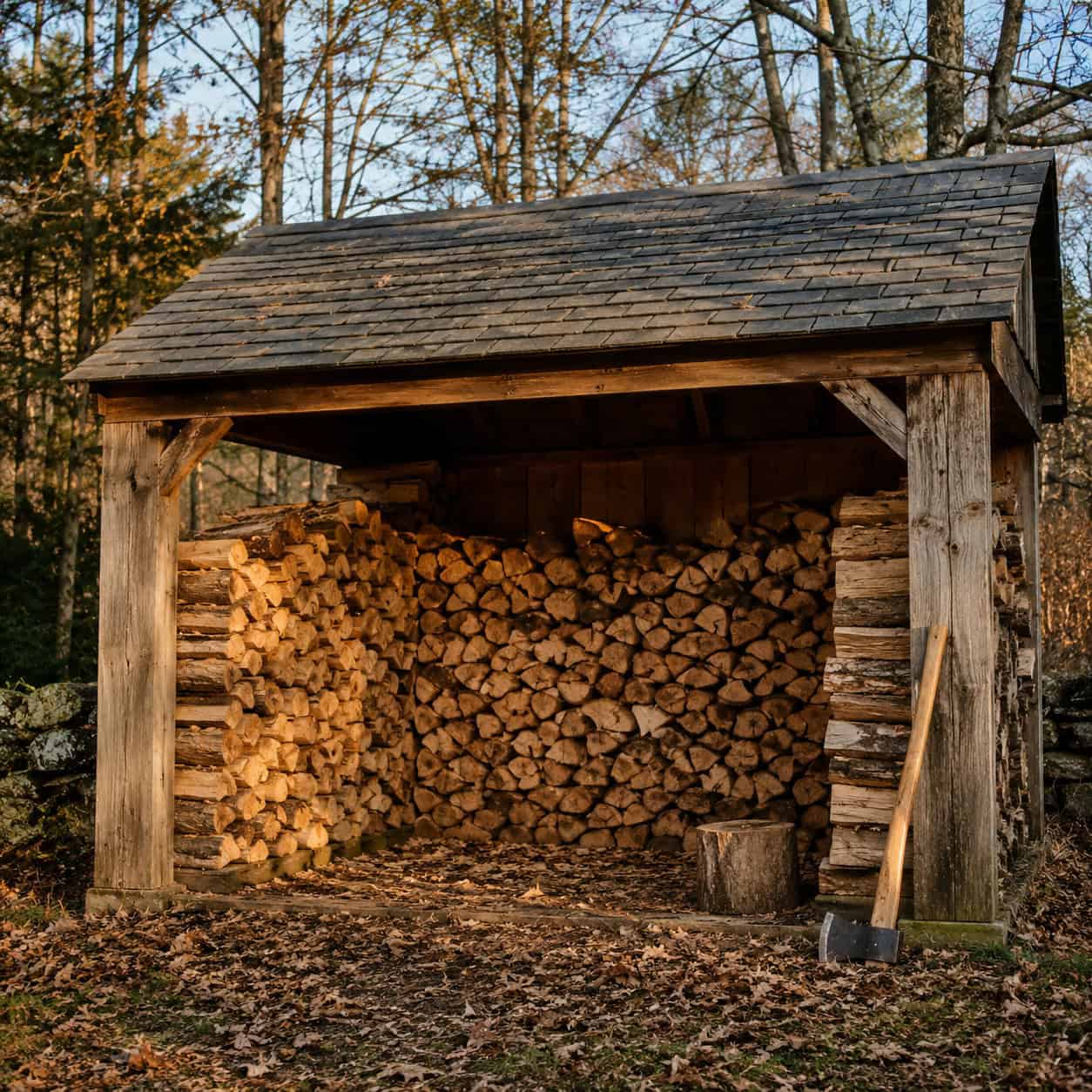
Practical to the bone. The wood shed kept the winter’s firewood dry and close to the door.
Open-fronted and simple, it was universal before central heating, and it’s the easiest structure here to stabilize — there’s almost nothing to it but a roof and three walls.
Repurpose it for garden storage, or just use it for firewood again if you’ve got a stove. It’s lower on charm and surprise than a dovecote or a carriage house, no question.
But it’s honest, it’s cheap to fix, and a tidy wood shed finishes off the picture of a property that’s been cared for. Sometimes that’s enough.
Conclusion
The bulldozer is always the cheap answer. It’s almost never the right one.
These structures were built by people who measured twice and built for a hundred years, out of materials you can’t buy at any price today. Some hand you a rentable apartment worth tens of thousands. Some just hand you a cool stone room and a willow tree and a story.
Walk your back lot before you call anyone with a dumpster. Look closer at the leaning shed and the ivy-covered box.
What’s falling down back there might be the most valuable thing you own.