

Walk into a modern home, and everything is “open concept.”
We live in one giant, shared space.
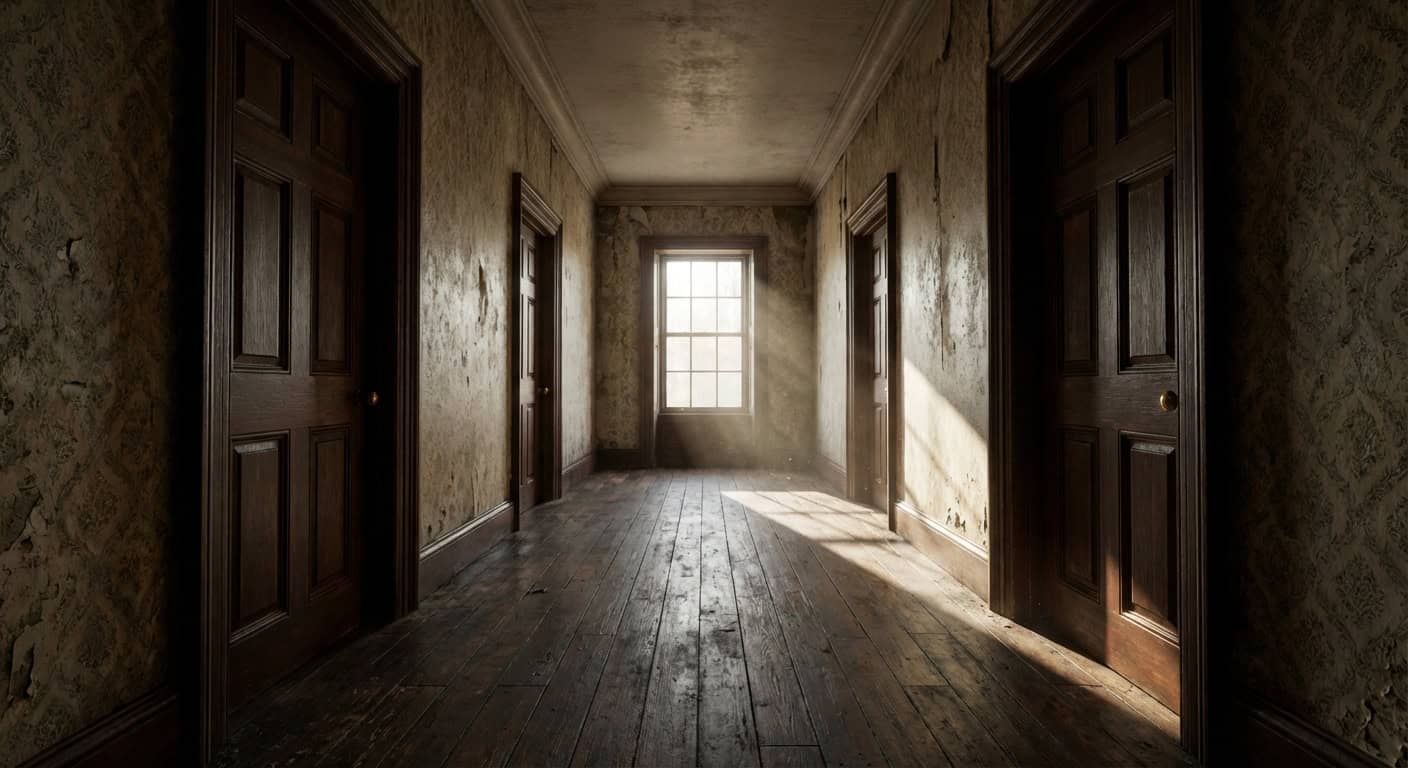
But step into a home built 100 years ago, and you find a labyrinth.
Before central air, every room had a specific job.
There were rooms for staying cool. Rooms for storing ice. Rooms just for talking on the phone.
Builders didn’t care about “flow.” They cared about function and survival.
We stopped building them because technology solved the problems.
Here are 15 forgotten rooms that prove our ancestors lived very differently than we do.
1. The Telephone Nook
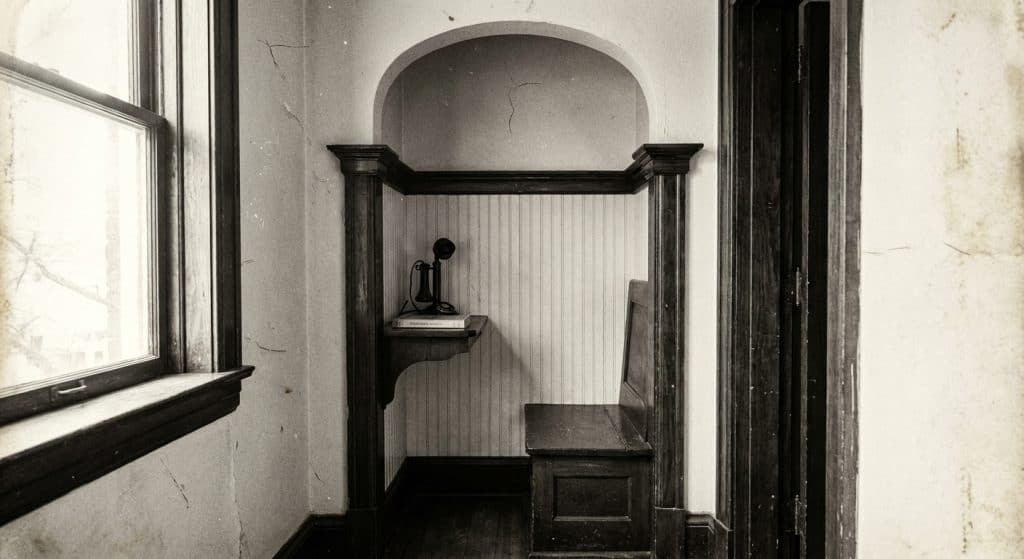
Imagine a time when the phone was a piece of furniture, not something in your pocket.
In the 1920s and 30s, telephones were heavy, hard-wired, and expensive.
You couldn’t walk around while talking. You needed a dedicated spot.
Enter the Telephone Nook (or Gossip Bench).
It was a small alcove built into a hallway wall, often featuring a tiny built-in desk and a seat.
It was often a masterpiece of millwork, with arched tops and clever beadboard backing.
We stopped because cordless phones set us free. But these nooks remain as beautiful little shrines to communication.
2. The Fainting Room
The Victorian era had a specific fashion problem: the corset.
Laced tightly to achieve an impossible waistline, women would often feel lightheaded or short of breath.
Climbing stairs to a bedroom was out of the question.
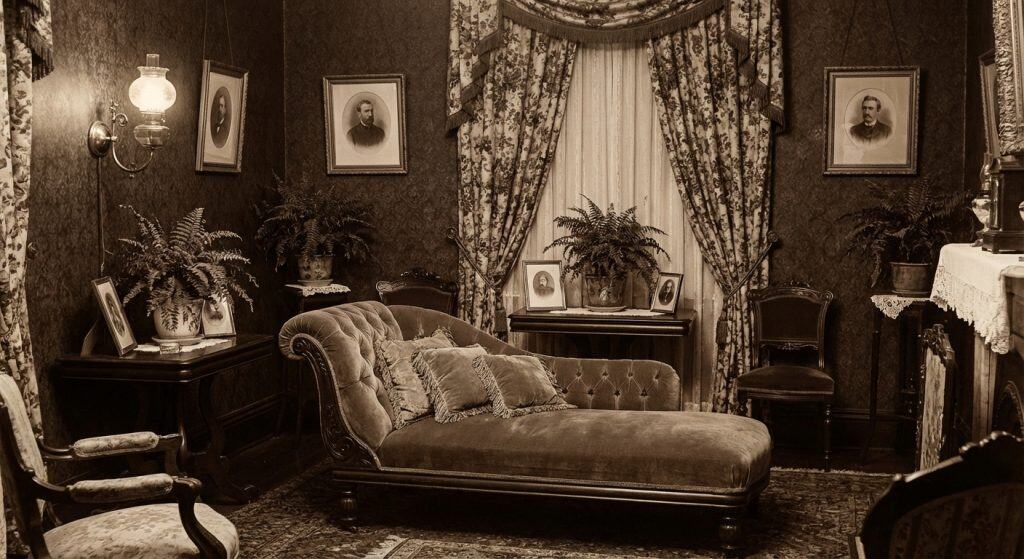
The solution was the Fainting Room.
Located on the ground floor, it contained a “fainting couch” (chaise longue) for a quick recovery.
It was semi-private, but often featured ornate trim and expensive furniture.
We stopped building them when fashion relaxed and we decided breathing was important.
3. The Sleeping Porch
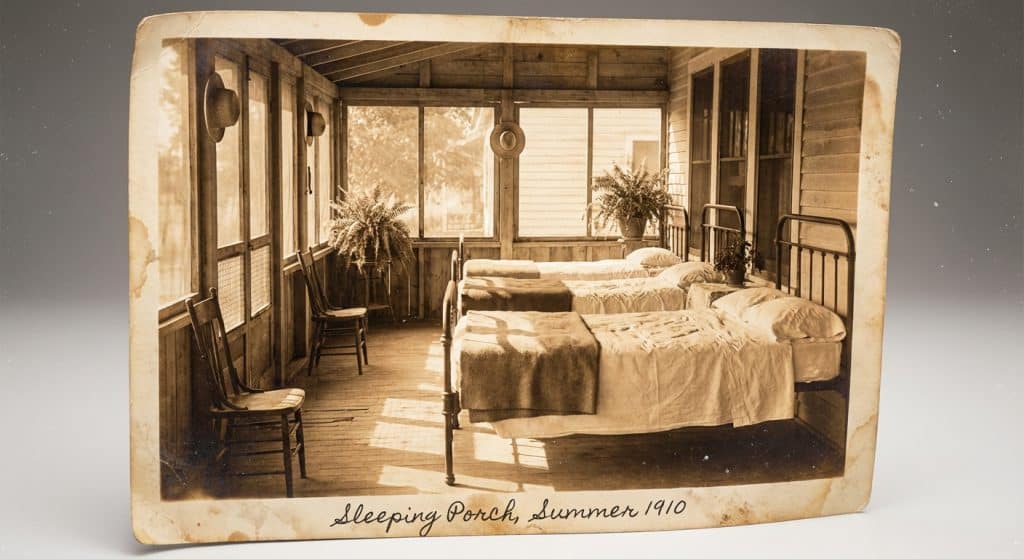
July in 1910 was brutal.
Without air conditioning, indoor bedrooms became ovens. The only relief was outside.
The Sleeping Porch was a screened-in balcony, usually on the second floor.
Families would move their beds out here for the summer to catch the night breeze.
It was also prescribed by doctors as a “cure” for respiratory issues like tuberculosis.
Today, we just crank the AC thermostat down to 68 degrees.
4. The Dumbwaiter
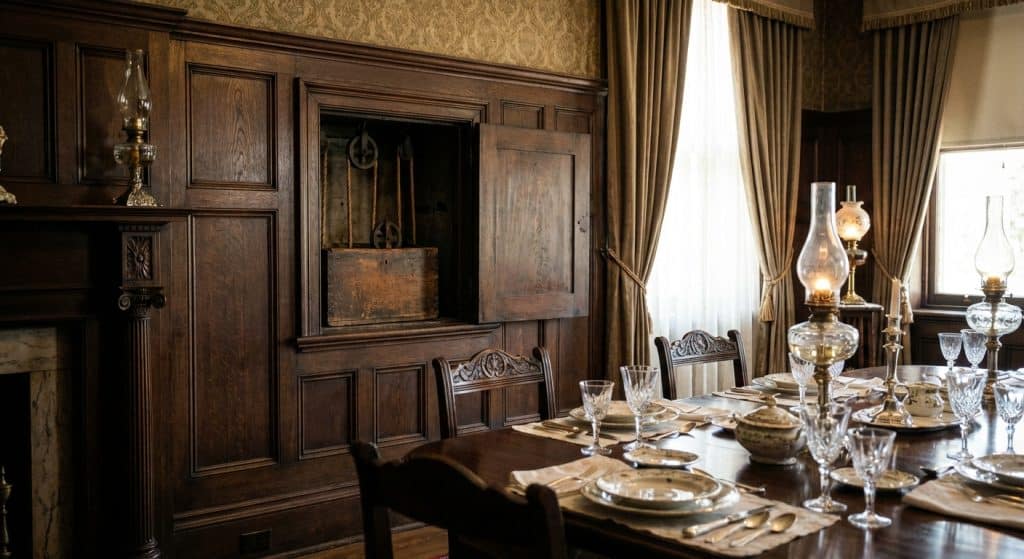
Kitchens used to be banished to the basement.
It kept the heat and the smells away from the dignified dining room upstairs.
But how do you get a hot turkey from the basement to the first floor?
You use a Dumbwaiter.
It was a mini freight elevator operated by ropes and pulleys.
The door was often disguised as high-end cabinetry or wainscoting in the dining room.
It was a marvel of mechanical woodworking.
We stopped using them when the kitchen became the social hub of the house (and because kids kept climbing inside them).
5. The Summer Kitchen
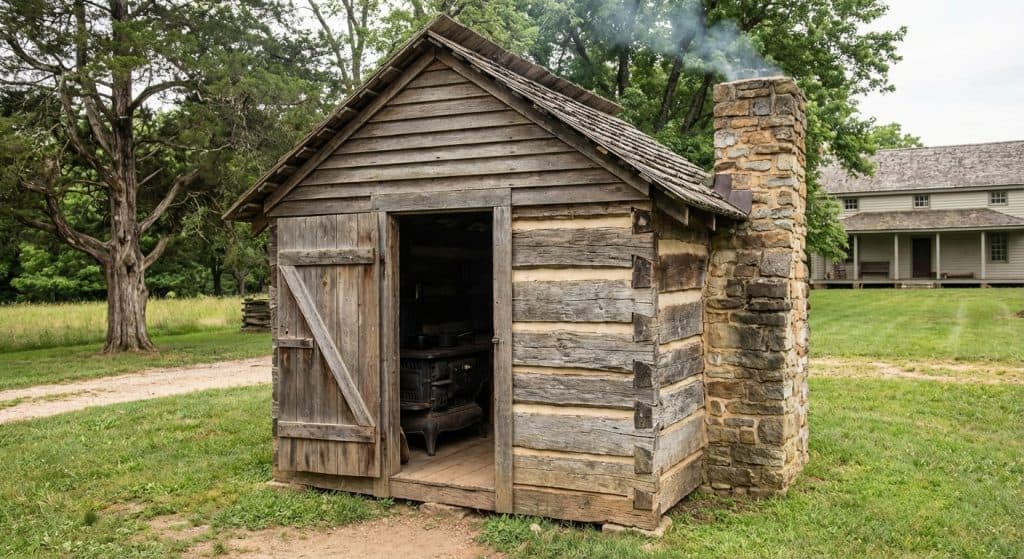
If you think your kitchen gets hot when you bake cookies, imagine a wood-burning stove running at 400 degrees in August.
In the 1800s, cooking inside the main house during summer was torture.
The Summer Kitchen was a small, separate building or semi-detached wing used only for cooking in the hot months.
It kept the main house cool and reduced the risk of fire.
These structures often preserved older, rustic timber-framing techniques even when the main house was updated.
Gas stoves and electricity made them obsolete.
6. The Root Cellar
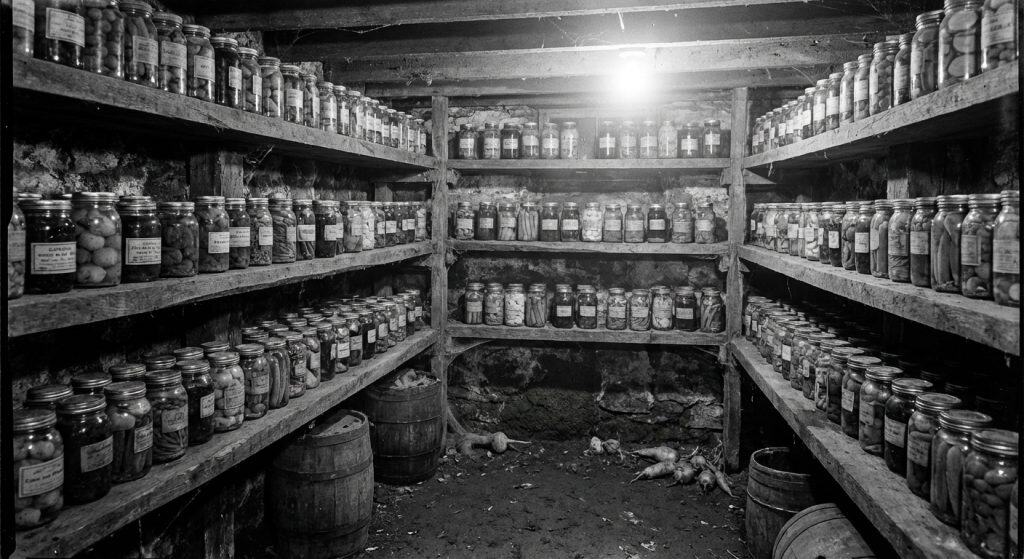
This was the original refrigerator.
Before Frigidaire, you needed a place to keep potatoes, turnips, and canned preserves from spoiling.
A Root Cellar is an insulated, unheated room dug into the earth.
The consistent temperature of the ground kept food from freezing in winter and spoiling in summer.
The woodworking here was rough and heavy—massive shelving built to hold hundreds of pounds of glass jars.
It wasn’t pretty, but it was survival.
7. The Warming Kitchen (Butler’s Pantry)
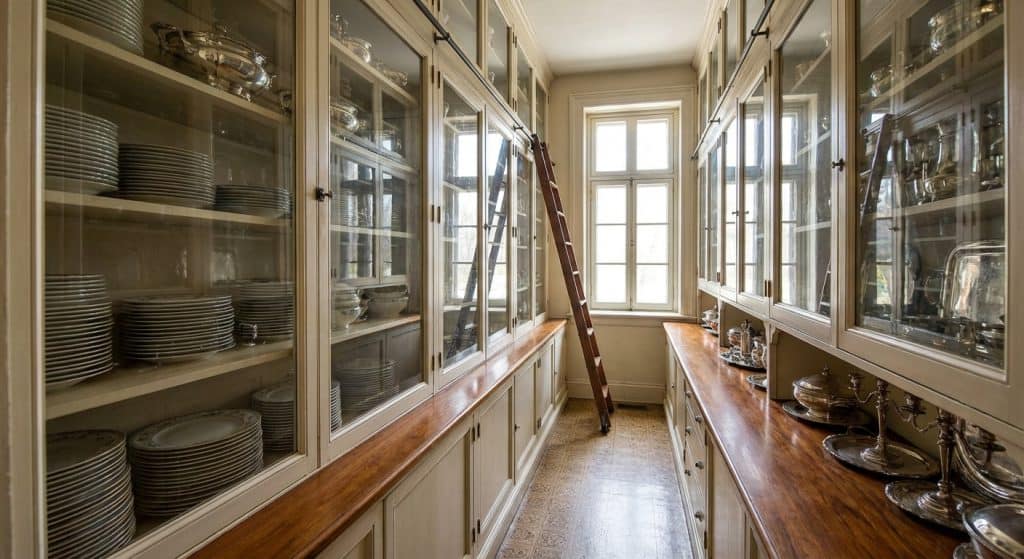
In high-end historic homes, you never saw the dirty dishes.
The Warming Kitchen (or Butler’s Pantry) was the buffer zone between the chaos of the kitchen and the calm of the dining room.
It was where food was plated and fine china was stored.
It often features the “Holy Grail” of cabinetry: glass-front doors, long wooden countertops, and intricate rolling ladders.
Today, we want the chef to be part of the party, so we knocked down the walls.
8. The Coal Room
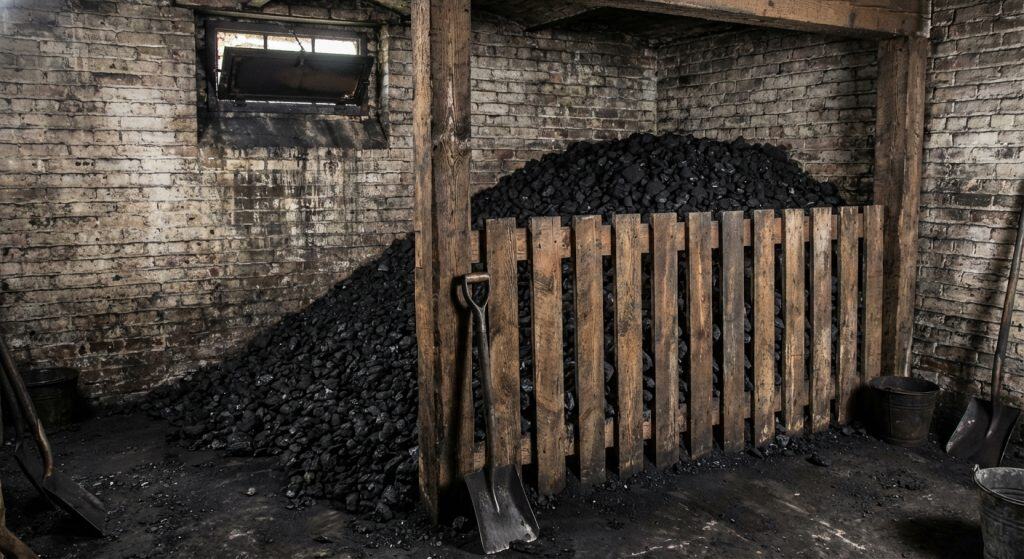
This is the room in the basement that nightmares are made of.
Before gas or electric heat, homes were heated by coal furnaces.
Trucks would pull up to the street and shovel coal directly through a small iron chute window into this room.
The room was built with heavy, rough-sawn “Bin Boards” to hold the mountain of black dust back.
It was dirty, dark, and essential.
When we switched to oil and gas, these rooms became strange, blackened storage closets.
9. The Trunk Room
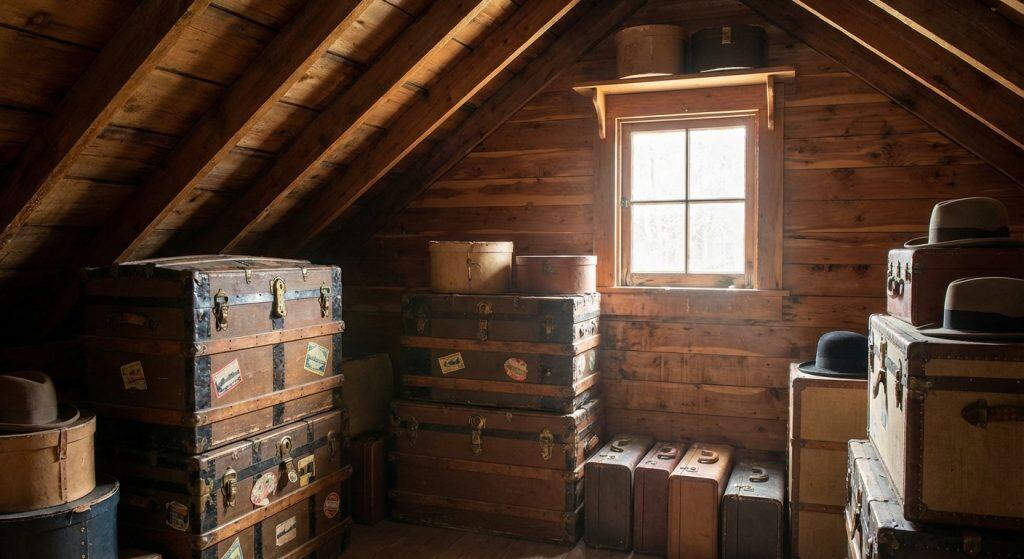
Travel used to require muscle.
Before carry-on suitcases, people traveled with massive steamer trunks.
When you weren’t traveling, these bulky items needed a home.
The Trunk Room (or Box Room) was a designated space, usually in the attic, specifically for luggage.
They were often lined with cedar to prevent moths from eating the wool clothes stored inside.
Now that we travel light, these have mostly been converted into home offices or bathrooms.
10. The Drawing Room
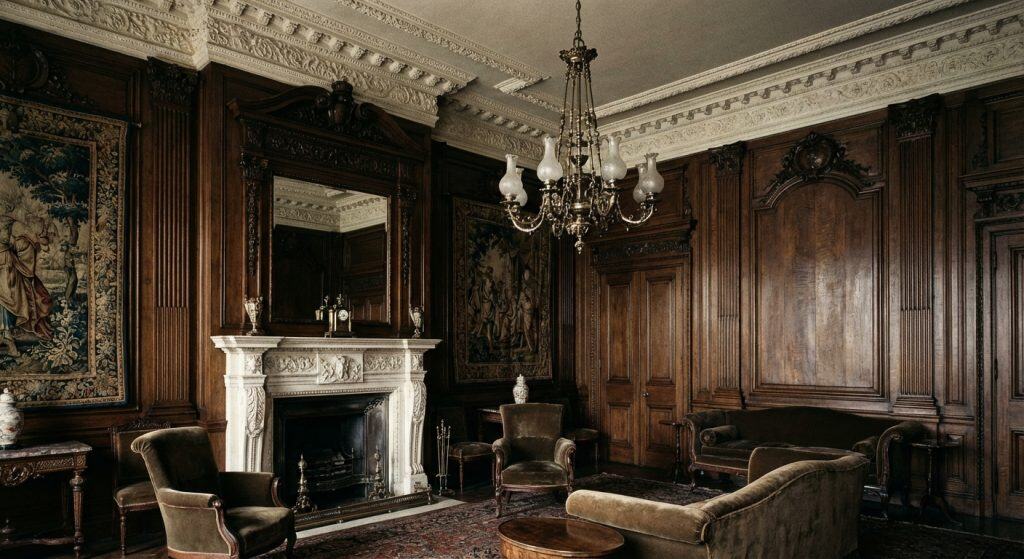
This is not a room for drawing pictures.
The name is short for “Withdrawing Room.”
After a formal dinner, the men would stay in the dining room for cigars, and the women would “withdraw” to this room.
It was the most formal space in the house.
It usually featured the most expensive millwork—intricate crown molding, parquet floors, and carved fireplace mantels.
The television killed the Drawing Room. We traded formality for comfort.
11. The Vestibule (The Airlock)
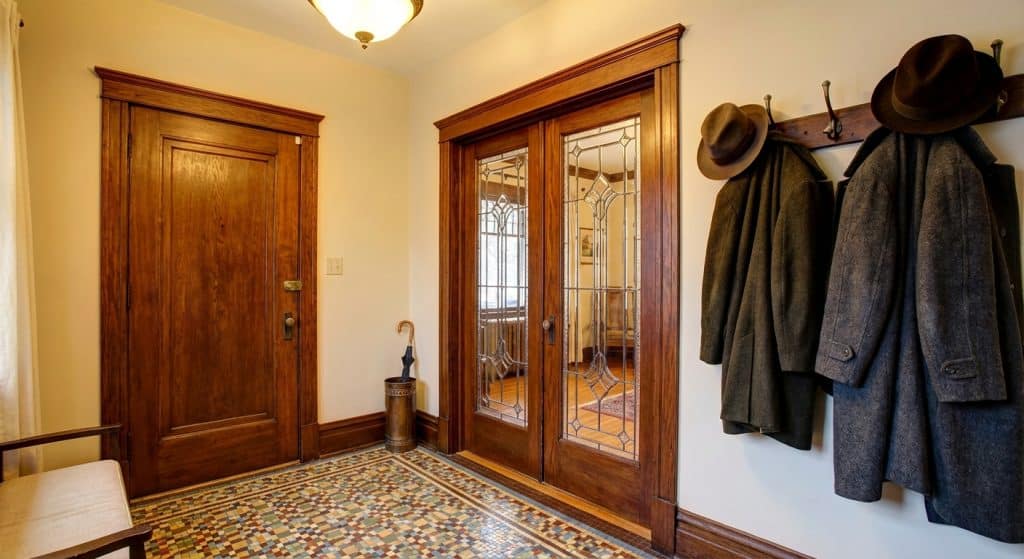
Open the front door of a modern house, and you are standing in the living room.
In a historic home, you stepped into a Vestibule.
It was a tiny room between the outside door and the inside door.
It acted as an airlock. You came in, closed the outer door, and then opened the inner door.
This stopped the freezing wind from blasting the whole house.
It was often tiled and featured beautiful glass-paneled doors to let light through while keeping the cold out.
12. The Keeping Room
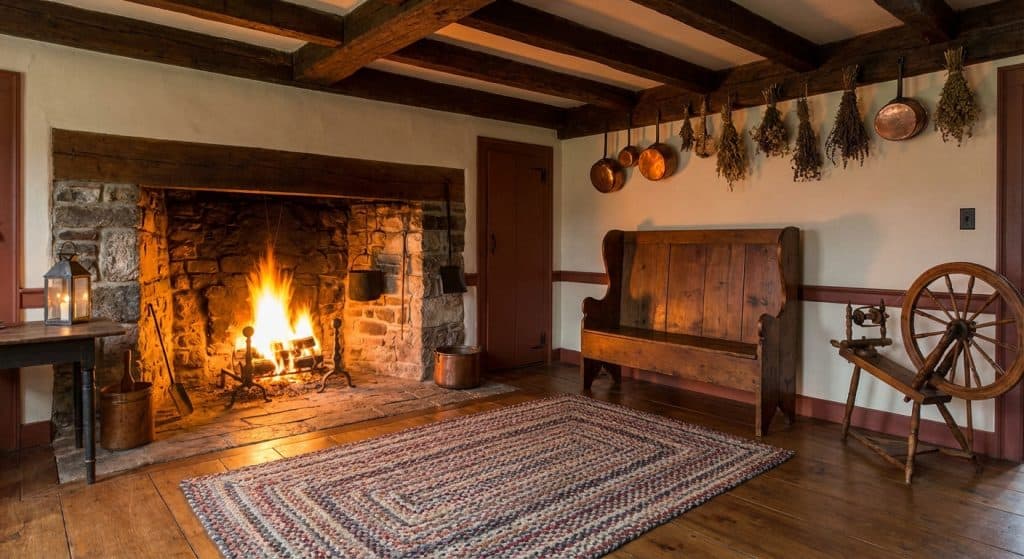
Before central heating, the warmest place in the house was the kitchen hearth.
The Keeping Room was a small lounge area directly attached to the kitchen.
It was where the family actually lived during the winter, sleeping and eating near the fire to stay warm.
While the parlor was for guests, the Keeping Room was for family.
It was the great-great-grandfather of the modern “Family Room.”
13. The Morning Room
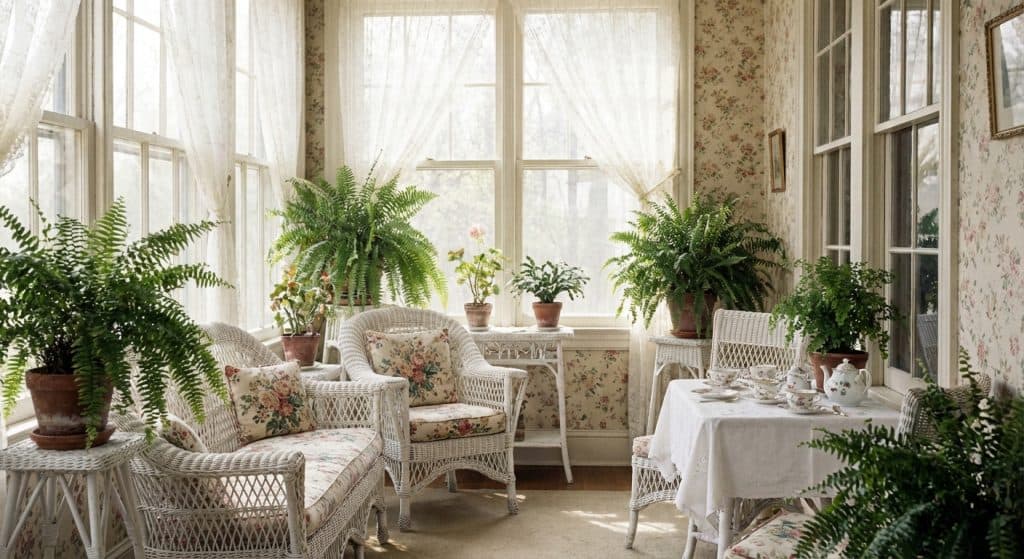
Victorian houses were positioned to chase the sun.
The Morning Room was a small sitting room with large windows facing east.
It was designed specifically for breakfast and sewing in the morning light.
It was usually lighter, airier, and less formal than the dining room.
Today, we just eat a bagel over the sink.
14. The Billiard Room
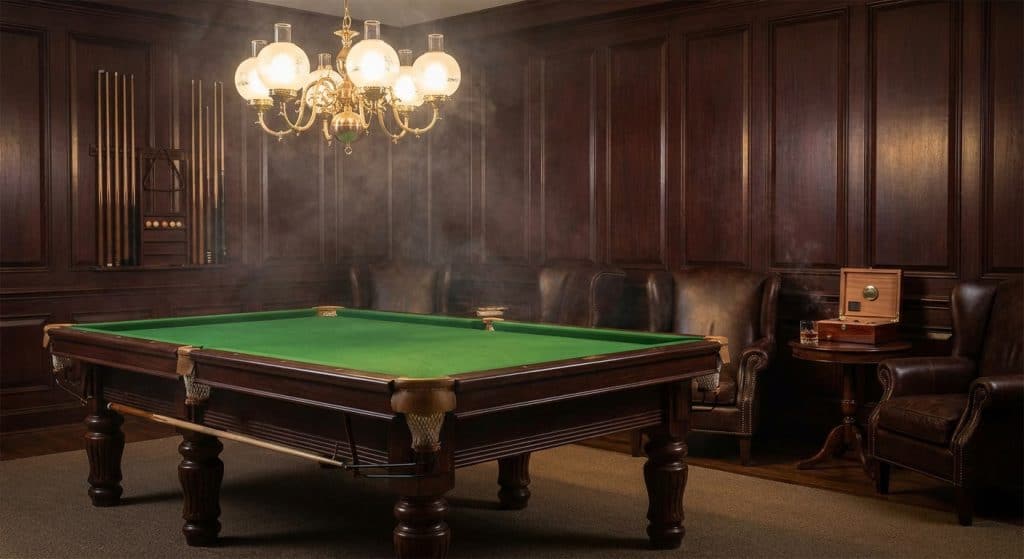
In the late 19th century, men wanted a place to smoke and gamble without offending the ladies.
The Billiard Room was the ultimate “Man Cave.”
It was usually soundproofed with heavy doors and thick cork flooring to dampen the sound of clicking pool balls.
The walls were often paneled in dark oak or mahogany to absorb the smoke.
It was a sanctuary of silence and strategy.
15. The Conservatory (Solarium)
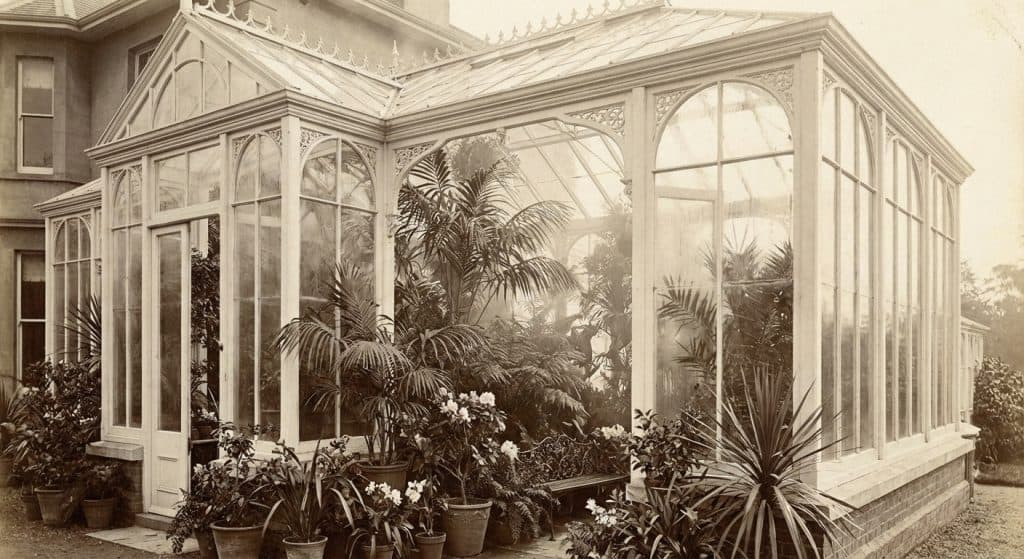
Wealthy homeowners wanted to show off their exotic plants year-round.
The Conservatory was a glass-enclosed room attached to the house.
It was a nightmare to build.
The wooden framing had to be delicate enough to look good, but strong enough to hold heavy glass panes.
Worse, the high humidity required to keep the plants alive often rotted the wood framing from the inside out.
Double-paned windows and modern materials make these easier today, but the original wooden ones were true works of art.
Conclusion
We don’t build rooms like this anymore.
Our lives are efficient. Our technology is better.
But we lost a little bit of mystery along the way.
If you buy an old house and find a weird nook in the hallway or a scary room in the basement, don’t destroy it.
Don’t drywall over the dumbwaiter.
Turn the telephone nook into a charging station. Turn the pantry into a bar.
Keep the history alive.