

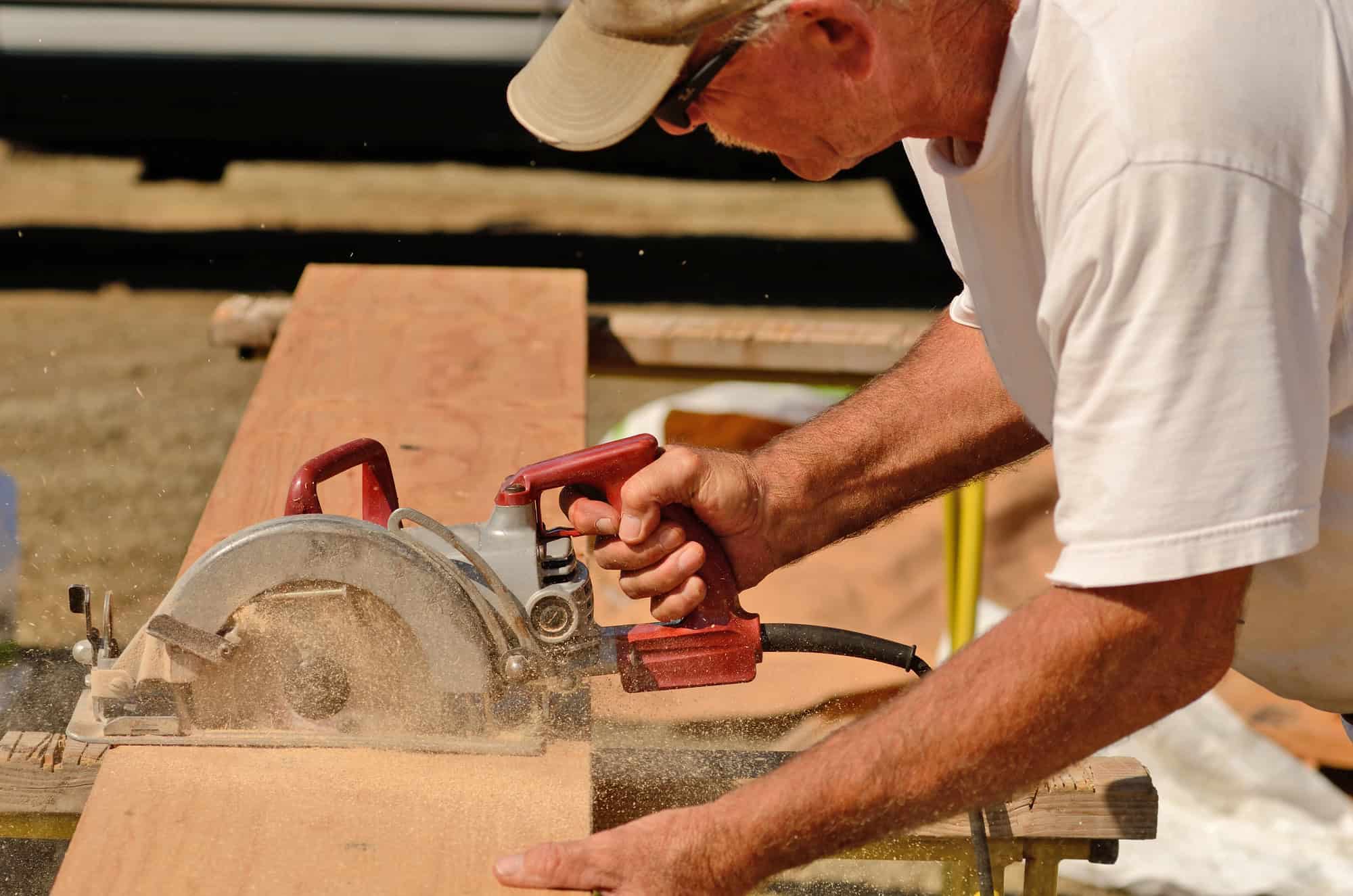
Choosing the right circular saw can make a significant difference in your woodworking projects and construction tasks.
Two main types dominate the market: worm drive saws and direct drive circular saws, each offering unique advantages that cater to different needs and preferences.
Understanding the distinctions between these two saw types will help you make an informed decision based on your specific requirements.
Whether you’re a professional contractor tackling heavy-duty projects or a weekend DIY enthusiast working on home improvements, knowing which saw suits your work style and project demands can enhance both your efficiency and results.
Choosing Between Worm Drive and Direct Drive Circular Saws
Your project requirements and personal preferences determine which saw works best for you.
Consider your strength level and dominant hand when making this decision.
Key factors to consider:
- Power needs – Heavy-duty cuts versus lightweight tasks
- Physical capability – Can you handle heavier equipment comfortably
- Hand preference – Right-handed users benefit from left-side blade positioning
- Experience level – Beginners often prefer lighter, more maneuverable options
- Budget constraints – Direct drive models typically cost less
Your specific cutting applications matter most when selecting the right tool.
Benefits of Worm Drive Circular Saws
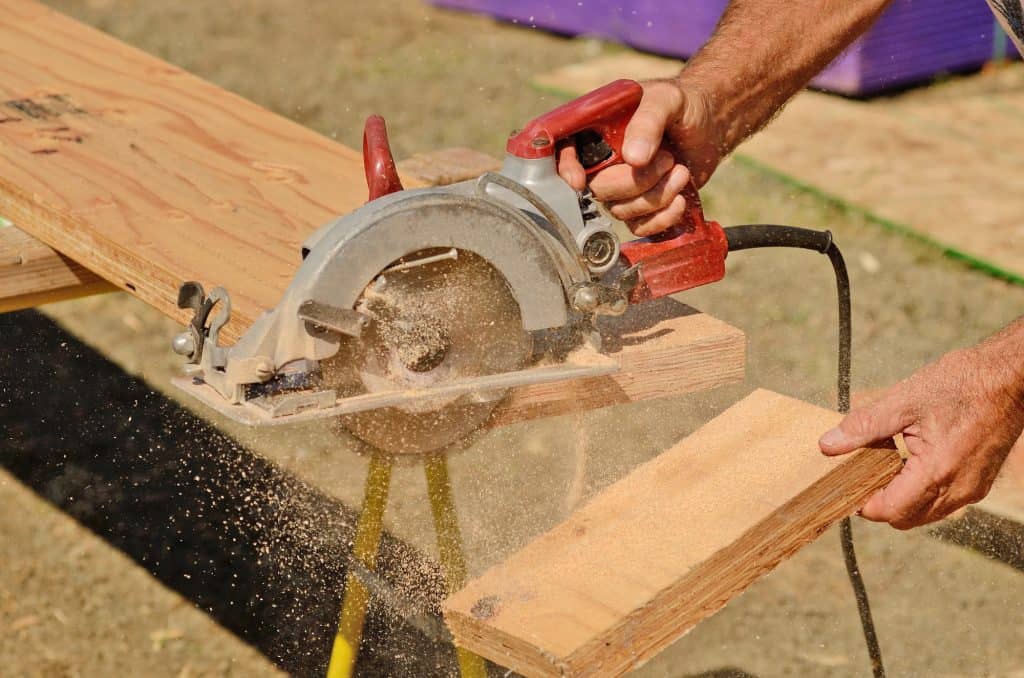
You’ll find worm drive saws offer several practical advantages for your cutting projects. The motor design creates a slender profile that helps you maneuver into tight spaces where bulkier saws won’t fit.
Enhanced Reach and Control
The extended distance between your grip and the blade gives you better reach when making cuts. This design proves especially useful when you’re working with large sheet materials or need to make crosscuts across wide boards.
Superior Cutting Power
These saws deliver exceptional torque through their gear system. The larger gear teeth handle heavy loads more effectively than standard circular saws, making them ideal for demanding cuts through thick or dense materials.
Key Advantages:
- Narrow profile for confined workspace access
- Extended reach capability for larger materials
- Higher torque output for tough cutting tasks
- Robust gear system handles heavy-duty applications
While these benefits come with added weight, the enhanced power and versatility make worm drive saws valuable tools for many cutting applications.
Benefits of Direct Drive Circular Saws
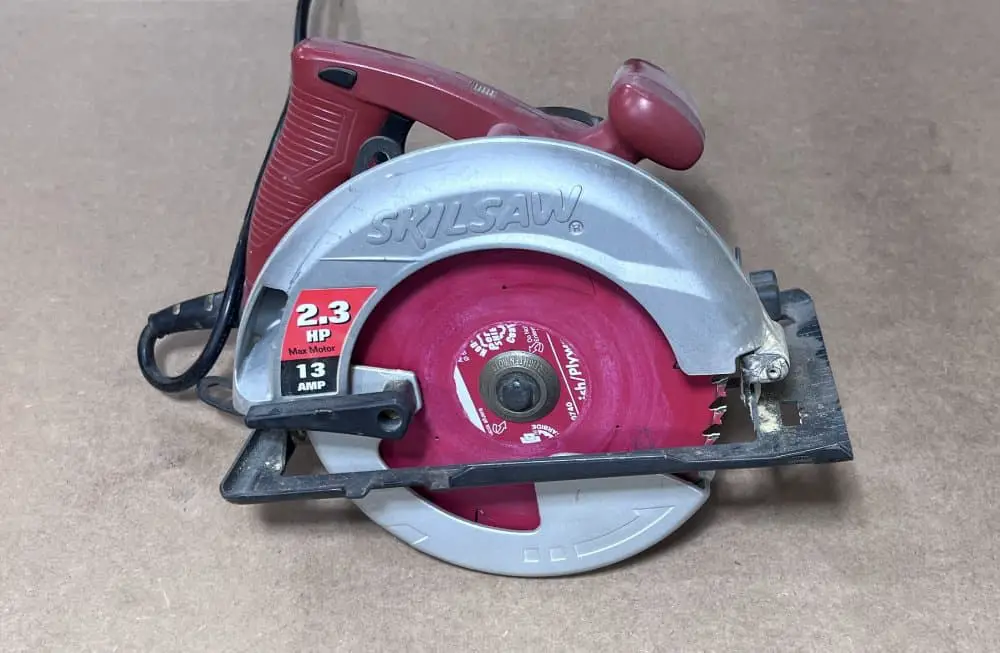
Direct drive saws offer several practical advantages that make them appealing for many users.
Lightweight design stands out as a key benefit, with these tools typically weighing 9-10 pounds, reducing fatigue during extended use.
The compact length makes them easier to maneuver in tight spaces. You’ll find the motor placement beside the blade creates better balance and control, especially beneficial if you’re newer to power tools.
Cost-effectiveness represents another advantage, with professional-grade models available between $125-150. This makes them accessible for budget-conscious users.
Their design excels for repetitive cutting tasks where reduced weight becomes crucial. The shorter profile allows better handling when making numerous cuts throughout your project.
Right-Handed vs. Left-Handed Circular Saws
Your dominant hand doesn’t limit you to a specific saw type, but blade placement affects visibility during cuts.
Worm drive saws position their blades on the left side, giving right-handed users a clearer view of cut lines.
Direct drive models feature right-side blade placement, making it easier for left-handed operators to track their cutting path.
Consider your natural grip and stance when selecting between these configurations for optimal comfort and precision.
Final Thoughts on Worm Drive vs Direct Drive Circular Saws
The most crucial factor when picking between these two saw types comes down to personal comfort and how the tool feels in your hands.
Key considerations:
| Factor | Worm Drive | Direct Drive |
|---|---|---|
| Weight | Heavier (3-5 lbs more) | Lighter, less fatigue |
| Power | Higher torque output | Higher RPM speed |
| Price | More expensive | Budget-friendly |
| Durability | Built for heavy-duty use | Good for general tasks |
Your safety and confidence while operating the tool matter more than technical specifications on paper.
The best saw is the one that feels balanced and secure in your grip during actual use.
Current Best Selling Circular Saws on Amazon
Common Questions About These Saw Types
What’s the Difference in Power and Cutting Speed Between These Two Designs?
Worm drive models deliver significantly higher torque output, making them excellent for cutting through dense materials. However, they operate at lower blade speeds compared to their direct drive counterparts.
Direct drive saws spin their blades much faster, typically achieving higher RPMs. This makes them better suited for quick, clean cuts in lighter materials where speed matters more than raw cutting force.
Power Comparison:
- Worm Drive: High torque, lower RPM
- Direct Drive: Lower torque, high RPM
- Material Impact: Dense woods favor torque, thin materials benefit from speed
Which Projects Work Best with Worm Drive Circular Saws?
You’ll find worm drive saws excel in demanding construction tasks. Professional framers often prefer them for cutting through multiple 2x lumber pieces simultaneously.
These saws handle thick beams, dense hardwoods, and repetitive heavy-duty cuts effectively. Their extra torque helps prevent blade binding when working with challenging materials.
Ideal Applications:
- Framing and structural work
- Cutting thick dimensional lumber
- Working with hardwood materials
- Professional construction projects
How Do Upkeep Requirements Differ Between Drive Systems?
Worm drive mechanisms require more frequent maintenance due to their gear oil system. You’ll need to check and replace the gear oil periodically to keep the gears properly lubricated.
Direct drive systems have fewer moving parts and typically need less specialized maintenance. Basic cleaning and blade care usually suffice for most users.
Maintenance Tasks:
- Worm Drive: Gear oil changes, gear inspection, housing cleaning
- Direct Drive: Standard cleaning, brush replacement, bearing checks
Which Design Works Better for New Users and Home Projects?
Direct drive saws are generally more beginner-friendly due to their lighter weight and easier handling. The compact motor placement provides better balance for inexperienced users.
Their lower cost and simpler maintenance make them attractive for occasional use. Most DIY projects don’t require the extra torque that worm drive models provide.
Beginner Considerations:
- Weight and maneuverability
- Learning curve difficulty
- Budget constraints
- Project frequency and intensity
Do Both Types Come in Left and Right-Handed Configurations?
Both drive systems are available in configurations suited for different hand preferences. However, the motor placement affects the natural blade position differently in each design.
Worm drive saws traditionally place the blade on the left side, which many right-handed users find provides better cut line visibility. Direct drive models commonly position the blade on the right side.
You can find either configuration in both drive types, though availability may vary by manufacturer and specific model.
Last update on 2026-07-27 / Affiliate links / Images from Amazon Product Advertising API