

Remember walking into Grandma’s house?
That distinct smell. The heaviness of the air. The scent that hit you the moment you opened the front door.
It wasn’t just “old house smell.” It was a mixture of life, work, and materials that simply don’t exist anymore.
Your ancestors’ homes were built from the earth and fueled by fire. They were filled with scents that told a story of survival. The sweetness of heating oil. The sharp tang of pine resin. The comfort of wood smoke.
Now, our homes smell like “Clean Linen” candles and drywall. We’ve sanitized our history away.
Here are the 22 scents that vanished—and why they mattered.
1. The Oil Beast

Deep in the basement, a monster lived.
The 275-gallon steel tank.
It breathed. It rumbled. And it smelled of No. 2 heating oil. A heavy, industrial sweetness that drifted up through the floorboards.
It was the smell of winter survival. That oil tank meant the house was alive.
It meant the furnace was fighting the cold. You fell asleep to that faint, fuel-heavy scent, knowing you were safe.
2. Old Growth Resin
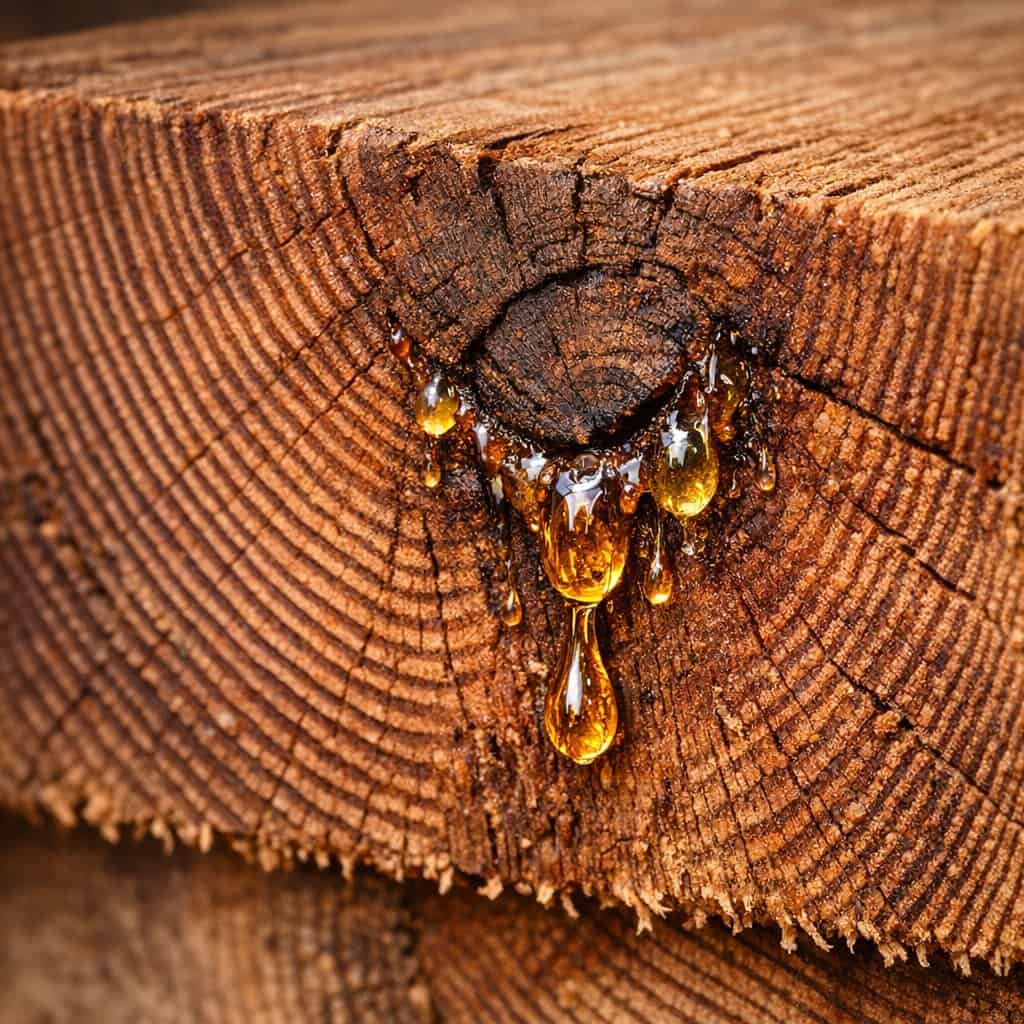
Modern lumber is farmed quickly. It’s wet. It’s bland.
Your grandparents’ walls were built with Old Growth fir. Trees that had stood for hundreds of years.
The wood was saturated with pitch.
Even fifty years later, on a hot July day, the walls would bleed. A sharp, crisp scent of turpentine and pine forest would fill the room.
The house smelled like a forest because it was built from one.
3. Coal Dust

Before the oil tank, there was the coal bin.
Anthracite. Hard, black, and messy.
Even after the furnace was converted, the ghost of the coal remained. The dust soaked into the wooden joists. It settled into the concrete.
It left a metallic, earthy tang in the air. The smell of the Carbon Age.
It was the scent of hard labor and shoveling ash.
4. Linseed Oil

They didn’t use plastic polyurethane. They used chemistry.
Boiled linseed oil.
It didn’t just sit on top of the wood; it soaked in. It oxidized. That distinct, nutty, “library” smell you remember?
That was the scent of linseed oil protecting the banisters.
It was a rich, golden smell. The smell of preservation.
5. Stale Pipe Smoke

Smoking wasn’t a secret. It was a haze.
But it wasn’t the sharp stink of cigarettes. It was pipe tobacco. Cherry. Vanilla. A heavy, sweet smoke that clung to the velvet drapes and the wool rugs.
It added a layer of warmth to the living room. It was the smell of Grandpa’s chair. The smell of quiet contemplation.
6. Horsehair Plaster
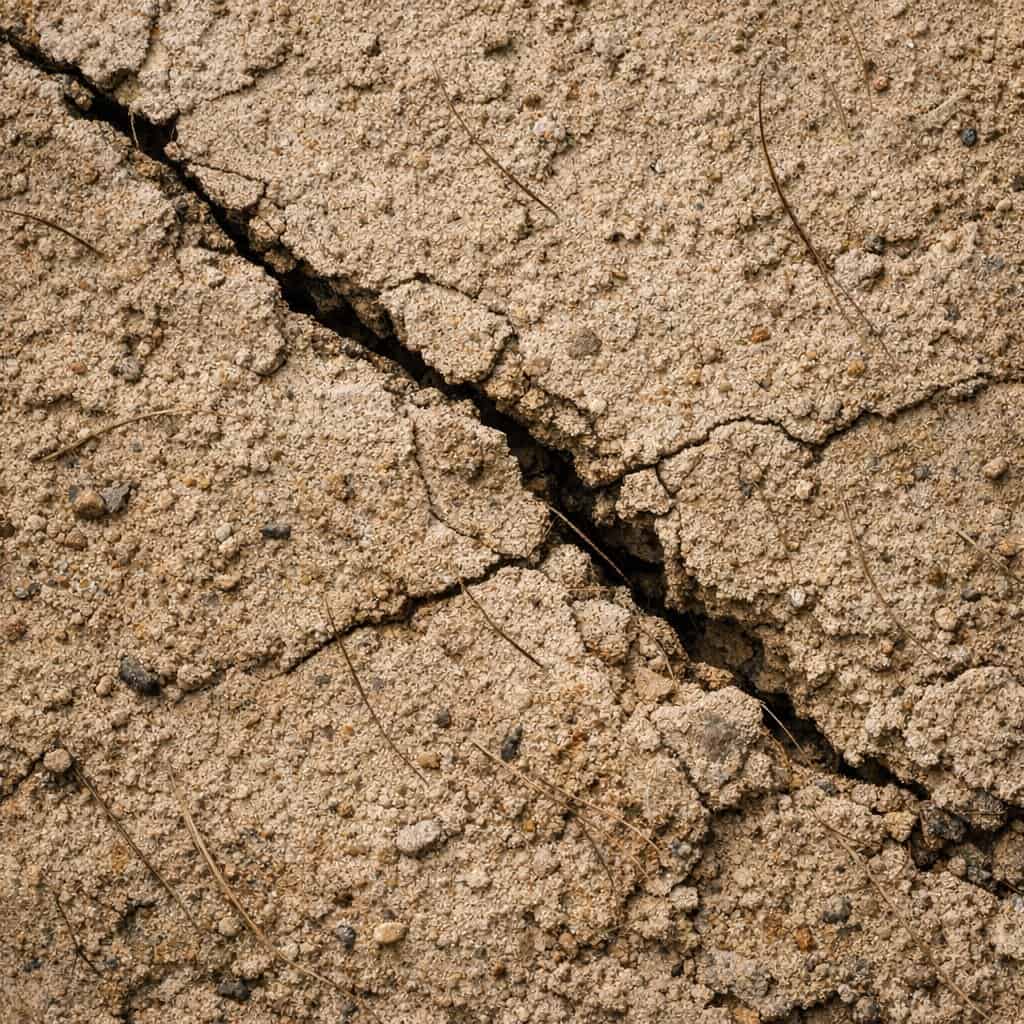
Modern walls are paper and chalk. They have no soul.
Old walls were mud and animal hair.
Plaster breathes. It absorbs moisture and releases it back into the room. It created a “dusty,” earthen scent. Like dried clay.
It made the air feel heavy and grounded. You were surrounded by earth, not plastic.
7. Cast Iron Radiators

When the steam kicked on, the radiator sang.
Clank. Hiss.
But first, there was the smell. “Hot dust.” The radiator cooked the dust that had settled in the iron fins for decades.
It was a dry, metallic toastiness. It signaled that heat was coming. It was the most comforting smell in the world on a snowy morning.
8. Paste Wax

Floors weren’t mopped with neon chemicals. They were buffed.
Tins of Johnson’s Paste Wax. Beeswax and Carnauba.
It had a sharp, solvent smell that cleared your sinuses, followed by a honey-like finish. It was the smell of Saturday chores.
The smell of pride in a shining floor.
9. Cedar Closets
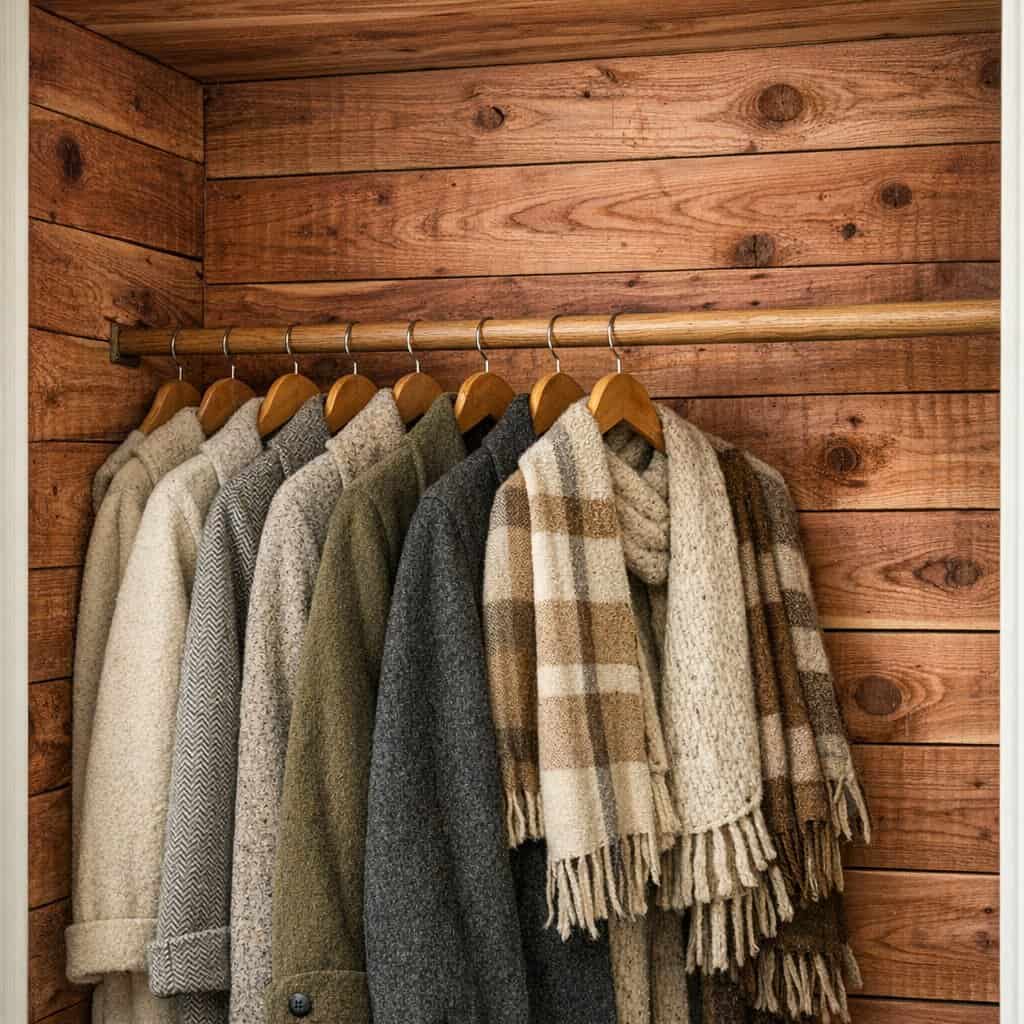
Moths were the enemy.
The solution wasn’t a chemical spray. It was wood.
The cedar closet. Lined with raw, red planks. You opened the door and got a blast of natural wood oils. Spicy. Sharp.
It protected the wool coats. It protected the Sunday best. It was nature’s defense system.
10. The Percolator

Coffee wasn’t made in seconds. It was boiled.
The metal percolator sat on the stove.
Bubble. Bubble.
It brewed until the coffee was black sludge.The smell of slightly burnt, acidic coffee grounds was the permanent perfume of the kitchen.
It was bitter. It was strong. It was the fuel of the Greatest Generation.
11. Wet Wool

There was no Gore-Tex. No nylon.
Winter meant wool. Heavy, scratchy, damp wool.
When you came inside from sledding, you hung your coat by the radiator.
The smell of steaming animal fibers filled the entryway.
It was the smell of coming home.
12. Kerosene Lamps

Even with electricity, the lamps stayed.
For emergencies. For the storm.
The unburned fuel had a distinct, oily pungency. It settled low in the room.
It was a primitive smell. A reminder that light wasn’t guaranteed.
13. The Root Cellar

Deep in the dark. Usually a dirt floor.
Bushels of potatoes. Onions. Carrots.
The smell was damp, cool soil and slowly aging vegetables.
It wasn’t rot. It was storage. It was the smell of food that had to last until April.
14. Turpentine

The universal solvent.
It thinned paint. It cleaned brushes. It polished furniture.
A sharp, pine-derived spirit that cut right through your nose.
It smelled like a workshop. It smelled like getting things done.
15. Baking Yeast

Bread wasn’t bought in plastic bags. It was proofed on the counter.
The smell of active yeast. Fermenting dough.
It was a weekly occurrence. A living smell. It meant the kitchen was working.
16. Mothballs (Camphor)
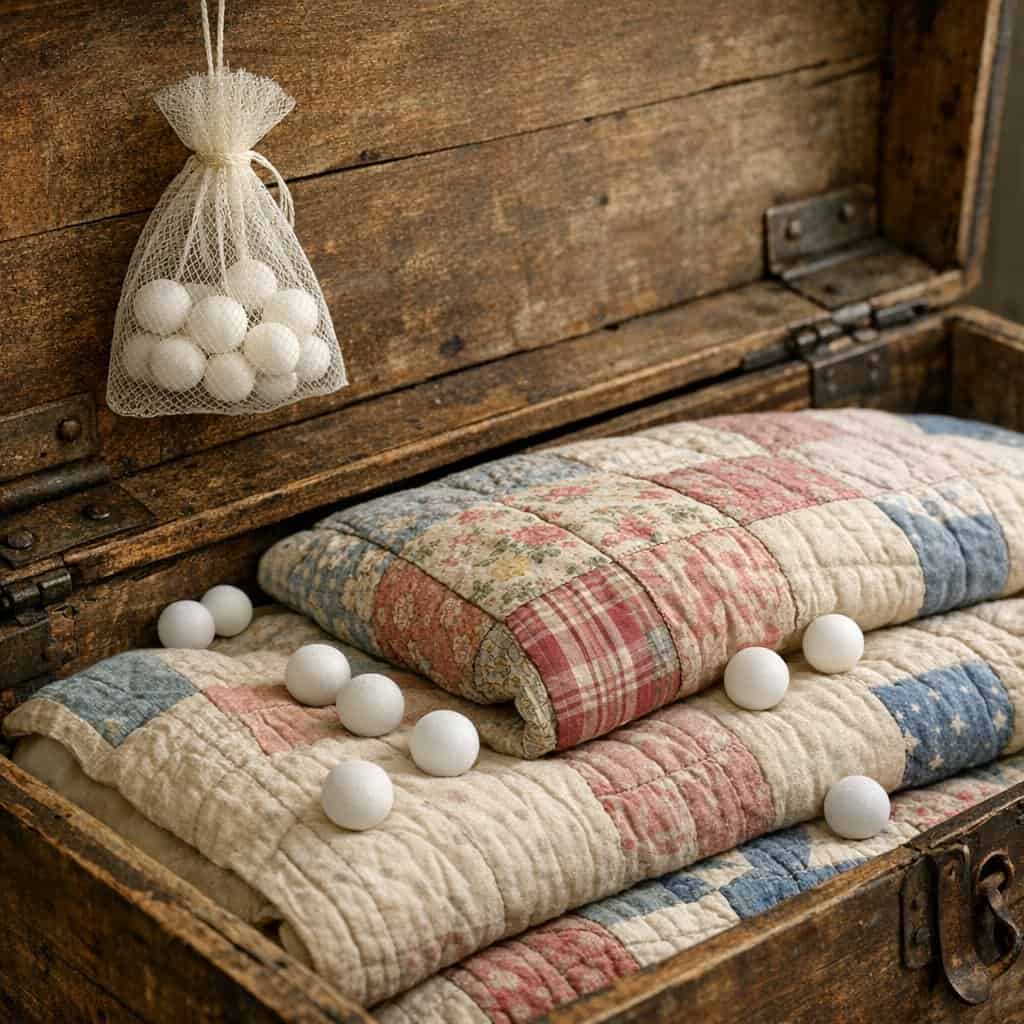
In the attic. In the chests.
The stinging scent of camphor.
It was chemical, yes. But it was the smell of safety.
It meant the quilts were safe. The wedding dress was safe. It was the smell of holding onto the past.
17. The First Fire

October.
The first time the furnace kicked on. Or the wood stove was lit.
It burned off the summer’s dust.
That singed, dry smell. It marked the end of the harvest and the start of the hunkering down.
18. Lignin (Old Books)

Paper comes from wood. Wood contains lignin.
Over decades, lignin breaks down. It releases vanillin.
That’s why a house full of old books smells like vanilla and almonds.
It’s the smell of stories decomposing, slowly, on the shelf.
19. Shellac

Before varnish, there was shellac. Made from the lac beetle.
It used alcohol as a solvent.
Old woodwork carried that faint, sweet, alcohol scent.
The smell of a finish that was applied by hand, layer by layer.
20. Cast Iron Grease

The skillet was never washed with soap.
It was seasoned.
Years of bacon fat. Seared meat. It created a layer of polymerized oil that gave the kitchen a heavy, savory undertone.
The pan remembered every meal it ever cooked.
21. Ozone
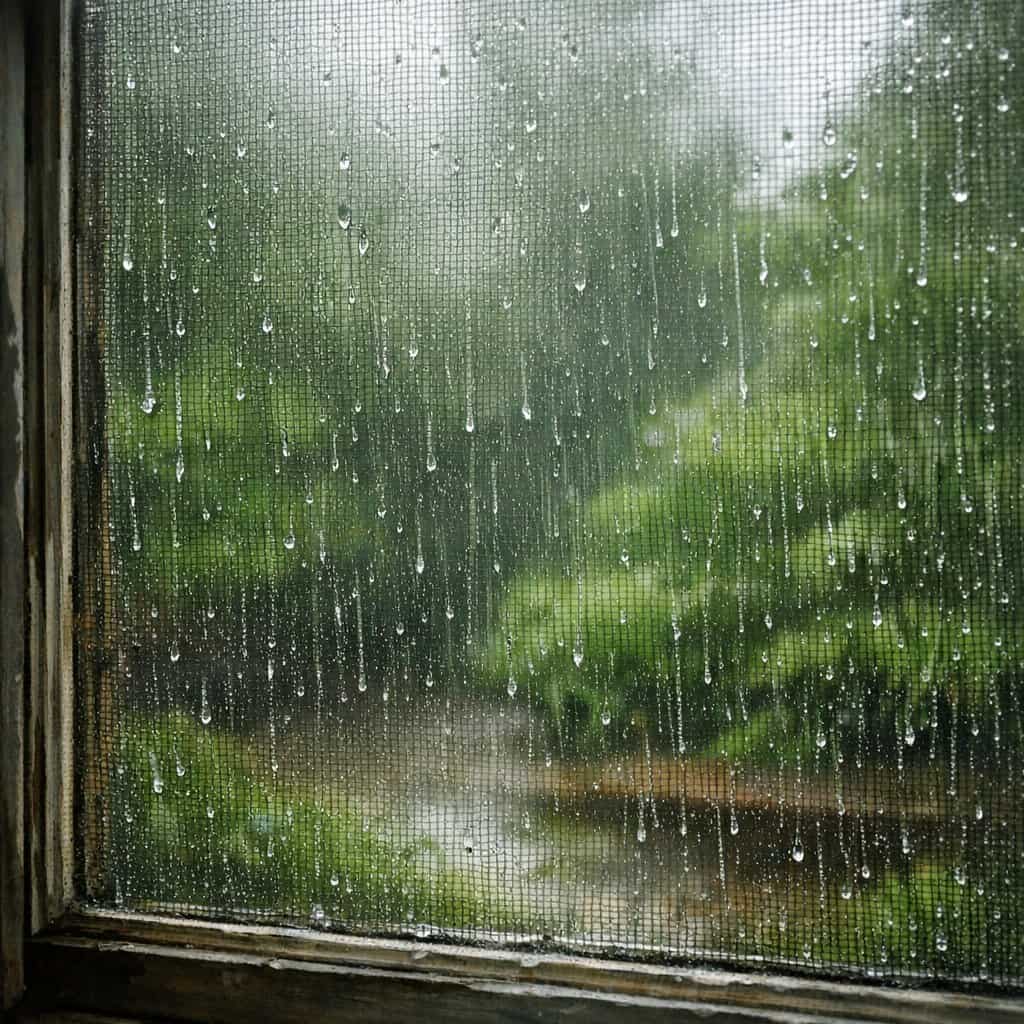
Before AC, the windows were open.
The smell of the thunderstorm. Wet pavement. Ozone.
It blew right through the screens. It mixed with the indoor smells.
It was the scent of a summer afternoon.
22. Creosote

The chimney.
Condensed wood tar.
Even in July, a faint, acrid, smoky scent would drift down into the living room.
A reminder of the fires past. A reminder of the hearth.
The Scent of History
These smells weren’t grime. They weren’t dirt.
They were the scent of materials that were real. Wood. Stone. Oil. Wax.
Your grandparents’ house smelled like that because it was alive. It breathed. It worked.
We’ve scrubbed our modern homes until they have no scent at all. We’ve traded character for “Clean Linen.”
But close your eyes. You can still smell it.
The oil. The wood. The smoke.
It’s the smell of home.