
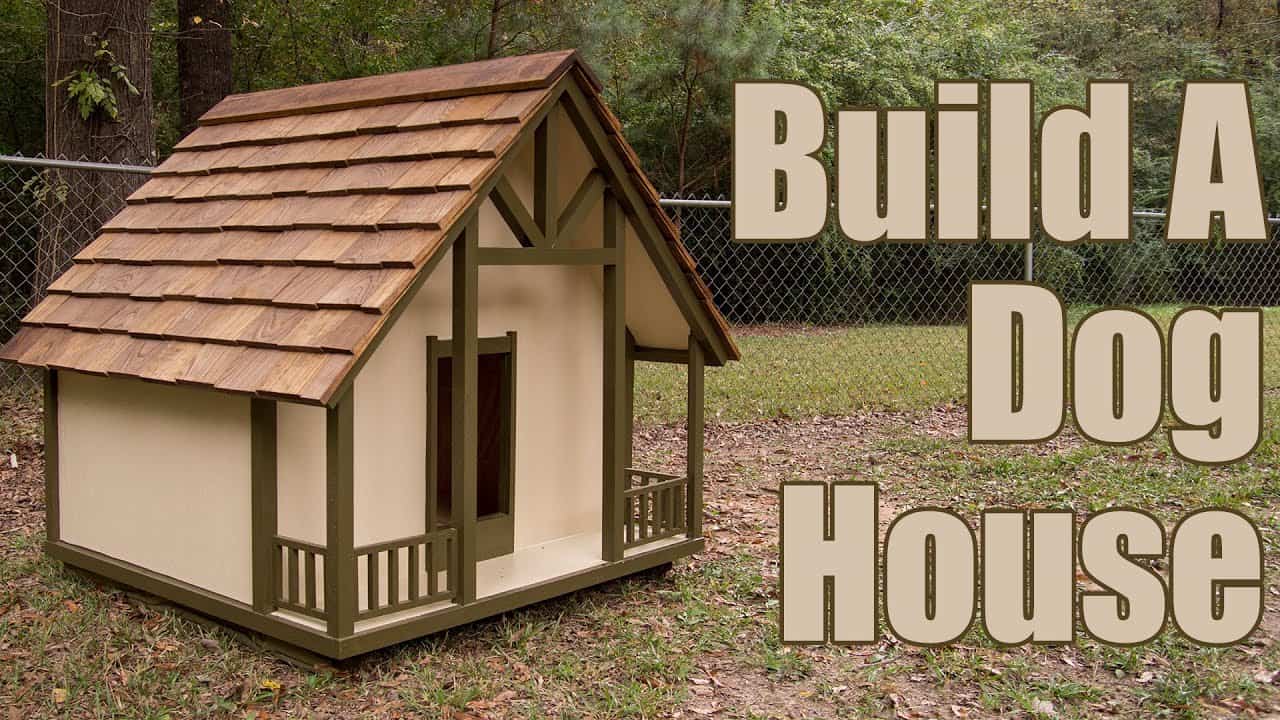
This project was built and designed by Jay Bates. It’s a thoughtful and sturdy dog house, crafted to provide a comfortable outdoor shelter for a furry companion while adding character to the yard.
Jay focuses on creating a design that balances durability, functionality, and aesthetic appeal. The end result is a project that any woodworker—whether beginner or experienced—can take on with pride.
Watch the full video and subscribe to Jay’s channel:
The Inspiration Behind the Build
The idea for this project started with a simple goal: build a cozy, reliable home for a dog that would look great in an outdoor space. Jay wanted the structure to be practical but also blend naturally with its surroundings.
By taking the time to plan a design that was both attractive and durable, he set the stage for a project that would deliver lasting value. A well-made dog house isn’t just a functional piece—it’s a personal touch for a beloved pet.
Planning and Material Preparation
Choosing the right materials is critical when building something meant to live outdoors. Jay selects durable hardwood for the structure, ensuring the dog house can stand up to rain, sun, and changing seasons.
In planning the build, Jay keeps the size and comfort of the future occupant in mind. A little extra room inside gives the dog space to move around, while thoughtful design features like a sloped roof add to the overall comfort and usability.
Constructing the Frame
With the design finalized and the materials prepped, construction begins with flattening and dimensioning the boards. Jay stresses that starting with square, true stock makes assembly smoother and results in a better finished product.
The walls are assembled first, forming a solid box that provides the main enclosure. Care is taken to ensure everything is square and sturdy, as this foundation supports the entire structure.
Building and Installing the Roof
The roof plays a major role in protecting the interior from the elements. Jay designs a sloped roof to help shed rain and snow efficiently, keeping the inside dry and cozy.
Roof panels are cut and attached carefully, with roofing material chosen to match the rustic look of the wood. Even small choices, like the pitch of the roof or the way the edges are trimmed, contribute to the final look and performance.
Sanding, Staining, and Weatherproofing
After assembly, the entire dog house is sanded to remove rough edges and prepare the surface for finishing. Sanding not only improves appearance but also helps finishes absorb evenly into the wood.
Jay applies a stain that enhances the natural grain and brings warmth to the appearance of the wood. To protect the roof even further, he uses spar urethane—a finish specifically designed for outdoor exposure—to add layers of water resistance and UV protection.
Some color variation appeared between the stained roof shingles and the ridge cap, a common issue when staining wood at different times. Jay notes that extra coats of finish can even out these slight differences if desired.
Customizing the Dog House
One of the best parts of a build like this is the opportunity for customization. Jay’s basic design leaves room for adding unique features, such as personalized paint colors, trim details, or even a nameplate above the entrance.
These small touches not only make the dog house more personal but also help it fit naturally into different backyard setups. Whether you prefer a rustic look or a more polished finish, the design is flexible enough to suit many styles.
A Durable, Practical Outdoor Shelter
The completed dog house is built to last, with weather-resistant finishes, sturdy joinery, and thoughtful design details. It offers a safe, dry space for a pet to enjoy the outdoors without being exposed to harsh weather.
Building a dog house like this is a project that rewards attention to detail. It’s a satisfying build that also makes a real difference for a furry friend who needs a comfortable retreat.
A Rewarding Build for Woodworkers
For anyone looking for a woodworking project that combines functional construction with opportunities for creativity, this dog house is an excellent choice. Jay’s approach shows how careful material selection and simple design choices can lead to a result that’s both useful and beautiful.
Seeing a dog happily settle into a house built by your own hands is a feeling that few projects can match. It’s a reminder that woodworking is not just about what you create—it’s about the joy and comfort you provide to others, pets included.
Please support Jay by purchasing his plans here: Jay’s Custom Creations.

Matt’s Take
These are my personal thoughts and tips based on my own experience in the shop. This section is not written, reviewed, or endorsed by the original creator of this project.
Building outdoor structures like dog houses is one of those projects where material choice really makes or breaks the long-term success. The hardwood selection here is smart — softwoods can work too, but they’ll need more frequent maintenance. Cedar is another great option that naturally resists rot and insects, though it can be pricier depending on your area.
That spar urethane finish is key for anything living outside year-round. Regular polyurethane just won’t cut it when you’re dealing with UV rays and moisture cycles. I always remind folks to pay extra attention to end grain — it soaks up water like crazy, so hitting those areas with multiple coats of finish can save you headaches down the road.
The sloped roof design is practical thinking. Flat roofs might look clean, but they’re asking for trouble with water pooling and eventual leaks. Even a modest pitch like this makes a huge difference in shedding rain and snow. And speaking of roofs — if you’re in an area with heavy weather, consider adding some ventilation near the peak. Dogs generate heat and moisture, and a little airflow helps keep things comfortable inside.
Color variation between stain batches is just part of working with wood. Pre-conditioner can help even things out on some species, but honestly, a little variation often adds character to outdoor projects like this.