


Walk through the front door of a house built in 1885 and the first thing you notice is the smell. Coal smoke soaked into the plaster. Linseed oil on the woodwork. A faint sweetness from the gas jets.
Then your eyes adjust to the dark.
These homes were built before electricity was common, before central heat, before anyone owned a single appliance. Every detail had a job. Every room had rules.
And almost none of it survives in the houses going up today.
Here are 23 things you’d find inside a late-1800s home — and why most of them vanished.
1. The Front Parlor Nobody Was Allowed In

Every middle-class home had two sitting rooms. One for living. One for show.
The front parlor stayed closed most days. The good furniture lived there, draped in cloth to keep the sun off the upholstery.
You opened it for guests, for courting couples, and for funerals — the body was laid out right there before the service.
That’s where the term “living room” came from. Funeral parlors took over the dead, and the family reclaimed the room for the living.
2. Gas Light Fixtures on the Walls

Flip a switch in an 1890 home and nothing happens. There was no switch.
Gas lines ran through the walls to fixtures called sconces and chandeliers. You lit each jet with a match and adjusted a little key to control the flame.
The light was dim, yellow, and flickering. It also ate oxygen and left a greasy soot film on the ceiling.
Look up in an old home and you’ll sometimes spot capped gas pipes still poking through the plaster.
3. The Coal Furnace in the Cellar

Heat came from one enormous iron furnace in the basement, fed by hand.
Someone shoveled coal into it morning and night. Warm air rose through giant floor grates by gravity alone — no fans, no ductwork like today.
The rooms closest to the chimney stayed warm. The back bedrooms froze.
That’s why old houses have those big ornate metal registers in the floor. They weren’t decoration. They were the only heat upstairs.
4. A Coal Chute and Coal Room

The delivery man backed a wagon up to the house and poured coal down a small iron door near the foundation.
It landed in a dedicated coal room next to the furnace. A family burned several tons every winter.
The dust got into everything. It coated the walls, the curtains, the lungs.
Check the basement of any pre-1920 home. That little cast-iron door at sidewalk level is the coal chute.
5. The Summer Kitchen

Cooking on a wood or coal stove turned the kitchen into an oven by July.
So bigger houses had a second kitchen — often a separate room or attached shed out back — used only in hot months.
The family cooked, canned, and did laundry out there to keep the main house cool.
Come October, everyone moved back inside, where the stove doubled as the warmest spot in the house.
6. Transom Windows Above Every Door

Those little hinged windows over the doorways weren’t a style choice.
They let air move from room to room when every door was shut. You tilted them open with a long pole or a brass arm.
In a house with no air conditioning and one furnace, controlling airflow was survival.
Most got painted shut or sealed over decades ago. The ones that still work are worth keeping.
7. Pocket Doors That Slid Into the Walls

Heavy wooden doors rolled sideways into a hidden pocket inside the wall.
You’d close them to separate the parlor from the dining room — keeping heat in and conversation out.
The hardware was beautiful. Recessed brass pulls, ornate edge plates, sometimes etched glass panels.
When they jam, most people drywall right over them and never know what’s behind the wall.
8. The Backstairs for Servants

A second, narrow staircase ran from the kitchen up to the bedrooms.
The hired help used it so they could move through the house without crossing paths with the family.
These stairs were steep, plain, and tucked out of sight. No carved newel post. No runner.
Even modest middle-class homes had a girl “for general housework.” Labor was cheap, and a separate staircase kept her invisible.
9. A Call-Bell System with Pull Cords

Before intercoms, there were bell wires.
Pull a cord or push a button in the parlor and a bell rang in the kitchen, on a board labeled by room. The servant knew exactly where she was needed.
The whole system ran on a coiled spring and a network of wires inside the walls.
You can still find the annunciator boxes — little rows of numbered bells — gathering dust in old kitchens and pantries.
10. The Icebox Before Refrigeration

There was no electric refrigerator. There was a wooden cabinet lined with tin or zinc, packed with a block of ice.
The iceman delivered a fresh block every few days, hauling it with giant tongs over his shoulder.
Meltwater drained into a pan underneath that someone had to empty before it overflowed.
A card in the front window told the iceman how many pounds to leave: 25, 50, 75, or 100.
11. A Butler’s Pantry Between Kitchen and Dining Room

This narrow room sat as a buffer between where food was cooked and where it was eaten.
Floor-to-ceiling cabinets held the good china and glassware. A counter gave room to plate the meal away from kitchen mess and smell.
Some had a small sink just for washing crystal so it never touched the greasy kitchen basin.
It’s the one Victorian feature people fight to keep today. The cabinetry alone would cost a fortune to build now.
12. Picture Rails Instead of Nail Holes

Plaster walls cracked if you drove a nail into them. So nobody did.
A wooden molding ran around the room near the ceiling. You hung pictures from hooks and wire that dropped down from that rail.
It meant you could rearrange the whole wall without leaving a single hole.
Look for a thin strip of trim about a foot below the ceiling. That’s the picture rail.
13. Horsehair Plaster Over Wood Lath
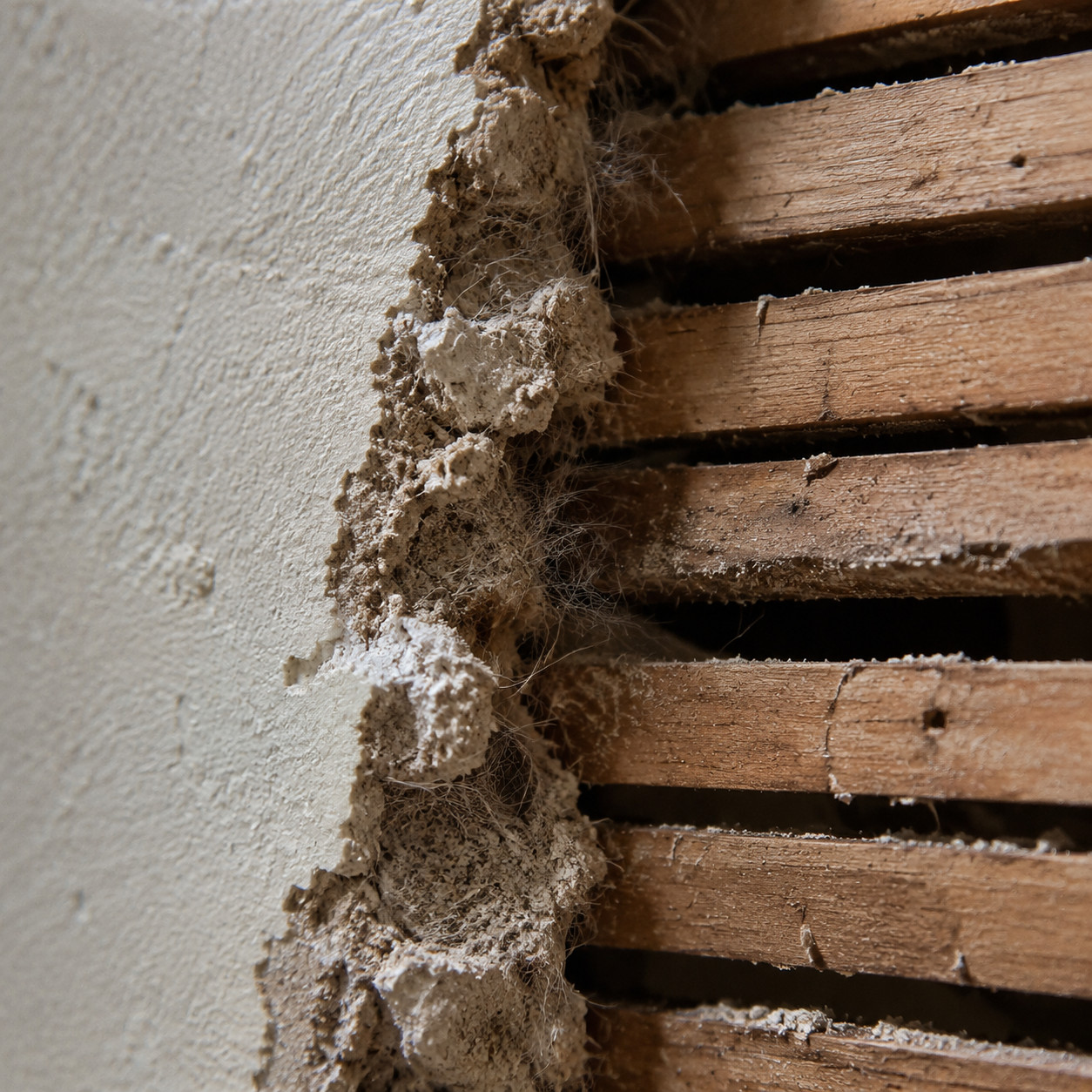
The walls weren’t drywall. Wet plaster got troweled over thousands of thin wooden strips called lath.
Workers mixed animal hair — usually horse or hog — into the plaster to bind it and stop it cracking.
The result was rock-hard, soundproof, and fireproof in a way modern walls aren’t.
It’s also why drilling into an old wall sends a shower of gritty dust and hair onto your floor.
14. The Sleeping Porch

Before air conditioning, summer nights indoors were unbearable.
So homes added screened porches off the upstairs bedrooms, lined with beds. The whole family slept outside in the moving air.
Doctors recommended it. Fresh night air was thought to fight tuberculosis and “weak lungs.”
The custom faded fast once electric fans and AC arrived.
15. A Boot Scraper by the Door

Streets were mud and manure. Horses left the roads filthy.
So a cast-iron blade sat beside the front step for scraping the muck off your boots before you went inside.
Some were plain. Others were cast as dogs, lions, or curling vines.
They’re still bolted to the stoops of old city homes, rusted but standing.
16. The Speaking Tube

A brass-rimmed tube ran through the walls between floors.
You’d whistle into it, then put your ear to the opening to hear the reply from upstairs or down in the kitchen.
It was the closest thing to an intercom anyone had.
Whistle, listen, talk. Crude, but it carried a voice through three floors of plaster.
17. Wainscoting and Dark Wood Everywhere

The lower half of nearly every wall wore wood paneling.
It protected the plaster from chair backs and scuffs, and it hid the worst of the coal soot at hand height.
Oak, chestnut, and walnut got stained dark — almost black in the dining room.
Then the 1950s came along and people painted all of it white. Stripping it back is a weekend that turns into a year.
18. A Cistern for Rainwater

Many homes had no city water. So they collected their own.
Gutters fed rainwater into an underground brick cistern. A hand pump at the kitchen sink drew it up for washing and cleaning.
Soft rainwater made better suds than hard well water, so it was prized for laundry and hair.
Drinking water often came from a separate well or pump entirely.
19. The Hired Girl’s Room in the Attic

Up under the roof, off the backstairs, sat a small plain bedroom.
That’s where the live-in help slept — freezing in winter, baking in summer, far from the family’s heated floors.
The room had a bed, a washstand, maybe a single window. Nothing more.
You’ll know it by what it lacks: no fancy trim, no heat register, no closet worth the name.
20. Built-In China Cabinets and Window Seats

Furniture wasn’t always furniture. A lot of it was built into the house itself.
China cabinets flanked the dining room. Bench seats with hinged lids tucked under bay windows, hiding storage inside.
Carpenters built these on site, by hand, fitted to the exact room.
You can’t take them with you when you move. That’s part of why they survived.
21. Steam or Hot-Water Radiators

By the late 1800s, the wealthier homes upgraded from gravity heat to radiators.
Heavy cast-iron units sat under windows, fed by a coal boiler in the basement that pushed steam or hot water through pipes.
They clanked, hissed, and stayed warm for hours after the boiler shut off.
A century later, many still work. Try getting that lifespan out of a modern HVAC unit.
22. Fainting Couches and Fireplace Fenders

The fainting couch — a backless sofa with one raised end — sat in the parlor for real reasons.
Tight corsets and overheated rooms left women genuinely lightheaded, and the couch gave them somewhere to recline.
In front of every fireplace stood a low metal fender, keeping coals and long skirts apart.
Floor-length dresses near open flame killed more women than anyone likes to remember.
23. The Outhouse — and the Slow Move Indoors

Indoor plumbing arrived in stages. Early in the era, the toilet was a wooden privy out back.
When bathrooms finally moved inside, they often landed in a converted bedroom or a tacked-on rear addition — which is why the bathroom in an old home is sometimes in the strangest spot.
The first indoor toilets had high wooden water tanks bolted near the ceiling, flushed by a pull chain.
The chamber pot under the bed didn’t disappear overnight. For decades, both systems ran side by side.
Where It All Went
None of this was built for comfort the way we mean it. It was built for a world of coal, ice, and cheap labor.
But the craftsmanship outlasted the lifestyle. The plaster, the pocket doors, the built-ins — they’re still here, hiding under paint and drywall in millions of old homes.
Most owners never know what they’re standing on.
Pull up a register, knock on a wall, look above a doorway. The 1800s are usually closer than you think.