

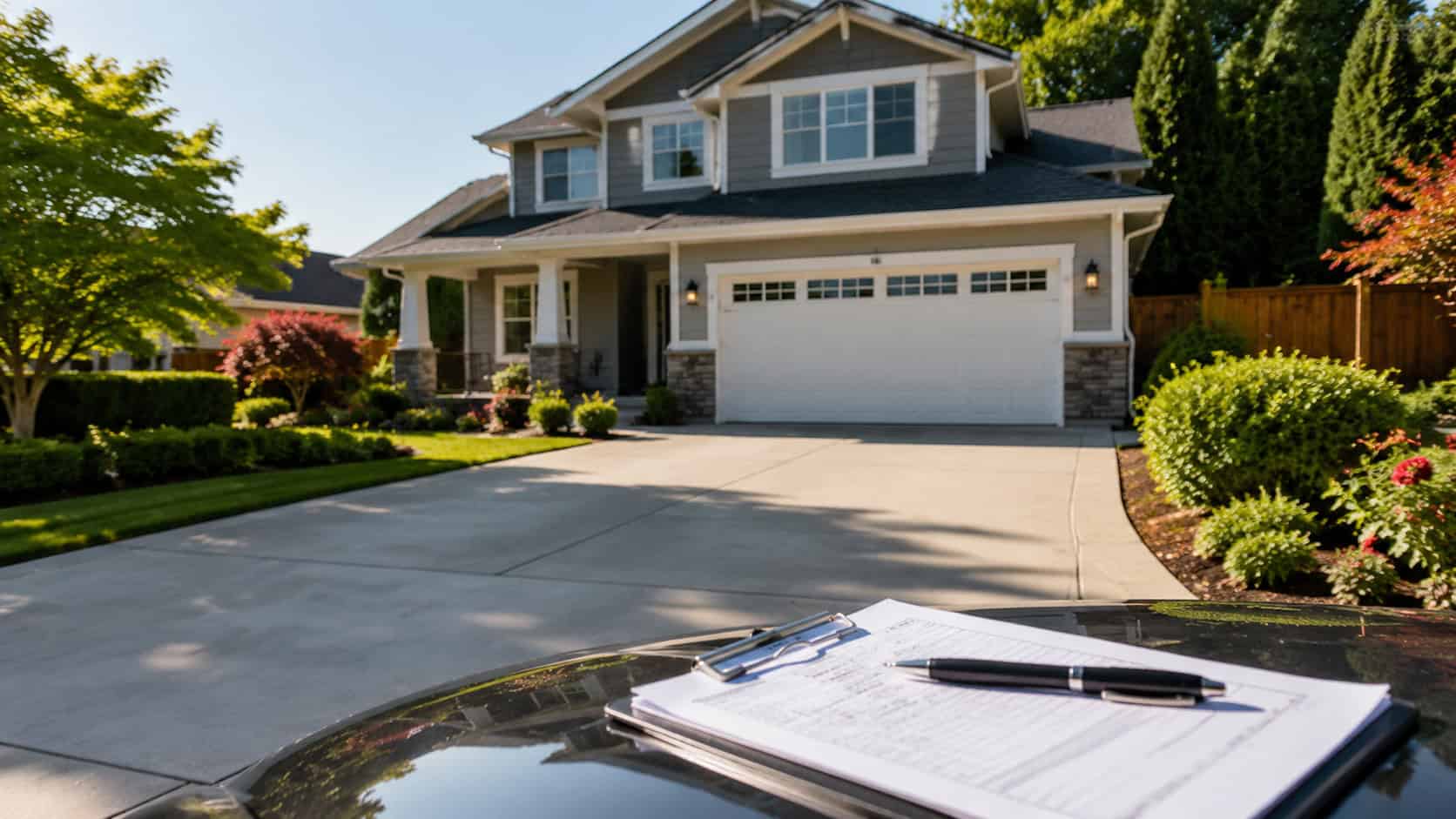
The appraiser is already forming an opinion before the car door shuts.
They look up at the roofline. They glance at the walkway, the paint, the way the yard slopes toward the house or away from it. By the time they reach the front step, half the story is already written.
Most homeowners spend their money on the wrong things. Flower beds and fresh throw pillows. Meanwhile the stuff that actually moves the number sits quietly in the basement, behind the walls, up on the roof — unseen and uncounted.
There’s a strange comfort in knowing what a trained eye is really looking for. It’s mostly the honest, boring stuff. The maintenance an old craftsman would have approved of.
Here are 27 things appraisers notice first — and why each one quietly nudges a home’s value up.
1. The Roof’s Age and Remaining Life
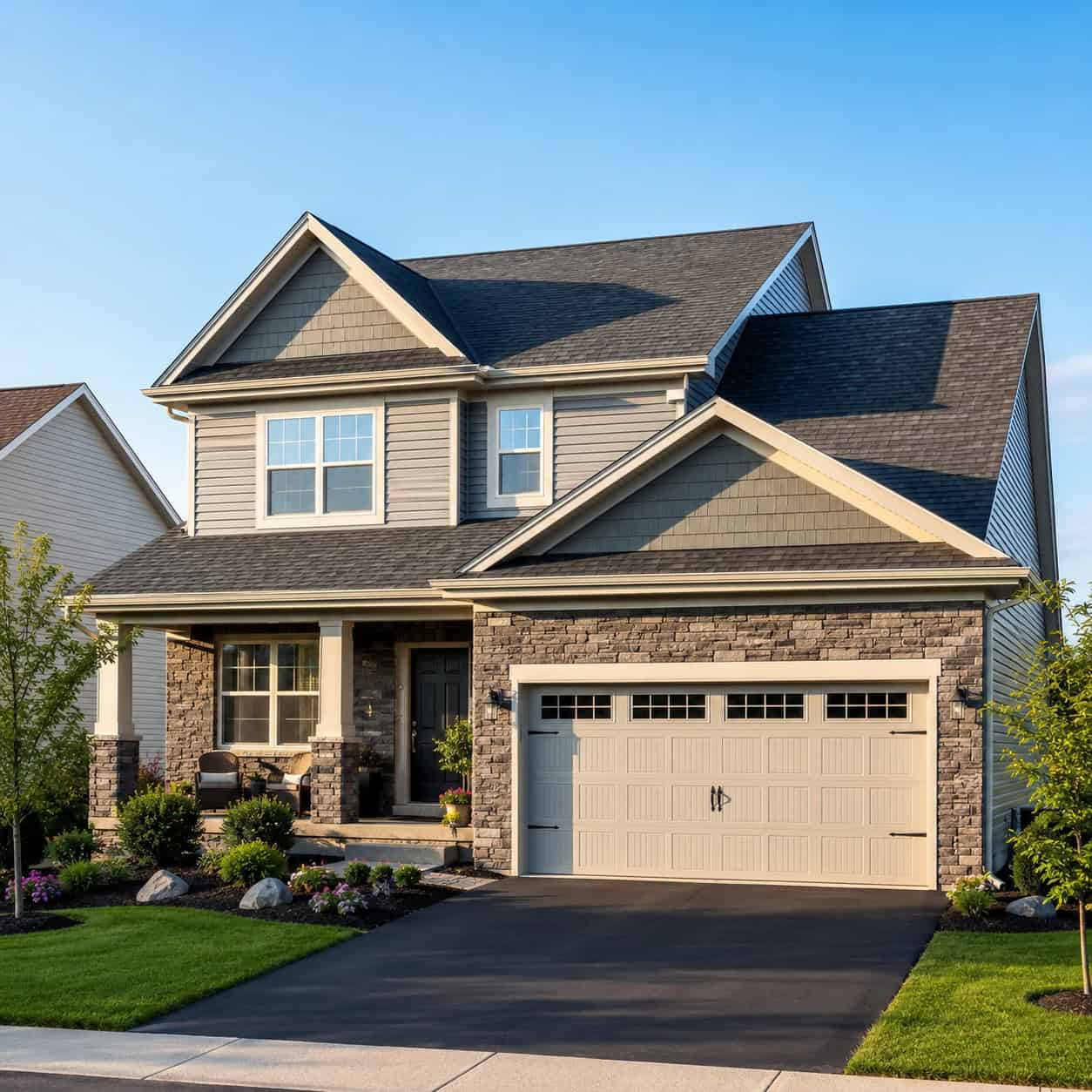
Nothing gets clocked faster. An appraiser judges the roof from the driveway, before anything else on the property.
It’s the single highest-impact line item on a house. A worn roof is a looming five-figure expense hanging over the sale, and everyone in the transaction knows it. A newer one takes that fear off the table.
Material tells its own story. A basic three-tab asphalt shingle lasts roughly 15 to 20 years. Architectural asphalt shingles — the thicker, dimensional kind — stretch to 25 or 30. Both are what most American homes wear.
Then there’s the good stuff. Standing-seam metal runs 40 to 70 years. Clay or concrete tile can pass 50. Slate, the material on so many grand old homes, lasts a century or more when it’s maintained — and appraisers know a slate roof when they see one.
The number itself matters less than the years left in it. A ten-year-old architectural roof with two decades of life ahead reads as an asset. A twenty-five-year-old three-tab with curling edges and moss reads as a bill.
Here’s the quiet part. A sound roof does more than protect one line item — it signals the whole house has been looked after. According to Opendoor, that halo effect lifts the overall condition rating, not just the roof score.
Keep the paperwork. If you re-roofed six years ago, the appraiser can’t see that from the ground — but a receipt with a date proves it.
2. A ‘Cared-For’ First Impression
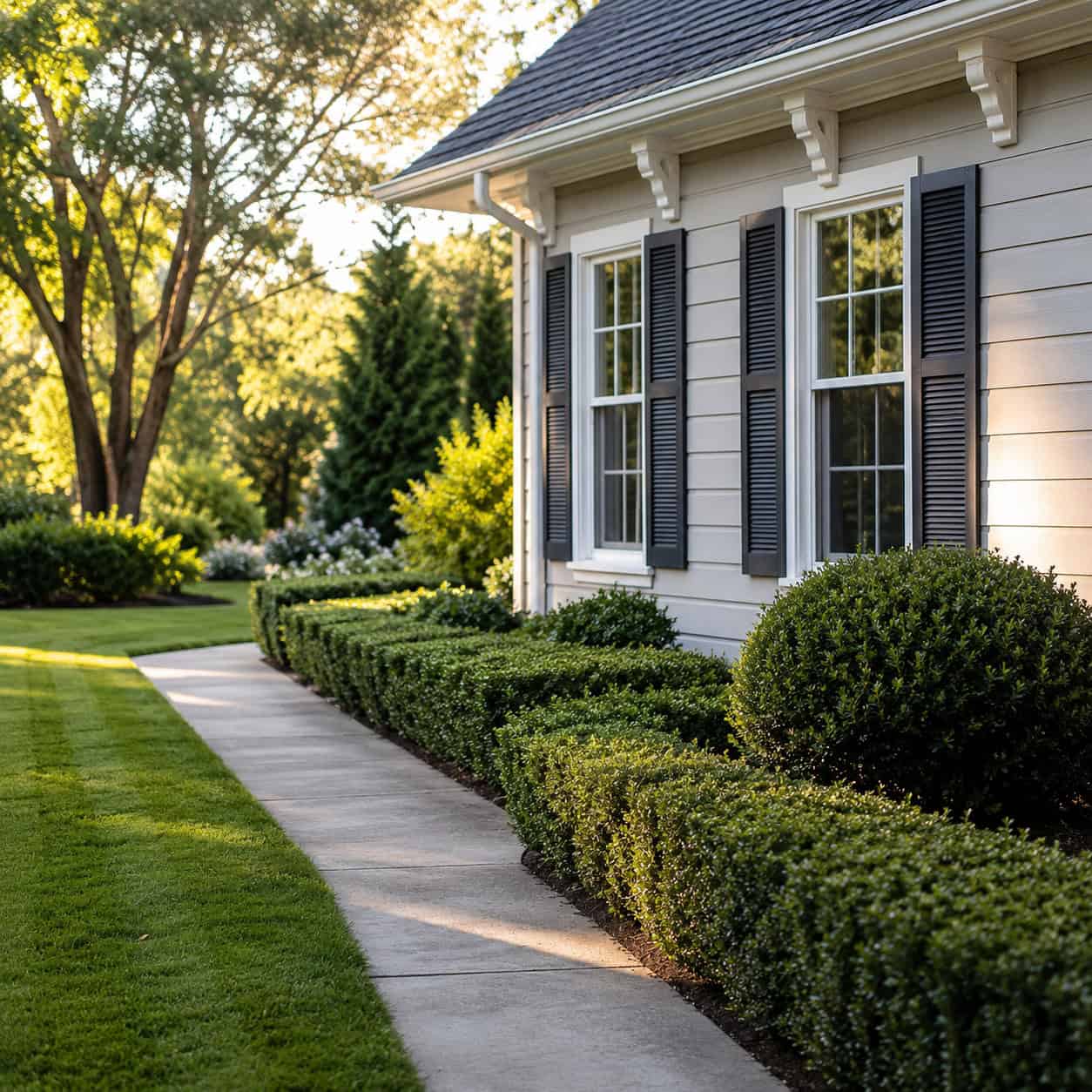
The first five minutes set the tone.
Before anyone steps inside, an appraiser reads the neighborhood, the exterior, the visible upkeep. Fresh paint. A clean walkway. Trimmed shrubs and a mowed lawn.
None of it is dramatic. But it forms an early opinion that colors everything that follows.
A firm that walks these properties for a living, A. Jay Cottle Appraisers, describes exactly this — the condition score quietly starts moving before the front door opens.
A cared-for house tells the truth about its owner. The appraiser believes what they see on the outside about what they’ll find inside.
3. Grading That Pushes Water Away From the Foundation
Homeowners pour money into flower beds. Appraisers document drainage.
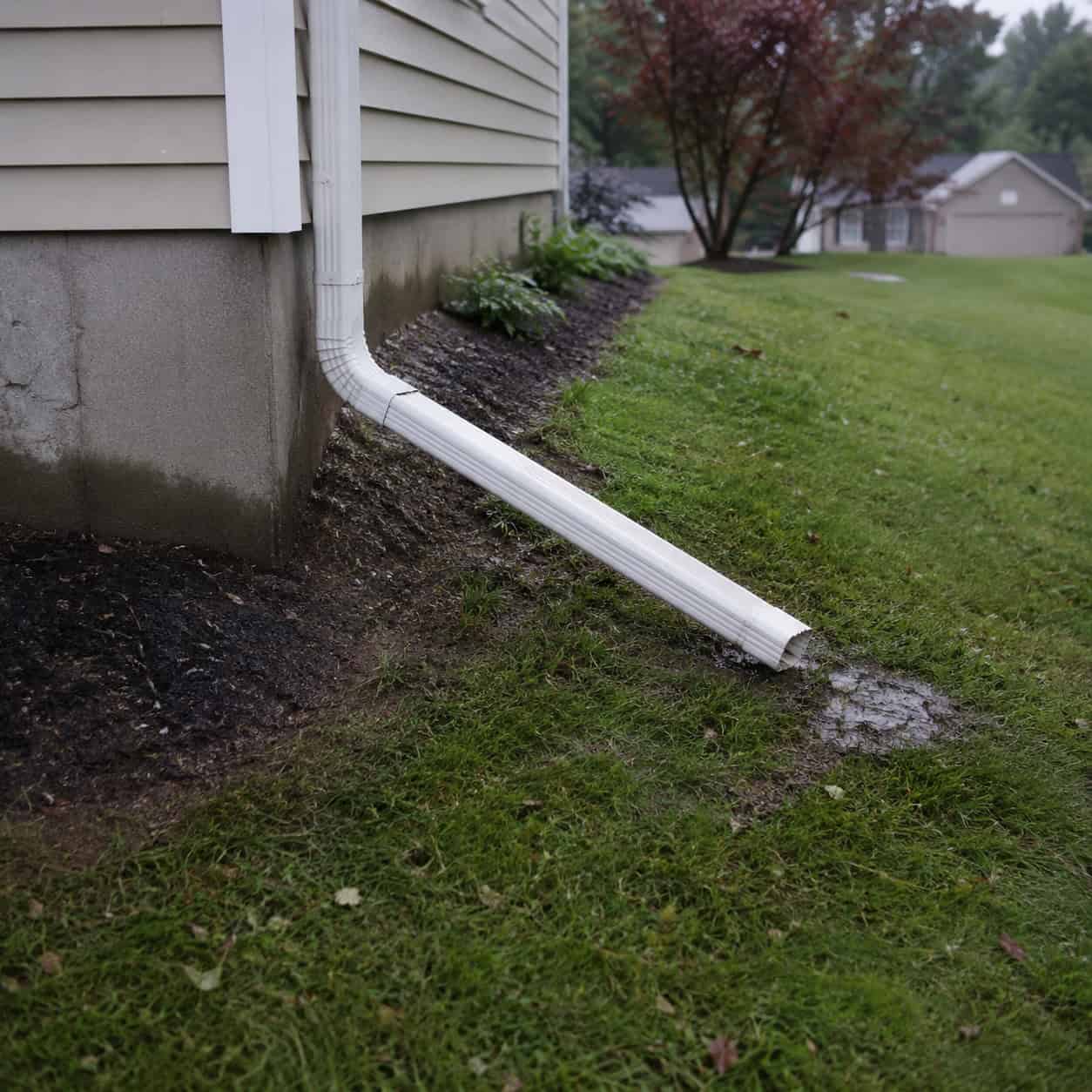
The ground around your house should slope away from it. The standard rule of thumb is a drop of about six inches over the first ten feet. That grade sends rainwater downhill instead of pooling against the foundation.
Water is the enemy of every house ever built. Let it collect at the base of the walls and it finds a way in — cracked footings, a wet basement, heaved slabs, the structural problems that terrify buyers and lenders alike.
An appraiser looks for the signs. Downspouts that dump right at the foundation. Soil that tilts back toward the house. Efflorescence — that white chalky bloom — on basement walls. Retaining walls leaning or bulging.
Good grading is one of the quietest value-holders there is. It never shows up as a shiny upgrade, but it prevents the exact damage that guts an appraisal.
Extend your downspouts four to six feet from the house. Regrade any spot where the dirt slopes the wrong way. It’s cheap dirt work that protects the most expensive part of the home.
A dry, stable foundation reads as a house you can trust. A damp one reads as a project.
4. A Steel Entry Door
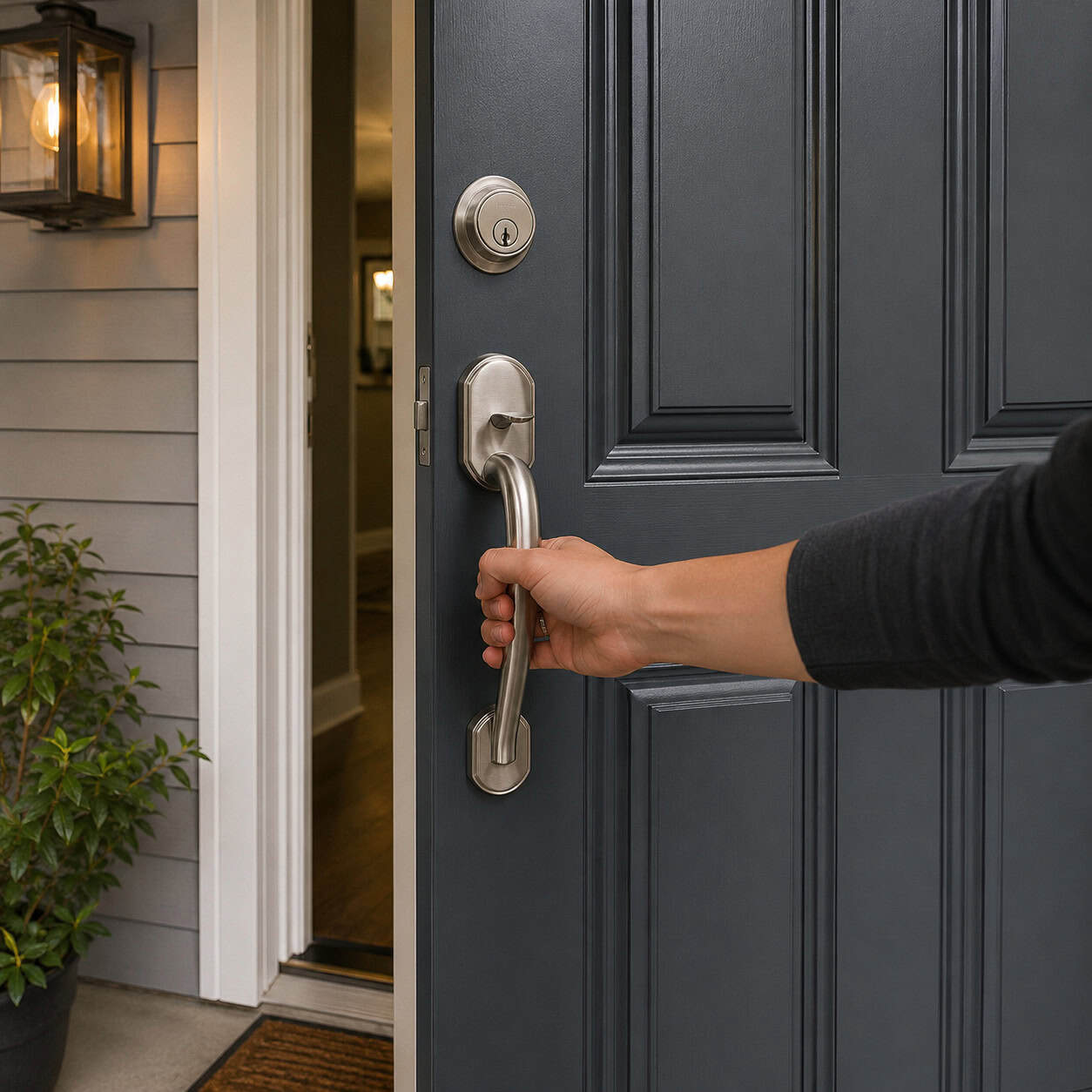
Small swap. Outsized return.
A steel entry door replacement is one of the highest-ROI projects in the annual Cost vs. Value data — a modest one often recovers close to double what it costs, year after year.
The math works because the door does two jobs. It makes the strongest first impression on the whole house. And it signals security and efficiency the moment someone touches the handle.
A solid door that latches cleanly and seals tight tells the appraiser this house was maintained. A hollow, dented, drafty one does the opposite.
5. Durable Siding Materials
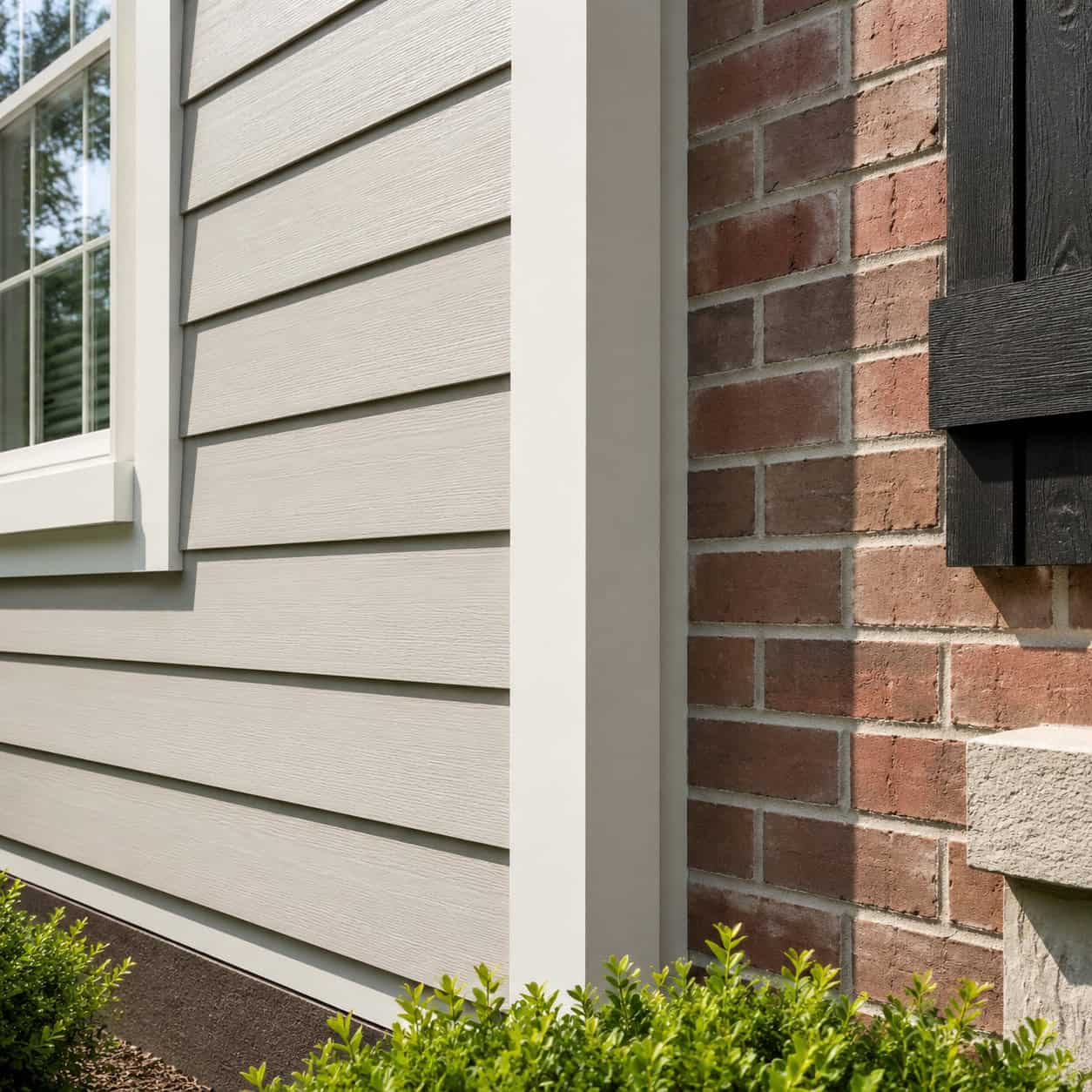
Appraisers read materials as a proxy for how a house was built.
Fiber-cement, brick, or stone all say the same thing: durable, low-maintenance, made to last. They nudge the quality rating up without a word.
Peeling paint, warped vinyl, or rotting wood clapboard says the opposite. Per Redfin, damaged siding drags the quality score exactly when you don’t want it to.
The material matters. So does its condition. A brick home with crumbling mortar loses the advantage brick should give it.
6. Lot Size, Shape, and Mature Trees

The land under the house counts too — but not the way people assume.
A larger, usable lot adds real value. Room for an addition, privacy from neighbors, space for a shop or garden.
The surprise is that bigger isn’t always better. A steep, oddly shaped, or awkward corner lot can cut the other way. Appraisers weigh usability, not raw acreage.
Mature trees are the same puzzle. A canopy of old oaks lends beauty and shade — but heavy tree coverage near the structure raises questions about roots, gutters, and storm risk. It giveth and it taketh.
7. An Updated 200-Amp Electrical Panel
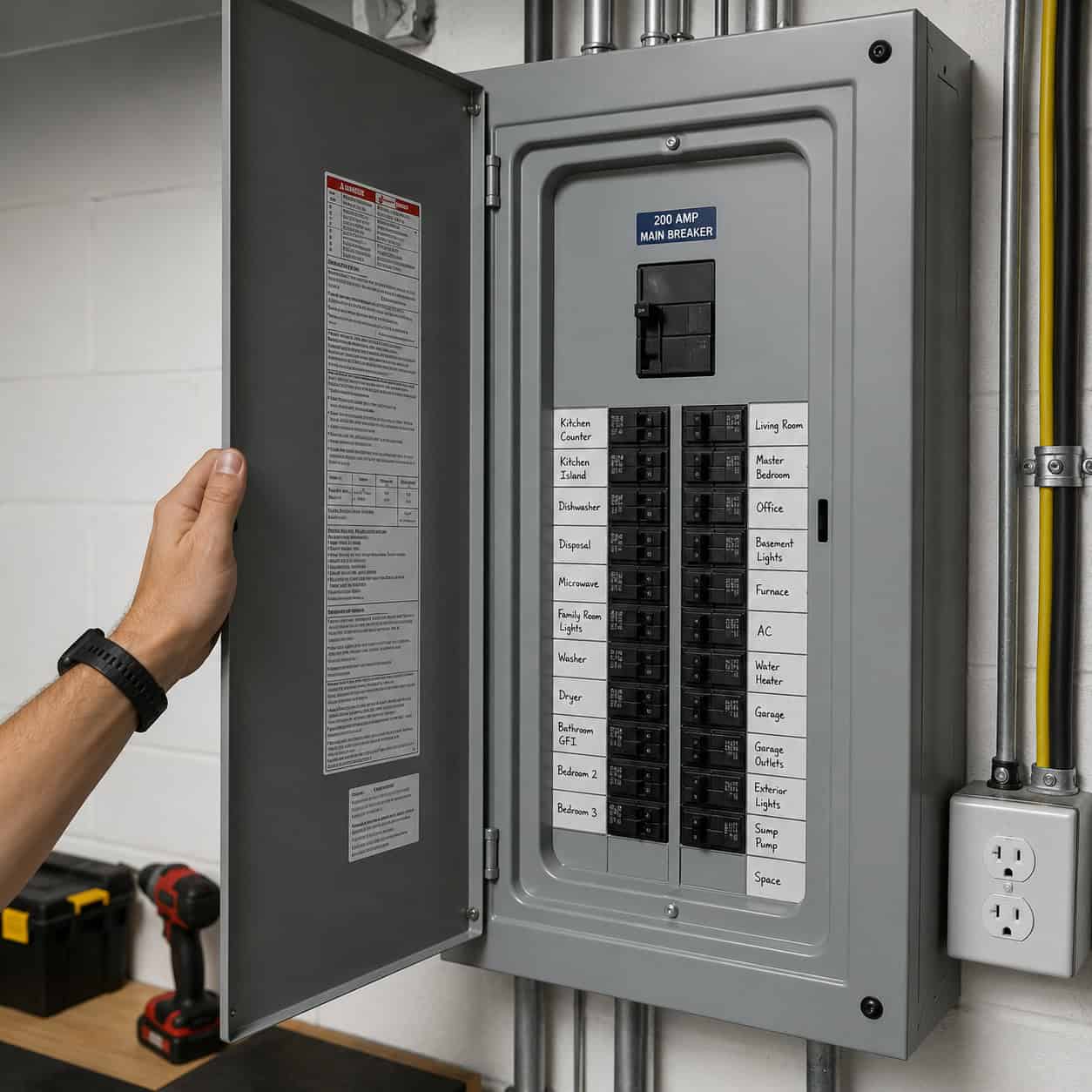
Open the panel door and the whole system tells on itself.
A modern 200-amp panel quietly signals a well-kept, updated home. It’s the standard for a house running today’s appliances, HVAC, and EV chargers.
An old fuse box is a red flag. So is knob-and-tube wiring — the cloth-wrapped stuff strung through many pre-1950 homes. Both spook the appraiser and can spook the lender even harder.
Most owners have no idea this panel is being scored. It sits in a closet or garage, ignored for decades.
It’s on the checklist every time.
8. Modern Plumbing Behind the Walls
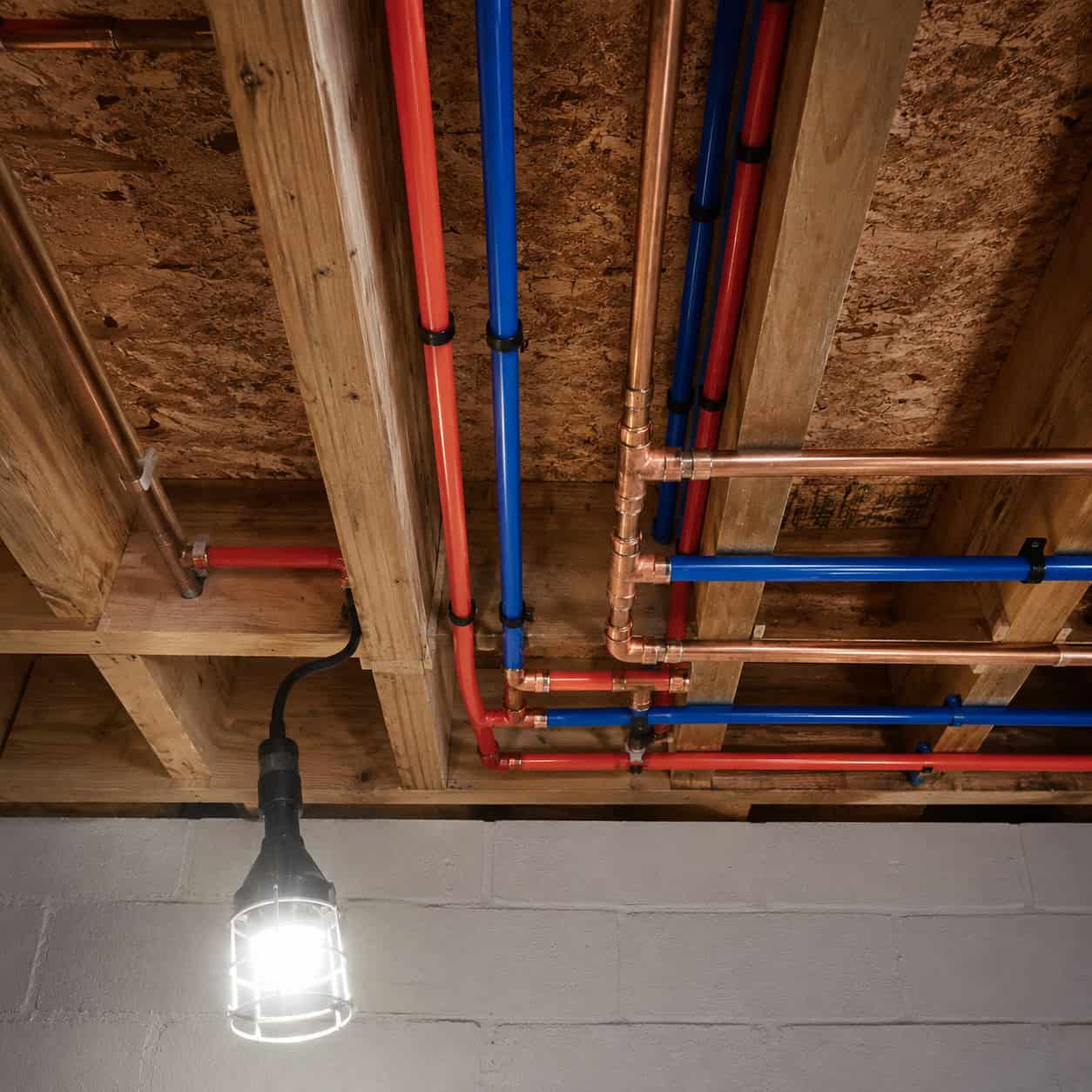
The pipes nobody sees still get noticed.
Copper and PEX are the quiet standard. They’re what a well-maintained house should have running behind its walls.
Two materials raise flags. Galvanized steel, common before the 1960s, corrodes shut from the inside over the decades. Polybutylene, used from the late ’70s into the ’90s, has a reputation for failing at the fittings.
Neither is visible to a buyer walking through. But an appraiser peeks under a sink or at the exposed lines in the basement, and it registers.
9. A Newer HVAC System
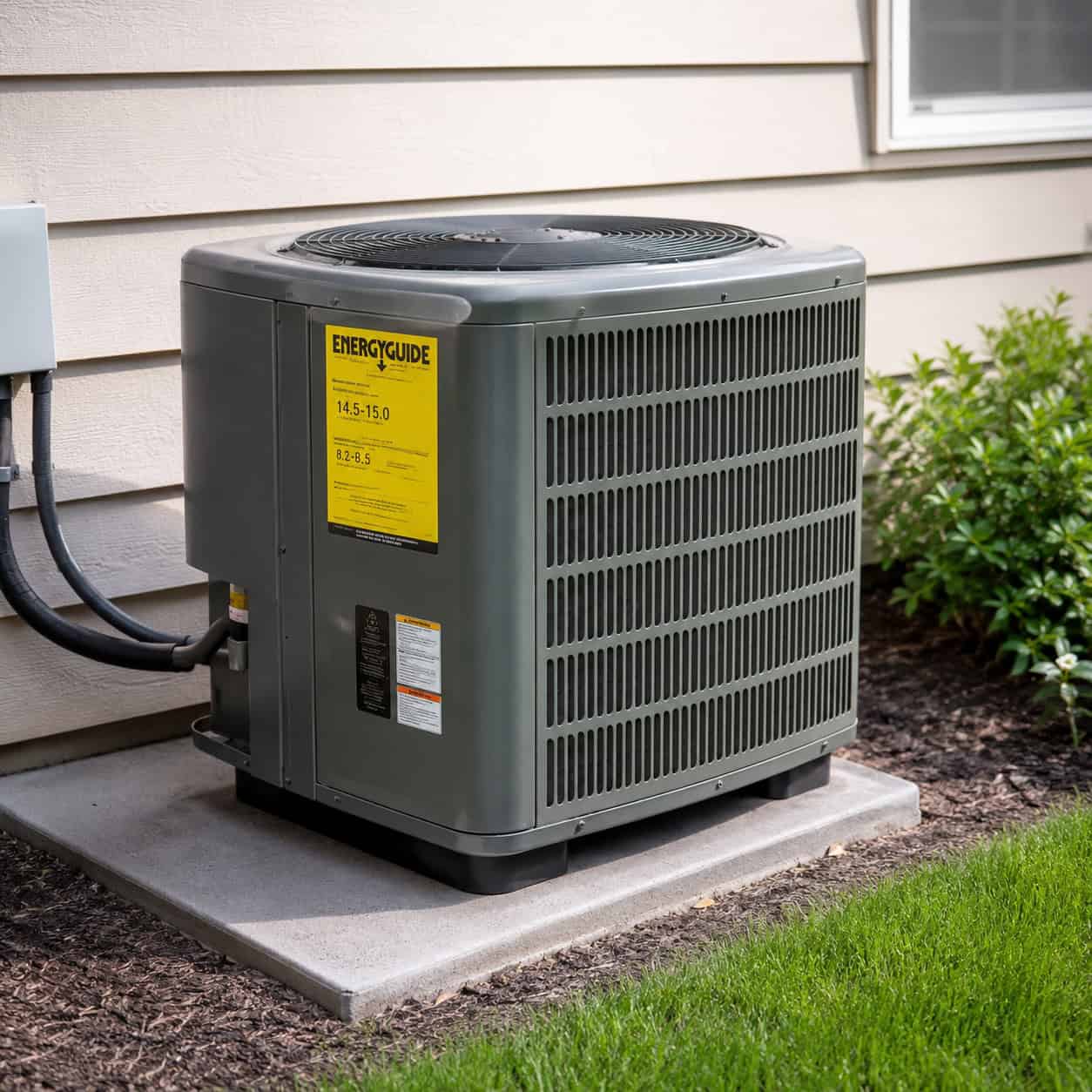
Mechanical age is really a maintenance forecast.
A modern furnace and air conditioner tell the appraiser what the next owner’s bills and repairs will look like. A newer, efficient system lets your home compare favorably against ones limping along on twenty-year-old equipment.
The efficiency ratings get documented. Air conditioners are measured by SEER — a modern unit runs SEER 14 to 20-plus, while an old one from the ’90s might crawl at 8 or 10. Furnaces are measured by AFUE, the percentage of fuel actually turned into heat. A new high-efficiency furnace hits 90 to 98 percent. An aging one might waste a third of the gas you pay for.
Age alone matters. A central AC unit lasts roughly 15 to 20 years; a furnace 15 to 25. An appraiser who spots a rusting condenser with a faded 2004 sticker knows the clock is nearly up.
According to ACME | SERHANT., a modern efficient system is one of the quiet levers that pushes a property toward the higher end of its range.
Keep the install date and the model numbers. A five-year-old system with paperwork is worth more on the report than one the appraiser has to guess about.
10. Energy-Efficient Windows and Insulation
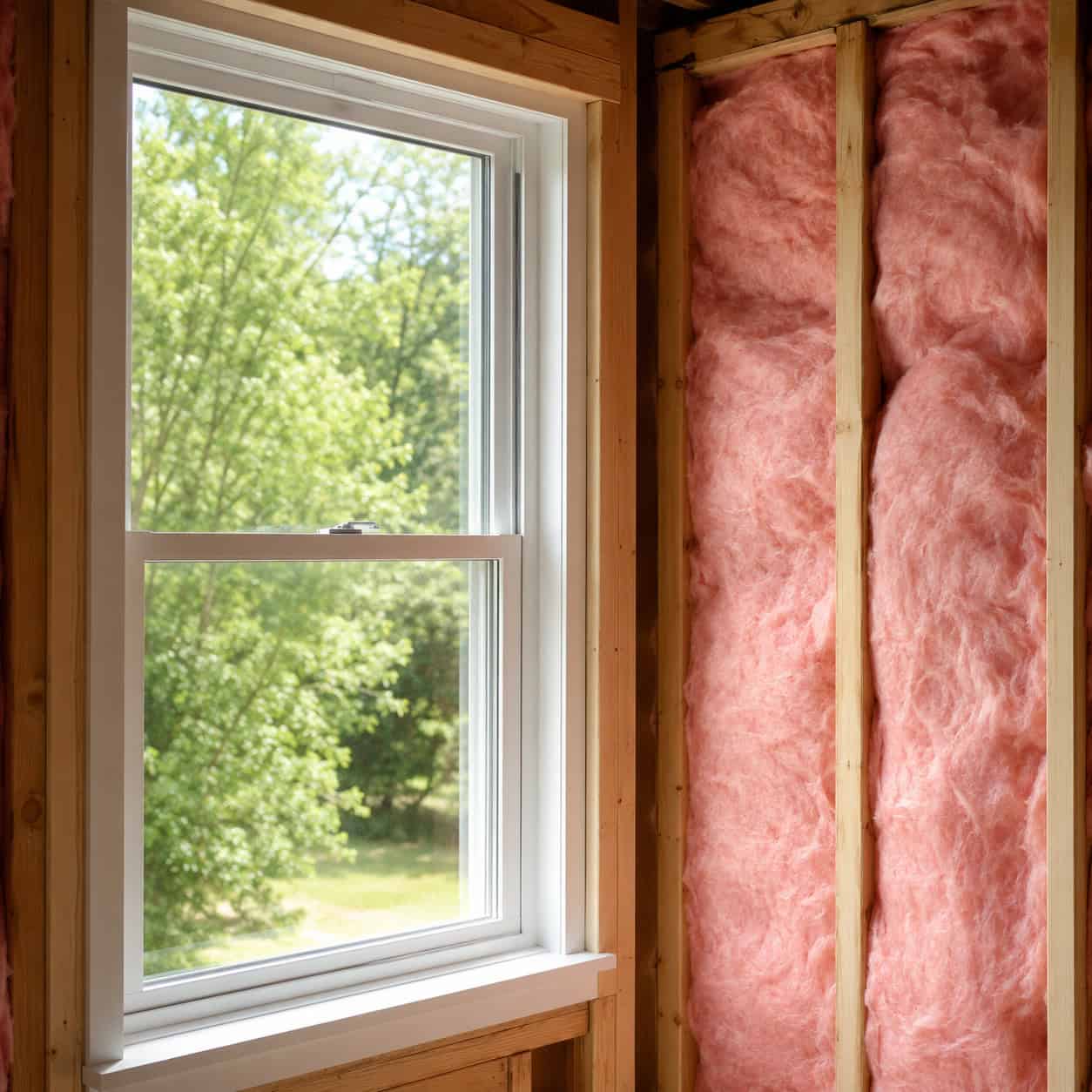
The efficiency envelope rarely gets its own headline. It still counts.
Appraisers increasingly note window type and insulation levels because buyers care about the energy bill. Double- or triple-pane windows with a good seal. Attic insulation that’s actually thick enough.
Per SmartAsset, these details quietly strengthen the condition and quality picture even when they don’t appear as a big line item.
Single-pane windows with fogged seals do the reverse. They read as deferred, drafty, dated.
11. Solar Panels
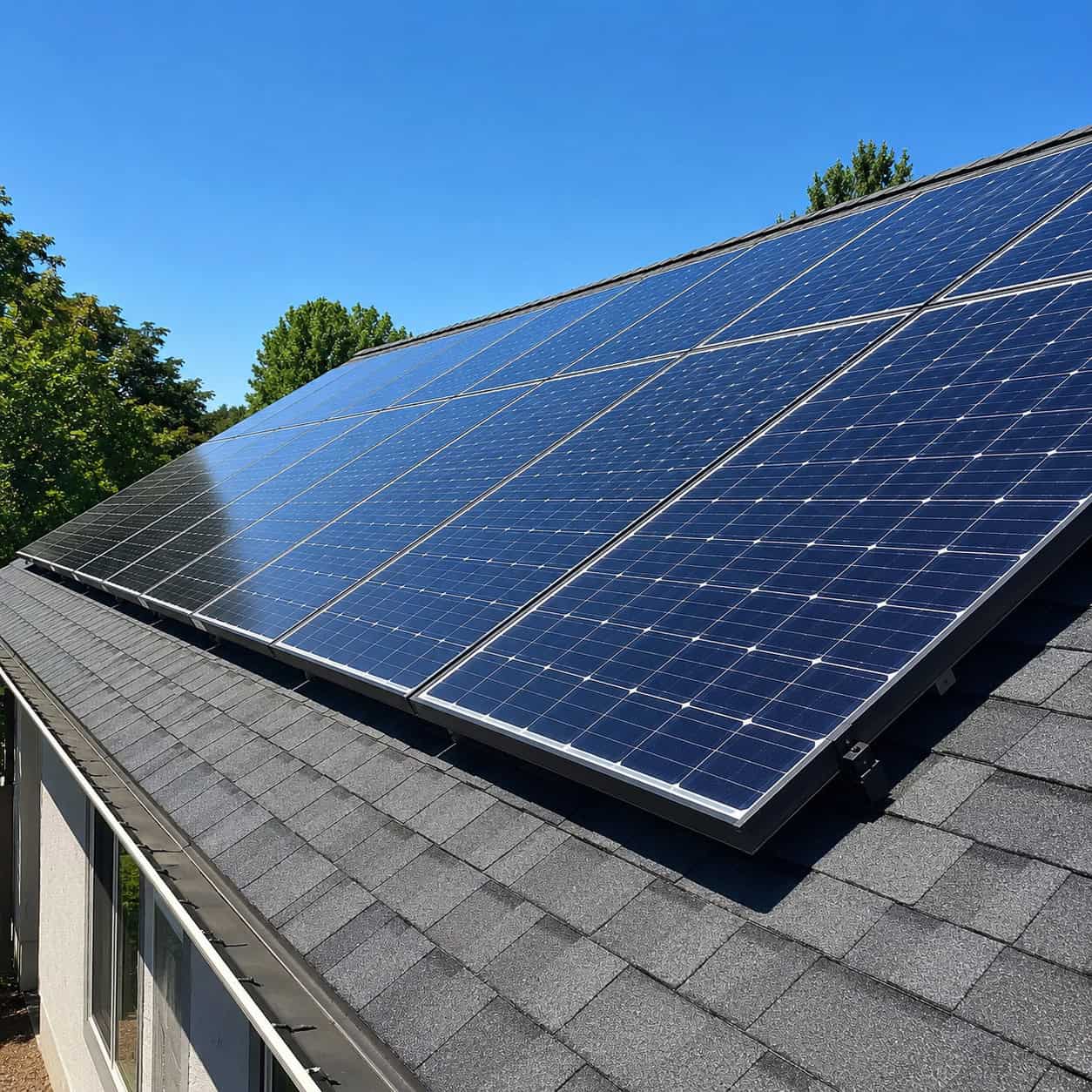
Solar is the upgrade where the fine print decides everything.
Owned panels can add value. They cut the utility bill and appeal to buyers who care about that, and the appraiser can treat them as a genuine asset.
Leased panels are a different animal. A lease is a contract the next owner has to assume, and appraisers value it far more cautiously — sometimes not at all.
The distinction is the whole story. Own the system and it helps. Lease it and it might complicate the sale instead.
12. The Age of the Water Heater
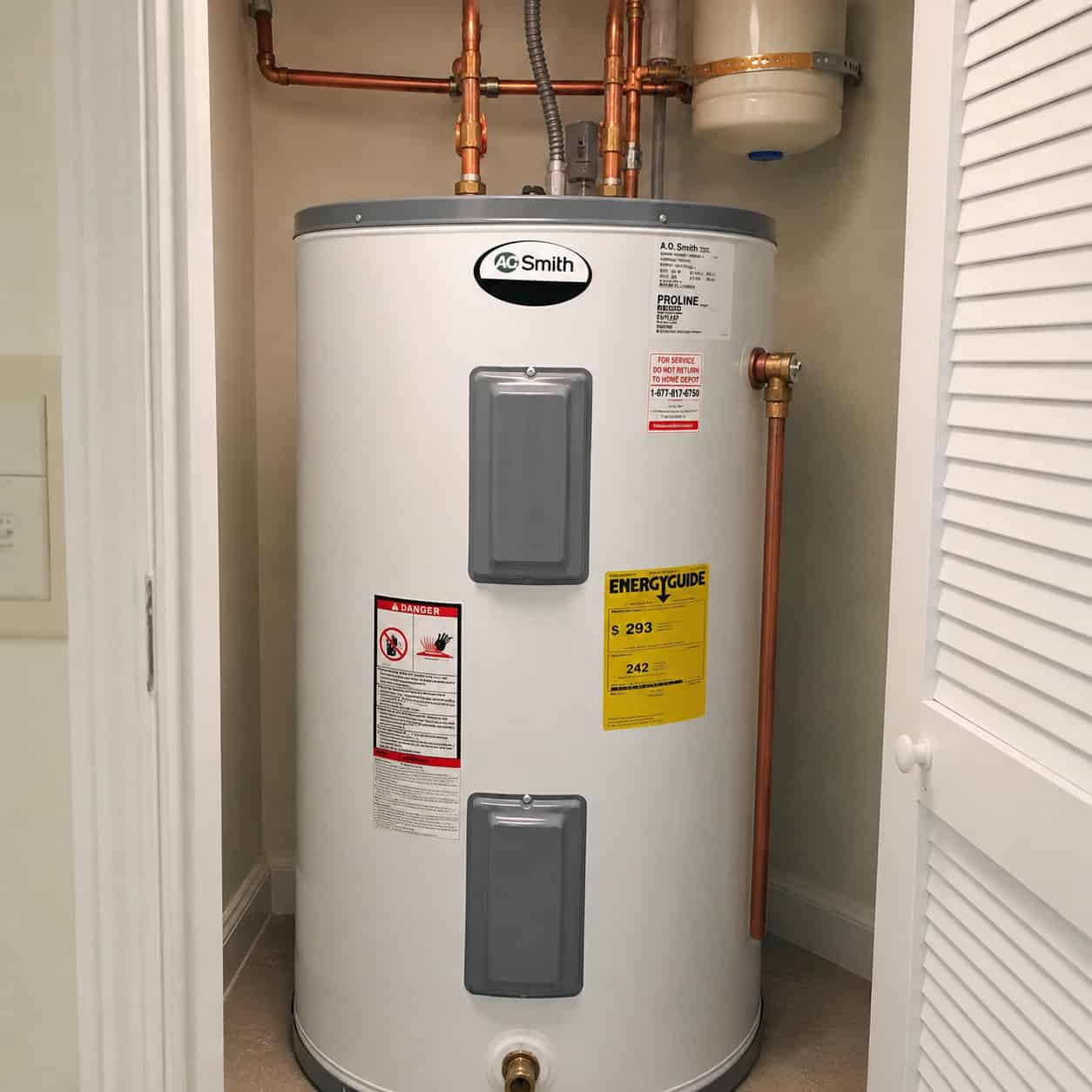
The overlooked appliance in the closet is on the mental checklist.
A standard tank water heater lasts about 8 to 12 years. A fifteen-year-old unit is living on borrowed time, and the appraiser knows it’s the next thing to fail.
A newer one reassures. It’s one less imminent replacement for the buyer to budget.
Almost nobody realizes it’s being scored. And it’s one of the cheapest things on this whole list to replace.
13. Hardwood Hiding Under the Carpet
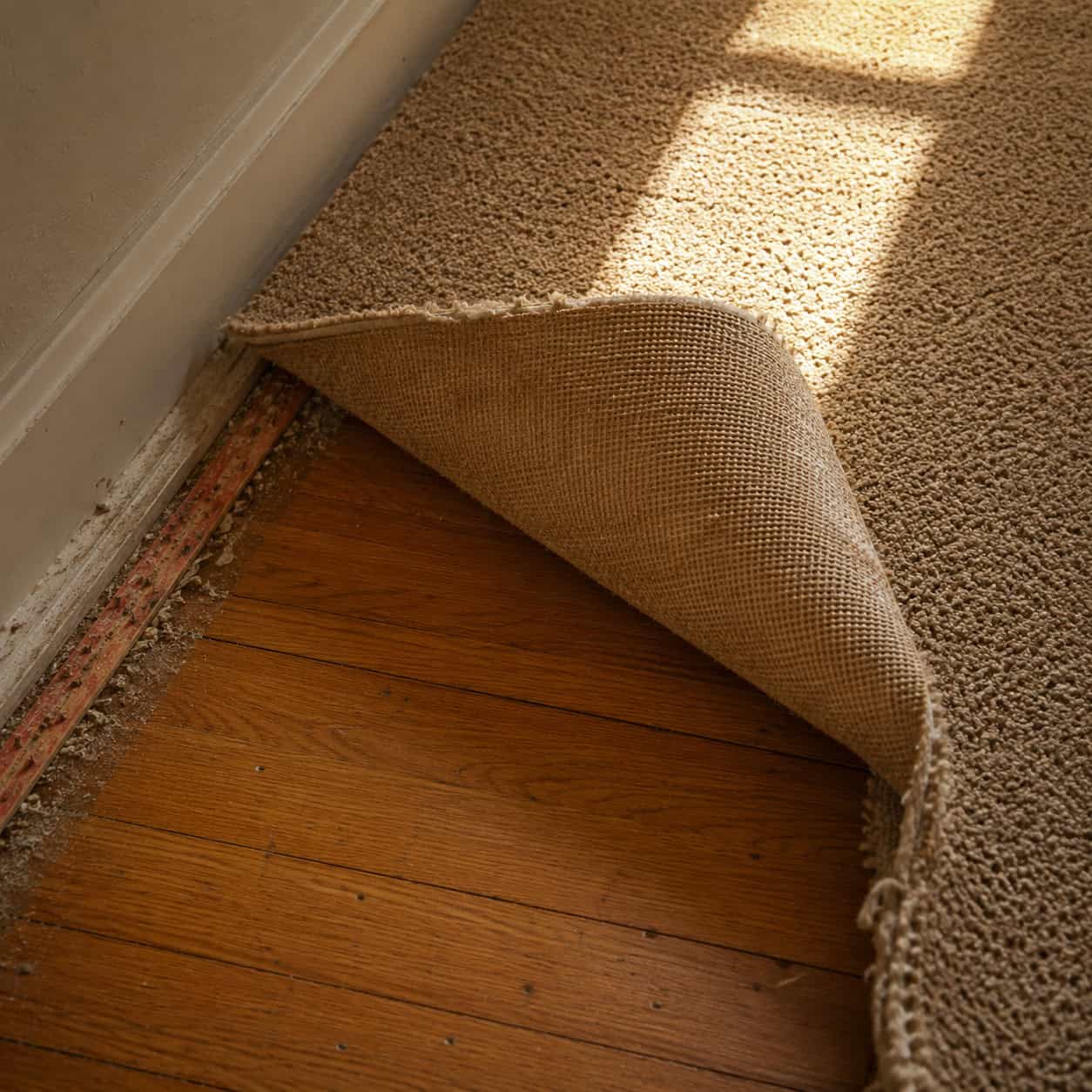
The classic buried treasure.
Pull back a corner of old carpet in a mid-century home and there’s a decent chance you’ll find oak underneath — original, solid, waiting. Refinished hardwood delivers some of the best ROI in the National Association of Realtors’ remodeling data, and plenty of buyers pay a premium for it.
Here’s the catch. An appraiser can’t credit hardwood they can’t see. Buried under carpet, it counts for nothing on the report.
Expose it. Refinish it. Let the floor do the work it’s been doing quietly for seventy years.
There’s something honest about a floor that’s outlasted three sets of owners and still cleans up beautiful.
14. Flooring That Flows Room to Room
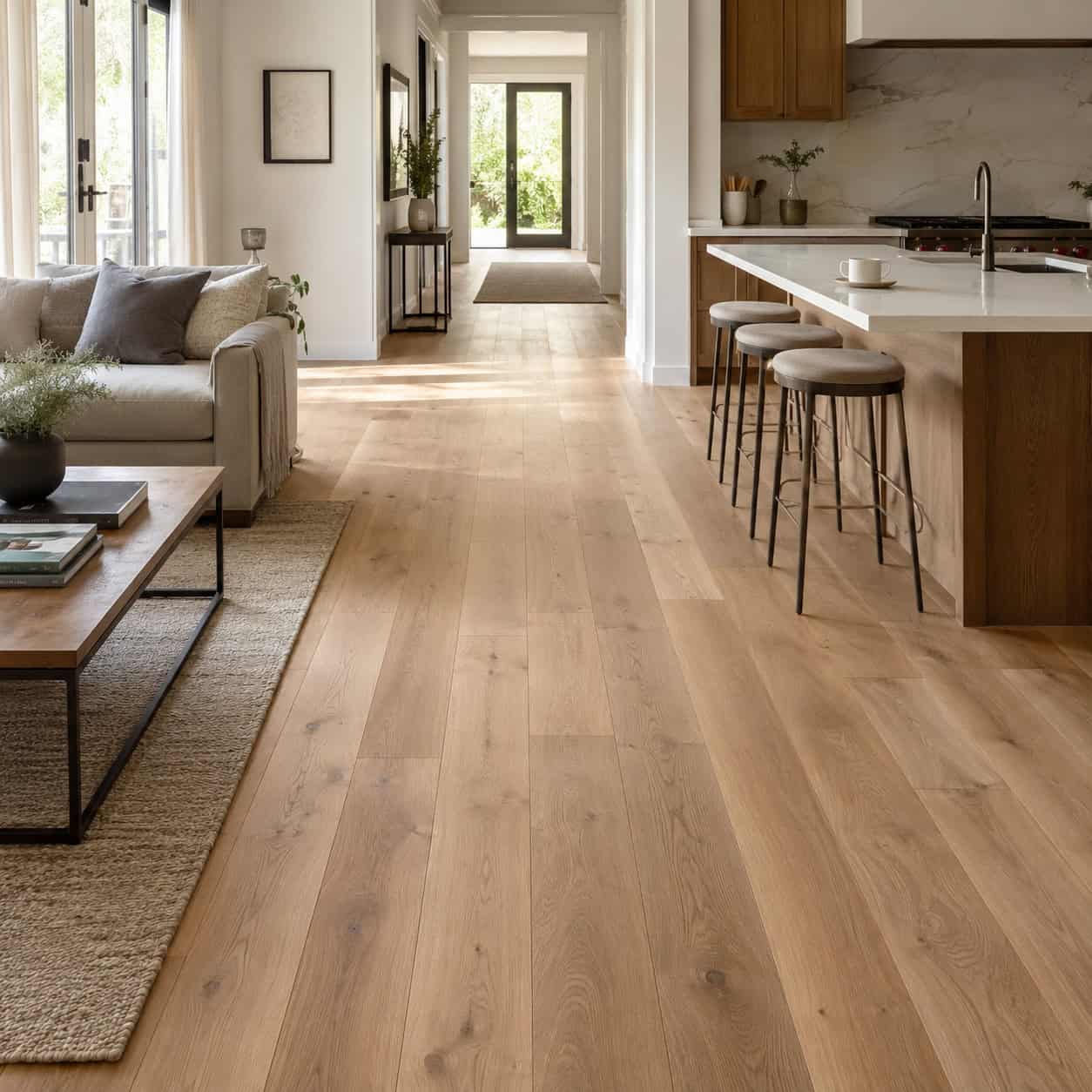
Cohesion beats luxury.
Consistent flooring across the main living areas makes a home feel move-in ready and easy to compare against the comps. The eye moves through the space without snagging.
Mismatched transitions quietly drag on perceived value. Carpet meeting tile meeting three different laminates tells a story of piecemeal, budget fixes over the years.
The specific material matters less than you’d think. Condition and continuity carry more weight than whether it’s oak or luxury vinyl.
15. One Extra Bathroom — Even a Half
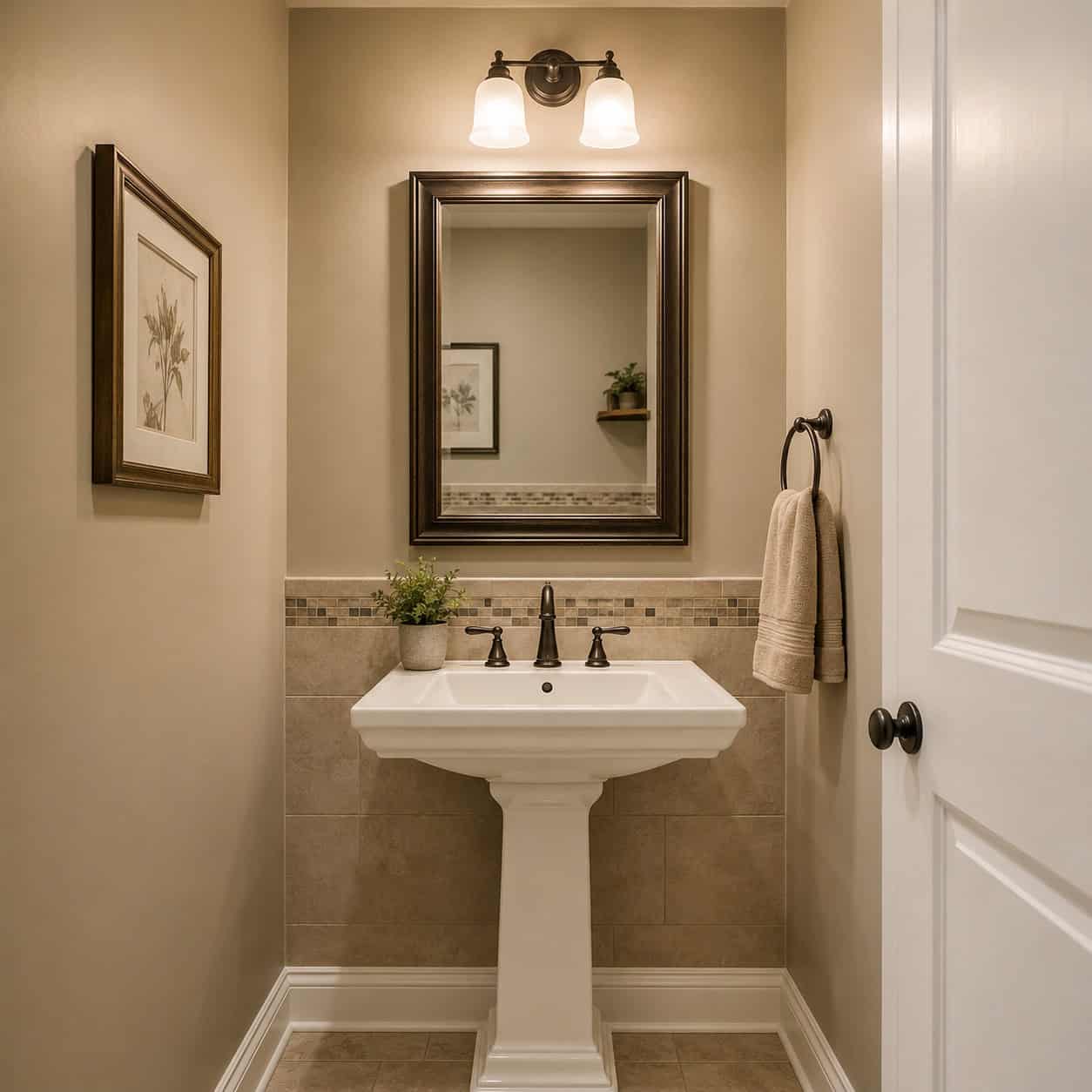
Bathrooms get their own special attention on the report.
Room count moves the needle, and bathrooms move it hard. Modeling from the National Association of Home Builders has suggested a half-bath can add roughly 10 percent to a home’s value, and a full bath closer to 20 percent, depending on the house.
A tucked-in powder room under the stairs is a quiet, high-leverage add. It rarely takes much space.
An old home with a single bathroom for four bedrooms feels dated the moment a buyer counts. One more sink changes the math.
16. A Finished Basement
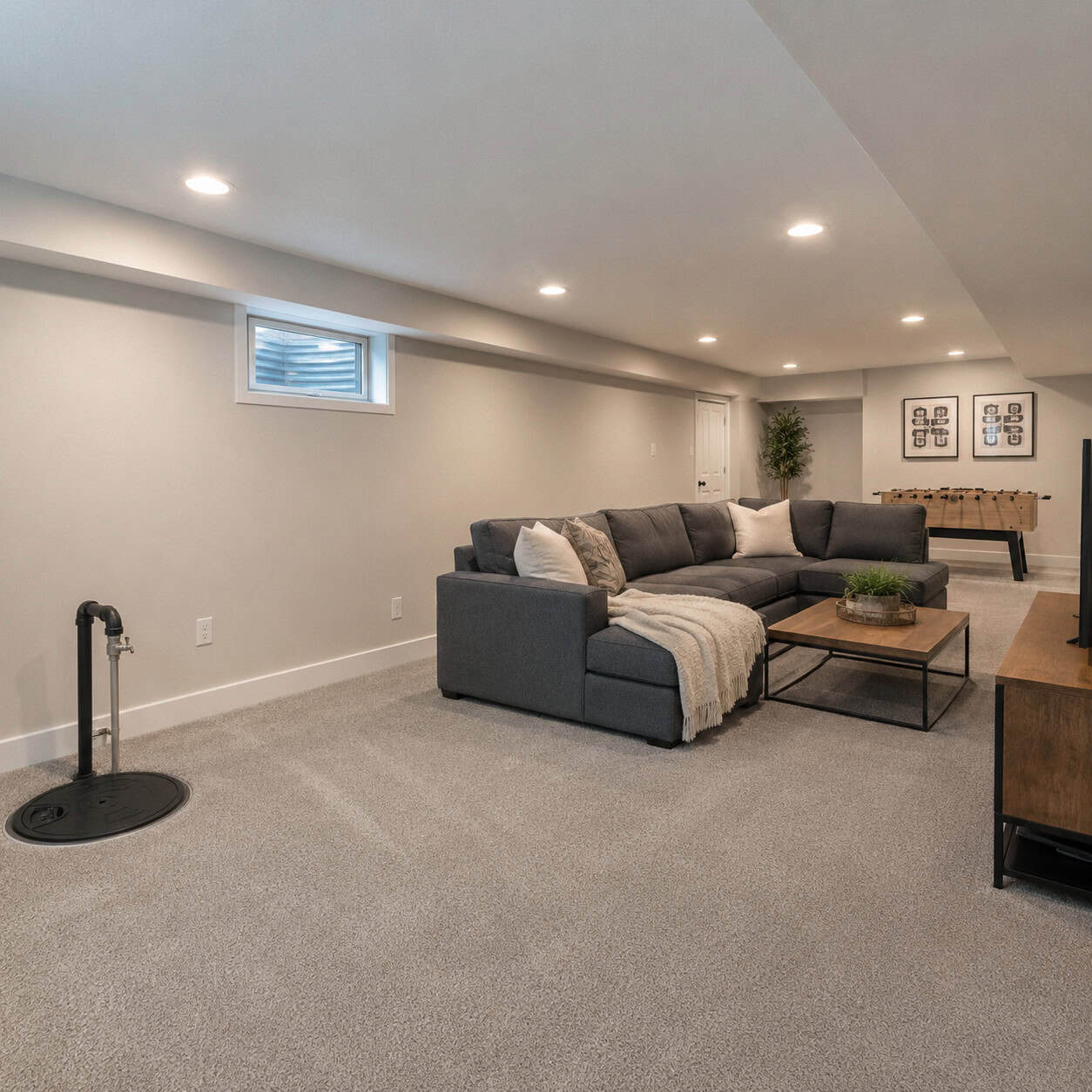
A finished basement adds real living space — but it doesn’t count the way owners hope.
Here’s the nuance most people miss. Appraisers usually value below-grade space at only 50 to 75 percent of the price per square foot of above-grade space. Per Homestead Financial Mortgage, a finished basement bedroom often can’t even be counted as a true bedroom in the room tally.
The reason is simple. It’s below ground. Less light, less egress, and a standing risk of moisture that above-grade rooms don’t carry.
That risk is exactly what the appraiser checks for. Signs of past flooding. A musty smell. Efflorescence on the walls or a sump pump that’s clearly seen action.
A dry, properly finished basement still adds genuine appeal and usable square footage — a rec room, a home office, a place for the kids. Just don’t expect it to count dollar-for-dollar with the floors above.
Waterproof first, finish second. A beautiful basement over a wet foundation is a repair waiting to happen.
17. A Walk-Out Basement
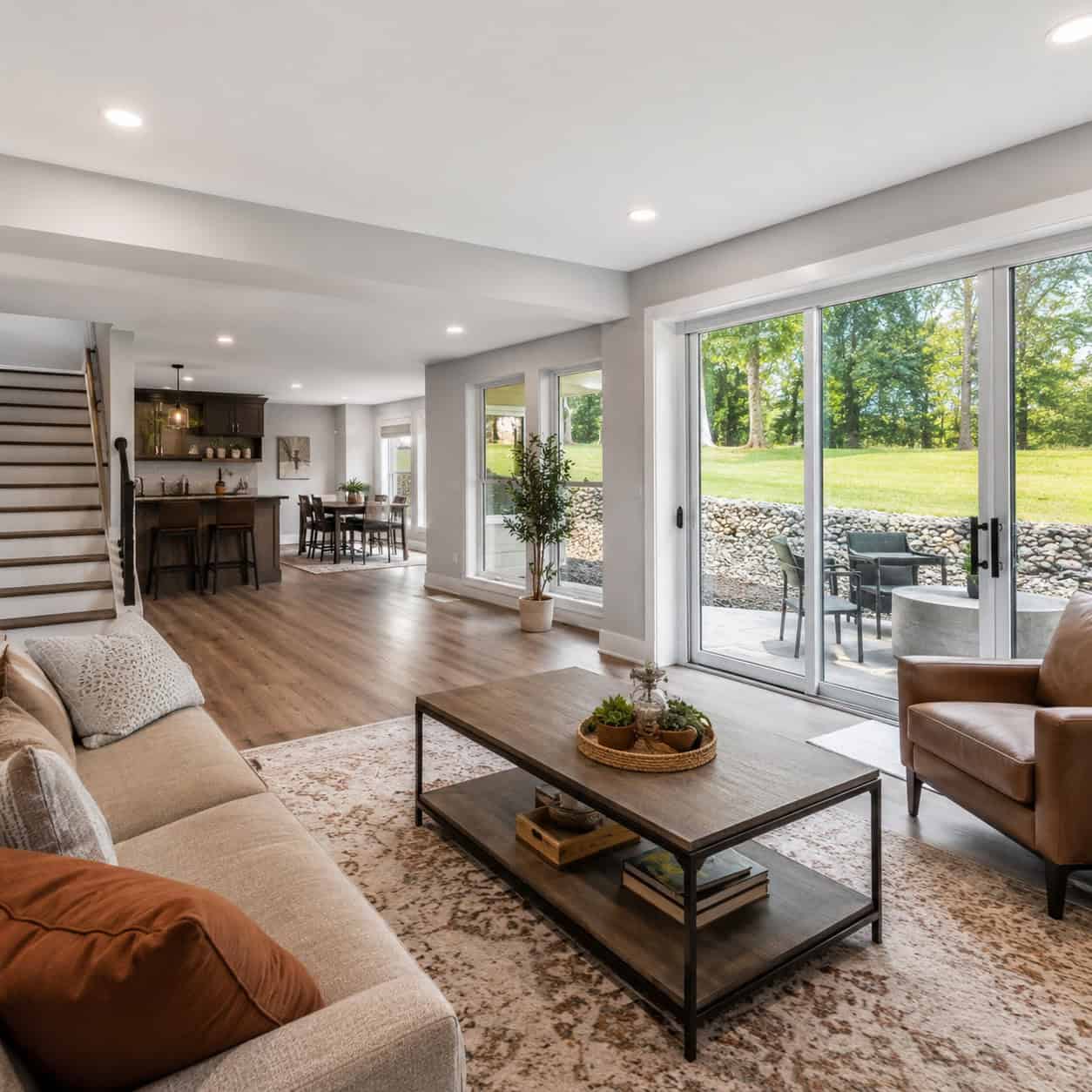
A walk-out changes the whole equation.
It lands on the short list of value-adding special features because it fixes what holds ordinary basements back. A door to the outside. Full-size windows. Real daylight.
That access and light push a walk-out closer to above-grade usability than a standard below-grade space ever gets. Per Rocket Mortgage, it’s the kind of feature that reads like a bonus level of the house.
And you can’t fake it later. A walk-out depends on the slope of the lot — either the house was built for one or it wasn’t.
18. An Accessory Dwelling Unit (ADU)
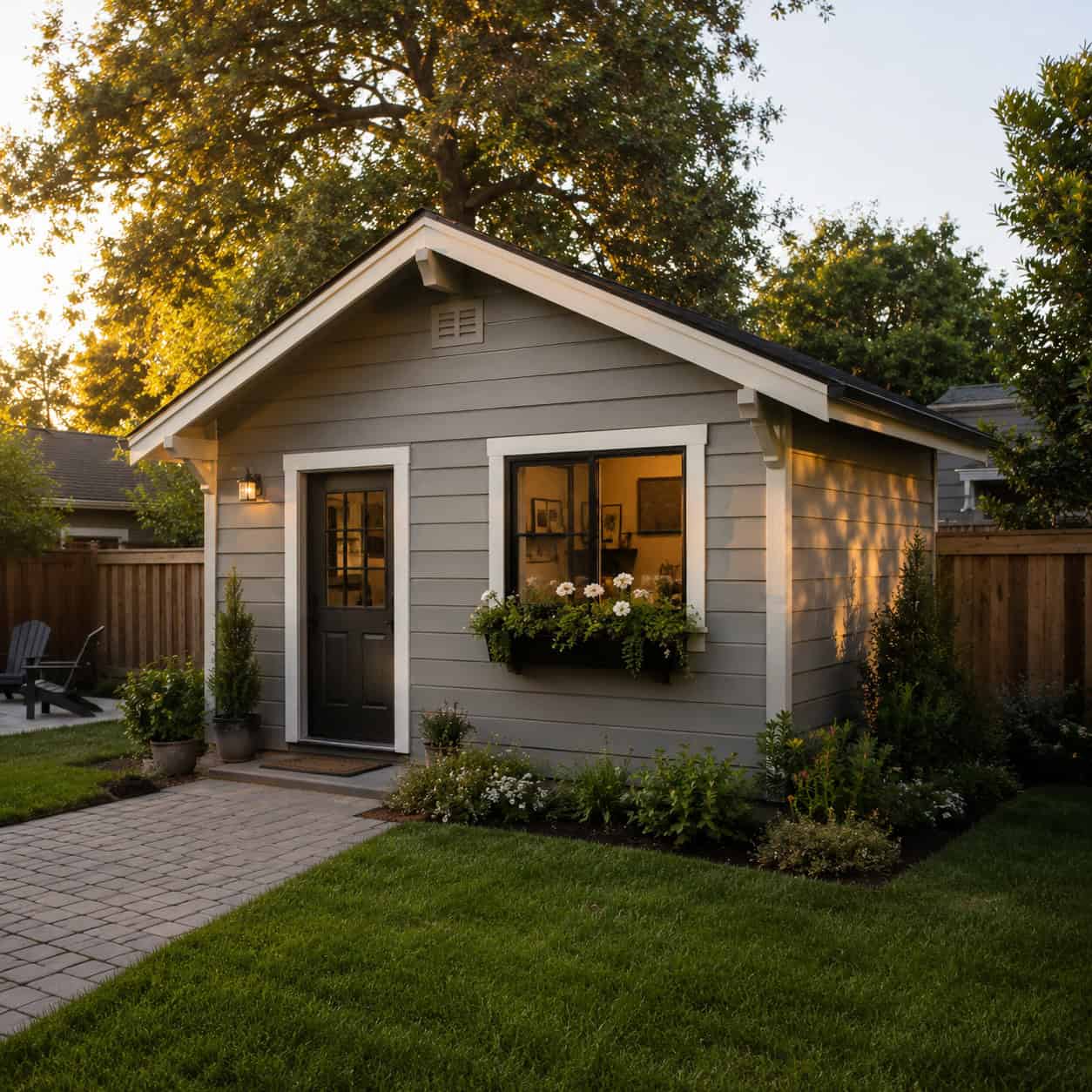
A legal ADU can quietly reframe the whole property.
Call it what you want — a granny flat, a carriage house, a garage apartment. A permitted, self-contained unit with its own kitchen and bath is showing up more often on appraisers’ value-add lists as multigenerational living and rental demand climb.
In the right market it does two things at once. It houses a parent or an adult kid. Or it throws off rent every month.
The word that matters is permitted. A legal, documented unit adds value; a bootlegged one built without permits can subtract it.
19. A Fireplace

Some features work on the heart before the calculator.
A fireplace consistently makes the list of amenities that add value. Buyers respond to it — the promise of a fire on a cold night is a feeling, and feelings sell houses.
In an old home it’s often the original masonry hearth, the thing the rooms were arranged around a century ago. Owners take it for granted. Appraisers don’t.
It’s a quiet asset that’s been earning its keep since the day the house was built.
20. A Dedicated Pantry
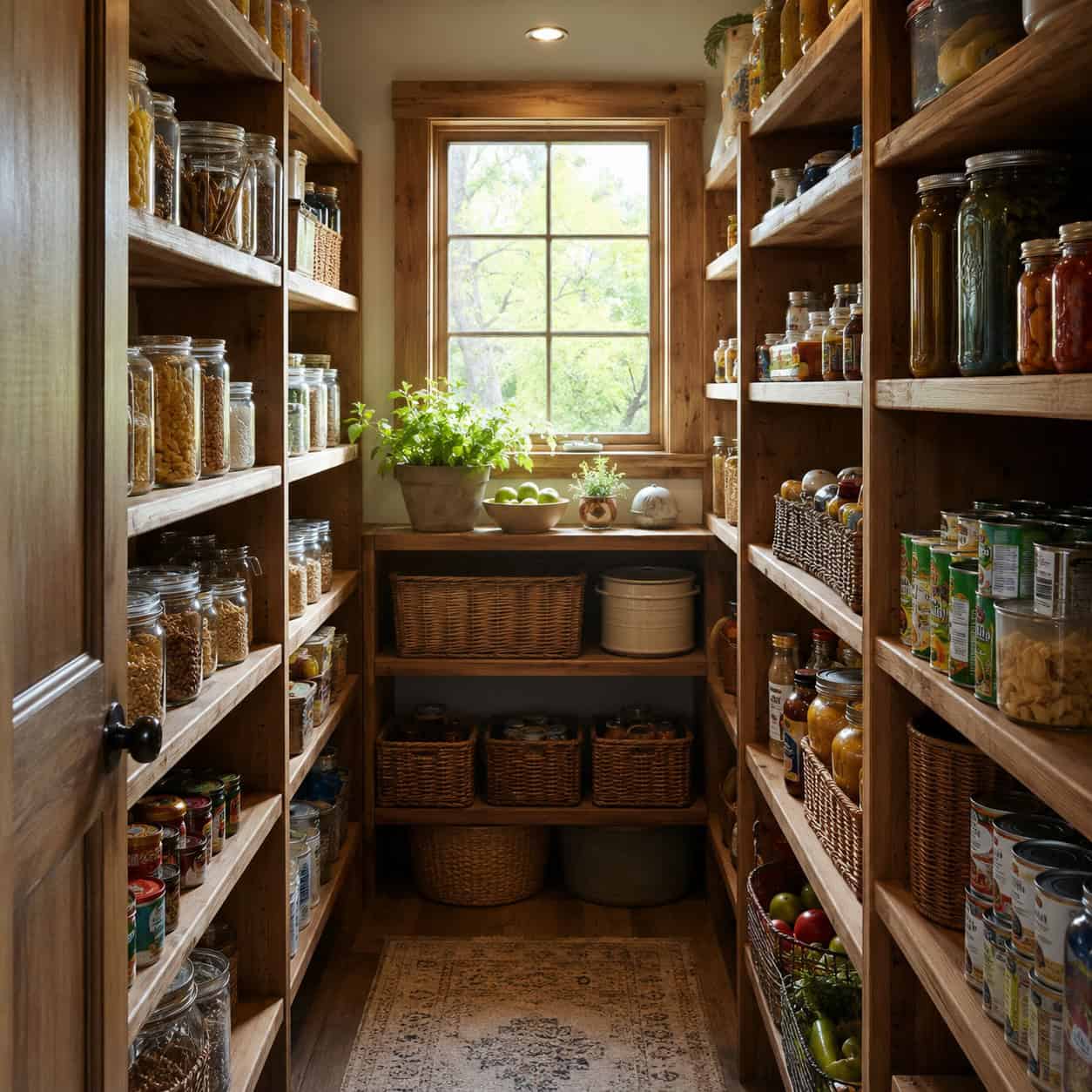
Storage shows up on the report.
A dedicated pantry is named among features that tend to add value, because storage is a genuine buyer priority — not a nice-to-have. Everyone wants somewhere to put the things.
It costs almost nothing to highlight. Clean it out, organize it, let it read as the useful space it is.
A walk-in pantry in an old farmhouse kitchen is one of those details that makes a buyer stop and picture living there.
21. A Garage
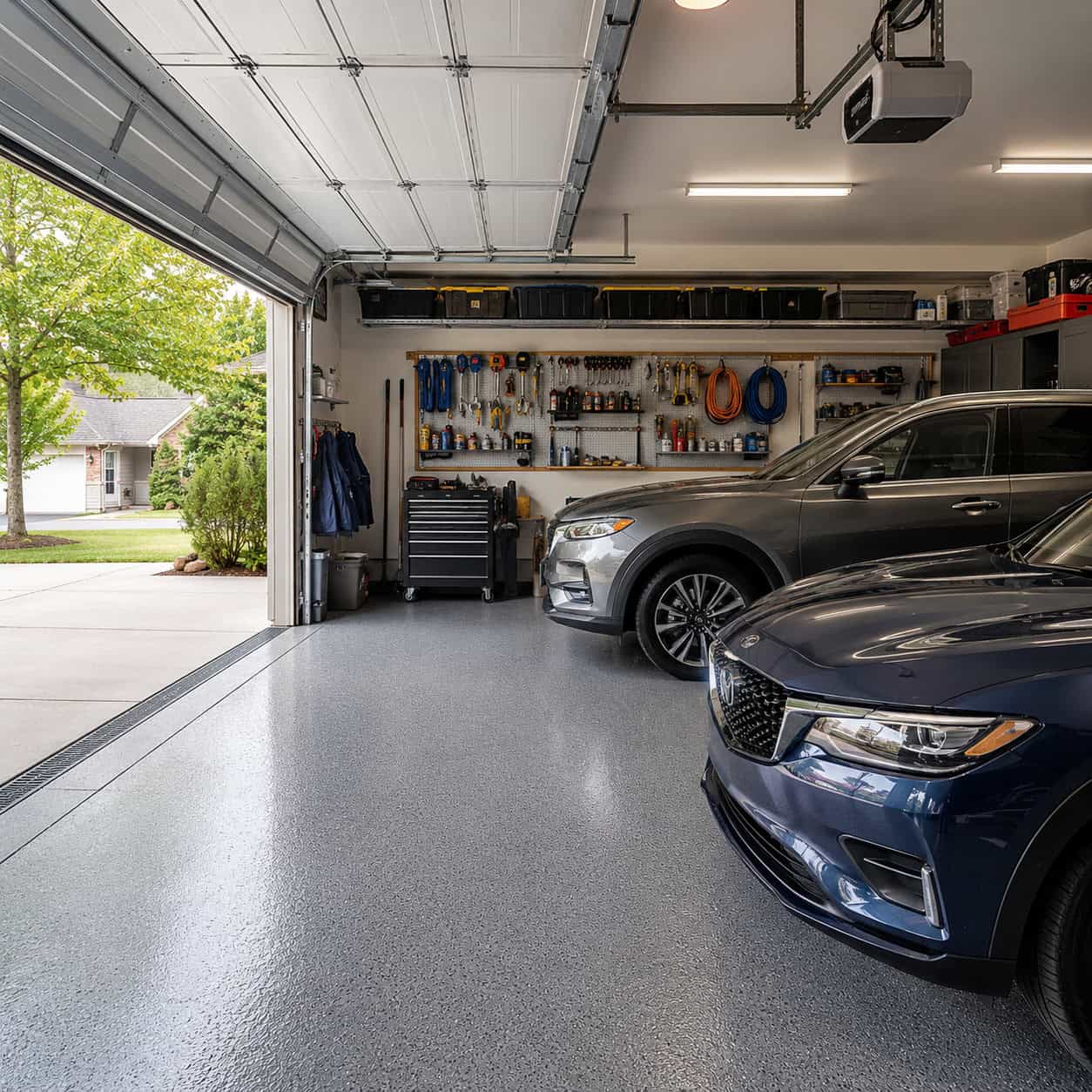
The amenity nobody thinks about until it’s missing.
Garages are a core value adder and a standard adjustment line. Appraisers bracket comparable homes by garage spaces — one-car, two-car, none — and adjust the value accordingly.
A well-kept garage quietly protects value. A converted one — turned into a bedroom or a den without proper permits — quietly erodes it, because now the house has no garage where buyers expect one.
Per Redfin, it’s a feature appraisers count directly. Losing it costs you on the report.
22. Above-Grade Gross Living Area
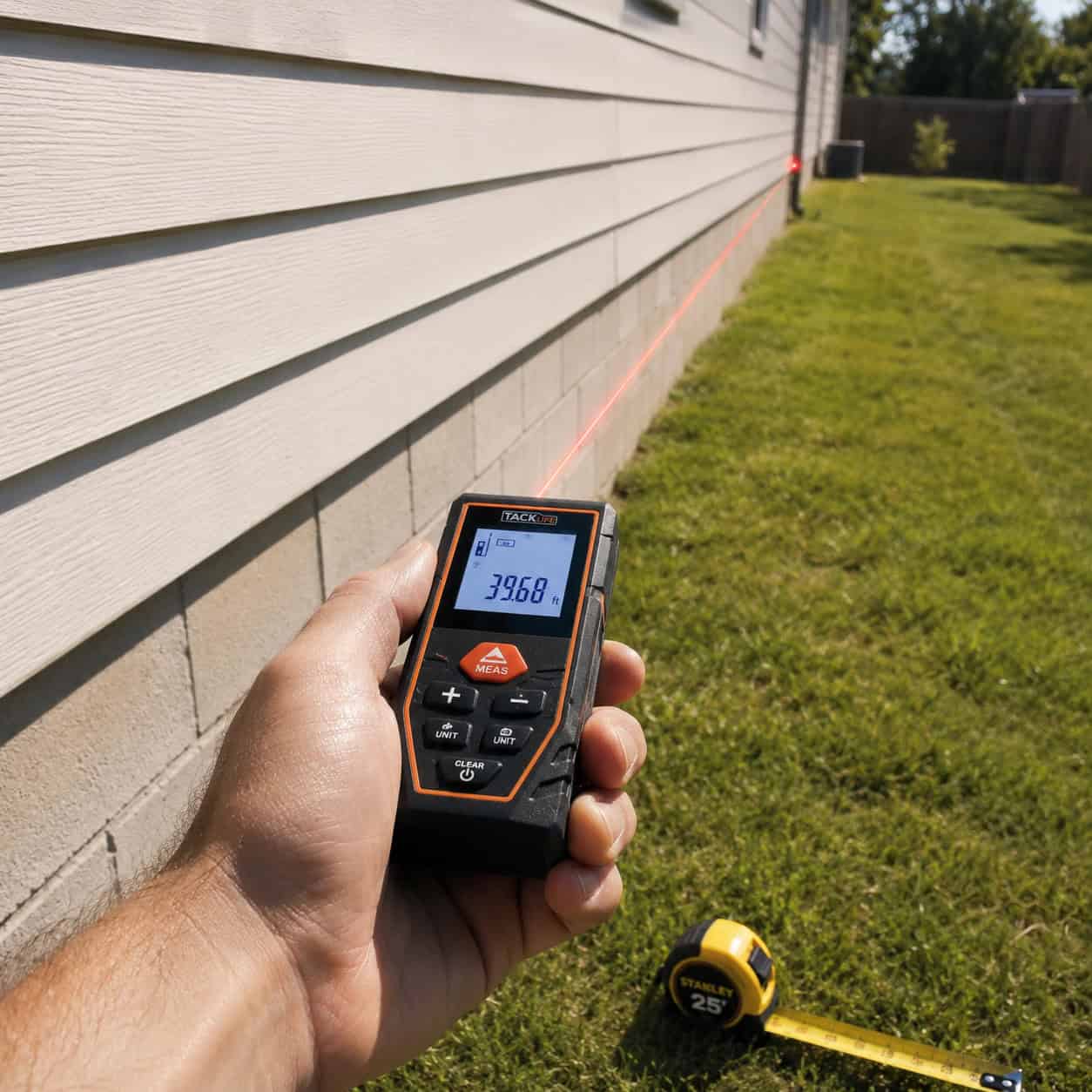
This is the metric weighted most heavily of all.
Above-grade finished square footage drives the price-per-square-foot comparison that anchors the entire appraisal. It’s the biggest single number in the whole equation.
Two things surprise people. Only finished, heated, above-ground space counts — not the garage, not the unfinished attic, and only partly the basement. And the appraiser measures it themselves, from the outside walls.
The listing might claim 2,400 square feet. The appraiser’s tape measure decides what the number actually is.
23. A Pattern of Consistent Care
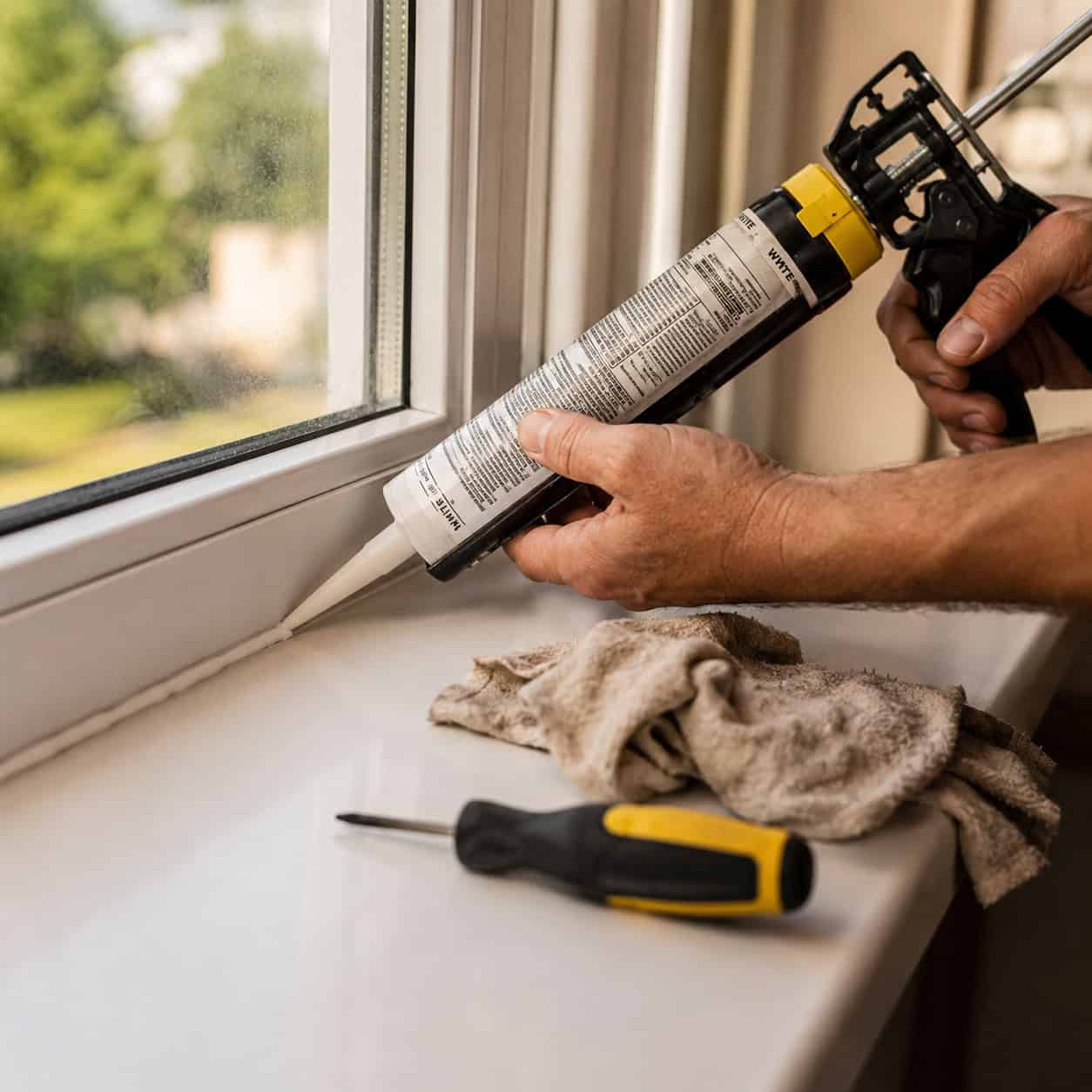
One small flaw is nothing. Several tell a story.
A dripping faucet, a cracked switch plate, a sticking door — alone, none of it matters. But appraisers read patterns. A dozen tiny deferred fixes together whisper the same word: neglect.
The flip side is the quiet win. A home where the little things are handled moves through appraisal smoothly and holds its condition rating.
Spend a weekend on the small stuff. Tighten the loose handle, caulk the gap, touch up the scuff. The cumulative impression is worth more than any single fix.
It’s the difference between a house that’s loved and one that’s merely occupied.
24. Neutral, Cohesive Finishes

Appraisers score condition, not taste. But taste still leaks into the impression.
Neutral tones and cohesive finishes make a home easier to compare against the comps and subtly lift the overall condition read. Everything looks intentional, finished, calm.
Bold, highly personal choices work against you at appraisal time. A lime-green bedroom or a mural in the dining room quietly narrows the pool of buyers who can picture themselves there.
You don’t have to love beige. But at sale time, it’s the safe money.
25. Documented, Permitted Upgrades
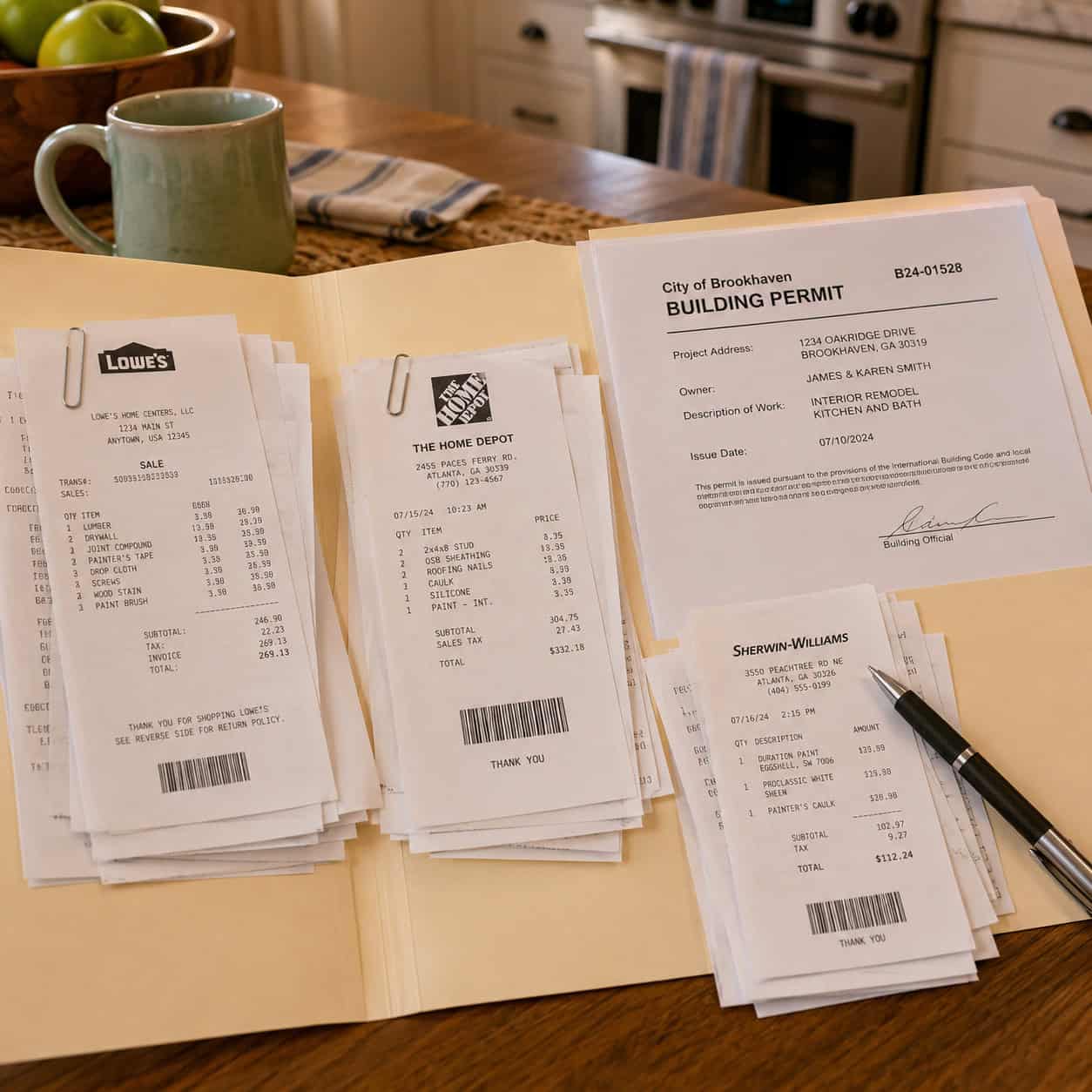
The cheapest lever on this whole list is paper.
A new roof, a new furnace, rewired panel — none of it gets full credit if the appraiser doesn’t know about it. Receipts, dates, and permits quietly protect the value of work they can’t otherwise verify.
Unpermitted work does the opposite. Per Opendoor, upgrades done without permits can actually subtract from value instead of adding to it.
Make a one-page summary. Every major improvement, the year, the cost, the permit number if there is one. Hand it to the appraiser at the door.
It’s a few minutes of work that can defend thousands of dollars.
26. Natural Light and Open Blinds

The free upgrade on appraisal day.
Open every blind. Pull back every curtain. A bright, well-lit house feels bigger and better maintained the moment someone walks in.
This one is soft — more staging than value driver. But light costs nothing and the impression it leaves is real.
Turn on the lamps too. Even at midday, a warmly lit room photographs and reads better than a dim one.
27. A Deep Clean and Declutter
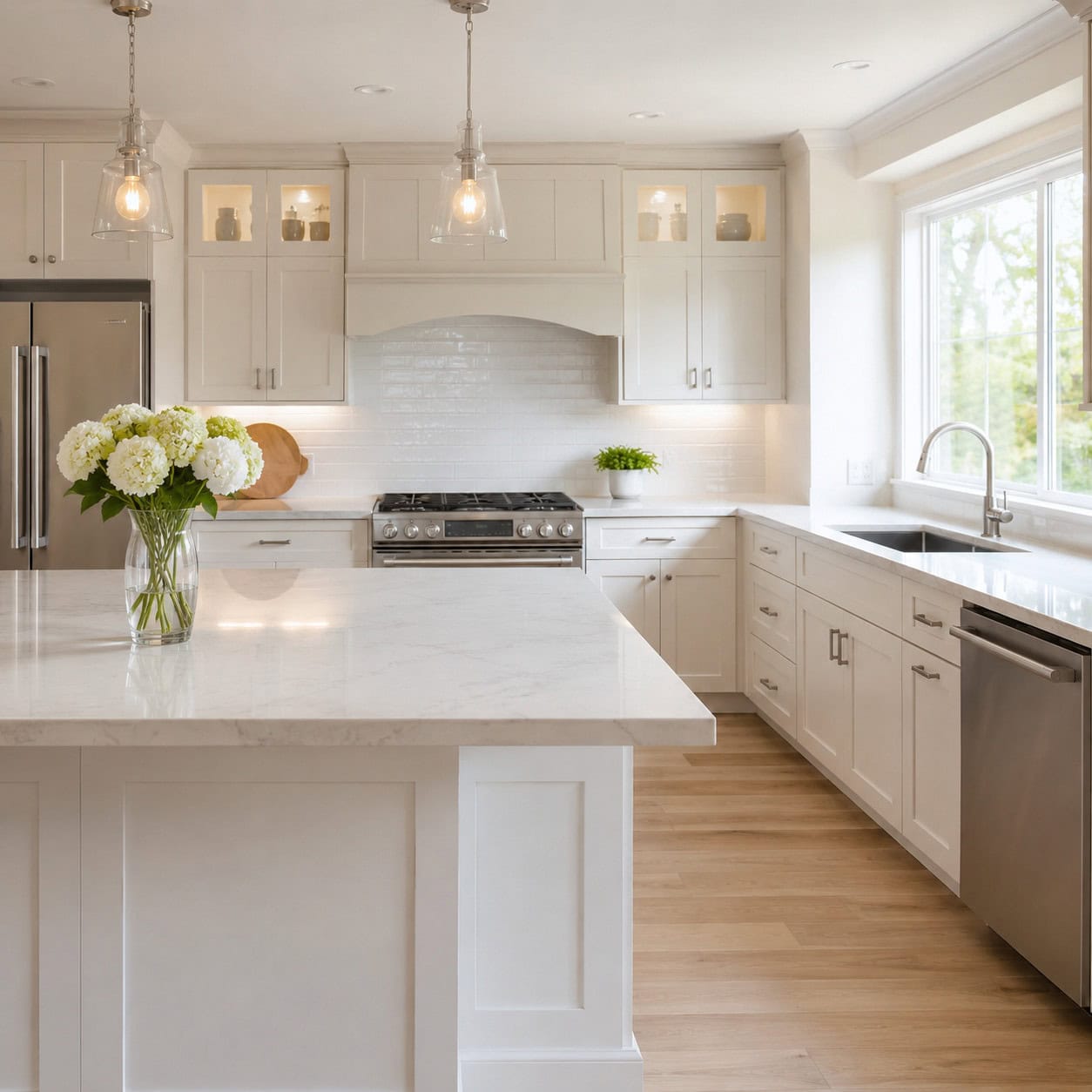
Near-infinite ROI, because it costs almost nothing.
A deep clean and a ruthless declutter don’t add a single feature to the house. They just let the house you already have show clearly.
A clean, uncluttered home reads as well-maintained and move-in ready. A crowded, dirty one hides its own good bones and invites the appraiser to assume the worst.
Clear the counters. Scrub the grout. Box up half of what’s on the shelves. It’s the last thing to do before the appraiser arrives and the easiest thing on the list.
The Quiet Truth About Value
Notice what’s missing from this list. No granite waterfall island. No spa bathroom. No trendy renovation you’ll regret in a decade.
The things that quietly raise a home’s value are the honest ones — a sound roof, dry footings, updated wire, a floor that’s been cared for. The stuff an old builder would have called doing it right.
You can’t fake most of it. But you can uncover it, document it, and let it be seen.
A well-kept house tells the truth about itself. The appraiser is just there to write it down.