


You walk into the house and something just clicks. The light is good, the kitchen has been redone, the price is twenty grand under what you expected. You start picturing your couch in the living room before you’ve even taken your shoes off.
That’s exactly when you need to slow down.
Every house has a story, and a lot of them have a chapter the seller is hoping you skip right past. Some red flags are cosmetic and fixable. Others will follow you around for the next twenty years like a bad credit score — draining your bank account every time you turn around.
The worst part is that most of them are not hidden. They are sitting right there in plain sight, on the listing, in the yard, or behind a wall the seller is praying you do not look at too carefully.
Here are 29 red flags that should make you walk away from a house, no matter how good the price looks.
1. A Buried Oil Tank in the Yard
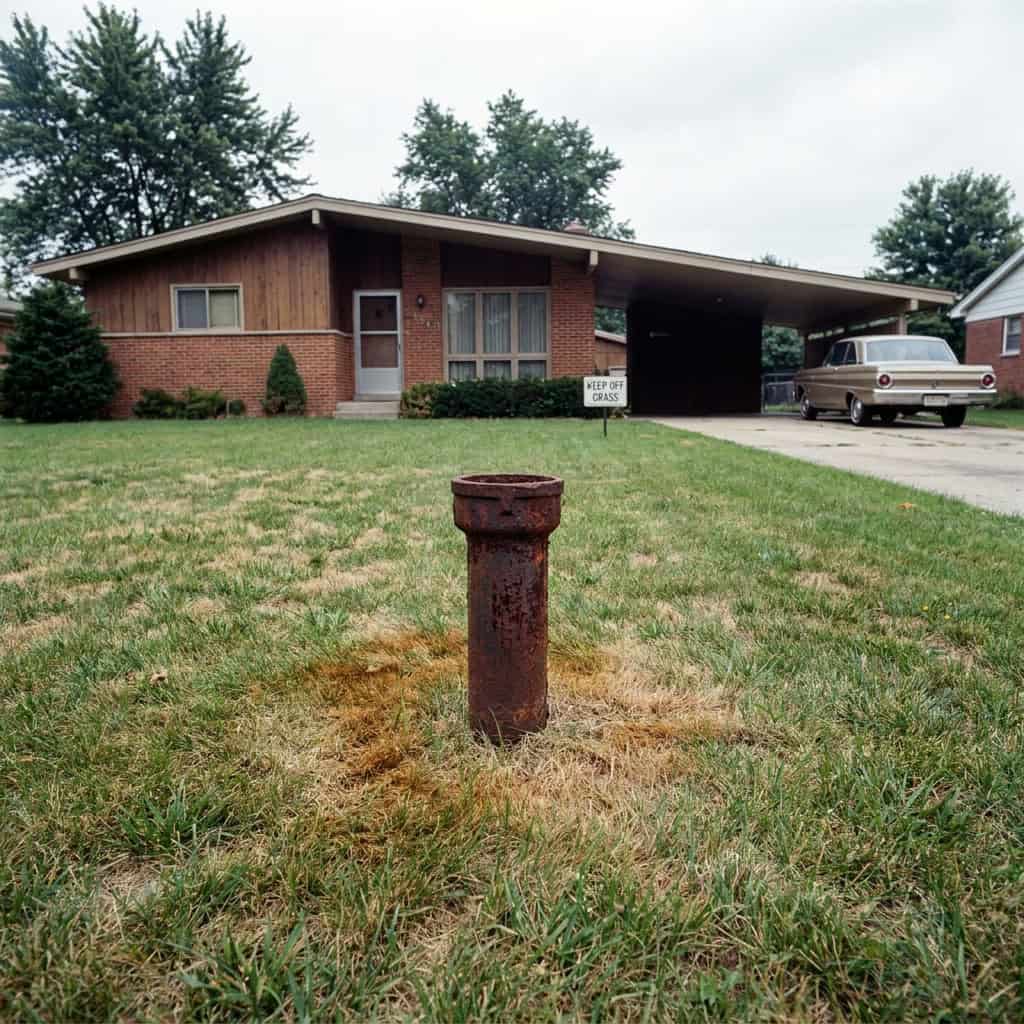
If the house was built before the 1980s in the Northeast or Midwest, there is a decent chance there is an old oil tank buried somewhere in the yard. Some were properly removed. Many were not.
The problem is that steel tanks rust. And when they rust, they leak. And when they leak, they contaminate the soil around them — and sometimes the groundwater under them.
A standard tank removal might run a few thousand dollars. A full environmental remediation, if the soil tests dirty, can run anywhere from $15,000 to over $100,000. In worst-case scenarios involving well water contamination, that number climbs much higher.
Ask the seller directly. Ask the neighbors. If you see a small vent pipe sticking out of the lawn or a metal cap in the driveway, you already have your answer.
2. Knob-and-Tube Wiring

Open the basement ceiling or peek into the attic of a pre-1950s home and you might see something that looks like a science museum exhibit — porcelain knobs holding fabric-wrapped wires that snake through the joists.
That is knob-and-tube wiring, and it was the standard from about 1880 to the 1940s. The wiring itself is not automatically dangerous. The problem is that it was never designed for modern electrical loads, it has no ground wire, and the cloth insulation gets brittle and crumbly with age.
Most insurance companies will not even write a policy on a house with active knob-and-tube. The ones that will charge a premium for it.
A full rewire on a typical home runs $8,000 to $20,000, and that does not include the drywall repair after the electricians cut holes in every wall to fish the new wire.
3. Aluminum Branch-Circuit Wiring

Between roughly 1965 and 1973, copper prices spiked and builders started using aluminum wiring instead. It worked fine — until the connections started loosening up over time as the aluminum expanded and contracted.
Loose connections in your walls are not a small thing. They cause arcing. Arcing causes fires. Homes with aluminum branch wiring have been documented to have a meaningfully higher fire risk than homes with copper.
The fix is either a full rewire or a process called “pigtailing,” where an electrician adds a short copper lead at every outlet, switch, and junction box. It is tedious, expensive, and has to be done right.
If the inspector spots silver-colored solid wire behind an outlet faceplate, take it seriously. This is not the kind of thing you live with and ignore.
4. A Federal Pacific or Zinsco Electrical Panel

There are a handful of brand names that make a home inspector wince the moment they walk into the basement. Federal Pacific Electric “Stab-Lok” panels and Zinsco panels are at the top of the list.
These panels were installed by the millions from the 1950s through the 1980s. The problem is the breakers — they have been documented to fail to trip during overcurrent events. Which is exactly what a breaker is supposed to do.
A breaker that does not trip is a breaker that lets a fire start.
Replacing an electrical panel runs anywhere from $2,500 to $5,000, and your insurance company will probably make you do it anyway before they write the policy. This is one to walk away from unless the seller is paying for the swap before closing.
5. Polybutylene Plumbing Pipes

If the house was built between 1978 and 1996, peek under the kitchen sink and in the basement for grey plastic pipes about the diameter of a garden hose. That is polybutylene, and it was used in roughly 10 million American homes during that window.
The pipe reacts with the chlorine in municipal water. Over time, it gets brittle from the inside out and develops microscopic fractures. Then one day, without warning, it bursts.
It is not a question of if these pipes will fail. It is when.
A full repipe on a typical house runs $5,000 to $15,000 or more, and that is before the drywall repair. Insurance companies are increasingly refusing to cover homes with active polybutylene plumbing, and some will not write a policy at all.
6. Galvanized Steel Water Pipes

Go one generation older and you get galvanized steel — the standard for water supply lines from the early 1900s through the 1960s. These pipes look indestructible from the outside. The problem is what is happening on the inside.
Over decades, mineral deposits build up inside the pipe. The interior diameter slowly chokes down from a clean three-quarter inch to a sludgy quarter inch. Water pressure drops. The water itself starts showing up rusty or brown.
Worse, galvanized pipe corrodes from the inside out, so by the time you see a leak, the pipe has already been failing for years.
A whole-house repipe is the only real fix. Plan on $4,000 to $10,000 depending on the size of the house and how accessible the plumbing is.
7. Asbestos Insulation, 9×9 Floor Tiles, or Popcorn Ceilings

Asbestos was the miracle material of mid-century home construction. It was cheap, fire-resistant, and seemingly indestructible. It also turns out to cause lung cancer and mesothelioma when its fibers are inhaled.
In a pre-1980 home, it could be hiding almost anywhere. The white wrap around your basement ductwork. The 9×9 vinyl floor tiles in the laundry room. The popcorn texture on every ceiling. The siding shingles on the exterior. The roofing felt under the shingles.
Left alone and undisturbed, intact asbestos is generally not dangerous. The trouble starts the moment you want to renovate.
Professional abatement runs $5 to $20 per square foot, and you cannot just rip it out yourself. Every kitchen remodel, every flooring swap, every ceiling project suddenly becomes a hazardous material job.
8. Lead Paint

Every home built before 1978 is presumed to have lead paint somewhere — typically on window frames, door trim, baseboards, and exterior siding. Lead paint is not dangerous if it stays intact. It becomes dangerous when it chips, flakes, or gets disturbed during renovation.
Children under six are especially vulnerable. Lead exposure during early development causes permanent neurological damage, learning disabilities, and behavioral problems. Even low-level exposure has measurable effects.
If you are planning to have kids, foster, or have grandkids visit, this matters. Encapsulation costs a few thousand dollars per room. Full remediation costs much more.
Federal law requires sellers to disclose known lead hazards, but “I do not know” is a perfectly legal answer. Assume it is there.
9. Foundation Cracks Wider Than a Pencil
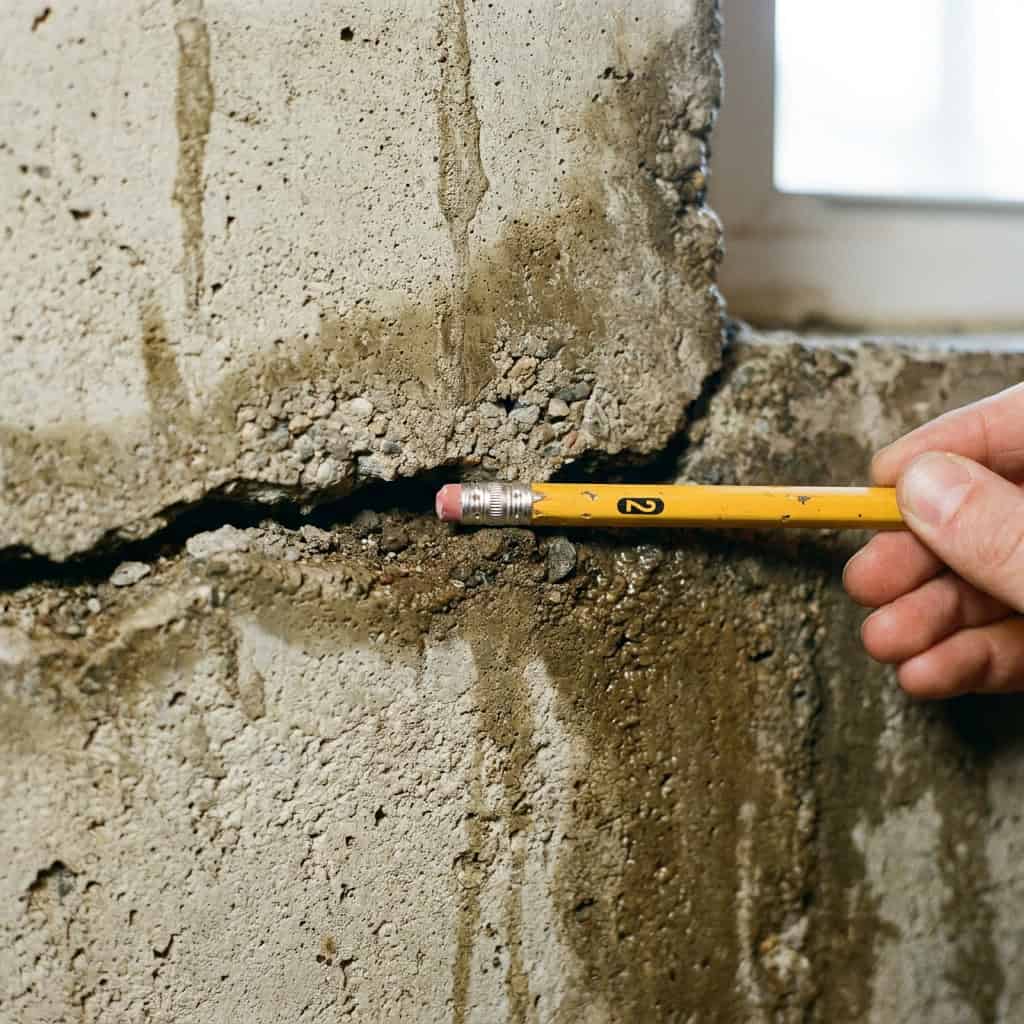
Every house has a few hairline cracks in the foundation. Concrete cures, settles, and develops small surface fractures. Those are usually nothing.
What you do not want is a crack wider than the diameter of a number two pencil. You especially do not want a crack that runs horizontally, or one with a stair-step pattern through the mortar joints, or one where one side of the crack is offset from the other.
Those are signs of active structural movement. The foundation is shifting, settling unevenly, or being pushed in by hydrostatic pressure from the surrounding soil.
A structural engineer charges $500 to $700 to evaluate. The actual repair — if it can be repaired — can run anywhere from $5,000 to $40,000 or more, depending on whether the fix involves carbon fiber straps, helical piers, or a full foundation underpinning.
10. Pyrite or “Crumbling Concrete” in the Foundation
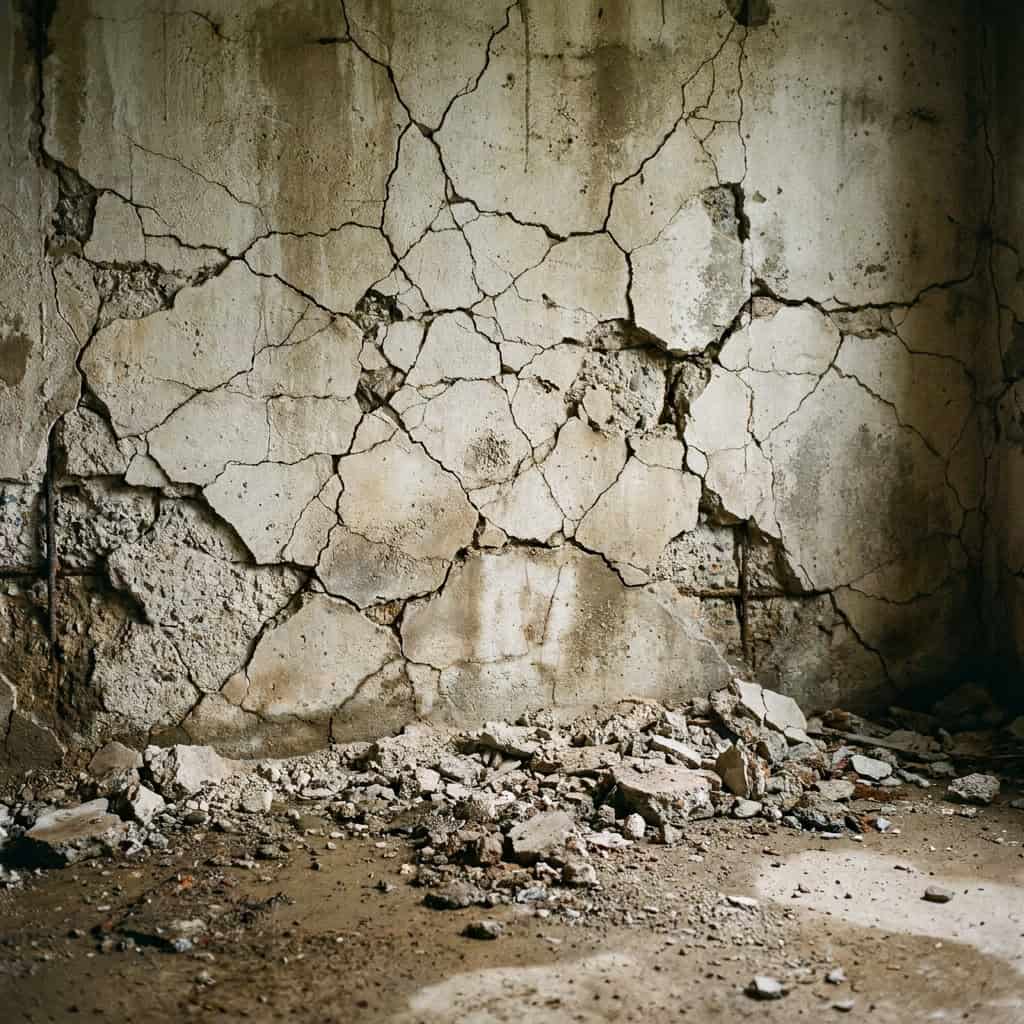
This one is regional, mostly affecting parts of Connecticut, Massachusetts, and Quebec — but if you are buying in those areas, it is a dealbreaker on its own.
Concrete made with aggregate containing the mineral pyrrhotite slowly expands and self-destructs as it oxidizes. The result is a foundation that cracks in a distinctive spiderweb pattern, then literally crumbles in your hands twenty or thirty years after the house was built.
There is no cheap fix. The only real solution is to lift the house, demolish the foundation, and pour a new one. That is a $200,000 to $400,000 job, and the state programs that help pay for it have multi-year waiting lists.
If you are buying anywhere in the affected region, get a core sample and a pyrrhotite test before you sign anything.
11. A Roof With Curled, Missing, or Shedding Shingles

The roof is one of the easiest things to evaluate from the curb, and one of the most expensive to replace. Stand back from the house and really look.
Curled shingle edges are a sign the shingles are at the end of their useful life. Missing shingles mean storm damage has not been addressed. Black streaks are algae, which is mostly cosmetic. But granules in the gutters and around the downspouts mean the shingles are actively shedding their protective coating.
A typical asphalt shingle roof lasts 15 to 25 years. A replacement on an average-sized home runs $8,000 to $20,000, and a complex roof with multiple valleys and dormers can easily climb past $30,000.
If the seller cannot tell you the roof’s age and you can see daylight through it from the attic, walk away or negotiate hard.
12. A Failing or Unlined Chimney
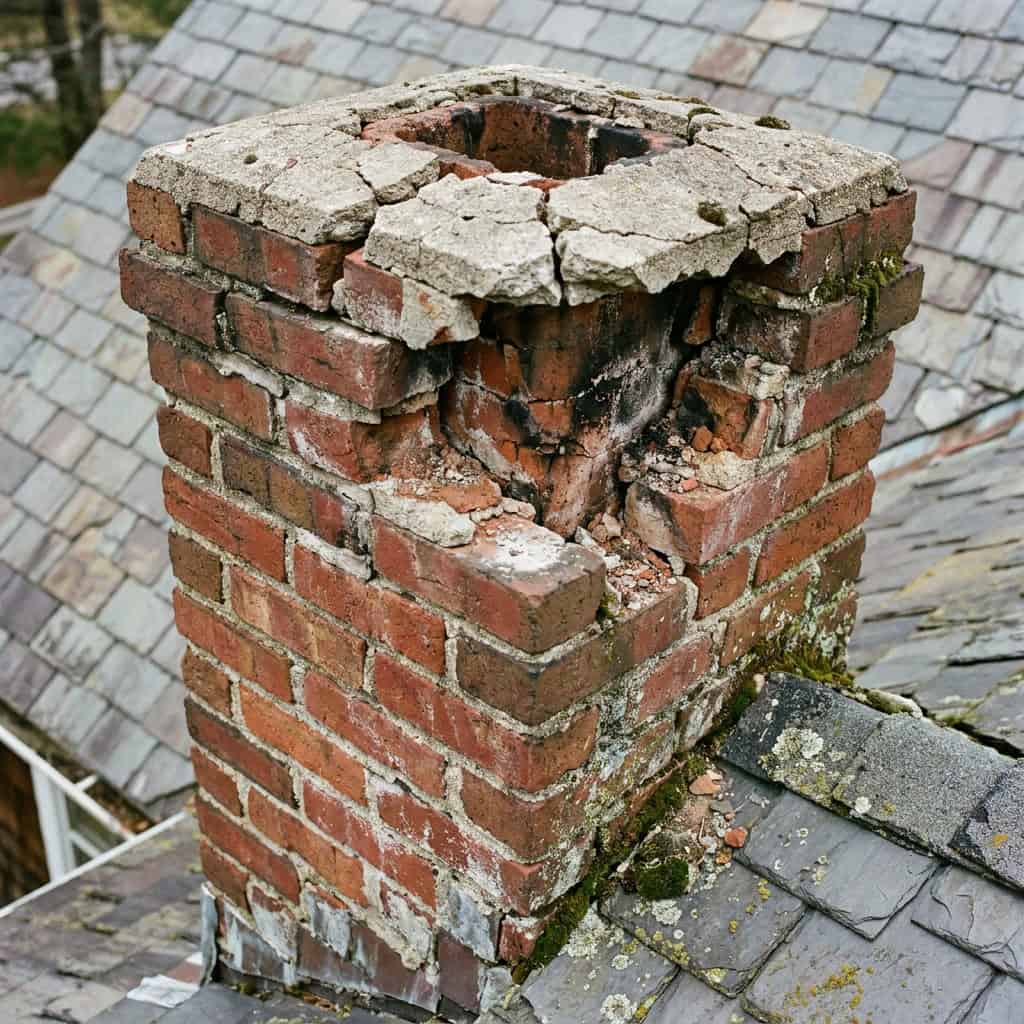
Most buyers look at a chimney and see a charming brick stack. Inspectors see one of the most expensive things in the house.
Older masonry chimneys often have deteriorated mortar joints, cracked or missing crown caps, and — most importantly — clay flue liners that have cracked and separated over decades of heating and cooling.
A cracked flue liner is a fire hazard. The whole point of the liner is to keep combustion gases contained inside the chimney instead of leaking into the surrounding wood framing of your house.
Relining a chimney with a stainless steel insert costs $2,500 to $7,000. A full rebuild of a deteriorated chimney can run $10,000 to $30,000.
13. A Basement That Smells Musty or Shows Water Stains

The first thing a smart buyer does in a basement is close their eyes and breathe in. If the air smells damp, earthy, or musty — like an old library that has been closed up for a season — something is wet down there.
Then look at the walls. White chalky deposits on the concrete (efflorescence) mean water has been wicking through. Brown horizontal stain lines on the foundation walls show how high the water has risen during past floods. Rusted nail heads in the floor joists are another telltale sign.
Pay close attention if the basement has been freshly painted. Sellers often paint over water stains to hide them right before listing.
A wet basement might be fixable for a few thousand dollars with better grading and a sump pump. Or it might require a full interior or exterior waterproofing system at $10,000 to $25,000.
14. The Yard Slopes Toward the House
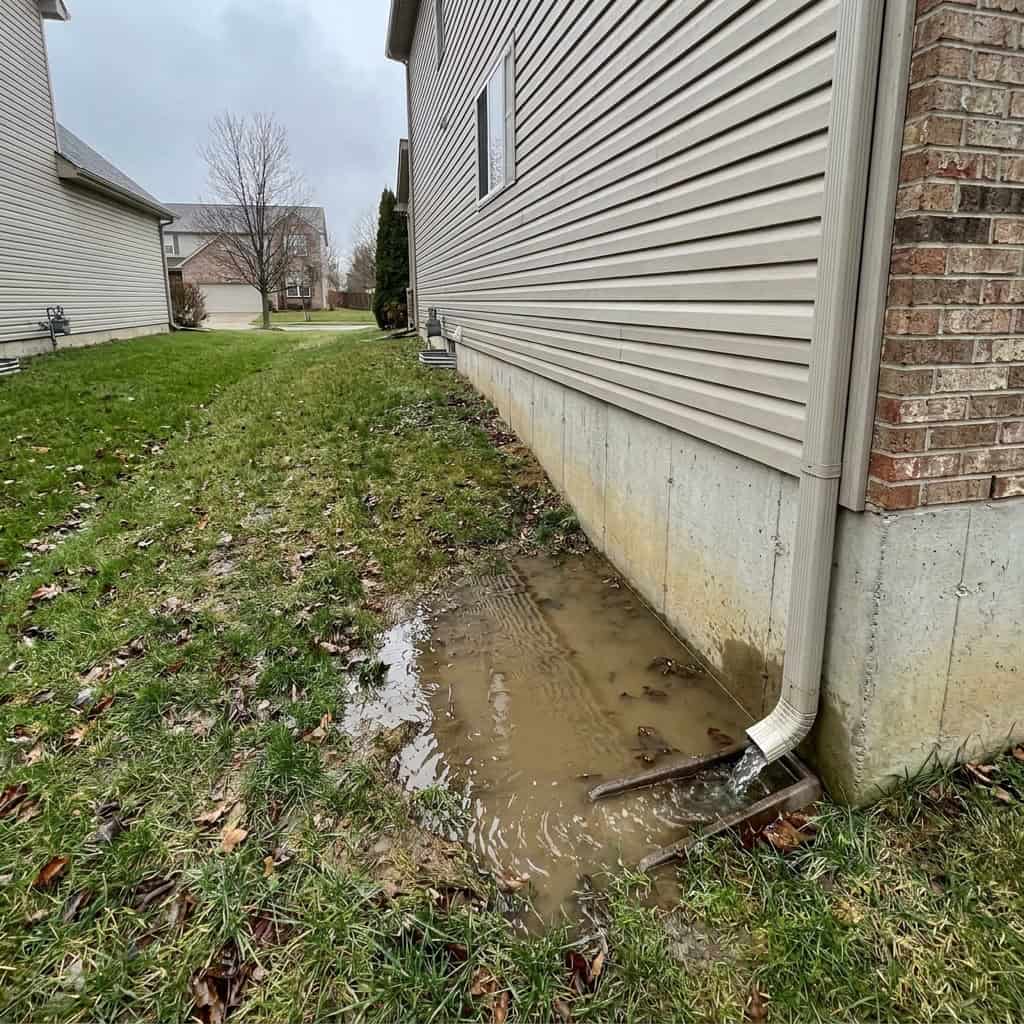
Walk the perimeter of the house with a critical eye on the dirt. The ground should fall away from the foundation at a slope of at least six inches over the first ten feet of horizontal distance.
If the yard is flat against the foundation — or worse, slopes back toward the house — every rainstorm is dumping water against the basement walls. Over years, that water finds every crack and weak point. It is the single biggest cause of wet basements and foundation issues in residential construction.
Regrading a yard is not rocket science, but it is dirty, expensive work. Add in french drains, downspout extensions, and possibly a swale, and the bill can climb fast.
This is one of those problems where the seller has been swimming in the consequences for years and is hoping you do not notice.
15. A Failing or Bulging Retaining Wall
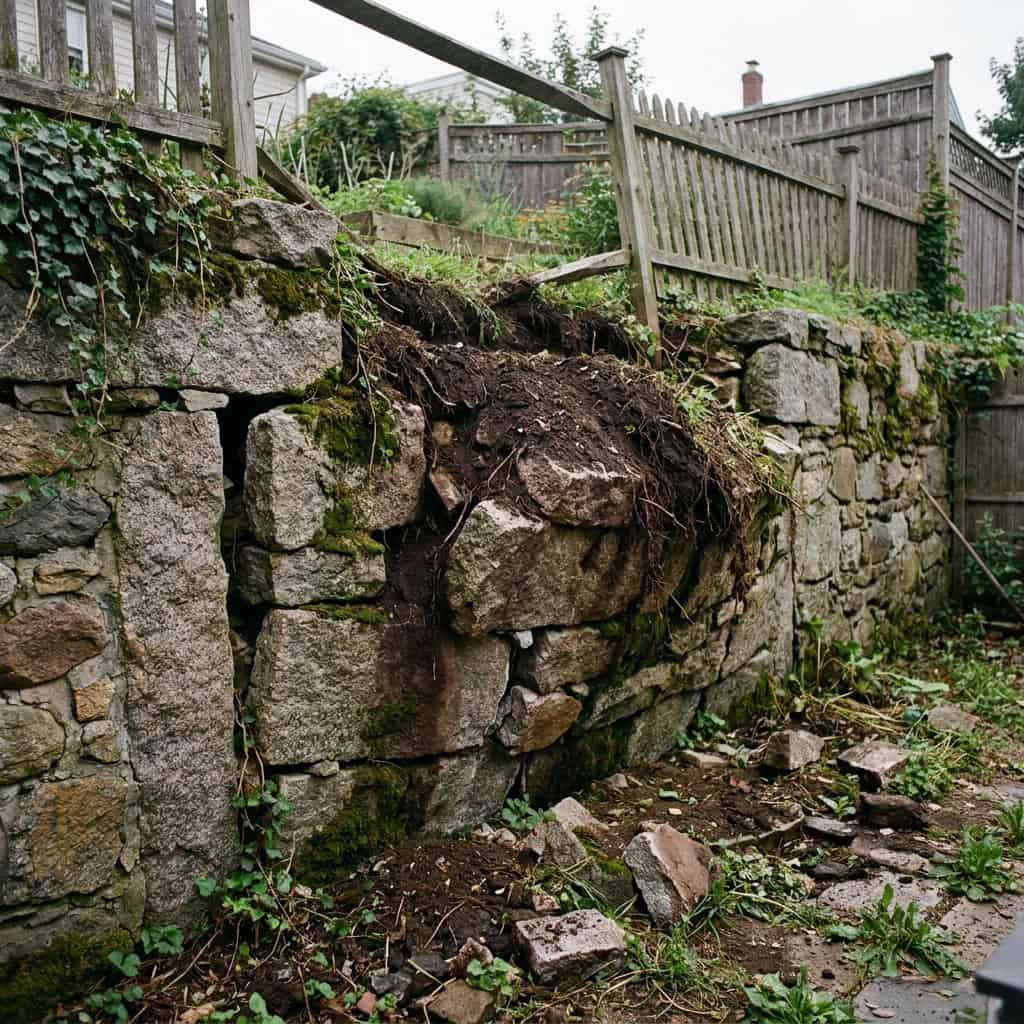
If the property is on a slope, there is a good chance there is a retaining wall somewhere — holding back a hillside, terracing a yard, or supporting a driveway.
A retaining wall doing its job sits straight, holds level, and has functioning drainage behind it. A retaining wall failing at its job leans forward, bulges out in the middle, shows vertical cracks, or has the soil behind it visibly pulling away from the top.
Rebuilding a retaining wall is one of the most underrated expenses in homeownership. A modest 50-foot wall can easily run $15,000 to $30,000. A large structural wall holding back a serious slope can run six figures.
Ask the seller who built it and when. If the answer is “the previous owner, we think the seventies,” you have your answer.
16. EIFS / Synthetic Stucco Siding
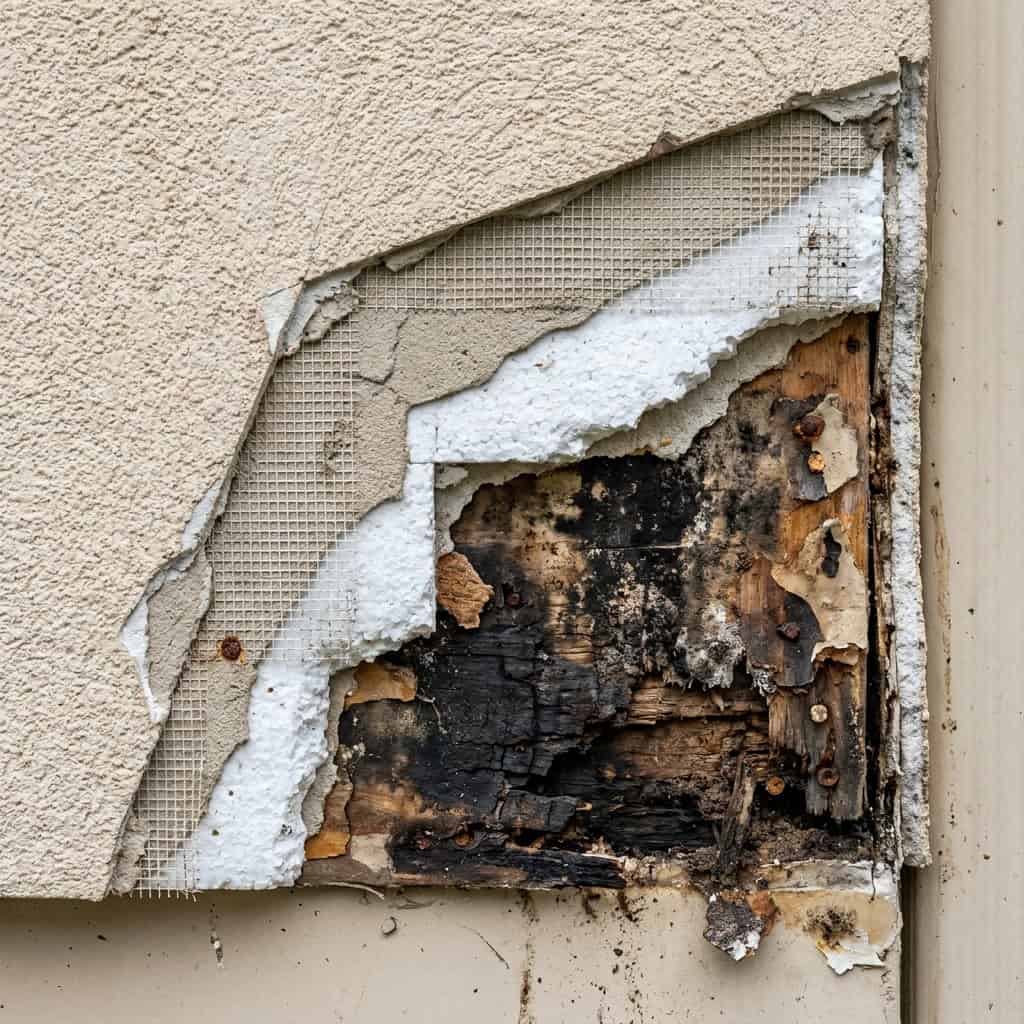
EIFS — Exterior Insulation and Finish System, commonly called synthetic stucco — was the darling of upscale builders in the 1980s and early 1990s. It looks like traditional stucco but is actually a layered system of foam board, mesh, and a thin acrylic coating.
The problem is that the original installations had no drainage plane. Any water that got in had nowhere to go, so it sat trapped against the wood sheathing underneath. Over years, the sheathing rotted, the framing rotted, and entire walls of expensive houses turned to mulch behind a perfectly fine-looking exterior.
A full EIFS remediation — strip it all off, replace the rotten sheathing and framing, then reside in something else — can easily run $50,000 to $150,000 on a typical home.
Modern EIFS systems are drained and much better. But if you are looking at a house from the EIFS heyday, get a moisture probe inspection before you make an offer.
17. The Home Sits in a FEMA Flood Zone

Pull up the FEMA flood map before you even tour the property. If the address falls in a Special Flood Hazard Area — anything starting with “A” or “V” — you are dealing with a high-risk flood zone.
Your mortgage lender will require flood insurance. The premium depends on the elevation and risk level, but figure anywhere from $800 to $5,000 per year, and the FEMA Risk Rating 2.0 rollout has been pushing many premiums sharply higher.
Resale is harder, because you are subtracting from the pool of buyers willing to take on those costs and risks. And flooding itself is unpredictable — the “100-year flood” zone is supposed to mean a 1% chance per year, but climate trends have been making that math look optimistic.
Waterfront views are nice. Six inches of standing water in your finished basement is not.
18. High-Voltage Power Lines Running Over or Behind the Property

The big steel transmission towers carrying high-voltage power across the landscape are not the same as the wooden distribution poles in front of every house. The transmission lines carry tens of thousands of volts, and they bring three problems with them.
The first is aesthetic — they are massive, ugly, and visible from every window facing them. The second is noise — high-voltage lines hum and crackle, especially in wet weather. The third is the long-running debate over electromagnetic field exposure, which has produced decades of inconclusive but not exactly reassuring studies.
Whether or not the health concerns are real, they are real to the next buyer. Homes near high-voltage lines consistently sell for 10 to 30 percent less than comparable homes a few streets away.
That is a permanent discount baked into the property.
19. Backed Up to a Highway or Busy Road

You tour the house on a Sunday afternoon when traffic is light and everything seems fine. Then you move in on a Tuesday morning at 7:30 a.m. and discover the road behind the fence is a commuter artery with a steady wall of sound from 6 a.m. to 9 p.m.
Highway and busy-road properties have measurable problems. Studies consistently show they sell for less. Air quality near major roads is meaningfully worse. Noise levels disrupt sleep even when the windows are closed.
Sound walls and triple-pane windows help, but they do not make the highway disappear.
If you find yourself standing in the backyard listening to constant traffic and telling yourself “you get used to it” — trust me, you do not.
20. Within Earshot of Train Tracks or a Flight Path

Trains and planes are the same problem as the highway, except the noise comes in concentrated bursts that are arguably worse. A freight train at two in the morning is something you feel in your chest, not just hear.
Ask the seller specifically how many trains come through, and at what hours. Then sit on the deck for an hour at different times of day. Or look up the freight schedule yourself.
For flight paths, pull up the airport’s noise contour map. There is a reason the houses directly under final approach are always cheaper than the houses one neighborhood over.
These properties exist because somebody bought them. They are not going up in value any faster than the comparable properties without the noise penalty.
21. Backs Up to a Cemetery, Landfill, or Commercial Lot

This one comes down to math. Anything that limits your future buyer pool limits your resale value, full stop.
A cemetery is actually one of the better ones — they are quiet, they are not going to be developed into something worse, and a meaningful percentage of buyers do not mind. But a landfill brings smell issues, truck traffic, and groundwater concerns. A commercial lot brings parking lot lights, dumpster pickups at 5 a.m., and the constant possibility of a worse tenant moving in.
Even something benign-looking like a strip mall behind your fence comes with delivery trucks, late-night exterior lighting, and the noise of the HVAC units on the back of the building.
The seller bought it knowing these things. Now they are hoping you do not think about them too carefully.
22. An Aging Septic System — or Worse, a Cesspool
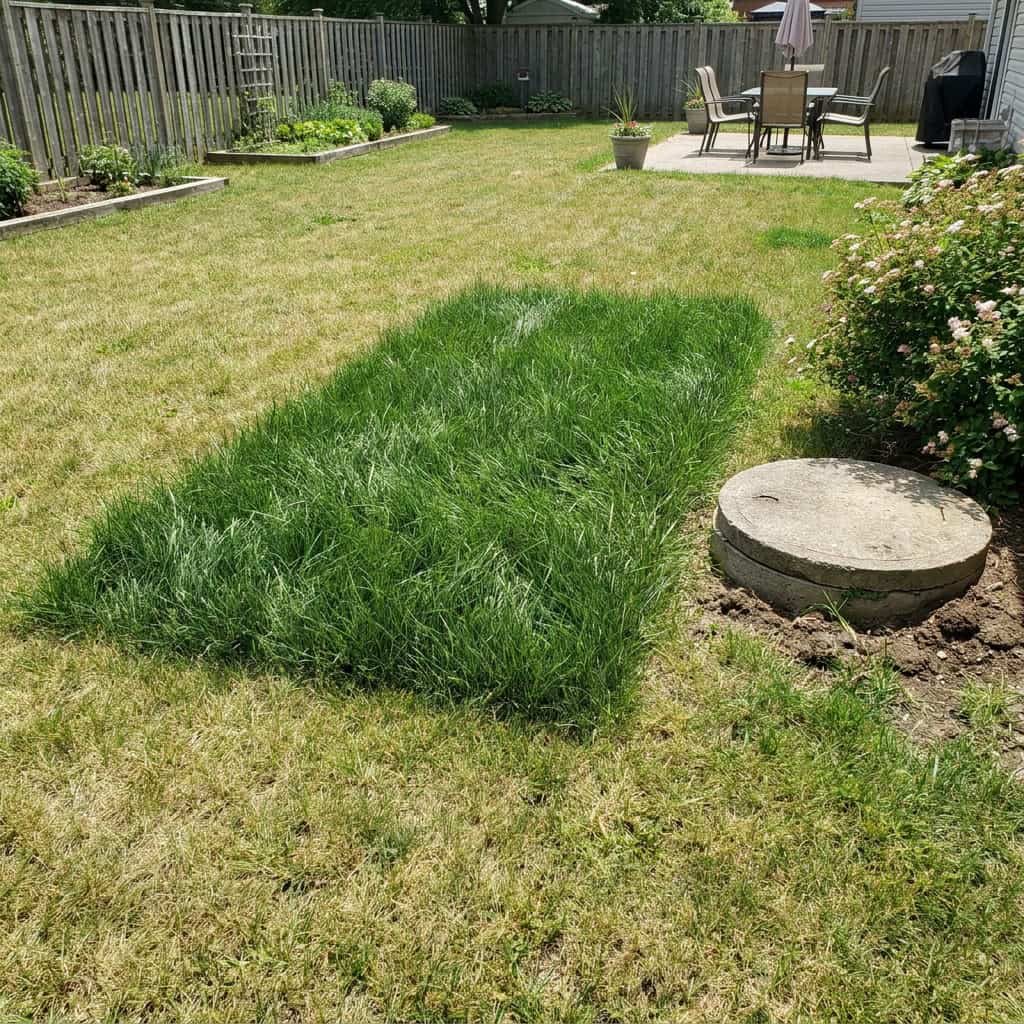
If the house is on septic, get the system inspected — not just visually, but with a full tank pump-out and a dye test. A working septic system is invisible. A failing septic system announces itself with a soggy patch of suspiciously green grass over the drain field, gurgling drains inside the house, and the unmistakable smell of sewage in the yard.
A septic tank replacement runs $4,000 to $10,000. A full leach field replacement can climb to $20,000 to $40,000.
A cesspool is worse. These are old-school underground pits that were essentially holes lined with brick or stone, where the waste seeped directly into the surrounding soil. They are not legal to install today, but plenty of older properties still have them.
Many states require cesspools to be replaced at the time of sale. Find out before you sign.
23. A Shared Well With the Neighbors
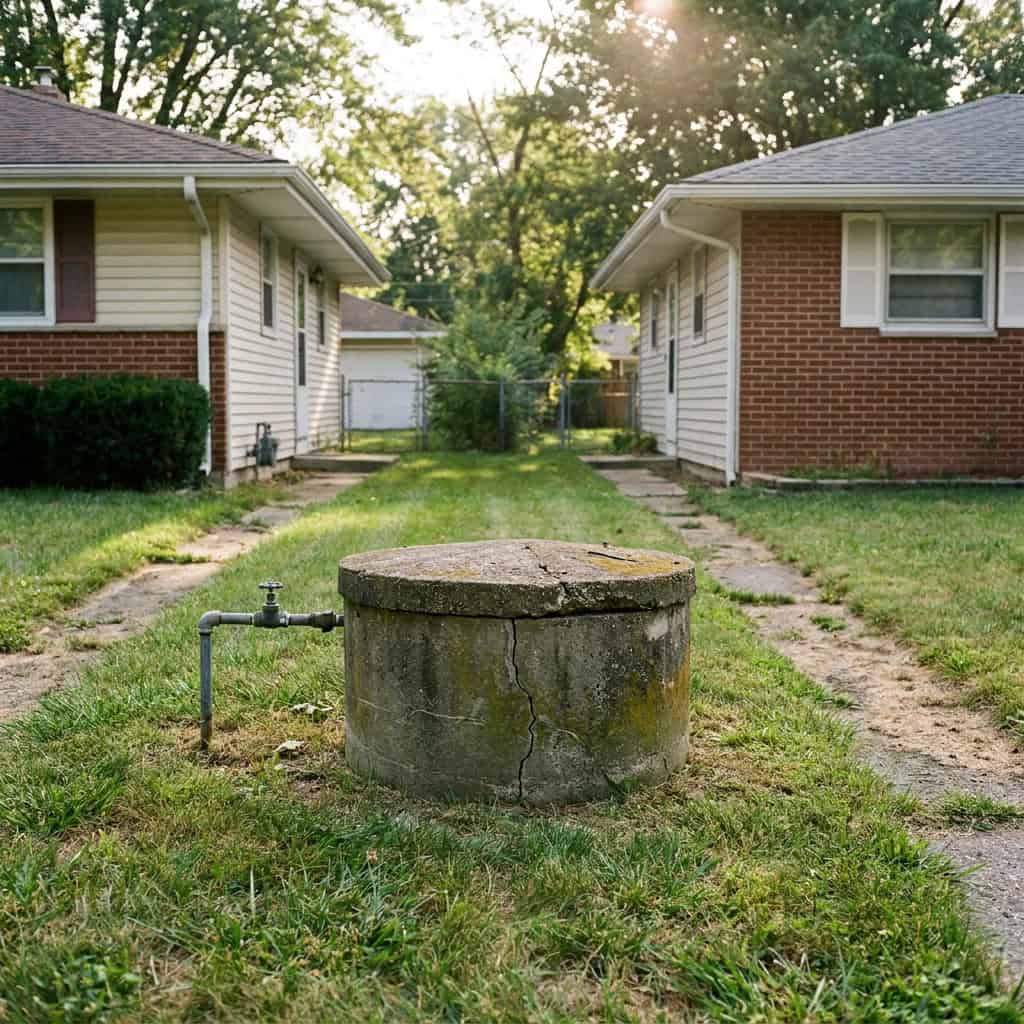
A private well is one thing — you control it, you maintain it, and any water-quality issues are your problem alone. A shared well is a whole different conversation.
The first issue is the legal agreement. Who owns the well? Who pays when the pump fails at midnight in February? What happens if the neighbor decides to run their irrigation system on a hot July day and you suddenly have no water?
The second issue is contamination. If your neighbor has a leaking oil tank or a failing septic field, your water is downstream of it.
The third issue is resale. Many lenders are skittish about shared wells. Many buyers will not consider them at all.
24. Major Renovations Done Without Permits

A renovated kitchen is supposed to be a selling point. A renovated kitchen that was never permitted is a liability you are about to inherit.
Unpermitted work means nobody from the building department ever verified that the electrical was done to code, the plumbing was vented correctly, or the wall that came out was not load-bearing. It also means none of that work shows up in the official record of the house.
You can be required to bring it up to code at your own expense, sometimes including ripping out finished walls to expose the rough-in for inspection. Your insurance company can deny a claim related to unpermitted work. Future buyers will find the missing permits and discount their offer accordingly.
Ask for permit records. If the seller waves vaguely and says “we did some of it ourselves,” consider that a yellow flag in pencil ready to be upgraded to red in pen.
25. A DIY Open Concept

Somewhere in the 2010s, every homeowner watched enough HGTV to convince themselves they could knock down the wall between the kitchen and the living room.
Some of those projects were done correctly, with a structural engineer, a properly sized beam, and a permit. Many were not. The result is a beautiful open space being supported by a wall stud that is just barely managing.
The signs are subtle. Look for cracks running diagonally from the corners of doorways or windows. Sagging in the second-floor ceiling above where the wall used to be. Doors upstairs that suddenly do not close right.
The fix usually involves opening the ceiling, installing a properly sized LVL beam, and possibly transferring loads down through new posts. Budget $5,000 to $20,000 depending on the span and how much finish work needs to be undone and redone.
26. A House That Was Just Flipped by an LLC

Look at the recent sale history. If the property was sold six to twelve months ago to a corporate LLC at one price and is now back on the market at a substantially higher price, you are looking at a flip.
Some flippers are skilled, careful, and stand behind their work. Many are not. The economics of flipping reward cosmetic upgrades and punish proper repairs.
The classic signs of a quick flip: new paint over old issues, new flooring throughout (covering the old subfloor without checking it), brand-new fixtures, and a kitchen that looks like an Instagram ad. What you do not see is whether the roof is at the end of its life, whether the electrical was actually updated or just had pretty new outlet covers installed, and whether the basement still floods every spring.
Get a thorough inspector who specifically knows what to look for in flipped properties. And check the listing photos from the previous sale, if you can find them, to see what was actually there before the makeover.
27. An HOA With Restrictive Rules or a Pending Special Assessment

Read the HOA documents before you make an offer. All of them. Yes, all 200 pages.
The first thing to look for is the financial health of the association. A well-run HOA has a healthy reserve fund for major future expenses — roof replacements, road repairs, pool resurfacing, building exteriors. A poorly run HOA has been deferring those costs for years and is about to drop a special assessment on every owner.
A special assessment of $10,000 to $40,000 per unit is not unheard of when the bill finally comes due. Sometimes it is much higher.
Then look at the rules. Can you park your boat in your driveway? Paint your front door the color you want? Plant a tree without filing paperwork? Run a home business? Some HOAs are reasonable. Others will fine you for leaving your trash can at the curb an extra day.
The seller is escaping. You would be inheriting.
28. A “Mass Exodus” Street With Multiple For-Sale Signs

Drive the street before you tour the house. Then drive it again at a different time of day.
If three or four other houses on the block are also listed, ask why. Sometimes it is coincidence. Often it is not.
Something is driving those neighbors out. Maybe a new highway extension is about to be approved. Maybe a major employer is shutting down. Maybe the school district just got terrible test scores. Maybe a developer is building a 200-unit apartment complex two blocks away.
Talk to a neighbor who is not selling. Ask what is changing. People love telling a stranger what is wrong with their street.
If multiple people are voting with their feet, that is information you should not ignore.
29. Every Room Reeking of Air Freshener, Candles, or Fresh Paint

The last red flag is the one you encounter the moment you walk in the door. The house smells suspiciously good.
Plug-in air fresheners in every room. Scented candles burning on the kitchen counter. A bowl of potpourri in the bathroom. A freshly baked cookie sitting on a plate by the entryway like a movie set. Walls that were repainted last week throughout the entire house.
All of these are tactics for covering up smells you would otherwise notice. Mildew. Mold. Pet urine that has soaked into the subfloor. Cigarette residue baked into thirty years of drywall. A dead something behind a wall.
Open every window for a few minutes during the tour. Stick your head into the closets, where the seller probably forgot to deodorize. Get down low and smell the carpet near the baseboards.
Your nose is one of the best inspection tools you have. Trust what it is telling you.
Walking Away Is a Skill
Here is the thing about house hunting. The market wants you to feel desperate. It wants you to fall in love. It wants you to write the offer before you have slept on it.
The best buyers learn to walk away. From the house with the buried oil tank. From the gorgeous renovation done without permits. From the dream street where six other people are also selling.
A house is the largest purchase most people will ever make. The list above is not a list of problems you cannot fix — most of them are fixable, given enough money and time. It is a list of problems the seller is hoping to pass to you for less money and time than it will actually take.
There is another house. There is always another house. And the one that is right for you is not the one you are trying to talk yourself into.