


A home appraisal is less a tour than a form being filled out. Most lenders rely on the Uniform Residential Appraisal Report, a multi-page document with boxes for square footage, room counts, mechanical systems, and a condition rating from C1 to C6.
That rating, along with a quality score from Q1 to Q6, gets measured against recent sales nearby. Every difference between your house and those comparable sales becomes a dollar adjustment, up or down.
Knowing what goes into those boxes changes how a renovation budget should be spent. Some projects cost thousands and barely register. Others take an afternoon and protect real money.
Here are 27 things that end up on the report, with notes on what helps, what hurts, and what each fix tends to cost.
1. Finished Square Footage Above Ground
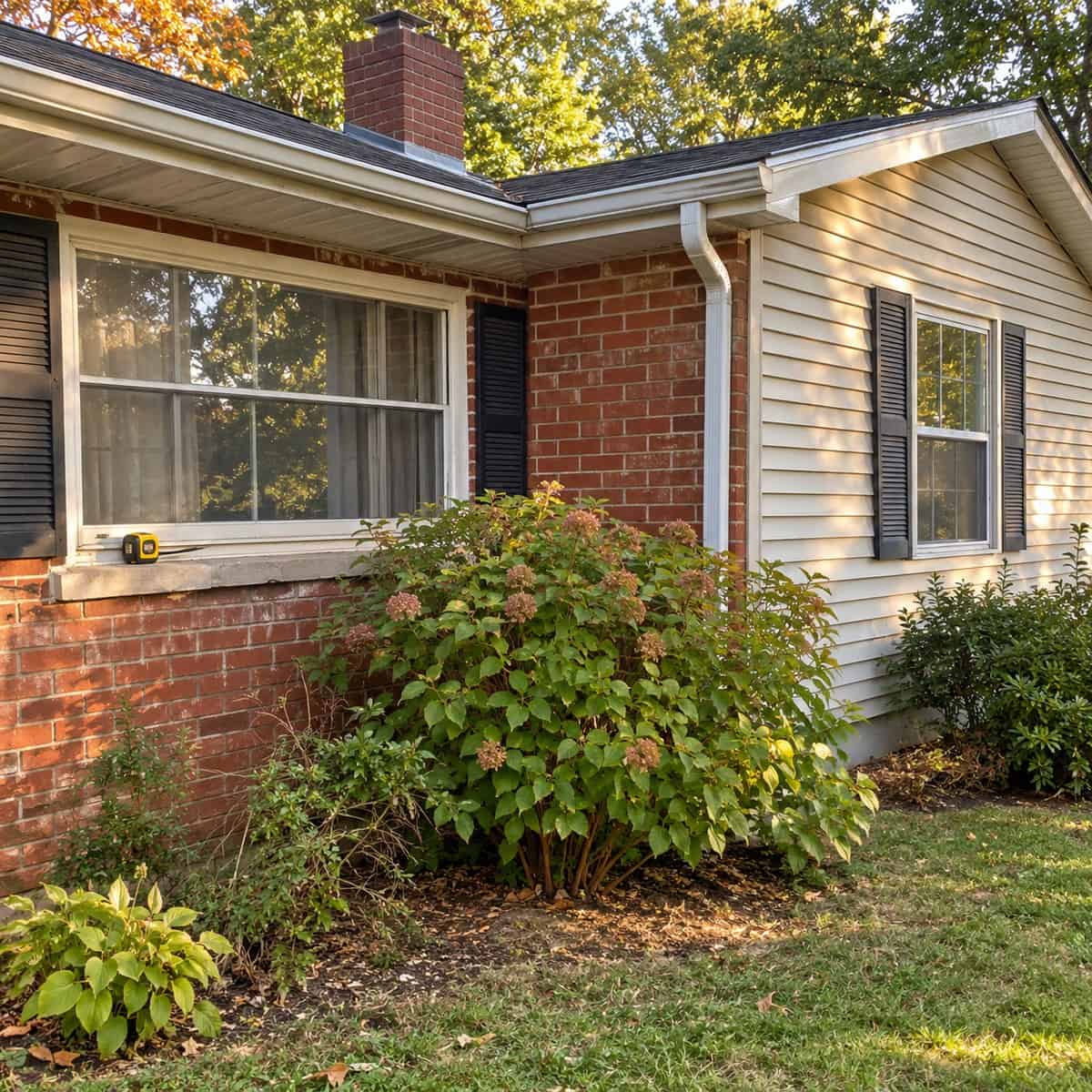
Square footage anchors the entire appraisal. The appraiser walks the exterior, sketches the footprint, and calculates gross living area, which gets compared to nearby sales on a price-per-square-foot basis.
Since 2022, Fannie Mae has required the ANSI Z765 measuring standard. Only finished, heated space that sits entirely above grade counts, and ceilings generally need to reach 7 feet.
Garages, unheated porches, and basements go on separate lines. Expect the result to differ from the county record or an old listing, especially on homes with additions. Keep the permits for any addition on hand so the appraiser can confirm the space was built legally and is heated like the rest of the house.
2. A Roof With Years Left on It
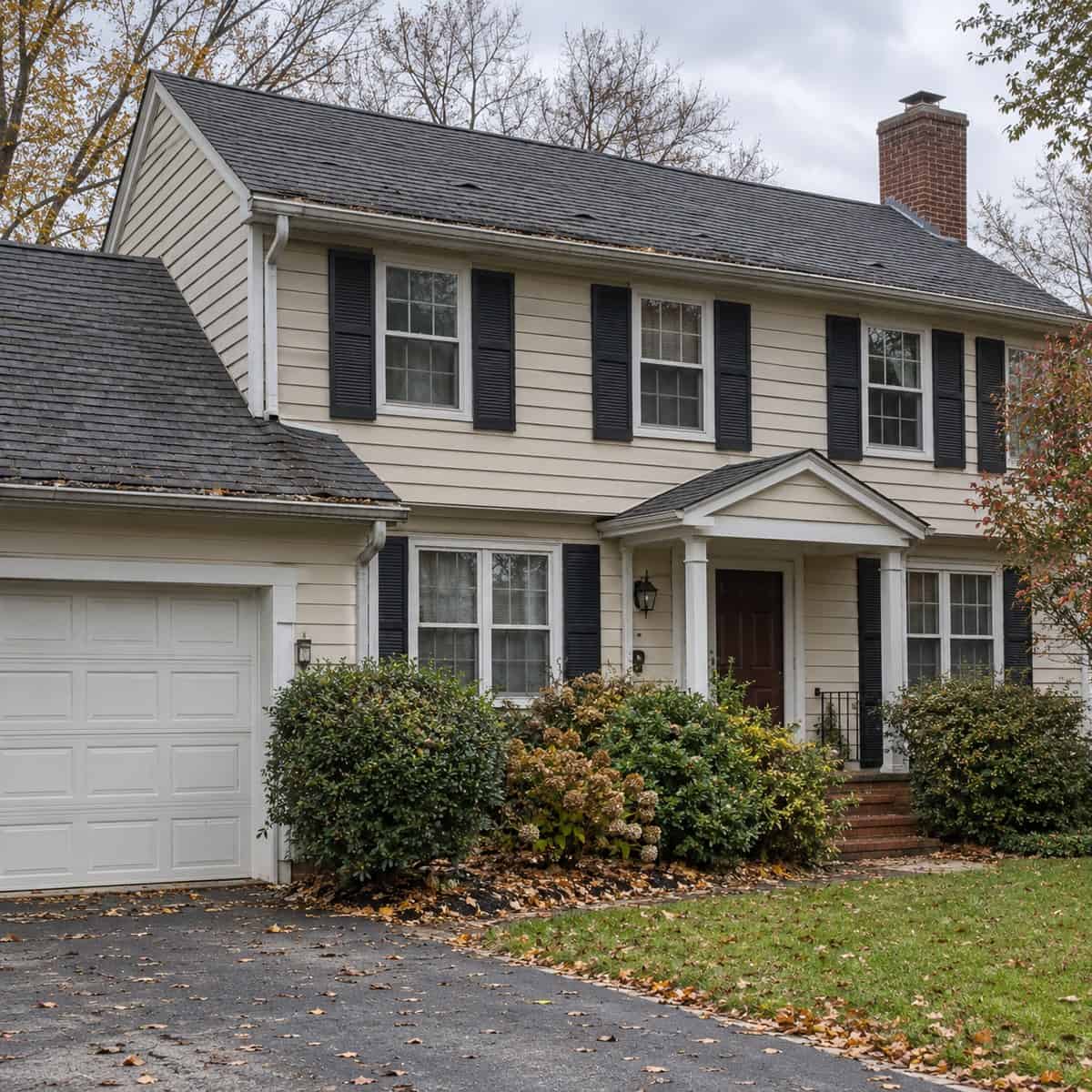
Appraisers estimate how much life a roof has left, not just how old it is. They look for curled or cupped shingle edges, bald patches where the mineral granules have worn away, and granules piling up in the gutters.
A full asphalt tear-off on an average 2,000-square-foot house runs roughly $10,000 to $20,000 in most regions. FHA guidelines expect a roof to have at least two years of remaining life, and a worn one can trigger a repair requirement before closing.
A roof replaced within the last five to ten years, backed by the contractor’s invoice and warranty, is one of the strongest condition items any house can show.
3. A Kitchen That Has Been Kept Current

The kitchen carries more weight in the quality and condition ratings than any other room. Appraisers note cabinet construction, countertop material, appliance age, and whether the space looks updated or simply clean.
The report asks whether the kitchen has been updated or remodeled and roughly when, in ranges reaching back 15 years. A 1990s kitchen with laminate counters and almond appliances usually reads as dated even when everything works.
A full gut job is not required to change that description. New counters, a matching appliance set, fresh hardware, and refinished solid wood cabinet doors often cost a fraction of a remodel and move the kitchen into the updated category.
4. The Electrical Panel and Its Amperage

Appraisers often open the panel cover or at least read the label. A 200-amp service with a modern breaker panel is the baseline buyers and insurers expect, especially in homes with central air, an electric range, or plans for an EV charger.
Certain brand names draw extra scrutiny. Federal Pacific Electric panels with Stab-Lok breakers and some Zinsco panels from the 1960s and 1970s have well-documented failure histories, and many insurers refuse to cover homes that still have them.
Upgrading from 100 to 200 amps typically costs $2,000 to $4,500, permit included. That is a modest price for removing an item that can stall a sale.
5. A Foundation Without Telltale Cracks

Appraisers are not structural engineers, but they walk the perimeter and look closely at basement walls. Thin vertical cracks in poured concrete are common and usually come from shrinkage as the concrete cured.
The cracks that worry them look different. Stair-step patterns in block walls, horizontal cracks partway up a wall, and gaps wider than a quarter inch can point to soil pressure or settlement. Sloping floors and doors that swing open on their own add to the concern.
If a crack has already been evaluated and repaired, keep the engineer’s letter and the repair company’s transferable warranty. That paperwork turns a red flag into a closed issue.
6. Bathroom Count, Including Half Baths

Bathrooms get their own box on the report, and comparable sales are adjusted based on that number. A full bath has a toilet, sink, and a tub or shower, so a shower-only bath still counts as full. A half bath has a toilet and sink.
In a neighborhood where most homes have two and a half baths, a house with one and a half takes an adjustment against every comparison.
A powder room can fit in about 18 to 20 square feet, often under a stairway or in a deep coat closet. Expect $10,000 to $25,000 for a new half bath, depending largely on how far the drain and supply lines have to run.
7. Ground That Slopes Away From the House

Most basement water problems begin in the yard. Appraisers note soil that pitches toward the foundation, downspouts that empty right at the wall, and low spots where puddles linger after a storm.
The International Residential Code calls for a fall of at least 6 inches within the first 10 feet of the foundation where the lot allows it. Mulch beds built up a little every spring often end up sloping the wrong way without anyone noticing.
A few yards of fill dirt and some 4-foot downspout extensions fix most grading problems for a few hundred dollars. Few projects protect both the basement and the appraisal so cheaply.
8. Bedrooms That Meet the Legal Definition

Not every room with a bed in it counts as a bedroom. Appraisers generally look for an emergency escape window or door, at least 70 square feet of floor, a ceiling of about 7 feet, and access from a hall or common area rather than through another bedroom.
Under the IRC, an egress window needs a net clear opening of 5.7 square feet with a sill no higher than 44 inches. Many markets also expect a closet, though the code does not require one.
Attic and basement rooms in older homes often fail one of these tests. Such a room still adds living space, but it will not earn the bedroom adjustment.
9. Heating and Cooling Equipment Age
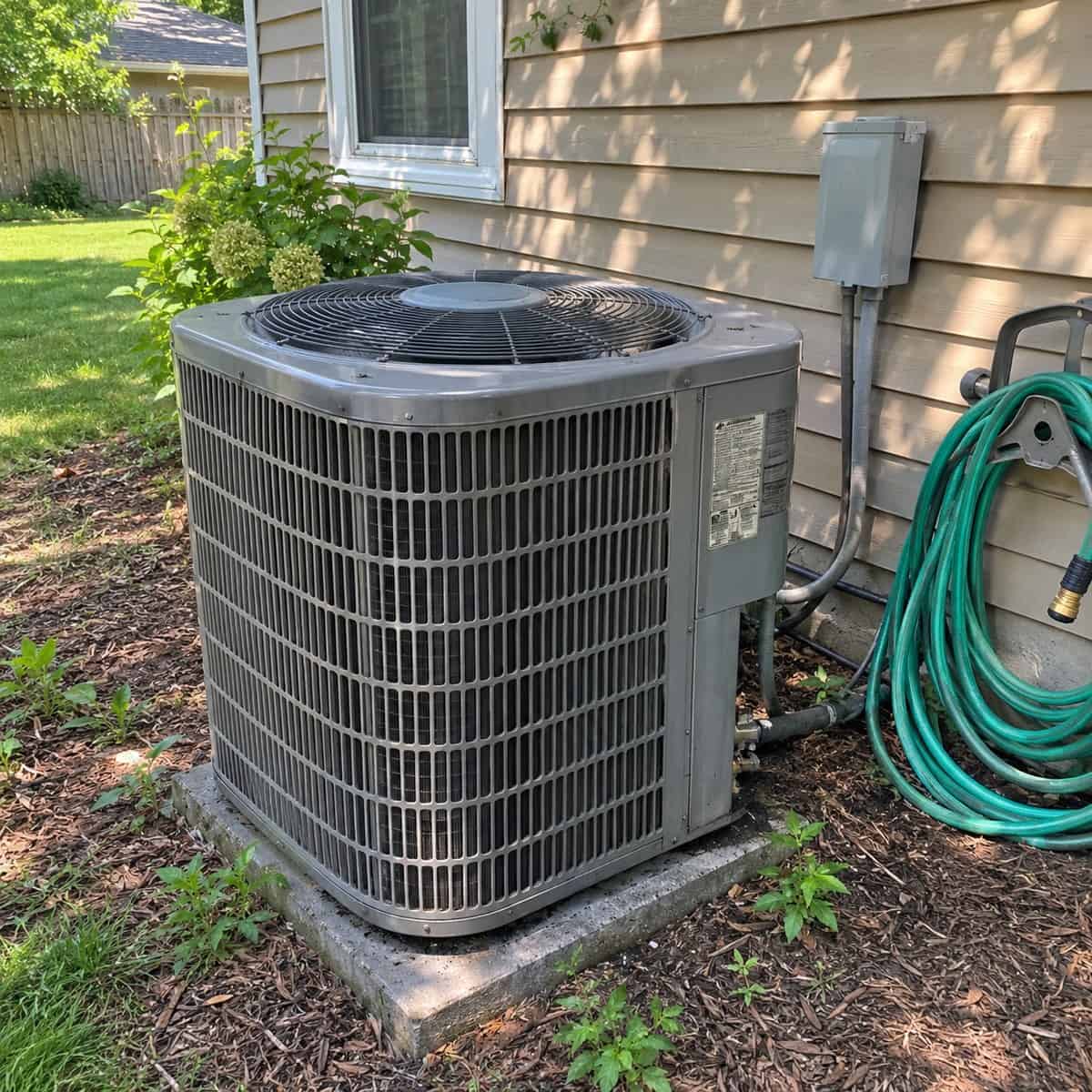
The data plates on the furnace and outdoor condenser usually show a manufacture date, and appraisers read them. A gas furnace typically lasts 15 to 20 years and a central air unit about 12 to 15, so equipment past those marks signals a replacement the next owner will fund.
Since 2023, new central air systems must meet SEER2 minimums of 13.4 in northern states and 14.3 in the South. Units from the 1990s often ran near SEER 10.
Keep the installation invoice and service records. A fresh filter and a clean return grille suggest a system that has been maintained, which matters nearly as much as the date on the label.
10. The Exterior as Seen From the Curb

The appraiser photographs the front of the house for the report, and that photo is among the first things the lender’s underwriter sees. Peeling trim, a sagging gutter, or a cracked front step shows up plainly in it.
The condition rating for the whole property starts forming at this point. Fresh paint on the trim and front door, a pressure-washed walk, and shrubs cut back from the windows all suggest an owner who keeps up with things.
Repainting street-facing trim is often a weekend job with a few hundred dollars in materials. Focus effort on the front elevation, since that is the side in the photo.
11. A Garage That Is Still a Garage

Comparable sales get adjusted for parking, and the report breaks it down by type: attached, detached, built-in, carport, or none, along with the number of car spaces.
A two-car attached garage is the norm in most suburban neighborhoods built after 1970. Homes without one, or with a single bay where the comps have two, take a downward adjustment.
Conversions are the trouble spot. A den created without a permit, with no heat from the main system and a slab floor a step below the house, rarely counts as living space, and the garage credit disappears too. If a conversion already exists, the permit history decides whether it helps or hurts.
12. The Water Heater’s Manufacture Date

Most tank water heaters have the manufacture year coded into the serial number on the label. Appraisers and home inspectors both look for it.
Gas and electric tanks typically last 8 to 12 years. Rust around the base, water in the drip pan, or crusty mineral buildup at the fittings suggests a unit near the end.
Code details also get noticed: a temperature and pressure relief valve with a discharge pipe, an expansion tank on closed systems, and two seismic straps in California and other earthquake regions. A new 50-gallon tank installed runs about $1,200 to $2,500, making it one of the easiest systems to bring current before listing.
13. Siding Material and How It Has Aged

Siding helps set the quality rating. Brick, stone, stucco, and fiber cement such as James Hardie board tend to read as higher quality than builder-grade vinyl or hardboard.
Condition still matters more than material. Hardboard siding from the 1980s and 1990s, sold under names like Masonite, often swells and crumbles along the bottom edges where water collects. Vinyl that has cracked or rippled from heat looks tired quickly.
Replace swollen boards, repoint loose brick mortar, and caulk open joints around windows and doors. Intact cladding photographs well and keeps the quality score where it belongs.
14. Original Oak Floors Under the Carpet
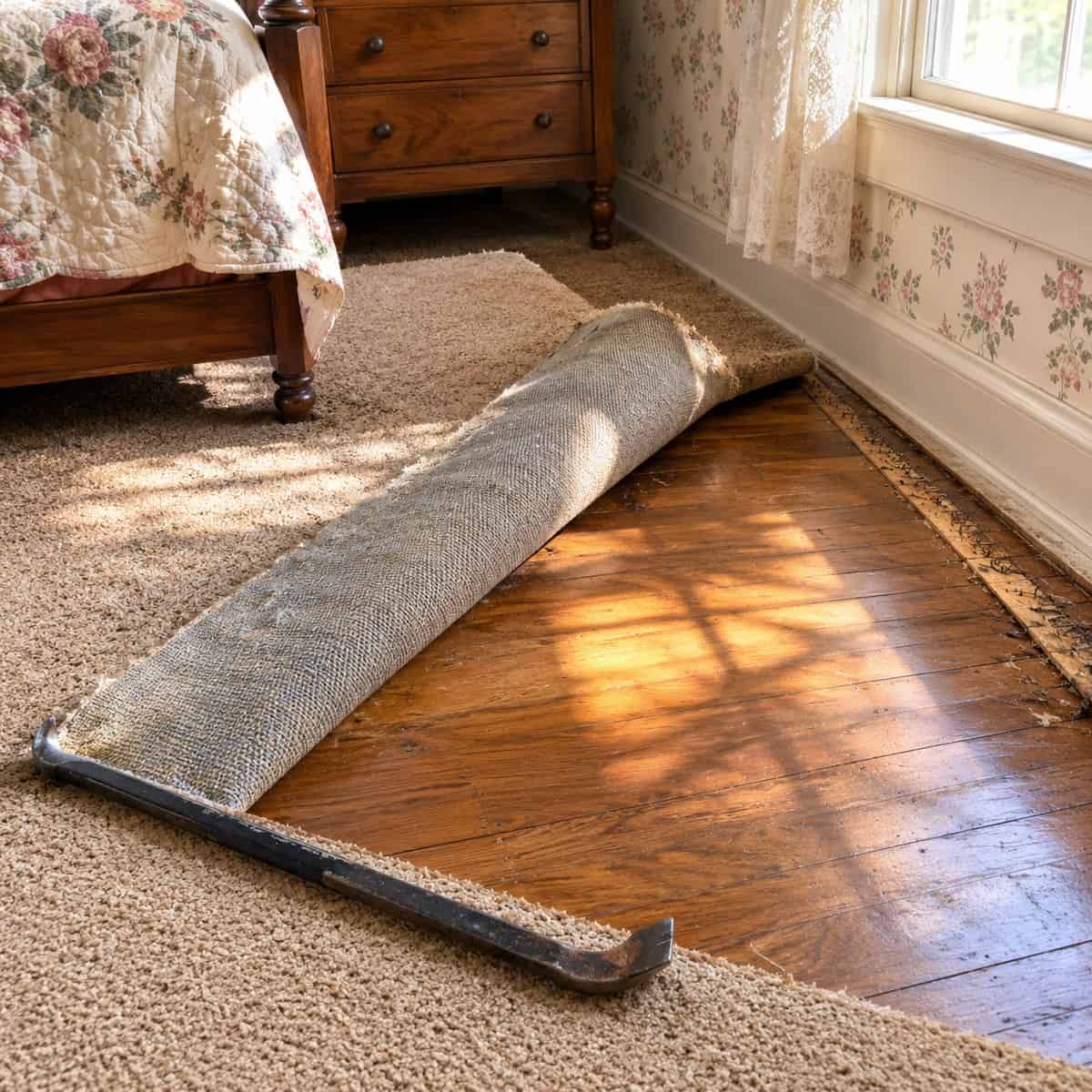
Many houses built from the 1920s through the 1960s were finished with 3/4-inch solid oak strip flooring, usually about 2 1/4 inches wide. A great deal of it was covered with carpet in the 1970s and 1980s.
Check inside a closet or lift the edge at a floor register to see what lies underneath. Solid hardwood can be sanded and refinished several times over its life.
Refinishing typically costs $3 to $8 per square foot. Once exposed, the floor appears in listing photos and in the quality description. Stained or matted carpet, on the other hand, earns a condition note almost immediately.
15. A Dry, Well-Ventilated Attic

Appraisers often lift the attic hatch and take a look, and what they find says a lot about the roof and the rooms below.
Dark staining on the roof sheathing, frost on nail tips in winter, or a musty smell point to poor ventilation or a leak. Bathroom fans that dump moist air into the attic instead of outdoors are a frequent cause.
Balanced soffit and ridge vents keep the space close to outdoor temperature and carry moisture out. Cold climates call for R-49 to R-60 of insulation, roughly 14 to 20 inches depending on the material. Rerouting a fan duct through the roof costs a few hundred dollars and removes a real concern.
16. Supply Lines and Drain Pipes

The appraiser cannot see inside walls, but the basement ceiling, the crawlspace, and the cabinet under the kitchen sink reveal a lot about the system.
Copper, PEX, and CPVC supply lines are standard. Galvanized steel, common through the 1950s, narrows with rust and drags down water pressure. Gray polybutylene tubing installed from roughly 1978 to 1995 is a known failure risk and can complicate insurance.
Drains count too. Cast iron in older homes can crack along the bottom, and Orangeburg fiber pipe in mid-century sewer laterals can collapse. A sewer scope costs about $150 to $300 and settles the question before a buyer raises it.
17. A Walk-Out Lower Level

On a sloped lot, the back wall of a basement can open at ground level with full-size windows and a standard door. Appraisers call that a walk-out, and buyers treat it almost like regular living space.
On the report it still sits below grade and stays out of gross living area. It does get its own notation, and comps with walk-outs are adjusted against those without.
The difference comes down to light and access. A finished walk-out with a slider to a patio can serve as a guest suite, office, or family room in a way a window-well basement rarely can, and that flexibility shows up in the adjustment.
18. Finished Basement Space and How It Counts

Finished basement area goes on its own line of the report, separate from above-grade living area, and it is valued at a lower rate per square foot. In many markets that rate falls somewhere between half and two-thirds of the above-grade figure.
Finish quality affects the number. Drywall instead of paneling, a flat ceiling instead of drop tiles, a permitted bathroom, and heat from the main system all help.
Moisture undoes every bit of it. Water lines on drywall, swollen baseboards, and a dehumidifier running nonstop suggest an ongoing problem. Finished space over an active leak can cost value rather than add it.
19. Window Type and Condition

Appraisers note window style and material because both reflect age and quality. Vinyl or fiberglass double-pane units with low-E glass are expected in most homes updated after 2000.
Original wood windows in a 1910s or 1920s house are a separate case. Well-kept sashes with working cords, especially paired with exterior storm windows, can be an asset in an older neighborhood.
Visible failure is what hurts: fogged insulated glass from broken seals, rotted sills, sashes painted shut, and cracked panes. Replacing just the sealed glass unit in a fogged window often costs $150 to $400, far less than a whole new window.
20. Safety Items the Lender Will Ask About

FHA and VA appraisals come with minimum property requirements, and conventional appraisers note safety problems as well. Missing handrails, exposed wiring, and broken glass can all hold up a loan.
Many states require working smoke detectors in each bedroom and on every level, plus carbon monoxide alarms near sleeping areas in homes with gas appliances or an attached garage, before a sale closes.
Walk the house with a checklist. Add a handrail to any stair with four or more risers, cover open junction boxes, and replace cracked panes. These fixes usually cost a few hundred dollars and keep the appraisal from coming back with conditions attached.
21. A Permitted Accessory Dwelling Unit

A self-contained apartment over the garage or in the backyard, with its own kitchen, bathroom, and entrance, can add meaningful value. California, Oregon, Washington, and a growing list of cities have relaxed ADU rules since 2017.
Fannie Mae allows appraisers to credit an ADU when it is legal under local zoning, and appraisers look for comparable sales with similar units to support the figure.
An unpermitted basement apartment is another matter. Without approval from the building department, it may be valued as storage or treated as a liability. Before marketing a house with a second unit, confirm its status with the city or county.
22. Matching Flooring Through Main Rooms

One flooring material running through the living room, dining room, hall, and kitchen makes a house look larger and more finished. Appraisers describe flooring in the quality section, and a patchwork pulls that description down.
The pattern shows up in homes updated one room at a time: oak in one space, laminate in the next, a strip of tile at the kitchen, and a reducer at every doorway.
Luxury vinyl plank installed throughout runs roughly $4 to $8 per square foot with labor and can tie a dated layout together. Solid or engineered hardwood costs more but signals a higher quality level.
23. A Deck or Porch That Feels Solid

Outdoor living space is listed on the report, and condition counts along with size. Appraisers notice spongy boards, wobbly railings, and rusted joist hangers.
Many decks built before the 2000s were fastened to the house with nails instead of through-bolts or structural screws at the ledger board. That connection is the most common point of failure, and missing flashing above the ledger can rot both the deck framing and the house’s rim joist.
Replace rotten boards, reset loose railing posts, and apply a fresh coat of stain or sealer. A deck that looks safe adds to the property. One that looks hazardous becomes a repair condition.
24. Finishes That Do Not Fight the Buyer

Appraisers rate condition and quality, not color. Even so, the overall impression shapes how a house is described and how easily it lines up with recent sales.
Dark accent walls, heavily themed rooms, and custom tile in unusual colors can make a home harder to compare. Soft whites, warm grays, and greige used consistently through connected rooms make the house read as one finished whole.
A gallon of quality interior paint costs about $40 to $80 and covers 350 to 400 square feet. Repainting a few bold rooms before listing keeps attention on the house itself rather than on someone’s taste.
25. Paperwork for Every Major Improvement

An appraiser can only credit what can be confirmed. A new roof, a replaced furnace, or rewired circuits may look the same as older work during a 30-minute visit.
Gather receipts, contractor invoices, warranties, and permit numbers in one folder. A single page listing each project, the year it was done, and its cost makes the information easy to use.
Unpermitted work is the flip side. Square footage added without a permit may be left out of gross living area or flagged in a way that weakens the value. Pulling a retroactive permit before listing often costs less than losing that space on the report.
26. Small Repairs That Add Up

A loose cabinet hinge or a missing outlet cover does not change a valuation by itself. A dozen of them in one house suggests how the whole property has been treated.
Condition ratings rest on that impression. C3 describes a well-maintained home with ordinary wear. C4 signals minor deferred maintenance that a buyer will need to address.
Spend a weekend working through the list: recaulk tubs and sinks, replace cracked switch plates, plane doors that stick, patch nail holes, and swap burned-out bulbs. The total cost is small, and the combined effect can keep the rating on the better side of that line.
27. A Clean House on Appraisal Day

Cleaning adds nothing to the square footage or room count. It does let the appraiser see the house clearly and photograph it well, and those photos become part of the report.
Clear the kitchen counters, empty the sink, and move boxes away from the furnace, water heater, electrical panel, and attic hatch so each can be checked easily. Open paths to the crawlspace and basement corners as well.
Wash windows, wipe down baseboards, and change a dingy furnace filter. A tidy, open house suggests careful ownership. A cluttered one leaves the appraiser guessing about what cannot be seen.
Where the Value Really Comes From
The pattern across this list is plain. Size, structure, mechanical systems, and documentation carry the most weight. Decor, staging, and trendy finishes barely register on the form.
For an older house, that is good news. Original oak floors, a solid foundation, and well-kept wood windows count in its favor, as long as the wiring, plumbing, and heating behind them have been brought up to date and the records are ready to hand over.
Before the appraiser arrives, walk the house with the report’s categories in mind, handle the inexpensive fixes, and gather paperwork for the bigger ones. A house that is easy to verify is a house that is easy to value.